ChocolaTree Organic Oasis
Our verdict
ChocolaTree Organic Oasis operates in a corner of Sedona's dining scene that most visitors walk past on their way to a steakhouse — plant-based, organic, and sourced with a specificity that places it in a different category from the typical health-casual café. Located along Highway 89A, it draws a regular local following alongside travelers seeking something outside the Southwest's dominant meat-and-chile tradition.

Pearl is the En Primeur Club membership app — saves, bookings, and concierge access live there. Same editors, same standards.
- Address
- 1595 AZ-89A, Sedona, AZ 86336
- Phone
- (928) 282-2997
- Hours
- Mon 10 AM–8 PMTue–Wed 10 AM–4 PMThu–Sun 10 AM–8 PM
- Website
- chocolatree.com
- Directions
- Get directions
The menu
What to order
- Sweet Potato Pizza Pie
- Viva Burrito
- Raw chocolates
Where Sourcing Is the Whole Argument
Sedona's restaurant identity is built around two things: views and red-rock Southwest cooking. The higher-end addresses, from Che Ah Chi to Cress on Oak Creek, use the canyon-country setting as a frame for refined American Southwest cuisine. But a smaller, quieter tier of the local dining scene operates by a different logic entirely — one where ingredient provenance, not plating drama or panoramic terraces, is the primary editorial statement. ChocolaTree Organic Oasis sits firmly in that second tier, at 1595 AZ-89A, and it has held that position long enough to become something of a landmark for the town's organic and plant-based dining circuit.
Approaching the address along Highway 89A, the scale is deliberately modest. There is nothing here signaling the kind of architectural performance that drives bookings at Dahl and DiLuca or the terrace-and-margarita energy of Javelina Cantina. The draw is quieter, more interior: a space designed around the logic of what's in the kitchen rather than what frames it.
The Sourcing Argument in Practice
In the broader conversation about ingredient-driven restaurants, the most credentialed names tend to cluster at a specific altitude. Blue Hill at Stone Barns in Tarrytown has spent two decades making farm provenance the explicit subject of the meal, with its own agricultural operation providing direct-to-kitchen sourcing. Single Thread Farm in Healdsburg operates its own farm, inn, and restaurant as a closed-loop system. Smyth in Chicago built its identity around a root-to-table philosophy that reaches down to the farm level. These are multi-award operations with full tasting-menu formats and price points to match.
ChocolaTree does not compete in that tier. What it shares with those venues is the underlying premise: that knowing where your ingredients come from changes what the food means on the plate. In a high-desert town where most menus trend toward grilled protein and corn-based sides — a tradition well-served by addresses like El Rincon Restaurante Mexicano, the organic and plant-based orientation at ChocolaTree represents a specific editorial position, not a catch-all wellness gesture.
The organic sourcing commitment in this context matters more than it might in, say, a major metro market with established supply chains and certified producers on every corner. Northern Arizona's high desert is not naturally an agricultural abundance zone. Sourcing organic ingredients here requires deliberate supply relationships, which is why venues that actually hold to that standard in Sedona occupy a narrow niche.
Plant-Based in the Desert Southwest
The broader American restaurant world has spent the last decade sorting plant-based cooking into two categories: fast-casual substitution menus built around processed analogs, and serious kitchens that treat vegetables, legumes, and whole grains as primary ingredients with their own seasonal and textural logic. The latter approach demands a different kind of sourcing discipline. You cannot mask the quality of a carrot or a heirloom grain the way you can season a protein into submission.
Sedona's wellness tourism draw gives this kind of restaurant a more receptive audience than it might find in a mid-sized Midwest city. The town attracts visitors already oriented toward health-conscious choices, and a subset of those visitors specifically seek out plant-based and organic dining as part of a broader travel intention. ChocolaTree has cultivated that audience consistently, building a local and visitor following that sustains a position on 89A that, in a different market, would be harder to hold.
For context on the wider American farm-to-table fine dining scene, venues like The French Laundry in Napa, Addison in San Diego, and Providence in Los Angeles represent the credentialed upper tier of ingredient-driven American cooking, each with documented awards and long reputations. The sourcing conversation runs through all of them, even if the format, price point, and cuisine type differ substantially from what ChocolaTree does in Sedona.
Who This Is For, and When to Go
ChocolaTree draws a specific cross-section of Sedona visitors: travelers on multi-day itineraries who want an alternative to the territory's dominant grill-and-patio format, locals who have built it into a regular rotation, and visitors whose dietary requirements, vegan, raw, or strictly organic, make it one of the few genuinely accommodating options in the area.
Sedona's peak visitor season runs through spring and fall, when mild temperatures bring the highest foot traffic along 89A and wait times at the better-known addresses extend considerably. The town's wellness tourism load is less seasonally concentrated than its scenic tourism, which means ChocolaTree tends to draw a steadier, year-round clientele than the panoramic-terrace restaurants that fill and empty with the trail-walking crowds. Visiting outside the March-to-May and September-to-November peaks generally means a more relaxed experience at most Sedona addresses, including this one.
Given the absence of a formal online booking record for ChocolaTree, the most reliable approach is to call ahead or arrive with flexibility, particularly during spring weekends when Sedona's overall visitor volume is at its highest. For a full picture of where ChocolaTree sits within the broader dining options across the city, see our full Sedona restaurants guide.
The Larger Frame
In the international conversation about ingredients as identity, the most discussed examples tend to operate at the top of the credentialed tier: Le Bernardin in New York defines a kitchen through sourcing specificity in seafood; Atelier Moessmer Norbert Niederkofler in Brunico has built an entire culinary identity around Alpine regional sourcing; Atomix in New York City frames Korean fine dining through ingredient provenance and seasonal intention. Emeril's in New Orleans and Lazy Bear in San Francisco each built reputations around sourcing transparency within their respective regional traditions. The Inn at Little Washington in Virginia has maintained a garden-to-table emphasis for decades.
What these venues share with the basic operating principle at ChocolaTree is that the kitchen's first editorial decision is where the food comes from, not how it is technically assembled. The scale, format, price, and prestige differ by an enormous margin. But the underlying premise, that sourcing is itself a form of argument about what food should mean, connects a high-desert organic café in Arizona to some of the most discussed restaurant addresses in the country. That connection is worth naming, even if the gap in credential and category is equally worth acknowledging.
Frequently asked questions
How do I find ChocolaTree Organic Oasis?
ChocolaTree Organic Oasis is located at 1595 AZ-89A, Sedona, AZ 86336, Sedona.
Is ChocolaTree Organic Oasis suitable for raw food or fully plant-based diets in Sedona?
ChocolaTree is one of the few Sedona restaurants where plant-based and raw preparations are the organizing principle of the menu, not a dedicated section added for dietary accommodation. That makes it a practical anchor for travelers whose dietary requirements rule out most of the corridor's mainstream Southwest addresses. Located at 1595 AZ-89A in Sedona, it serves a cross-section of health-conscious visitors for whom conventional options along the same stretch are limited.
What dish is ChocolaTree Organic Oasis famous for?
ChocolaTree built its reputation on whole-ingredient, plant-based preparations rather than any single signature plate. The kitchen operates on an organic sourcing philosophy that shapes the entire menu, which skews toward raw and minimally processed formats. Specific current dishes are best confirmed directly with the café at its 1595 AZ-89A location in Sedona.
Should I book ChocolaTree Organic Oasis in advance?
ChocolaTree draws a consistent flow of Sedona visitors seeking an alternative to the territory's red-rock Southwest dining mainstream, which means peak-season waits are common. Arriving early or during off-peak hours on weekdays is the practical hedge.
What is ChocolaTree Organic Oasis known for?
ChocolaTree is known for its commitment to organic, plant-based cooking at a time when most of Sedona's restaurant identity is built around views and conventional Southwest cuisine. It occupies a specific position in the local scene as one of the few addresses where ingredient sourcing is the central argument rather than a menu footnote. The café sits on AZ-89A and draws travelers on multi-day Sedona itineraries who are actively seeking whole-food, plant-forward alternatives.
At-a-Glance Comparison
| Venue | Cuisine | Price | Awards |
|---|---|---|---|
| ChocolaTree Organic OasisThis venue — the venue you are viewing | Organic Vegetarian Cafe | $10–20 | Not listed |
| Cress on Oak Creek | Modern Arizonan Fine Dining with French Techniques | $150–200 | Wine Spectator Award of Excellence · Forbes 4-Star |
| Che Ah Chi | Modern American with Southwest influences | $30–50 | Star Wine List · Wine Spectator Best of Award of Excellence |
| Dahl & DiLuca | Refined Italian Fine Dining | $50–100 | Wine Spectator Award of Excellence |
| El Rincon Restaurante Mexicano | Arizona Style Mexican with Navajo Influences | $20–30 | Not listed |


Details
- Bohemian
- Cozy
- Whimsical
- Scenic
- Casual Hangout
- Brunch
- Garden
- Organic
- Local Sourcing
- Garden
- A La Carte
- Vegetarian Friendly
- Vegan Options
- Organic Focus
Current opening hours
- Monday
- 10 AM–8 PM
- Tuesday
- 10 AM–4 PM
- Wednesday
- 10 AM–4 PM
- Thursday
- 10 AM–8 PM
- Friday
- 10 AM–8 PM
- Saturday
- 10 AM–8 PM
- Sunday
- 10 AM–8 PM
Hours can change for holidays and private events. Last verified .
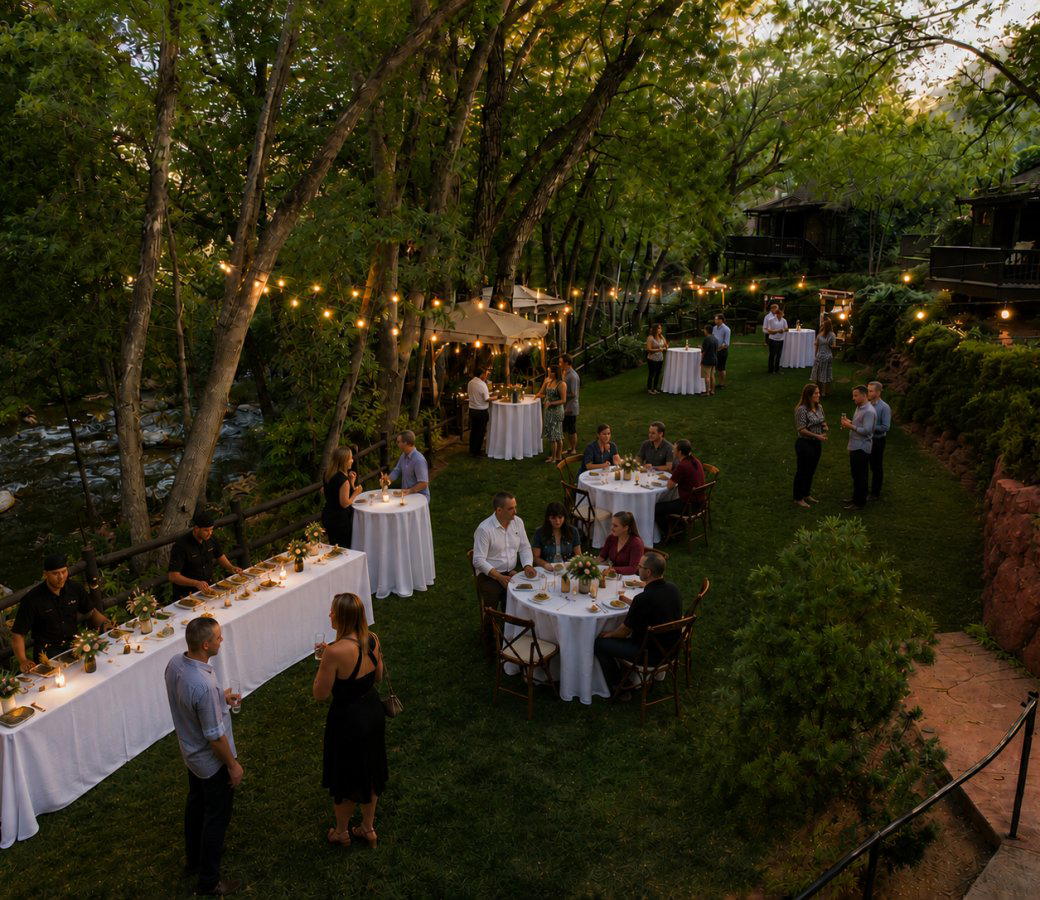
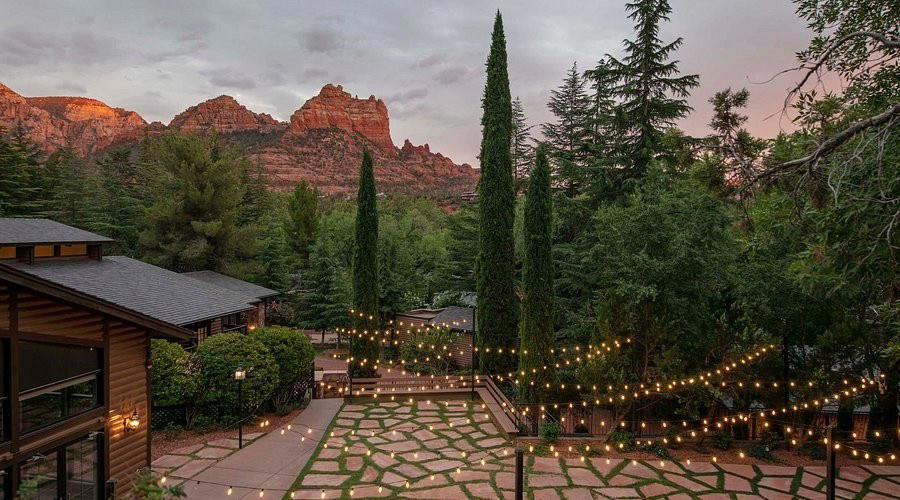
Peaceful, renewing sanctuary atmosphere with lively, vital flavors in a garden oasis setting.