Our verdict
Remanso Do Bosque operates at the intersection of Amazonian ingredient culture and Belém's evolving restaurant scene, on Av. Rômulo Maiorana in the Marco neighbourhood. The address places it within reach of the city's broader dining circuit, which increasingly draws on the extraordinary biodiversity of the Pará river systems and forest floor. For visitors tracing Brazilian regional cooking beyond São Paulo and Rio, Belém is the logical next stop.
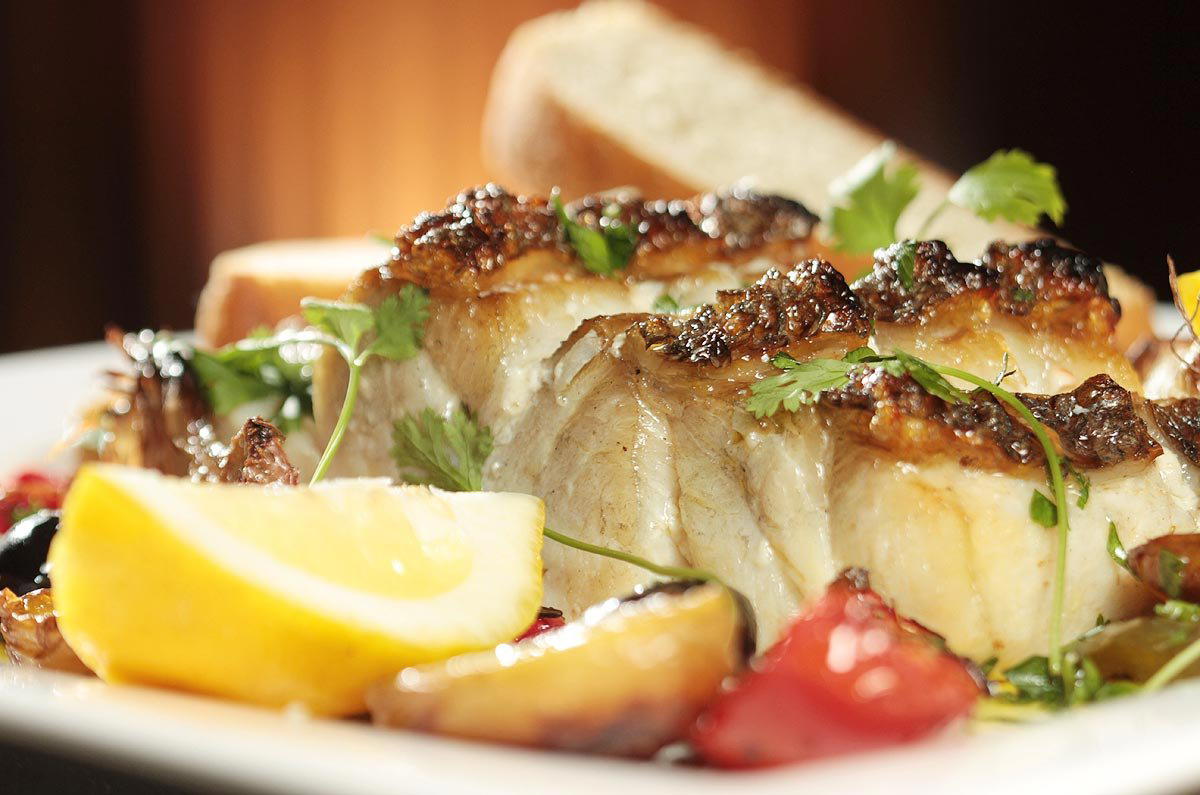
The menu
What to order
- Pirarucu Defumado
- Moqueca à Pará
- Caldeirada
- Tucupi Broth with Jambu
Where the Amazon Meets the Plate
Belém sits at the mouth of the Amazon river system, and that geography shapes everything that ends up on a restaurant table in this city. The Ver-o-Peso market, one of South America's oldest open-air markets, runs daily trade in tucupi, jambu, açaí, cupuaçu, and river fish that most Brazilians from the south would struggle to name. The city's dining scene has always drawn from this pantry, but a more deliberate, technique-conscious generation of restaurants has emerged in the last decade, venues that treat Amazonian ingredients not as local colour but as the structural logic of a menu. Remanso Do Bosque, on Av. Rômulo Maiorana in the Marco district, belongs to that conversation.
The address matters. Marco is one of Belém's more composed residential-commercial corridors, away from the heavier tourist circuits near the waterfront. Arriving at the venue feels less like entering a destination restaurant and more like finding where Belém's serious dining community actually eats. That distinction is worth something in a city where the gap between tourist-facing and locally-trusted can be significant.
The Ingredient Logic of Pará
To understand what a restaurant like Remanso Do Bosque represents, it helps to understand what Pará state produces. The Amazon basin generates ingredients with no real equivalents elsewhere: the numbing, herb-adjacent bite of jambu leaf; the sour fermented intensity of tucupi broth extracted from wild manioc; the texture and sweetness profile of fresh açaí, which bears almost no resemblance to the frozen export versions consumed globally. River fish such as pirarucu, dourada, and filhote have fat distributions and flavour profiles shaped by Amazonian waterways, and they respond differently to heat than Atlantic or Pacific species.
Brazilian fine dining in São Paulo and Rio has long looked to Europe and Japan for its reference points. D.O.M. in São Paulo and Lasai in Rio de Janeiro represent different answers to the question of what ambitious Brazilian cooking looks like, but both operate at significant geographic remove from the Amazon. Belém-based restaurants work with a different advantage: proximity. Ingredients arrive at their peak because the supply chain is short. What takes weeks to export reaches a Belém kitchen the same morning it leaves the river or the forest.
This proximity is not automatically converted into quality, it requires kitchens that understand how to work with volatile, highly seasonal, and sometimes technically demanding ingredients. The restaurants on Belém's better end of the spectrum have been developing that fluency for years, and the broader Brazilian culinary conversation has started paying attention, particularly as international interest in Amazonian biodiversity has grown.
Belém does not operate with the same restaurant density as São Paulo or Rio, and its leading end sits in a smaller, more locally-anchored tier. That means the competitive reference points are different. Must Restaurant and Bar occupies the modern-regional end of the city's dining register, reimagining Amazonian ingredients through a contemporary lens. Boi Novo Churrascaria anchors the more traditional, meat-centred end of the market. For a lighter daytime stop, both Lobby Café and Lobby Café at the Tivoli Maiorana Belém serve the café and casual end of the spectrum.
Within this ecosystem, restaurants that commit seriously to Amazonian sourcing tend to self-select into a smaller peer group, one that aligns more closely with the values of ingredient-driven dining internationally than with volume-oriented Brazilian hospitality. The standard for comparison shifts away from price-per-cover and toward the quality and provenance of what's on the plate. Venues in this tier across Brazil's Amazon region, from Bistro Fitz Carraldo in Manaus to Belém's own emerging names, are collectively building a regional culinary argument that is distinct from anything the country's southern cities can replicate.
Planning a Visit
Remanso Do Bosque is located at Av. Rômulo Maiorana, 2350, in the Marco neighbourhood of Belém. The Marco district is accessible by taxi and rideshare from the city centre and the Estação das Docas waterfront area, typically a short ride. Visitors combining this with broader exploration of Brazilian regional restaurants can cross-reference dining in other cities: Casa da Dika in Bragança offers another Pará-region reference point for those travelling the coast, while farther afield, Cantina Pozzobon in Santa Maria and Arte e Café Imperial in Angra dos Reis show how different Brazil's regional dining traditions diverge from one another.
Belém's rainy season, roughly December through May, affects ingredient availability and can shift what is being featured at any given time. Travelling in the dry season, June through November, often aligns with broader produce availability, though some Amazonian ingredients peak during the wet months.
For a broader view of where to eat and drink across the city, the EP Club Belém restaurants guide covers the full dining circuit with updated editorial context. Those building a longer Brazil itinerary can also consult EP Club coverage of dining in other regions, from Casa da Flor in Dourados to Casa da Picanha Penedo in Itatiaia, to understand how differently ingredient culture and dining tradition express themselves across Brazilian geography.
Frequently asked questions
Is Remanso Do Bosque child-friendly?
No specific children's menu or family policy is documented for Remanso Do Bosque, so it is worth contacting the venue directly before visiting with young children. The Marco neighbourhood address on Av. Rômulo Maiorana is accessible by taxi and rideshare, which simplifies logistics. Belém's restaurant culture at this tier tends toward a sit-down, experience-focused format that suits older children more comfortably.
What is the atmosphere like at Remanso Do Bosque?
Remanso Do Bosque sits in the Marco district of Belém, a city whose dining culture is shaped more by local anchoring than by the high-turnover energy of São Paulo or Rio. The venue's positioning within the Amazon basin context gives the setting a regional specificity that most urban Brazilian restaurants cannot replicate. Expect a tone calibrated to the ingredients and the geography rather than to international fine-dining formality.
Why do food-focused travellers make the trip to Remanso Do Bosque in Belém rather than dining in São Paulo or Rio?
Belém is the primary urban access point for Pará state's Amazon basin ingredients, and Remanso Do Bosque operates within that geography in a way that no restaurant further south can replicate by default. The city's smaller, locally-anchored dining tier means kitchens here work directly with producers and markets, including Ver-o-Peso, that supply ingredients with no reliable equivalent elsewhere in Brazil. For anyone researching Amazonian cuisine specifically, Belém at Av. Rômulo Maiorana, 2350 is the relevant address, not São Paulo.
What do regulars order at Remanso Do Bosque?
What is clear is that the kitchen draws on Pará state's Amazon basin pantry, which includes ingredients not found in southern Brazilian restaurants. Asking staff about the current market-driven preparations from Ver-o-Peso, Belém's central produce market, is a practical starting point.
Where do I go for Remanso Do Bosque?
Remanso Do Bosque is located at Av. Rômulo Maiorana, 2350 - Marco, Belém - PA, 66095-662, Brazil, Belem.
Comparison Snapshot
| Venue | Cuisine | Price | Notes |
|---|---|---|---|
| Remanso Do BosqueThis venue (the venue you are viewing) | Traditional Amazonian Regional Cuisine | Not listed | Not listed |
| Lobby Café (Tivoli Maiorana Belém) | Cafe | Not listed | Not listed |
| Must Restaurant & Bar | Modern Brazilian with Indigenous Flavors | Not listed | Regional ingredients reimagined / Modern |
| Boi Novo Churrascaria | Brazilian Churrascaria | $20–30 | Not listed |
| Lobby Café | Brazilian Café | $10–20 | Not listed |
Continue exploring
More in Belem
Restaurants in Belem
All restaurants in Belem →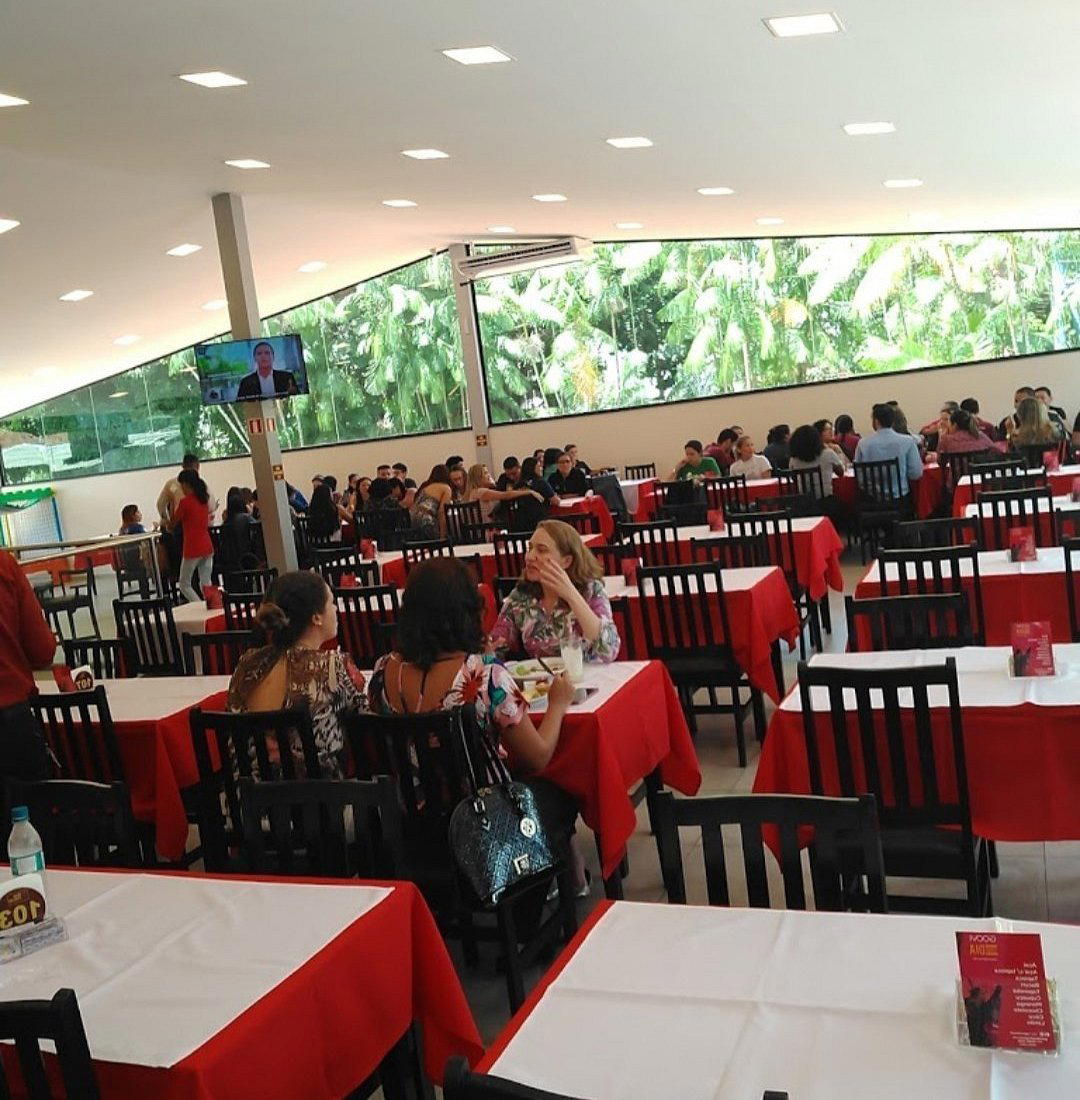
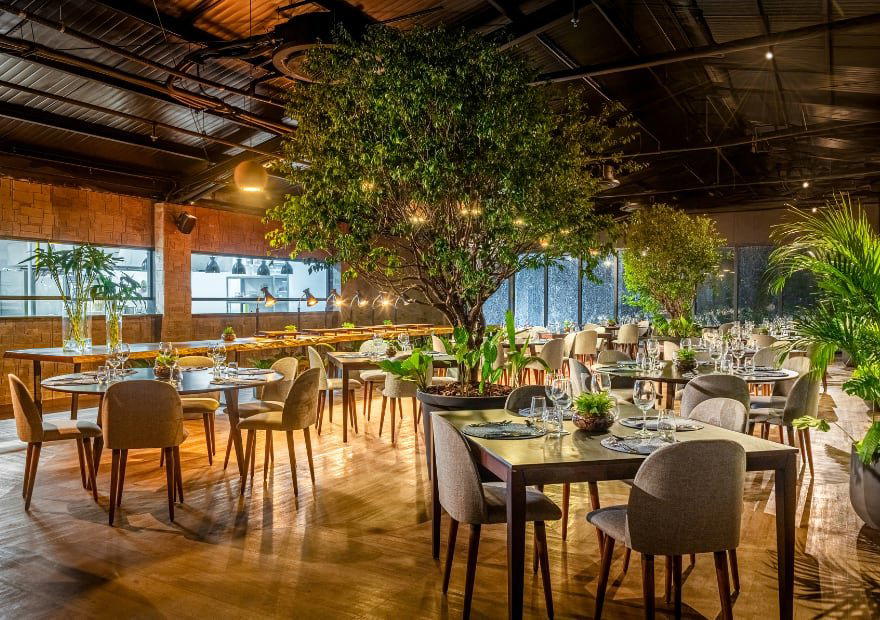
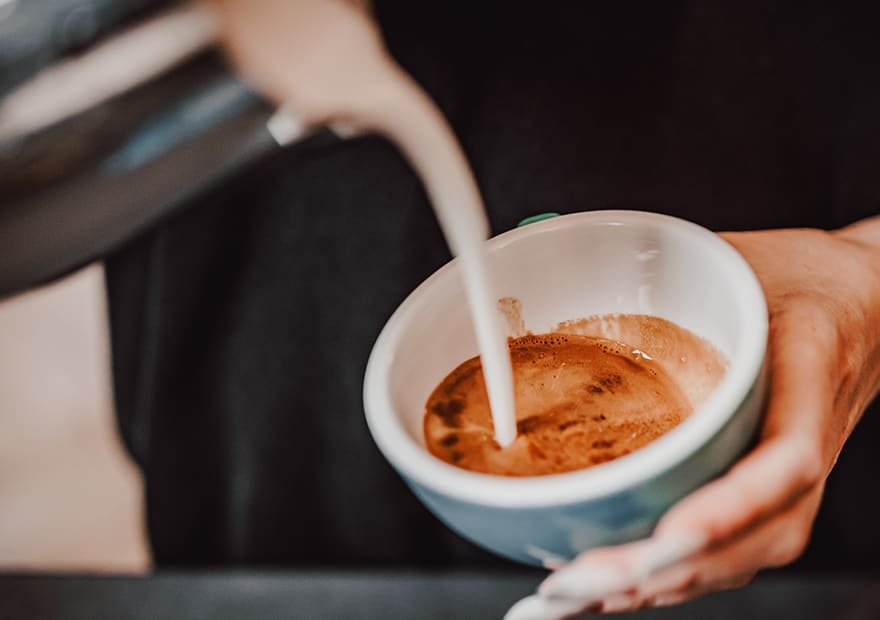
Bars in Belem
All bars in Belem →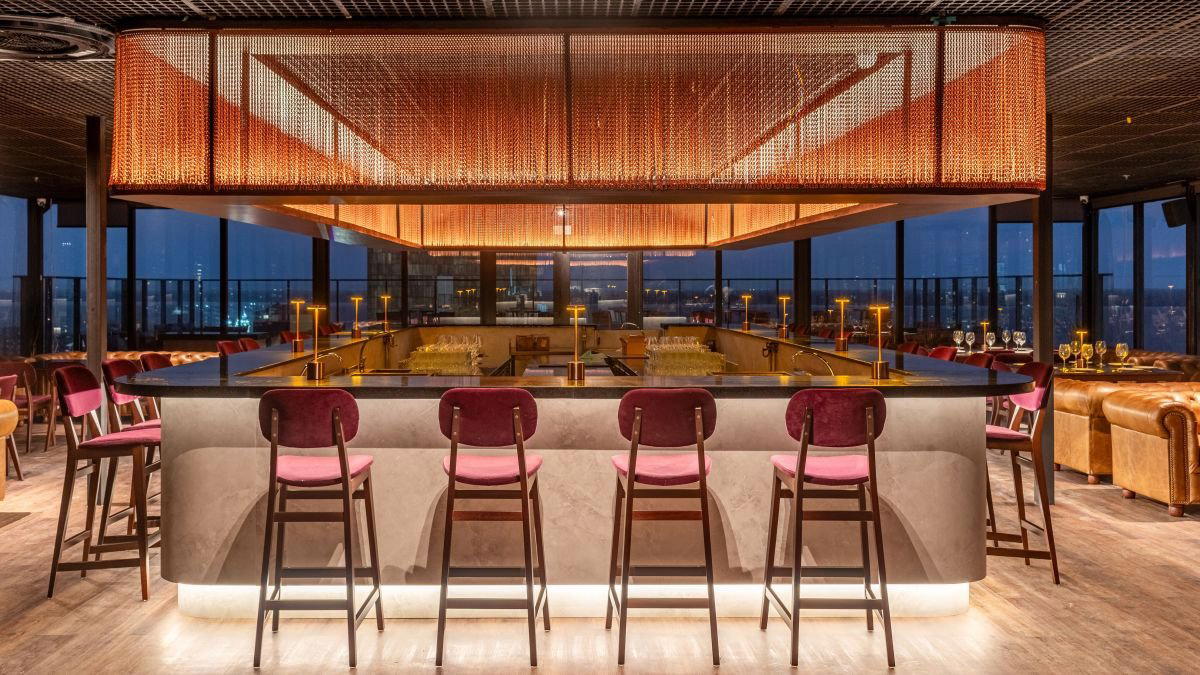
Details
- Rustic
- Cozy
- Classic
- Family
- Group Dining
- Casual Hangout
- Celebration
- Standalone
- Beer Program
- Local Sourcing
- A La Carte
- Family Style
- Cachaça
- Caipirinha
- Regional Juices
- Pescatarian Friendly
Warm, familial atmosphere with colorful furniture and walls decorated with nostalgic photographs and memories; intimate setting that evokes home cooking with natural lighting and traditional décor.