Rebel Kitchen

Diners, Drive-Ins and Dives Featured Restaurant
Our verdict
Located along the Hawaiʻi Belt Road in Kealakekua on the Big Island, Rebel Kitchen sits within a dining corridor shaped by agricultural abundance and deep Polynesian food traditions. Visitors to Hawaii County will find context in our full Hawaii County restaurants guide.

Pearl is the En Primeur Club membership app, where members save venues, book tables and use the concierge.
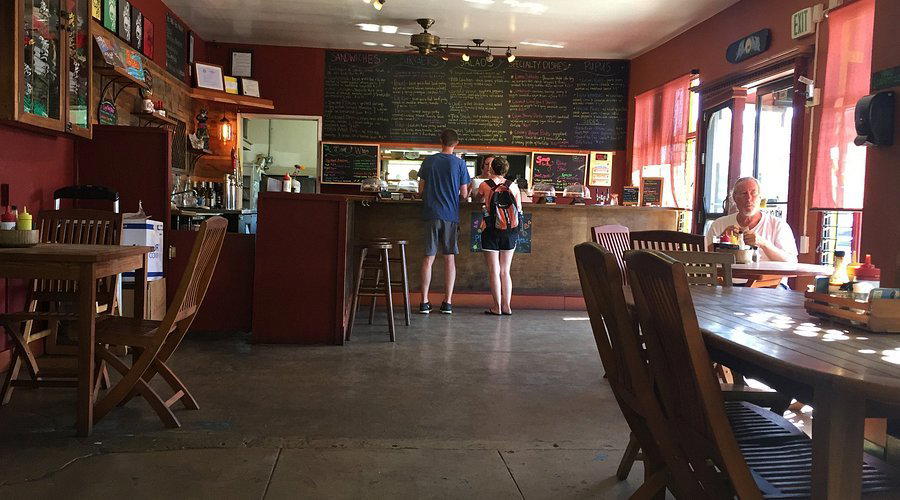
The menu
What to order
- Rebel Burger
- Blackened Ono sandwich
- Thai Steak salad
- Coconut Curry Ono and Shrimp
The Big Island's Contrarian Dining Corridor
The Hawaiʻi Belt Road through Kealakekua is not where most visitors expect to eat well. The drive south from Kailua-Kona moves through coffee country, past macadamia orchards and small farms feeding into a localized food economy that has little interest in the resort-strip dining of the Kohala coast. This is the agricultural interior of the Big Island, and the restaurants that have taken root here tend to reflect that, shaped by what grows close by rather than what imports easily. Rebel Kitchen, situated at 79-7399 Hawaiʻi Belt Rd, sits inside that pattern.
The broader context matters here. Hawaii's food culture is a layered document: Indigenous Polynesian traditions built around taro, fish, and communal preparation sit beneath successive waves of plantation-era immigration from Japan, Portugal, the Philippines, and China, each of which deposited techniques and ingredients that were absorbed and recombined into something distinctly local. Plate lunch culture, poke, and loco moco are not novelties, they are the products of real economic and social history. Restaurants working along the Belt Road tend to engage with that history more directly than their resort counterparts, which often default to a kind of pan-Pacific luxury shorthand.
What Kealakekua Means for a Restaurant
Kealakekua sits in South Kona at roughly 1,000 feet elevation, where the climate is cooler and wetter than the coast and the agricultural yield is measurably different. The Kona coffee belt runs through this corridor, and the same conditions that produce some of Hawaii's most sought-after arabica also support a wider range of produce than the leeward lowlands can manage. For a kitchen working in this location, the supply chain is genuinely local in a way that coastal tourist-district restaurants rarely achieve, the farms are nearby, the producers are often known by name, and the seasonal calendar reflects actual growing conditions rather than import schedules.
This positions Rebel Kitchen alongside a small cohort of Big Island operations that treat agricultural proximity as a structural advantage rather than a marketing talking point. The contrast with high-end farm-to-table formats in other American cities is instructive: at places like Blue Hill at Stone Barns in Tarrytown or Single Thread Farm in Healdsburg, the connection to agricultural source is a deliberate fine-dining proposition built around a specific price tier and a formal tasting format. Along the Kealakekua corridor, the relationship to local supply is less curated and more structural, it exists because the farms are there, not because it has been designed as a concept.
The Cultural Stakes of Cooking in This Location
Any kitchen operating in South Kona is working within a cultural context that extends well beyond the plate. This stretch of coastline carries significant historical weight: Kealakekua Bay, a short distance from the Belt Road address, was the site of first sustained contact between Hawaiian communities and European explorers in the late eighteenth century. The food traditions that developed here over centuries, centered on fishponds, lo'i kalo (taro paddies), and communal imu cooking, were disrupted by that contact and by the plantation economy that followed. Contemporary Big Island restaurants that engage seriously with local ingredients are, whether they frame it this way or not, working in the aftermath of that history.
This is the cultural register that separates Hawaii's more grounded food establishments from the broader American farm-to-table movement. At Lazy Bear in San Francisco or Smyth in Chicago, progressive American cooking draws on a wide national tradition. In Kealakekua, a kitchen engaging with local produce is implicitly in dialogue with Indigenous land use, plantation-era labor history, and a living multicultural food tradition that includes Japanese bento influences, Filipino adobo adaptations, and Native Hawaiian protocols around certain ingredients. That specificity is not incidental, it is the substance of what makes the Big Island's interior food scene worth paying attention to.
Positioning on the Big Island's Dining Map
The Big Island's restaurant tier has historically been divided between resort-corridor luxury, comparable in price point if not always in ambition to places like Providence in Los Angeles or Addison in San Diego, and a more dispersed set of independent operators working in towns like Hilo, Waimea, and the South Kona corridor. Rebel Kitchen belongs to the latter category, sitting outside the resort economy and therefore outside the expectations that economy generates.
Nearby along the Belt Road, What's Shakin' operates in a similar register, a small, locally embedded format with strong connections to the agricultural corridor. Further north, Blue Dragon Tavern and Cosmic Musiquarium represents a different expression of the independent Big Island dining scene, mixing live music programming with its food offering. Rebel Kitchen's positioning along this stretch is consistent with a broader pattern: independent operators in South Kona are not competing with resort dining on its own terms. They are working in a different register entirely, one where cultural specificity and agricultural proximity carry more weight than formal credentials. For the full picture of where this sits within the county's dining options, the EP Club Hawaii County guide maps the broader field.
The comparison set for serious independent American dining in agricultural communities is worth thinking through. At Frasca Food and Wine in Boulder or The Wolf's Tailor in Denver, independent kitchens have built significant reputations outside major metro centers by anchoring to regional identity and culinary specificity. The Big Island's independent scene operates under different conditions, tourism is the dominant economic force rather than a local professional class, but the underlying dynamic, a kitchen finding authority through specificity rather than through institutional recognition, is comparable.
Planning a Visit
Kealakekua is accessible by car from Kailua-Kona, roughly 12 miles south on the Belt Road. For visitors staying in the resort corridor around Waikoloa or Kohala, the drive is longer but passes through some of the island's most distinct agricultural terrain. The South Kona corridor rewards those willing to move off the resort strip, but it also operates on a different schedule and with less advance infrastructure than the island's larger dining destinations. Checking current status through local sources or on-the-ground inquiry is the practical approach here.
Frequently asked questions
Where is Rebel Kitchen located?
Rebel Kitchen is located at 79-7399 Hawaiʻi Belt Rd, Kealakekua, HI 96750, Hawaii County.
Is Rebel Kitchen worth the drive from Kailua-Kona for visitors staying in the resort corridor?
Kealakekua sits roughly 12 miles south of Kailua-Kona on the Hawaiʻi Belt Road, making it a manageable detour from the main resort corridor. The South Kona stretch runs through active coffee-growing country, and restaurants operating here tend to draw on that local agricultural supply in ways that resort-area kitchens typically do not. Whether the drive fits an itinerary depends on how much a visitor values that direct farm-to-table proximity over convenience.
What's the best thing to order at Rebel Kitchen?
Visiting and asking what's in season that week is the most reliable approach to ordering well here.
What's the best way to book Rebel Kitchen?
Rebel Kitchen's phone number and website are not listed in public directories at this time. The address is 79-7399 Hawaiʻi Belt Rd, Kealakekua, HI 96750, stopping in during operating hours or checking local Hawaii County community boards for current contact details is the most direct route to confirming availability.
Booking and Cost Snapshot
| Venue | Cuisine | Price | Awards | Notes |
|---|---|---|---|---|
| Rebel KitchenThis venue (the venue you are viewing) | Hawaiian-Inspired American | $20–30 | Diners, Drive-Ins and Dives Featured Restaurant | Not listed |
| Le Bernardin | French Seafood Fine Dining | $300–500 | 3 Michelin Stars · World's 50 Best #13 | French, Seafood |
| Lazy Bear | Modern American Tasting Menu | Not listed | 2 Michelin Stars · World's 50 Best #25 | Progressive American, Contemporary |
| Atomix | Modern Korean Tasting Menu | $300–500 | 2 Michelin Stars · World's 50 Best #7 | Modern Korean, Korean |
| Per Se | French Fine Dining Tasting Menu | $300–500 | 3 Michelin Stars · World's 50 Best #40 | French, Contemporary |
| Masa | Traditional Japanese Omakase | $500+ | 2 Michelin Stars · World's 50 Best #27 | Sushi, Japanese |
Recognition history
Dated appearances from independent guides and award organizations, with the underlying list record or original source where available.
Diners, Drive-Ins and Dives Featured Restaurant
Diners, Drive-Ins and Dives · 2026 Diners, Drive-Ins and Dives Featured Restaurants
Continue exploring
More in Kealakekua
Restaurants in Kealakekua
All restaurants in Kealakekua →
Bars in Kealakekua
Browse all →
Details
- Lively
- Rustic
- Casual Hangout
- Open Kitchen
- Beer Program
- Local Sourcing
- A La Carte
- Beer Program
- Vegetarian Friendly
- Vegan Options
- Gluten Free Options
Current opening hours
- Monday
- 11 AM–8 PM
- Tuesday
- 11 AM–8 PM
- Wednesday
- 11 AM–8 PM
- Thursday
- 11 AM–8 PM
- Friday
- 11 AM–8 PM
- Saturday
- 11 AM–8 PM
- Sunday
- 11 AM–8 PM
Hours can change for holidays and private events. Last verified .
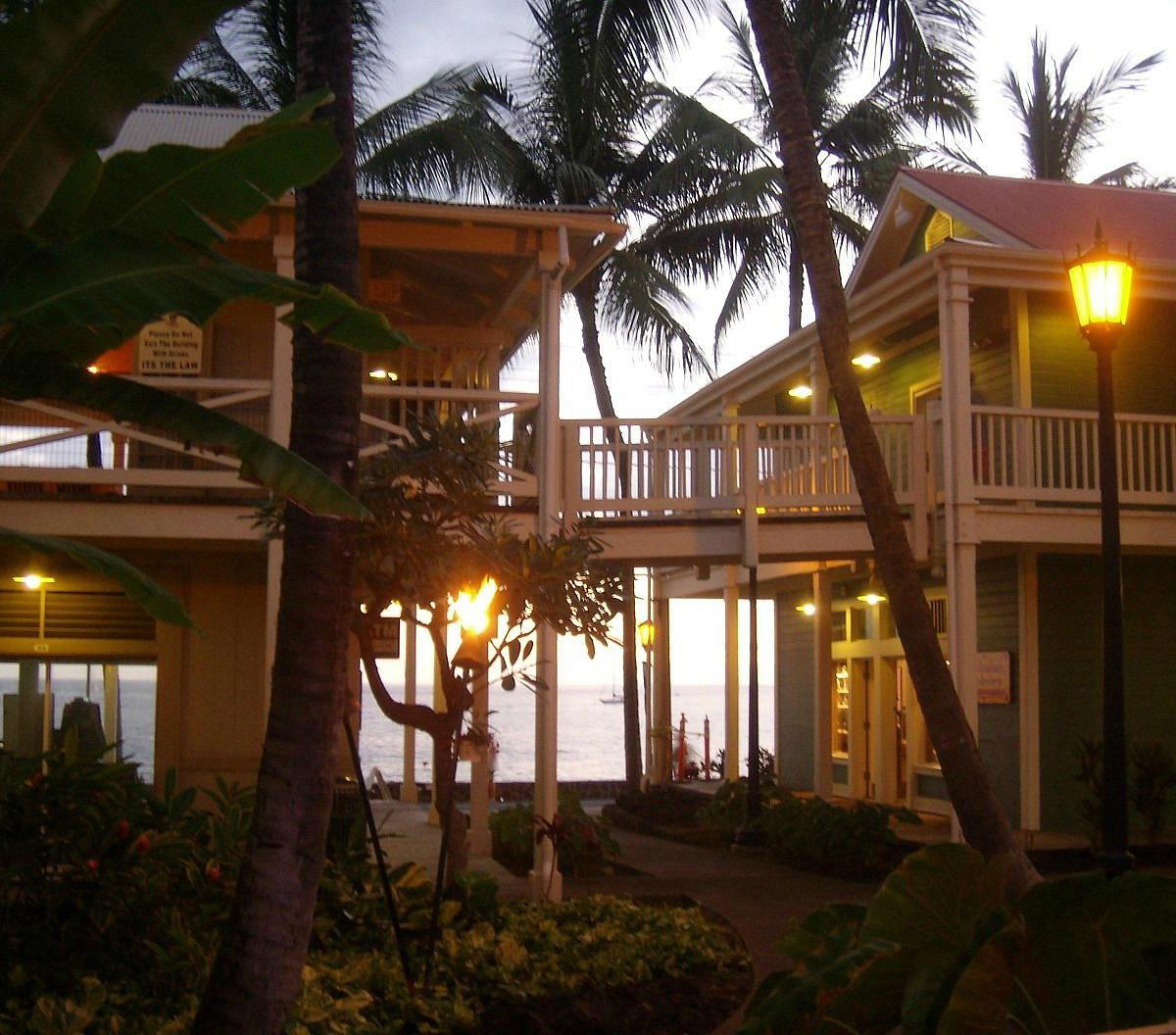
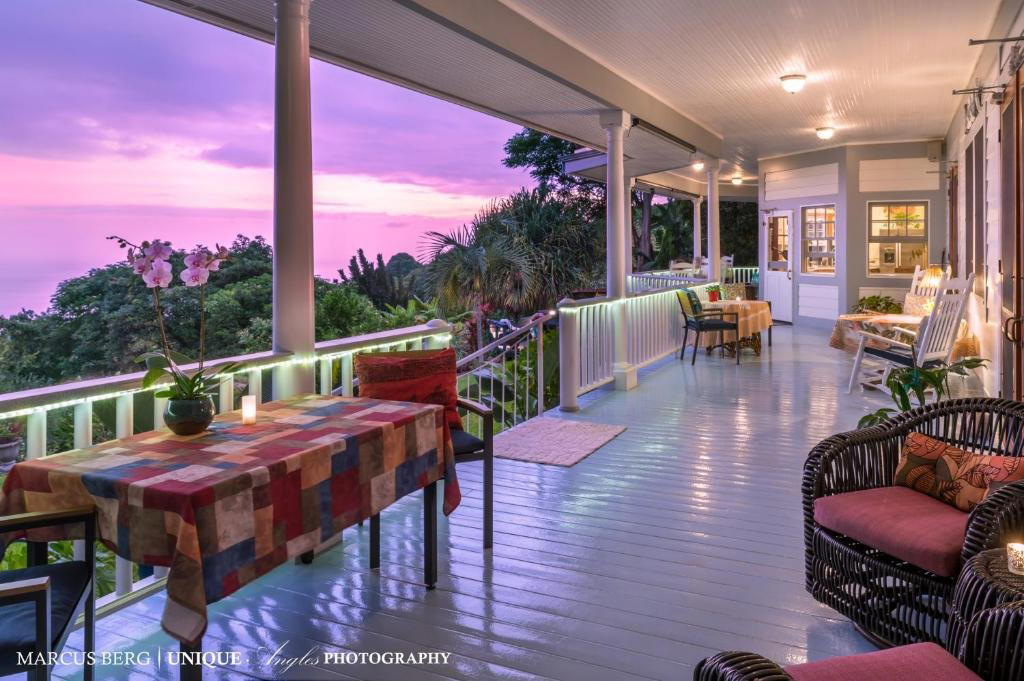
Lively and welcoming casual atmosphere with bold flavors and a garden area for outdoor dining.