Four Seasons Resort Hualalai



.png)



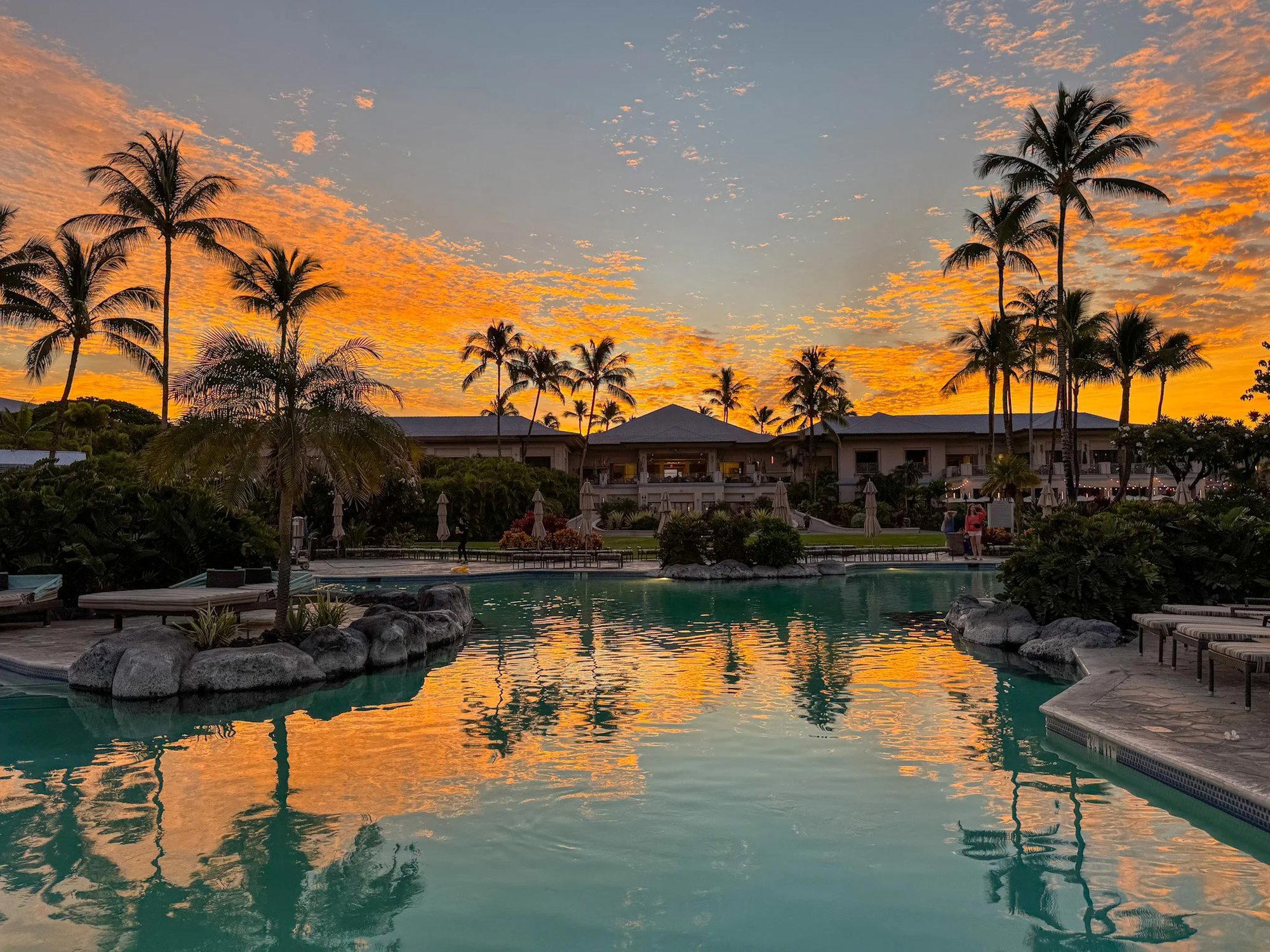
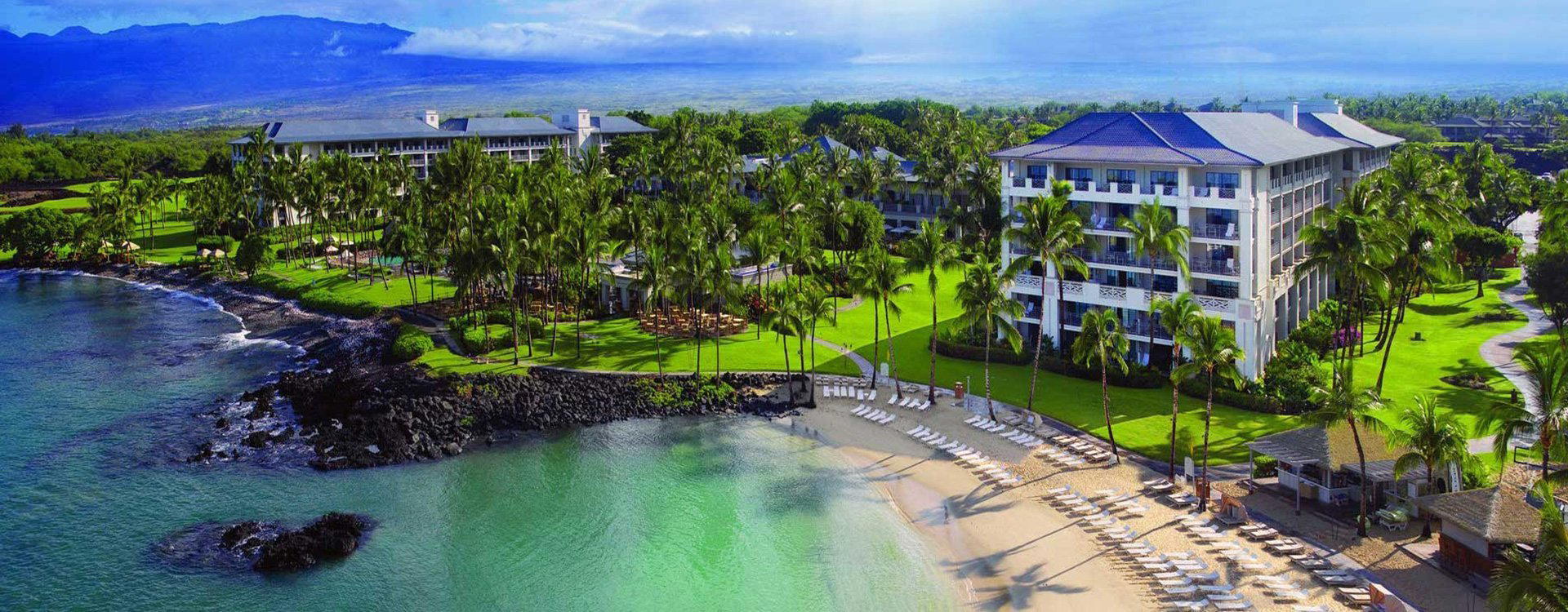
Set on the North Kona Coast against a backdrop of black lava and white sand, Four Seasons Resort Hualalai earned Michelin 2 Keys (2024) and a La Liste Top Hotels score of 98 points (2026). Its 249 rooms are arranged in low-slung bungalows designed to dissolve into the volcanic landscape, with five distinct neighbourhood clusters, eight pools, and a dining program that spans a seven-course omakase counter to a new steakhouse by Chef Tyler Florence.
 Discover on Pearl
Pearl is the En Primeur Club membership app — saves, bookings, and concierge access live there. Same editors, same standards.
- Address
- 72-100 Ka'upulehu Drive, Kailua-Kona, HI 96740
- Phone
- +1 808-325-8000
- Website
- fourseasons.com
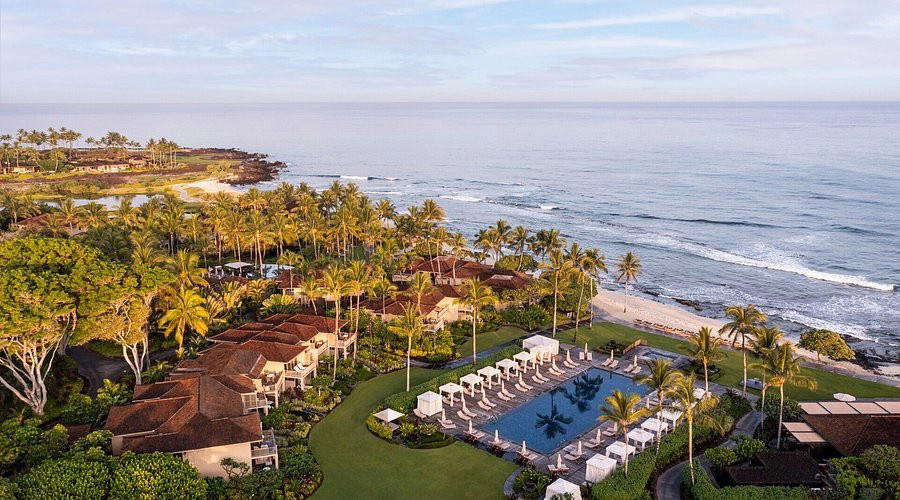
A Resort Built to Disappear Into Its Setting
On the Kona-Kohala coast of Hawaii Island, there is a design argument being made quietly and consistently: that luxury does not require verticality or grandeur of scale. Four Seasons Resort Hualalai commits to the horizontal. Low-slung two-story bungalows trace the contours of a volcanic coastline, set against black lava fields that push right to the edges of manicured gardens and white-sand beach. The resort received Michelin 2 Keys in 2024, credentials that place it in the same conversation as properties like Amangiri in Canyon Point and Post Ranch Inn in Big Sur, both of which take a similarly landscape-subordinate approach to construction.
The Big Island is, relative to Oahu and Maui, significantly under-traveled. That geographic fact shapes the character of the coast and the resort built upon it. The Kona-Kohala strip carries an unpretentious, unhurried register that distinguishes it from the more resort-dense shores of its neighbors, and Hualalai reflects that. There is no tower, no casino-scale atrium. Instead, the arrival sequence moves through an open-air lobby where rum punch is offered at check-in, setting a tone that is confident enough in its setting to avoid architectural showmanship.
Design Logic: Five Neighbourhoods, Eight Pools
The resort's 249 rooms and suites are distributed across five distinct neighbourhood clusters, each with its own spatial character. This format, common among premium low-density resorts, allows for a meaningful segregation of energy: family-active zones with direct beach access operate separately from quieter crescents better suited to couples or solo travelers. The adults-only Palm Grove Pool and the family-oriented Sea Shell Pool exist within the same property but occupy genuinely different atmospheres, a feat of site planning rather than signage.
Bungalow architecture draws on a specific visual language: slate floors, natural hardwood trim, rattan furnishings, and private lanais that extend the room outward into the landscape. Ground-floor bungalows include outdoor showers in walled garden enclosures, a detail that, in this volcanic setting, produces a sensory connection to place that interior rooms at tower hotels structurally cannot replicate. The Hawaiian artwork displayed throughout the rooms is not incidental decoration; it connects to the Ka'upulehu Cultural Center on property, which runs programs in star navigation, lauhala weaving, and Hawaiian language instruction.
Design philosophy here sits closer to the model used by Amangani in Jackson Hole or Ambiente in Sedona than to the urban luxury typology represented by, say, The Fifth Avenue Hotel in New York City or Aman New York. The terrain is the primary design material; architecture exists to frame it.
Dining Across Three Distinct Registers
Hawaii's premium resort dining has historically defaulted to broad Pacific Rim menus that gesture toward local ingredients without committing to them. Four Seasons Hualalai's dining program takes a more structured approach, dividing its three restaurants across clearly differentiated culinary formats rather than allowing them to overlap into a single blurred resort idiom.
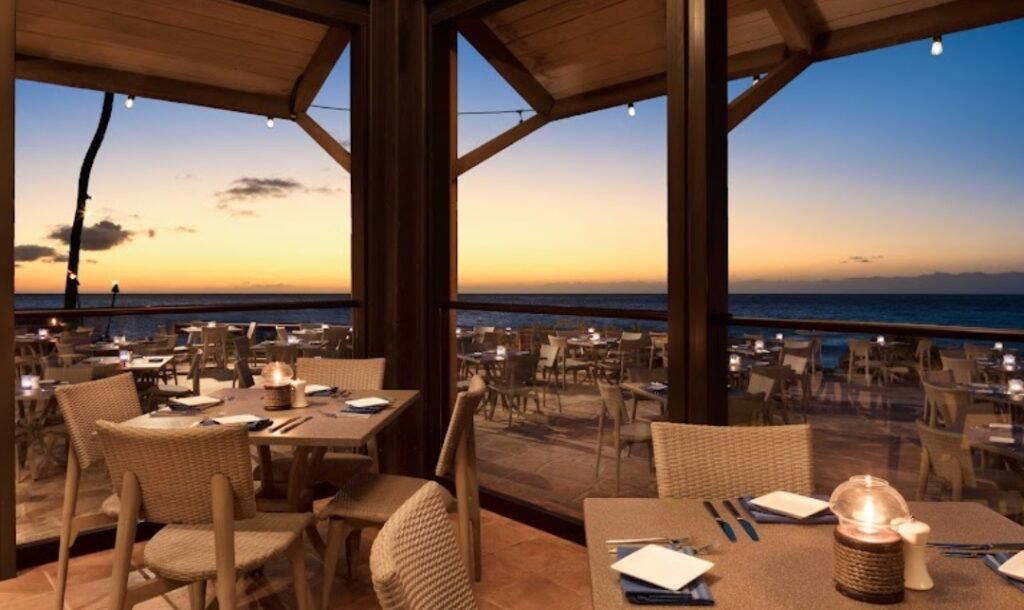
NOIO operates as a sushi lounge and omakase counter, offering a seven-course format that places it in the specialist tier of Hawaii Island dining. ULU runs an Asian-Pacific menu and has, according to Pearl editorial, earned a reputation as one of the more romantic dining settings on the island. Beach Tree Restaurant operates on a Tuscan cucina rustica format, a choice that is counterintuitive in a Hawaiian setting but gives the restaurant a defined identity rather than a catch-all Pacific fusion approach. Miller and Lux Hualalai, the newest addition, is a steakhouse concept by Chef Tyler Florence, drawing its menu framework from the bounty of Hawaii Island specifically. A hand-selected wine list and seasonal cocktail program support the food program across the dining outlets.
The overall dining approach mirrors what properties like Bernardus Lodge in Carmel Valley and Auberge du Soleil in Napa have pursued: using the region's agricultural and coastal output as a primary menu driver, with programming that shifts across the week to reflect seasonal change.
The King's Pond and the Spa Acre
Among the eight pools on property, the King's Pond is the most architecturally singular: a 1.8-million-gallon structure holding more than 1,000 species of tropical fish. It functions as a snorkeling environment within the resort footprint, which is a meaningful distinction from the standard infinity-pool-meets-ocean formula common to properties in this tier. The Beach Tree Pool serves as the social anchor of the resort, staffed with pool attendants who circulate with water spritzes, sunscreen, and ice cream on a consistent cadence.
The spa covers 28,000 square feet across open-air and enclosed indoor settings. Its apothecary component, which allows guests to select natural ingredients for use in their treatments, reflects the broader design logic of the resort: putting the guest in direct contact with local materials rather than delivering a standardized treatment protocol. The Hualalai Sports Club adds 15,000 square feet of fitness infrastructure including a yoga studio, a four-lane lap pool, a tennis pavilion with seven courts, three pickleball courts, and a 1,300-square-foot fitness center.
Properties that operate at this facilities depth, covering sports, spa, cultural programming, and multiple dining concepts within a single campus, tend to attract guests who want to remain on property across a multi-day stay rather than using the hotel purely as a base. Blackberry Farm in Walland and SingleThread Farm Inn in Healdsburg operate on a similar logic, albeit in very different geographies. Among Hawaii-specific comparisons, Kona Village, a Rosewood Resort, occupies the same North Kona Coast corridor and represents the nearest direct competitive reference.
Golf at Elevation
The Hualalai Golf Course runs 7,100 yards and moves through three distinct terrain types: a lush kipuka interior, fairways contoured across black lava fields, and oceanside finishing holes. The sequence is not purely aesthetic design; the lava terrain requires a specific kind of shot discipline that courses built on more forgiving land do not demand. The Hualalai Golf Hale is a 3,000-square-foot instruction facility at the driving range, equipped with a Full Swing simulator and TrackMan launch monitors, supporting both recreational and development-focused play.
Planning Your Stay
Four Seasons Resort Hualalai is located at 72-100 Ka'upulehu Drive on the North Kona Coast. Upon arrival at Kona International Airport, suite guests receive complimentary roundtrip airport transfers coordinated by a Four Seasons representative. Published room rates begin at approximately $1,200 per night. The Forbes Travel Guide has awarded the property Five Stars. The resort holds a Pearl Recommended Hotel designation for 2025, and the Michelin 2 Keys recognition, awarded in 2024, positions it in a small group of U.S. resort properties that have received that distinction since the Guide's U.S. hotel program launched.
For travelers building a wider Hawaii Island itinerary or comparing the Kona Coast against other premium Pacific destinations, our full Kailua Kona restaurants and hotels guide covers the broader area. Travelers weighing nature-integrated resort formats elsewhere in the U.S. may also consider Little Palm Island Resort in Little Torch Key, Sage Lodge in Pray, or Canyon Ranch Tucson as reference points in different climate zones. Urban alternatives in the Four Seasons portfolio, such as Four Seasons at The Surf Club in Surfside, offer a different brand register for those who want the operational standard without the remote-coast geography.
At-a-Glance Comparison
Comparable venues nearby, for context on price, style, and recognition.
| Venue | Awards |
|---|---|
| Four Seasons Resort HualalaiThis venue — the venue you are viewing | Michelin 2 Key |
| Aman New York | Michelin 3 Key |
| Amangiri | Michelin 3 Key |
| Hotel Bel-Air | Michelin 3 Key |
| The Beverly Hills Hotel | Michelin 3 Key |
| The Carlyle, A Rosewood Hotel | Michelin 2 Key |
Continue exploring
More in Kailua Kona
Hotels in Kailua Kona
Browse all →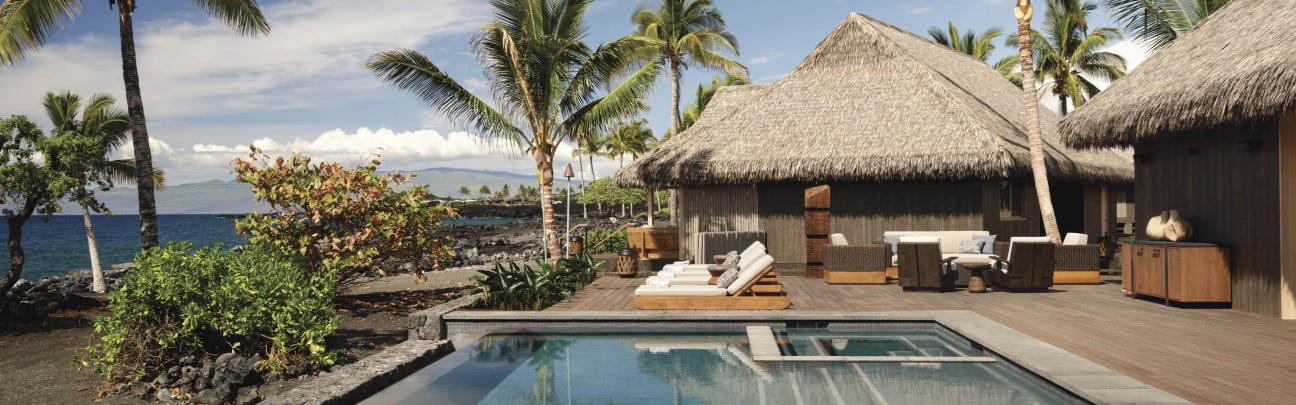
Bars in Kailua Kona
Browse all →

At a Glance
- Romantic
- Scenic
- Elegant
- Sophisticated
- Honeymoon
- Romantic Getaway
- Family Vacation
- Wellness Retreat
- Anniversary
- Destination Wedding
- Beachfront
- Infinity Pool
- Destination Spa
- Golf Course
- Waterfront
- Garden
- Panoramic View
- Private Dining
- Wifi
- Pool
- Spa
- Fitness Center
- Room Service
- Concierge
- Valet Parking
- Ev Charging
- Kids Club
- Beach Access
- Golf Course
- Tennis Courts
- Water Sports
- Cultural Center
- Waterfront
- Garden
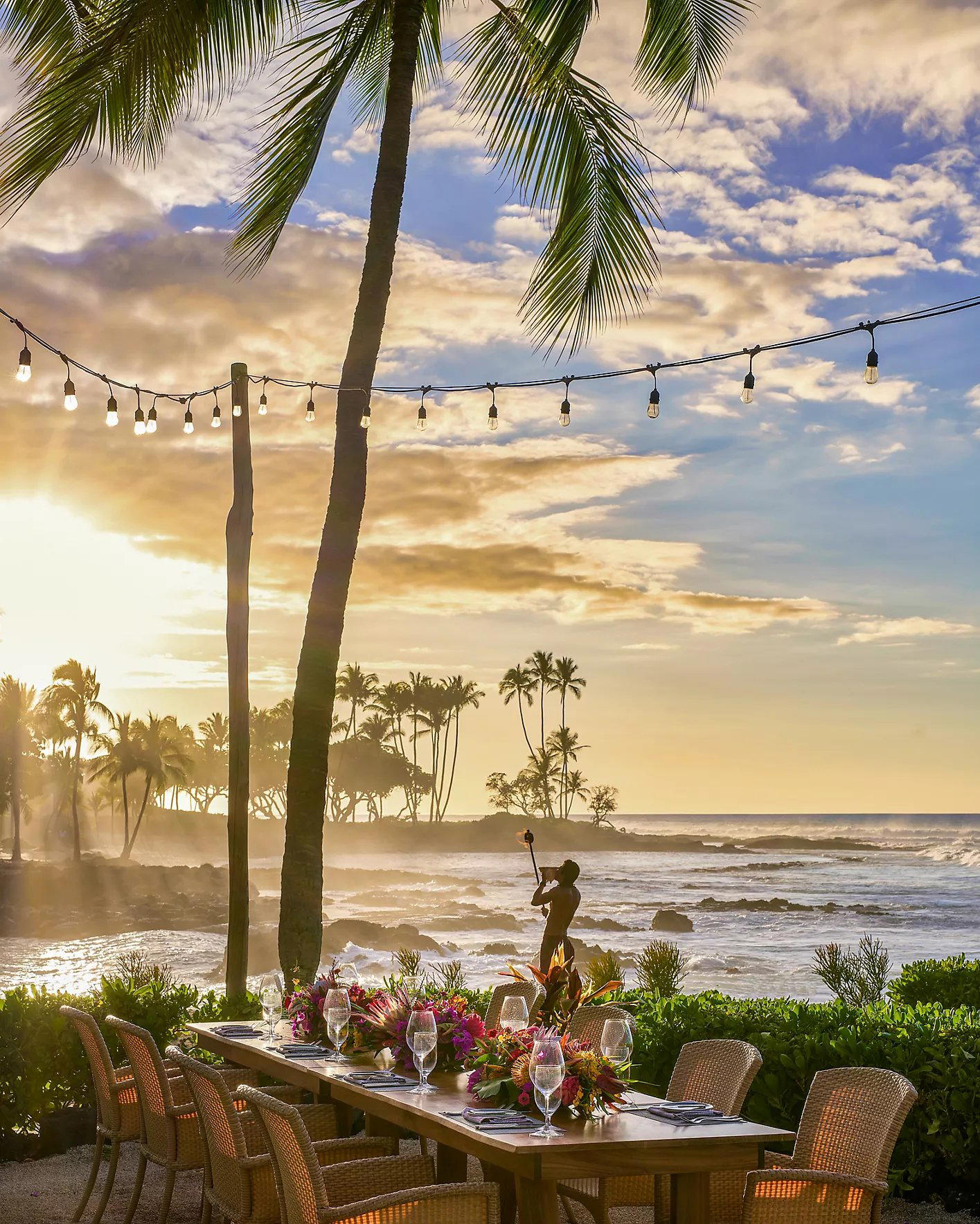
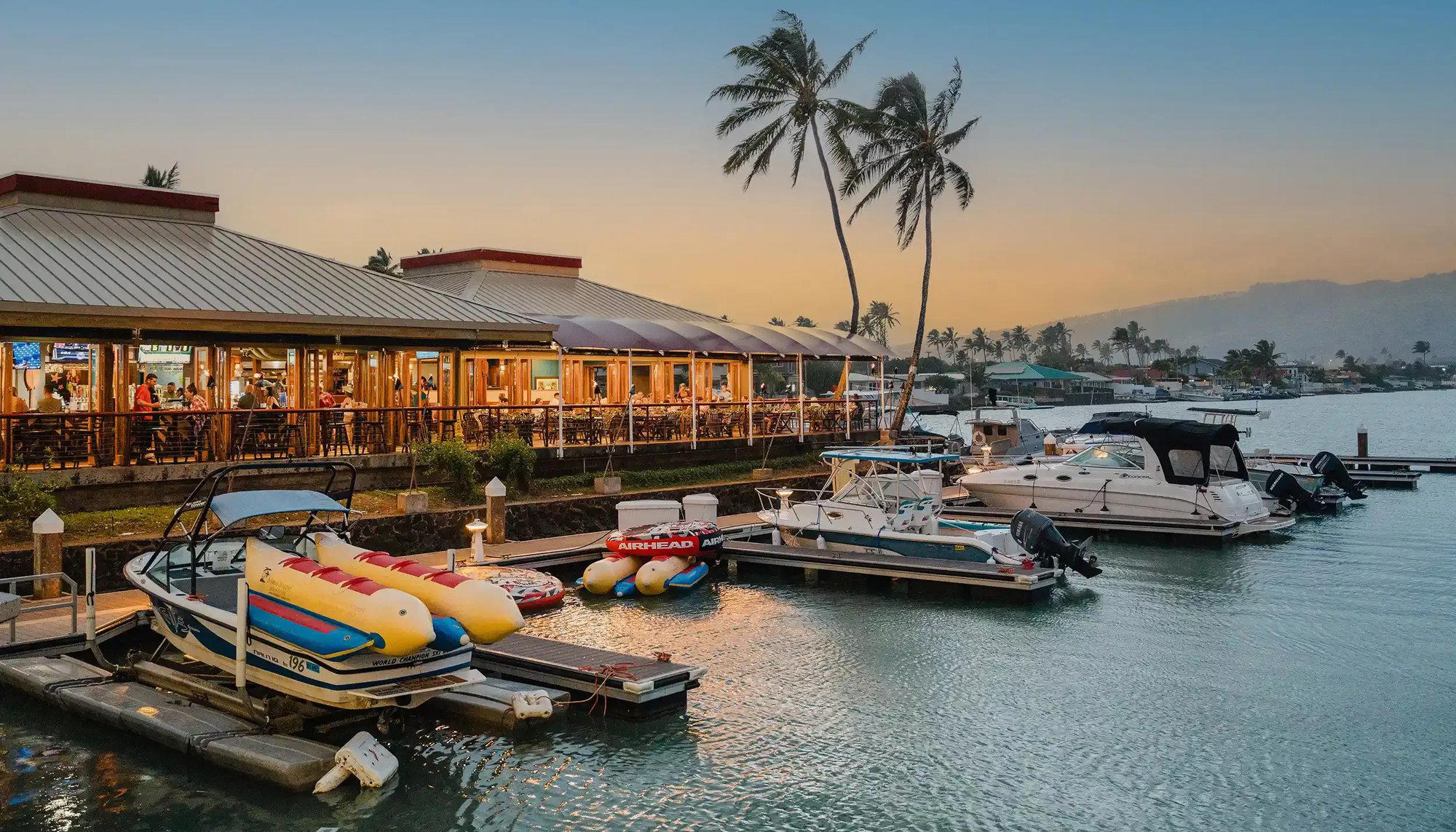
Serene tropical setting with indoor-outdoor design, lush gardens, natural light, and ocean views creating a relaxed yet refined Hawaiian atmosphere.