Hong Kong Chop Suey
On the Mamalahoa Highway in Captain Cook, Hong Kong Chop Suey occupies a quiet stretch of South Kona where Chinese-American cooking has long served the working communities of Hawaii's Big Island. The restaurant sits within a dining scene defined more by agricultural abundance than culinary ambition, making it a useful reference point for understanding how immigrant food traditions took root in rural Hawaii.
Pearl is the En Primeur Club membership app — saves, bookings, and concierge access live there. Same editors, same standards.
- Address
- 82-6066, 8204, 82-6066 Mamalahoa Hwy, Captain Cook, HI 96704
- Phone
- +18083233373
- Directions
- Get directions
 Saves & bookings on Pearl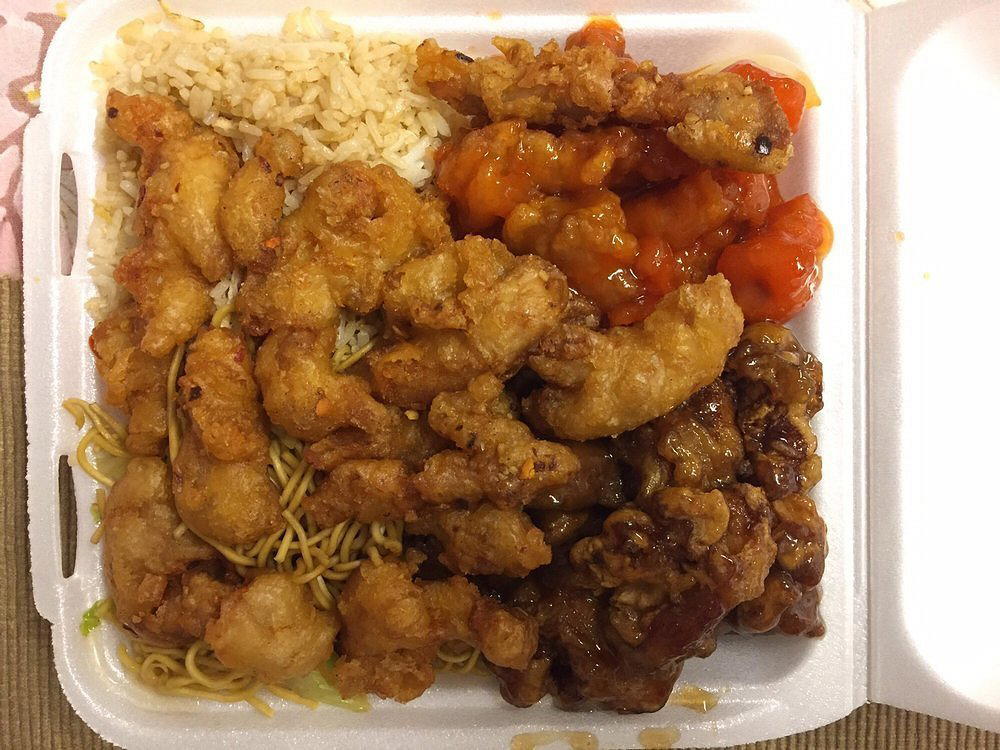
Chinese-American Cooking on the Kona Side
South Kona's dining scene does not announce itself. The Mamalahoa Highway passes through coffee farms, macadamia orchards, and small towns where restaurants tend to serve the people who live there rather than those passing through. Captain Cook sits at roughly 1,400 feet elevation on the slopes of Mauna Loa, and the agriculture that surrounds it shapes what ends up on local tables. Hong Kong Chop Suey occupies a specific position in that context: a Chinese-American restaurant on a highway corridor where this style of cooking has served the area's multiethnic working population for decades.
The broader pattern is worth understanding. Chinese immigrants arrived in Hawaii in significant numbers during the plantation era of the nineteenth century, and the food traditions they brought adapted over generations to local ingredients and mixed-community palates. What emerged across the islands was a version of Chinese-American cooking that drew on Cantonese techniques while incorporating the produce and proteins available in the Hawaiian Islands. In small towns like Captain Cook, these restaurants became fixtures, operating alongside Japanese, Filipino, and local plate lunch spots that reflect the layered immigration history of the islands.
Ingredient Context: What the Kona Belt Offers
The ingredient story in South Kona is more interesting than the elevation might suggest. The volcanic soil and consistent rainfall on the western slopes of the Big Island produce some of Hawaii's most documented agricultural output. Kona coffee is the most recognized export, but the same conditions support taro cultivation, tropical fruit production, and small-scale vegetable farming. For a Chinese-American kitchen drawing on local supply, the raw material available in this corridor is substantively different from what a comparable restaurant in Honolulu or the continental United States would access.
Chinese culinary tradition, particularly the Cantonese branch that most heavily influenced Hawaiian Chinese cooking, has always prioritized fresh produce and seafood over heavy saucing. That orientation fits naturally with what South Kona grows. The Pacific waters off the Kona Coast also support a fishing economy that has historically supplied local restaurants with ahi, mahi-mahi, and other species that appear in adapted Chinese-Hawaiian dishes across the region. Whether any specific sourcing relationship exists at this address is not information we can confirm, but the regional context makes the question worth asking when you visit.
Captain Cook's Dining Character
To understand Hong Kong Chop Suey, it helps to place it within the wider Captain Cook dining scene. The town is not a destination dining hub in the way that Kailua-Kona or Hilo function. Its restaurants reflect local economic and demographic reality: practical, community-serving, and shaped by the agricultural and working-class character of South Kona. Manago Restaurant, which has operated on this same highway since 1917, represents the most historically documented version of this tradition, having served Japanese-influenced plate lunches to locals and travelers for over a century. Da Bomb Grindz occupies the casual Hawaiian plate lunch category. The Coffee Shack draws visitors specifically for its panoramic views and Kona coffee focus. Hong Kong Chop Suey fills a different slot: the Chinese-American format that became standard infrastructure in Hawaii's small-town dining economy.
This is a useful contrast to the direction premium American dining has taken elsewhere. Restaurants like Blue Hill at Stone Barns in Tarrytown or Single Thread Farm in Healdsburg have built formal, high-investment frameworks around farm-to-table sourcing philosophies. At the other end of that spectrum, Chinese-American restaurants in agricultural communities like Captain Cook have been doing a version of place-based cooking for generations, without the accompanying editorial apparatus. The ingredient relationships exist; the marketing language does not.
Chinese-American Food as Immigrant Infrastructure
The chop suey format itself has a documented history worth noting. The dish and the restaurant style associated with it spread through the continental United States and Hawaii as Chinese communities established themselves in cities and small towns throughout the late nineteenth and early twentieth centuries. Chop suey restaurants became a form of economic entry point, offering familiar protein-and-vegetable combinations at prices that working populations could afford. In Hawaii, this history intersects with plantation labor patterns, where Chinese, Japanese, Filipino, Portuguese, and Korean workers lived and ate in proximity, producing a food culture defined by exchange and adaptation.
The name Hong Kong Chop Suey carries both geographic and historical weight. Hong Kong was, through much of the twentieth century, the primary transit point and cultural reference for Cantonese-speaking communities abroad. Restaurants invoking that name positioned themselves within a specific culinary lineage, one emphasizing Cantonese technique over the heavily Americanized versions of Chinese food that became common in mainland U.S. cities. Whether that distinction is maintained at this address is something a visit would clarify; the address on Mamalahoa Highway places it in a food tradition with a clear historical through-line.
Planning a Visit
Hong Kong Chop Suey sits at 82-6066 Mamalahoa Highway in Captain Cook, on the highway that connects the South Kona region from Kailua-Kona down toward Na'alehu. Current hours, pricing, and reservation policies are not confirmed in available records, so contacting the restaurant directly before making a specific trip is advisable, particularly if you are traveling from further along the coast. The South Kona stretch of the Mamalahoa Highway rewards unhurried travel: the elevation, the coffee farm scenery, and the concentration of locally-operated restaurants make it a more substantive route than the coastal highway alternative. For a fuller picture of what Captain Cook offers across dining categories, our full Captain Cook restaurants guide maps the options by format and character.
Visitors whose primary interest is in understanding Hawaii's food traditions across registers, from community Chinese-American spots to the premium sourcing-forward restaurants that have drawn national attention, might also find it useful to note how differently this tradition reads against restaurants like Le Bernardin in New York City, Providence in Los Angeles, or The French Laundry in Napa. Those restaurants operate inside a formalized critical economy with documented awards and long reservation queues. A highway-facing Chinese-American restaurant in a South Kona town of a few thousand people operates by entirely different metrics, and the comparison is instructive rather than hierarchical.
- char siu pork
- duck dinner
- egg foo young
- wor ton min
- ma po tofu
- shrimp fu young
Continue exploring
More in Captain Cook
Restaurants in Captain Cook
Browse all →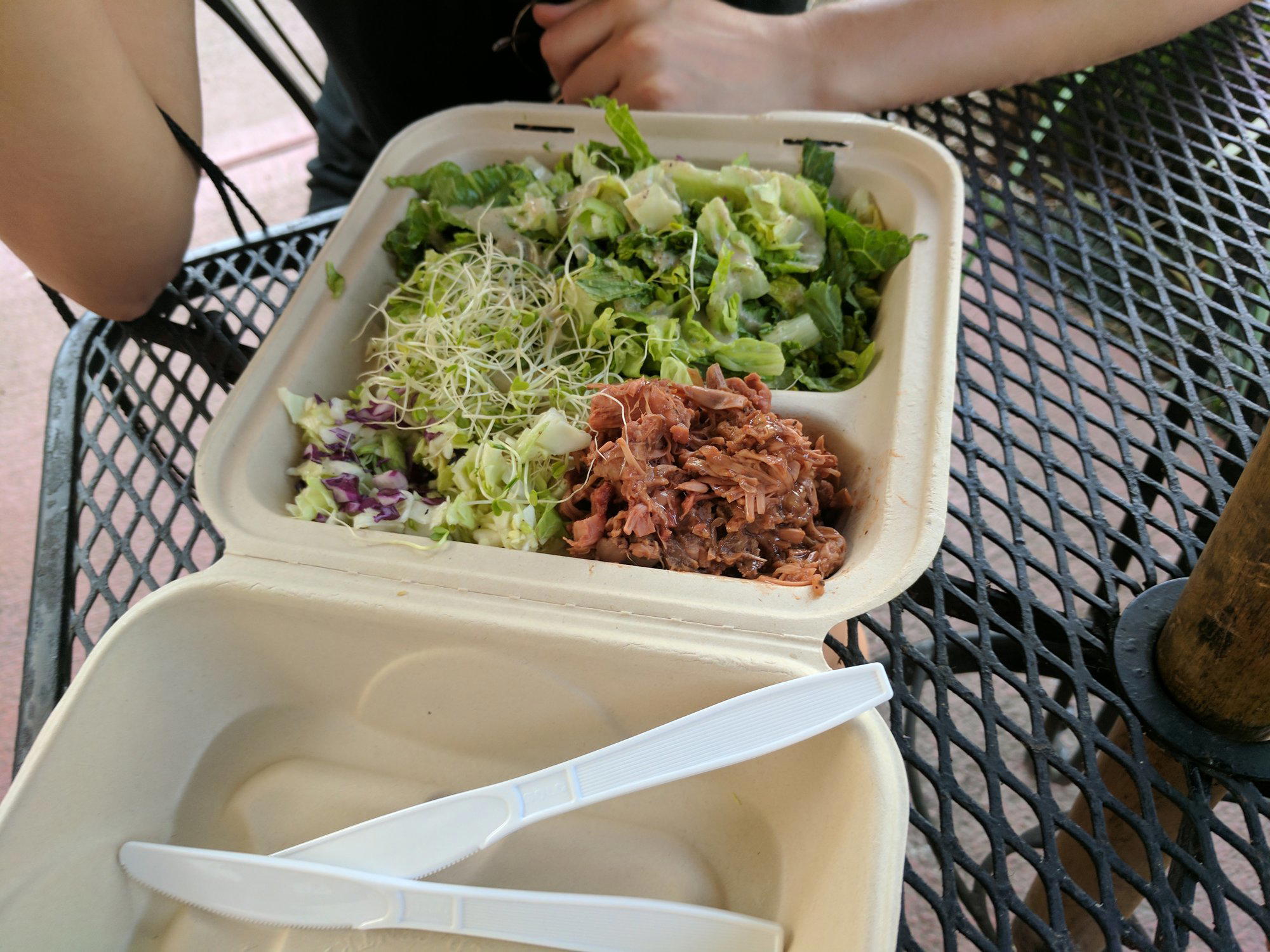
Bars in Captain Cook
Browse all →
At a Glance
- Casual
- Classic
- Rustic
- Casual Hangout
- Family
- Group Dining
- Beer Program
Current opening hours
- Monday
- 10 AM–8 PM
- Tuesday
- 10 AM–8 PM
- Wednesday
- 10 AM–8 PM
- Thursday
- 10 AM–8 PM
- Friday
- 10 AM–8 PM
- Saturday
- 10 AM–8 PM
- Sunday
- 10 AM–8 PM
Hours can change for holidays and private events. Last verified .
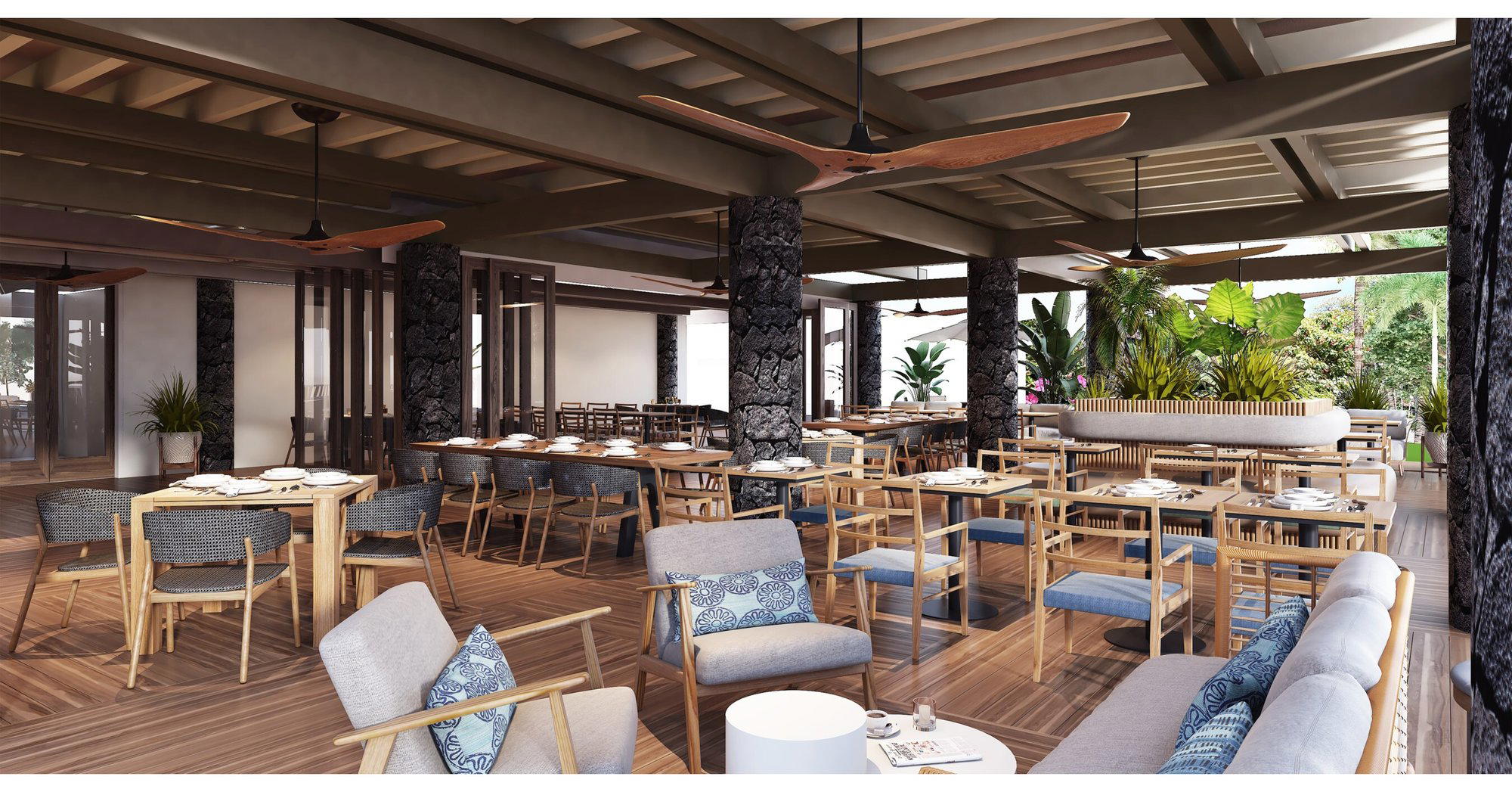
Unpretentious dining room with basic furnishings; nothing fancy but accommodates both small and large parties across two rooms. Casual, no-frills atmosphere focused on food quality over ambiance.
Know Before You Go
- Getting there
- 82-6066, 8204, 82-6066 Mamalahoa Hwy, Captain Cook, HI 96704