Ravine Vineyard Estate Winery
Our verdict
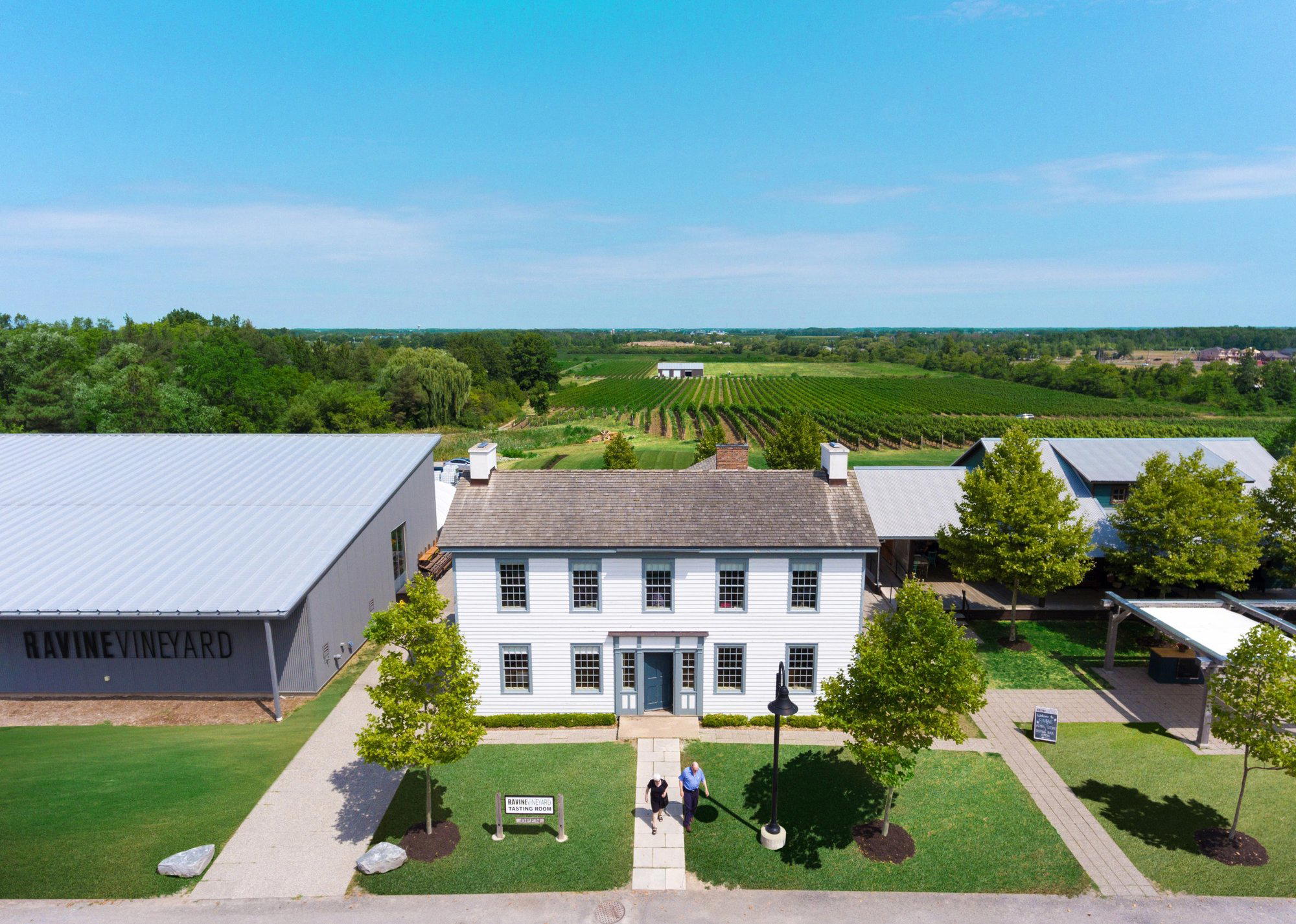
Ravine Vineyard Estate Winery sits on York Road in St.

Pearl is the En Primeur Club membership app — saves, bookings, and concierge access live there. Same editors, same standards.
- Address
- 1366 York Rd, St. Davids, ON L0S 1P0, Canada
- Phone
- (905) 262-8463
- Hours
- Mon–Thu 12–6 PMFri–Sat 12–7 PMSun 12–6 PM
- Website
- ravinevineyard.com
- Directions
- Get directions
The menu
What to order
- Duck confit
- Coq au vin
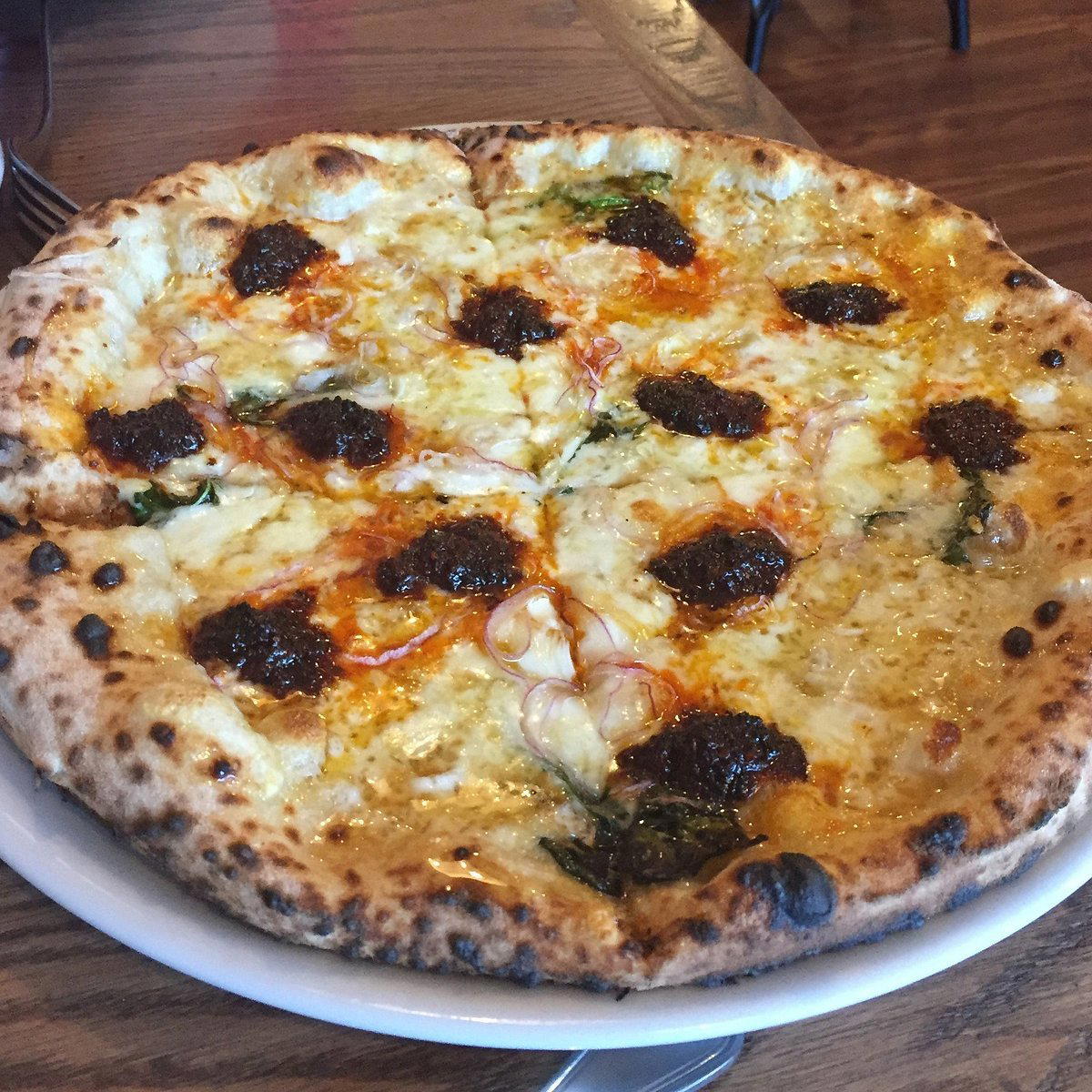
- Wood-fired pizza
The Bench Country Behind the Tourist Strip
The Niagara Peninsula's wine identity has always been contested territory. For decades, the region leaned heavily on its ice wine reputation, a reliable export story that overshadowed its quietly developing table wine ambitions. That has shifted. The Niagara Escarpment and its sub-appellations — St. Ravine Vineyard Estate Winery occupies a historically grounded property on York Road in St.
St. The bench geography here delivers a different growing profile: better air drainage, older soils, and a diurnal range that preserves acidity in the fruit. Wineries that put down roots in this sub-region tend to position themselves as estate-driven and production-focused rather than tourism-dependent, a meaningful distinction in a corridor where cellar doors can sometimes feel interchangeable with one another.
Estate Winemaking as a Cultural Practice in Ontario
Ontario's wine culture has a compressed history relative to the Old World appellations it increasingly references. The Vintners Quality Alliance (VQA) framework, which mandates 100 percent Ontario-grown grapes for estate-designated wines, only gained traction in the late 1980s. What makes the current generation of Niagara producers interesting is how quickly the region has moved from regulatory compliance to genuine terroir expression, a transition that took Burgundy and the Rhône centuries to codify.
Estate wineries operating within VQA's strictest designations face a different set of constraints and ambitions than their blending-focused counterparts. Every vintage is a record of that specific property's year: its frost dates, its rainfall, its vine age. This accountability to place is something that properties across the Niagara Peninsula have begun to treat as a selling point rather than a limitation. For visitors accustomed to the global wine trade's blending logic, tasting through a single estate's library is a usefully different experience. Comparable operations in the region, including Kitchen76 at Two Sisters Vineyards, have built similar estate-dining formats that tie food closely to the land producing the wine. Restaurant Pearl Morissette in Lincoln, just along the Escarpment, has developed an internationally noted profile precisely because its menu and cellar operate as a single argument about place. That model, where the estate is the concept, not just the backdrop, is what serious wine-country dining has been converging on nationally.
Dining in the Vineyard Context
The broader Niagara-on-the-Lake restaurant scene has professionalized considerably over the past decade. What was once a fairly thin cluster of hotel dining rooms and tourist-facing trattorias now includes operations with genuine culinary ambition. Aura On The Lake and Benchmark represent the hotel-anchored end of that range, while Cannery Restaurant and HOBNOB Restaurant occupy different positions in the town's dining register. Estate wineries like Ravine sit in a separate tier, where the relationship between what's grown on the property and what's served at the table is structurally central rather than incidental.
The cultural logic of vineyard dining is worth understanding on its own terms. In the Napa Valley model, winery restaurants have often been used as revenue diversification tools, sometimes disconnected from the actual wine program. In Niagara, the most credible operations have resisted that drift, using their dining formats to deepen the estate narrative rather than simply capture visitor spend. Whether Ravine's specific offering achieves that integration at the level of, say, the farm-to-table programming at Eigensinn Farm in Singhampton and Alo in Toronto represent the urban pole of Canadian fine dining ambition, where tasting-menu discipline and wine program depth are the core arguments. Estate venues in wine country occupy a different register: the case for visiting is rooted in land, season, and locality rather than culinary technique alone. AnnaLena in Vancouver and Jérôme Ferrer - Europea in Montreal are city-anchored operations competing on entirely different terms.
The St. Visitors don't arrive here by accident. The property sits outside the tourist-dense blocks of Niagara-on-the-Lake's old town, which means the clientele tends toward the purposeful: wine tourists with an itinerary, Ontario residents making a weekend of the Bench, and visitors who've done enough research to distinguish sub-appellations. That self-selection shapes the atmosphere at estate wineries in a way that is difficult to replicate at a town-centre restaurant.
Across the broader Escarpment, properties that have committed to this kind of location-as-identity argument have generally fared better over time than those that rely on proximity to tourist infrastructure. The Pine in Creemore operates on a comparable logic in a different Ontario context: destination-first, with the surrounding landscape as part of the value exchange. The parallel holds in international terms, Lazy Bear in San Francisco and Le Bernardin in New York City are both destination operations, though their arguments for the detour are built on entirely different foundations.
For visitors assembling a Niagara itinerary, the practical question is sequencing. The St. See our full Niagara On The Lake restaurants guide for a broader view of how the region's dining and wine options map across its sub-zones.
Planning a Visit
Ravine Vineyard is located at 1366 York Road in St. Given the estate's position within a growing-season-dependent operation, visiting in summer through early autumn, when the vines are active and any kitchen program is drawing on the freshest local produce, is the logical timing. Booking ahead is advisable for any winery-restaurant format in this corridor during the July-to-October peak, when Niagara's tourist load is at its highest and estate venues fill earlier than town-centre alternatives. Specific hours, pricing, and current booking availability should be confirmed directly with the property before visiting.
Frequently asked questions
What's Ravine Vineyard Estate Winery's location?
Ravine Vineyard Estate Winery is located at 1366 York Rd, St. Davids, ON L0S 1P0, Canada, Niagara On The Lake.
How does Ravine Vineyard's St. Davids location differ from other Niagara-on-the-Lake wineries?
Most visitors to Niagara-on-the-Lake default to the properties along the main wine route closest to town, which are heavily oriented toward throughput and retail. Ravine Vineyard's position at 1366 York Road in St. Davids places it on the escarpment bench — a distinct microclimate within the Niagara Peninsula that viticulture-focused producers have long considered preferable for variety expression. The separation from the commercial core means the estate functions more as a destination in its own right than as one stop on a packaged tour circuit.
What's the must-try dish at Ravine Vineyard Estate Winery?
What the St. Davids address does signal is an estate context where food is typically anchored to the property and its agricultural surroundings, consistent with how Niagara's better vineyard kitchens have developed over the past decade. Contacting the estate directly at 1366 York Road before visiting is the most reliable way to confirm seasonal offerings.
Should I book Ravine Vineyard Estate Winery in advance?
Given that Ravine Vineyard sits off the main Niagara-on-the-Lake tourist corridor in St. Davids, it draws a visitor who has made a deliberate choice to be there — which means capacity at the estate fills on its own terms rather than through foot traffic. Advance booking for any dining or tasting component is advisable, particularly during summer and harvest season when Niagara vineyard properties see concentrated demand. Reaching out to the estate at 1366 York Road ahead of your visit is the safest approach.
What makes Ravine Vineyard Estate Winery worth seeking out?
The address itself is part of the answer: 1366 York Road, St. Davids places Ravine Vineyard away from the commercial strip in Niagara-on-the-Lake, on the bench country that producers and informed visitors consider the more serious agricultural ground of the peninsula. Estate wineries operating in this zone are working with site-specific conditions that the VQA framework in Ontario was designed to recognise and protect. That separation from the tourist cluster is a deliberate signal about the property's priorities.
Cost and Credentials
Comparable venues nearby, for context on price, style, and recognition.
| Venue | Cuisine | Price | Notes |
|---|---|---|---|
| Ravine Vineyard Estate WineryThis venue — the venue you are viewing | Farm-to-Table Canadian Bistro | $50–100 | Not listed |
| The Drawing Room | Traditional English High Tea | $50–100 | Niagara-on-the-Lake, Traditional English High Tea |
| Benchmark | Contemporary American with Seasonal Seafood | $30–50 | Niagara-on-the-Lake, Contemporary American with Seasonal Seafood |
| Queenston Heights Restaurant | Contemporary Canadian Fine Dining | Not listed | Queenston, Contemporary Canadian Fine Dining |
| HOBNOB Restaurant | Contemporary French with Regional Flair | $50–100 | Niagara-on-the-Lake, Contemporary French with Regional Flair |
| Peller Estates Winery And Restaurant | Farm-to-Table Niagara Fine Dining | $50–100 | Niagara-on-the-Lake, Farm-to-Table Niagara Fine Dining |
Continue exploring
More in Niagara-on-the-Lake
Restaurants in Niagara-on-the-Lake
Browse all →
Bars in Niagara-on-the-Lake
Browse all →
Hotels in Niagara-on-the-Lake
Browse all →

Ravine Vineyard Estate Winery
The wine
- Wine program
- Exceptional wine program
- Extensive wine list
- Sommelier-led
Details
- Rustic
- Scenic
- Cozy
- Elegant
- Romantic
- Date Night
- Special Occasion
- Group Dining
- Garden
- Terrace
- Historic Building
- Extensive Wine List
- Sommelier Led
- Farm To Table
- Organic
- Local Sourcing
- Vineyard
- Garden
- A La Carte
- Small Plates
- Wine
- Vegetarian Friendly
- Vegan Options
- Gluten Free Options
Current opening hours
- Monday
- 12–6 PM
- Tuesday
- 12–6 PM
- Wednesday
- 12–6 PM
- Thursday
- 12–6 PM
- Friday
- 12–7 PM
- Saturday
- 12–7 PM
- Sunday
- 12–6 PM
Hours can change for holidays and private events. Last verified .
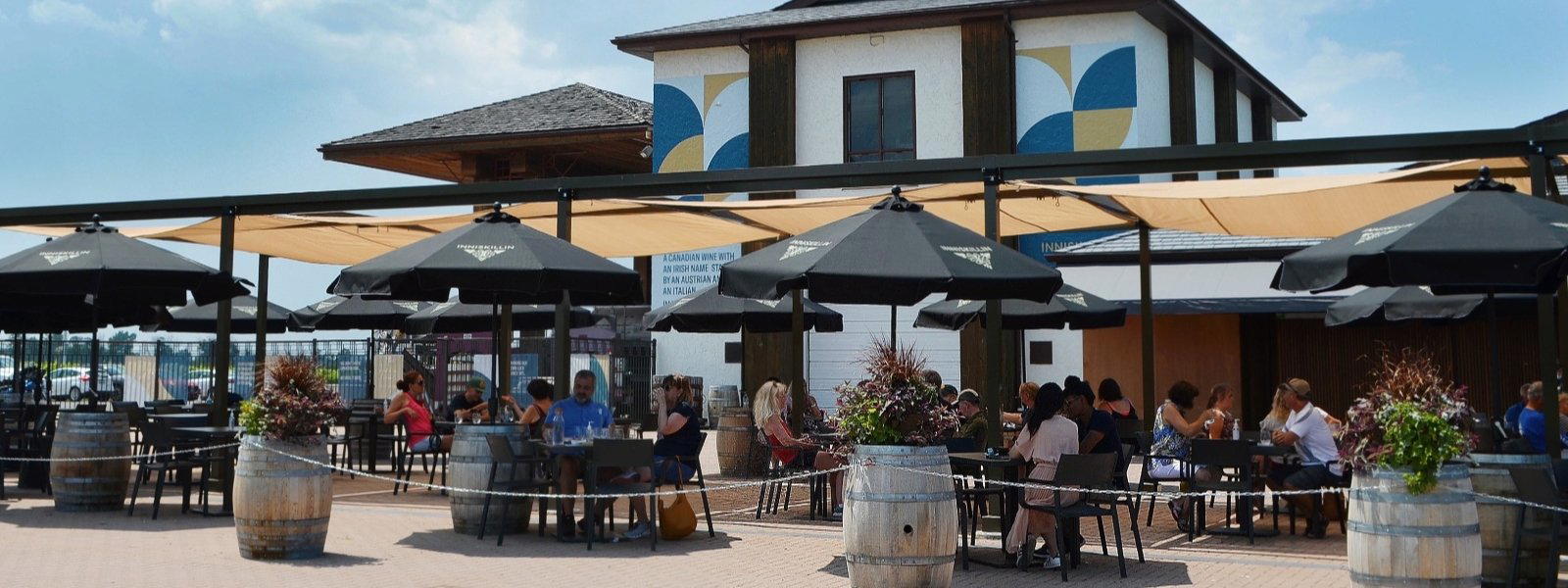
Refined rustic ambiance with country charm, relaxed feel inside or on the back porch amid rolling organic vineyards.