Rao's
Rao's on Collins Avenue in Miami Beach carries one of Italian-American dining's most recognized names into South Florida's restaurant scene. The original East Harlem location built its reputation over more than a century on red-sauce tradition and a famously difficult reservation system. This Hollywood outpost extends that legacy to a new coast, placing it among the more storied brand expansions in American Italian dining.
Pearl is the En Primeur Club membership app — saves, bookings, and concierge access live there. Same editors, same standards.
- Address
- 1601 Collins Ave, Miami Beach, FL 33139
- Phone
- (305) 404-7267
- Website
- raosonmiamibeach.com
- Directions
- Get directions
 Saves & bookings on Pearl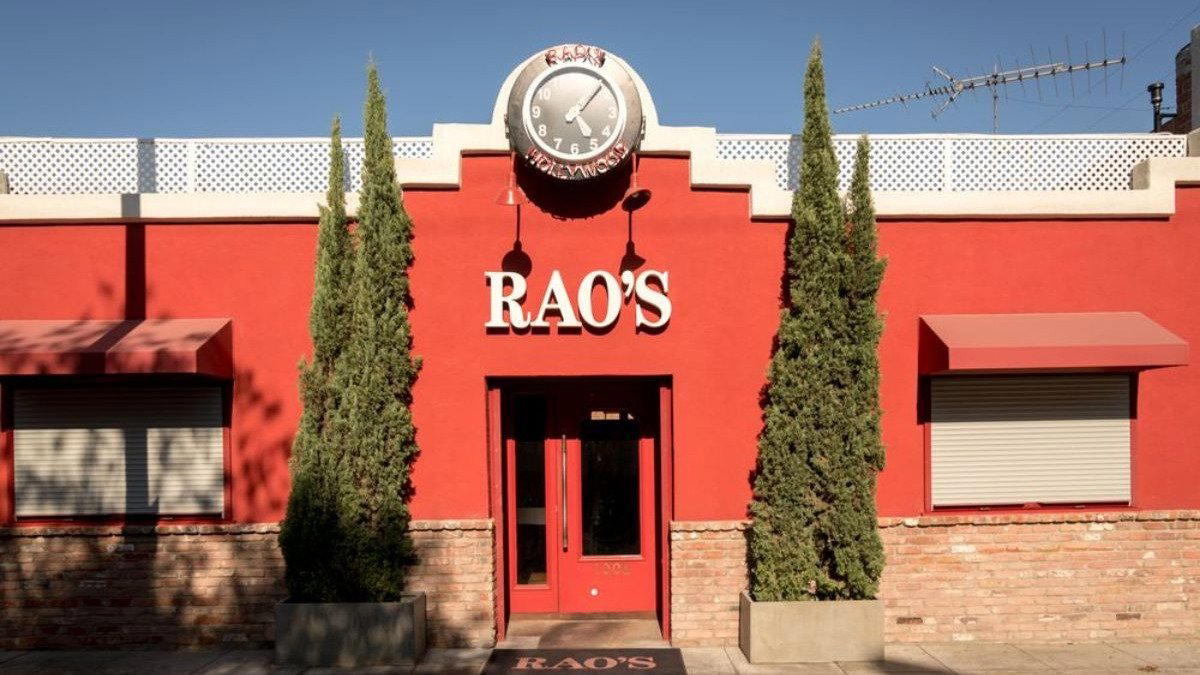
Red-Sauce Tradition on a New Coast
Few names in American Italian dining carry the same cultural weight as Rao's. The original restaurant on Pleasant Avenue in East Harlem opened in 1896 and spent more than a century becoming one of the most discussed, least accessible tables in New York City — not because of Michelin stars or tasting menus, but because its reservation system operated more like a private membership than a public dining room. Regular tables were held indefinitely by the same guests, passed between families and associates across generations. That specific kind of scarcity, rooted in neighborhood loyalty rather than algorithmic demand, created a mythology that few restaurants in any category have matched. When the brand expanded to Las Vegas and then to Los Angeles, and now to Miami Beach's Collins Avenue, it carried that cultural freight with it — and with it came both the curiosity of first-timers and the expectations of those who know the original.
Italian-American red-sauce cooking occupies a distinct position in the American dining canon, separate from both Italian fine dining and contemporary Italian-influenced cuisine. It developed in the immigrant neighborhoods of New York, New Orleans, and Chicago through the late nineteenth and early twentieth centuries, drawing on the southern Italian traditions of Naples, Sicily, and Calabria while adapting to American ingredients and working-class economics. The result was a cuisine of depth rather than delicacy: long-cooked tomato sauces, generous portions, wine poured without ceremony, and a dining room culture that prized regulars over novelty. Rao's in East Harlem became perhaps the most culturally visible expression of that tradition, a place where the cooking stayed consistent precisely because the guest list did too.
Collins Avenue and the Miami Context
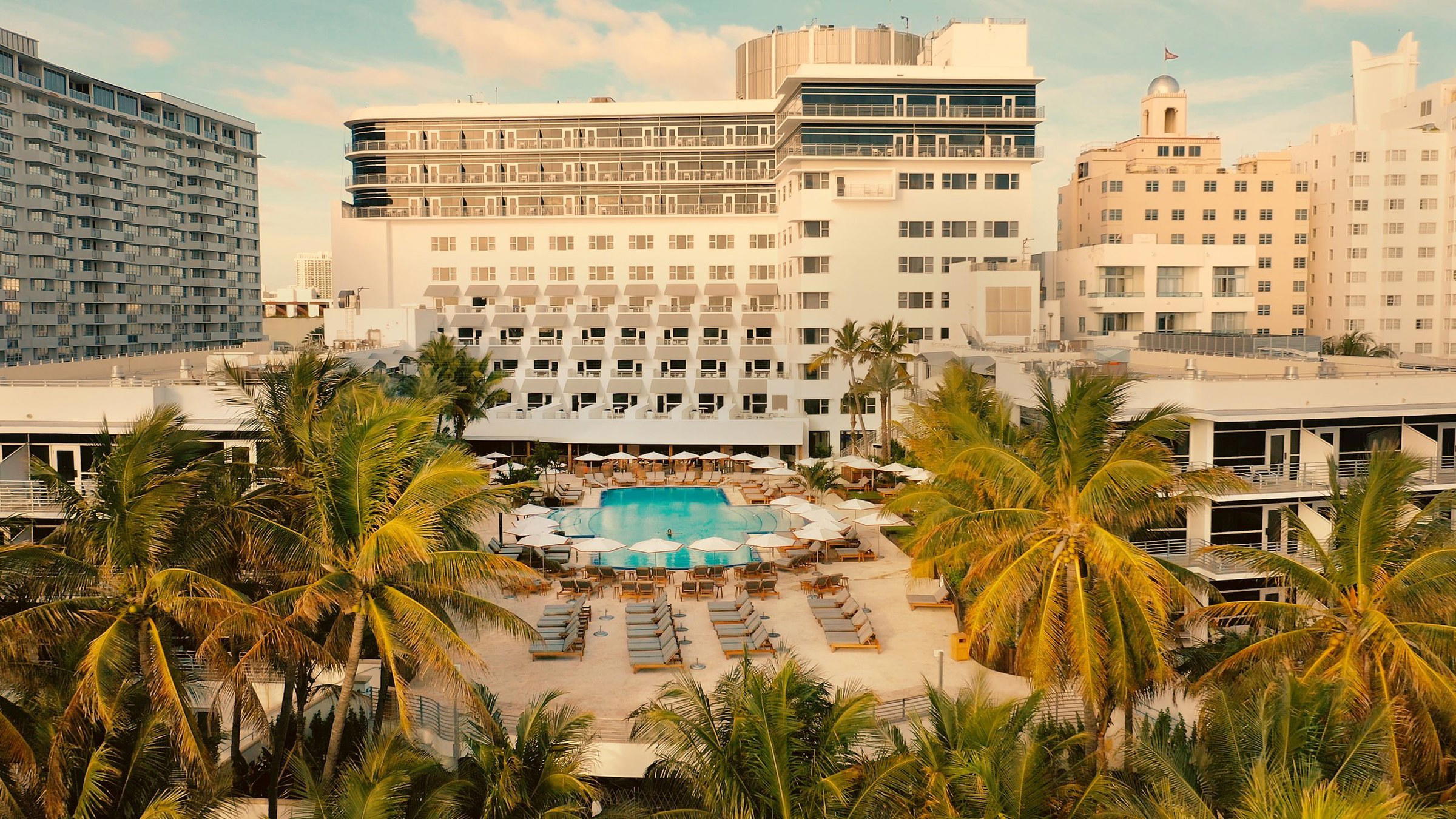
Miami Beach's Collins Avenue corridor sits at the intersection of two distinct hospitality identities: the international hotel strip with its decades of Art Deco history and the more recent wave of serious dining that has given South Florida a more substantive culinary profile. The address at 1601 Collins Avenue places Rao's inside that hospitality corridor, where the competition is as much about atmosphere and brand recognition as it is about what arrives on the plate. For a restaurant whose original identity was built on anti-spectacle, no PR, no marketing, no walk-ins, the Miami Beach context represents an interesting translation. Visitors to the area who want to understand where this location sits relative to the broader restaurant scene can consult our full Hollywood restaurants guide, which maps the area's dining options across cuisine types and price points. For those planning a broader trip, our full Hollywood hotels guide, our full Hollywood bars guide, and our full Hollywood experiences guide provide complementary coverage of the area.
Where Rao's Sits in American Fine Dining
The American fine dining tier has, over the past two decades, consolidated heavily around a few recognizable formats: the multi-course tasting menu with wine pairing, the chef-driven progressive American approach, and the seafood-focused haute cuisine format. Restaurants like Le Bernardin in New York City, Alinea in Chicago, The French Laundry in Napa, Lazy Bear in San Francisco, and Atomix in New York City represent the formalist end of that spectrum, where structure and technique are the primary communication. Rao's operates from a different premise entirely. Its authority comes not from innovation or critical awards infrastructure but from longevity and consistency, from the idea that a dish cooked the same way for decades earns its own kind of credibility.
That positioning makes Rao's an interesting counterpoint to venues like Providence in Los Angeles, Single Thread Farm in Healdsburg, Addison in San Diego, or Blue Hill at Stone Barns in Tarrytown, all of which stake their reputation on a particular vision of contemporary American cooking with strong local sourcing narratives. Rao's makes no such claim. It belongs to the tradition-preservation end of the spectrum, which in the context of Italian-American cuisine carries genuine cultural significance. The same comparison applies internationally: where 8½ Otto e Mezzo Bombana in Hong Kong or The Inn at Little Washington occupy the formal European-influenced tier, Rao's represents something more rooted in American immigrant culture than in imported European refinement.
For a comparable example of a name-brand restaurant with deep roots translating into a different regional context, Emeril's in New Orleans offers a useful parallel: a restaurant whose identity is inseparable from its city of origin, operating with the awareness that the name travels with expectations attached. Le Tub represents a different end of that brand-loyalty spectrum, where the draw is almost entirely about a singular, unreconstructed product rather than atmosphere or cultural cachet.
Planning a Visit
Rao's Miami Beach is located at 1601 Collins Avenue in Miami Beach, Florida 33139. Those familiar with the East Harlem original's near-impossible reservation situation should approach this location with different expectations: the expanded Rao's locations operate under more conventional booking arrangements than the original, though the brand's profile means demand can be substantial. Visitors coming from elsewhere in the region should factor in that the Collins Avenue location places it within South Florida's primary hospitality corridor, convenient to the main hotel strip. For context on what else the area offers, our full Hollywood wineries guide covers the broader regional wine options worth knowing. The Italian-American format means the menu is likely to center on the house red-sauce dishes the brand is known for nationally, including the lemon chicken and meatballs that have made their way into Rao's jarred sauce line and into the broader American food conversation.
Continue exploring
More in Hollywood
Restaurants in Hollywood
Browse all →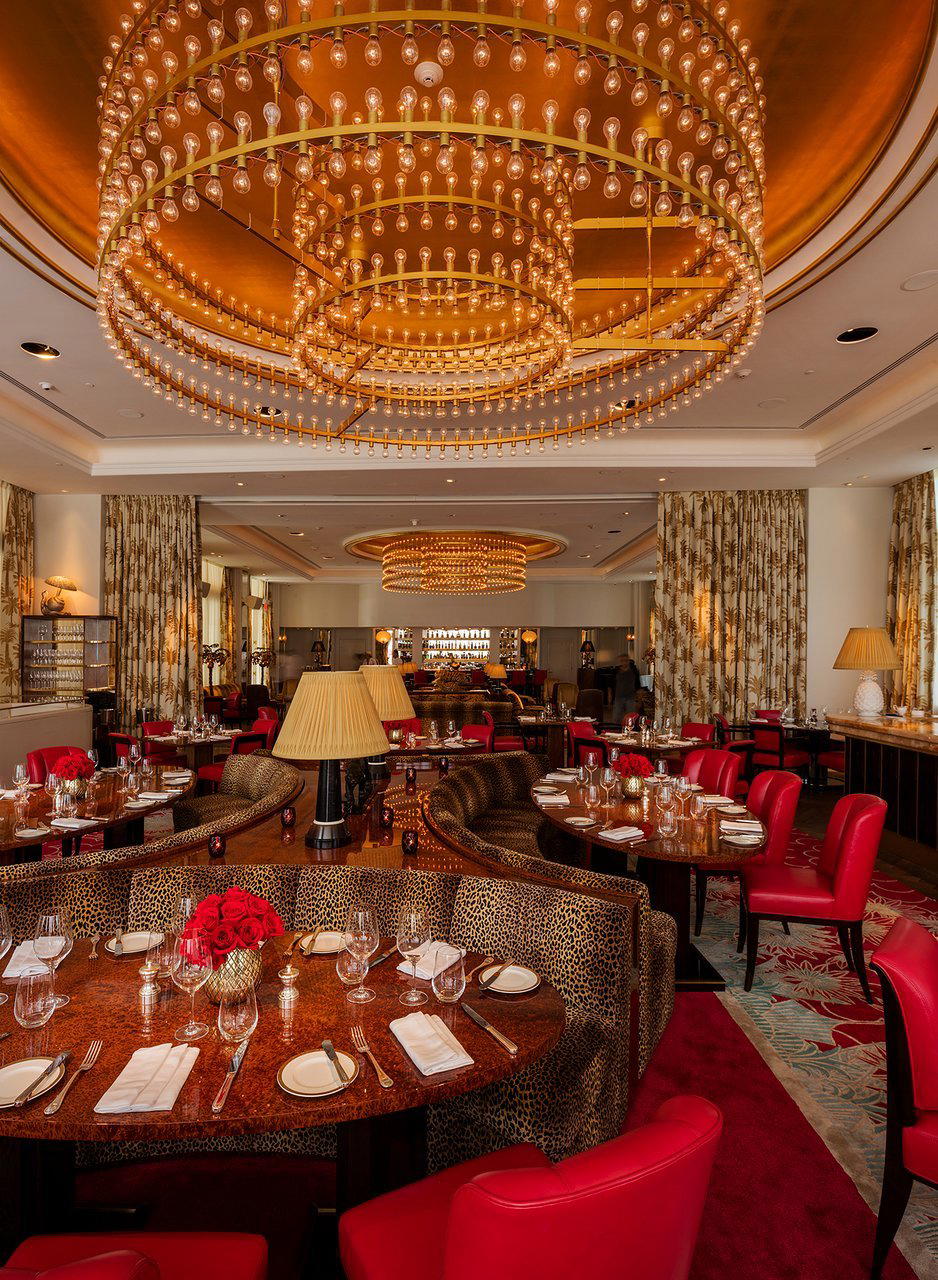
Bars in Hollywood
Browse all →

At a Glance
- Classic
- Well Known
- Elegant
- Special Occasion
- Date Night
- Group Dining
- Celebration
- Historic Building
- Hotel Restaurant
- Extensive Wine List
Current opening hours
- Monday
- 5:30–10 PM
- Tuesday
- 5:30–10 PM
- Wednesday
- 5:30–10 PM
- Thursday
- 5:30–10 PM
- Friday
- 5:30–11 PM
- Saturday
- 5:30–11 PM
- Sunday
- 5:30–10 PM
Hours can change for holidays and private events. Last verified .
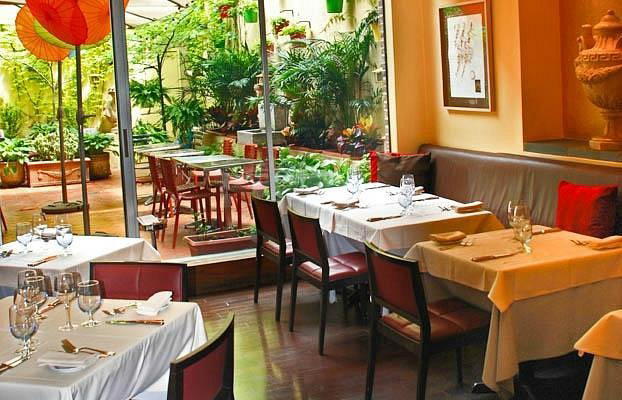
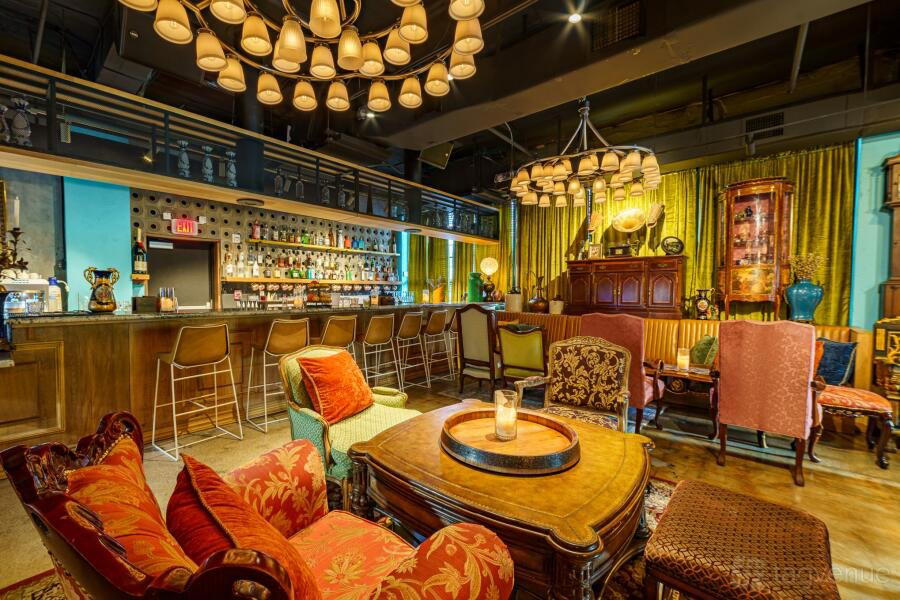
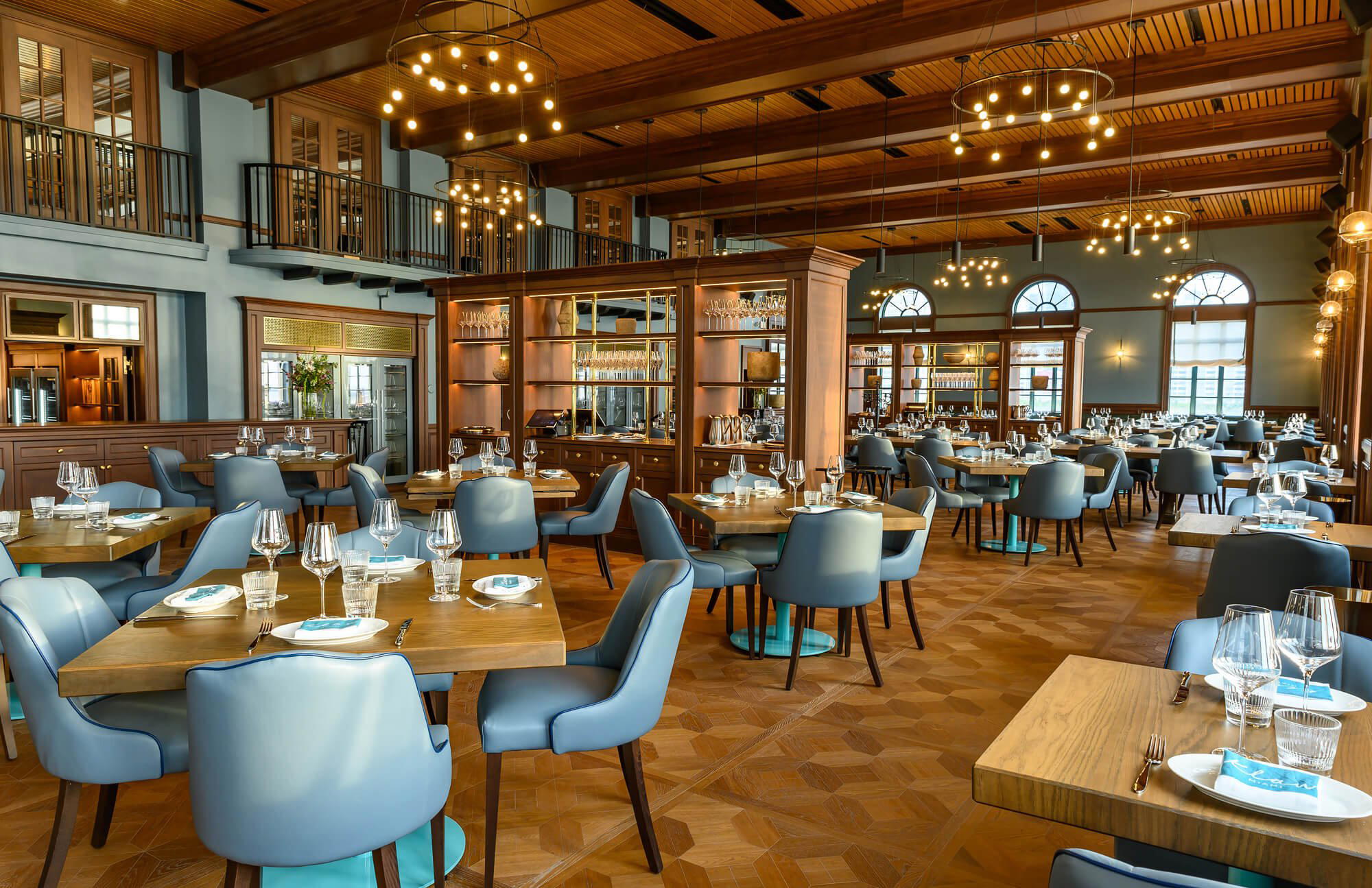
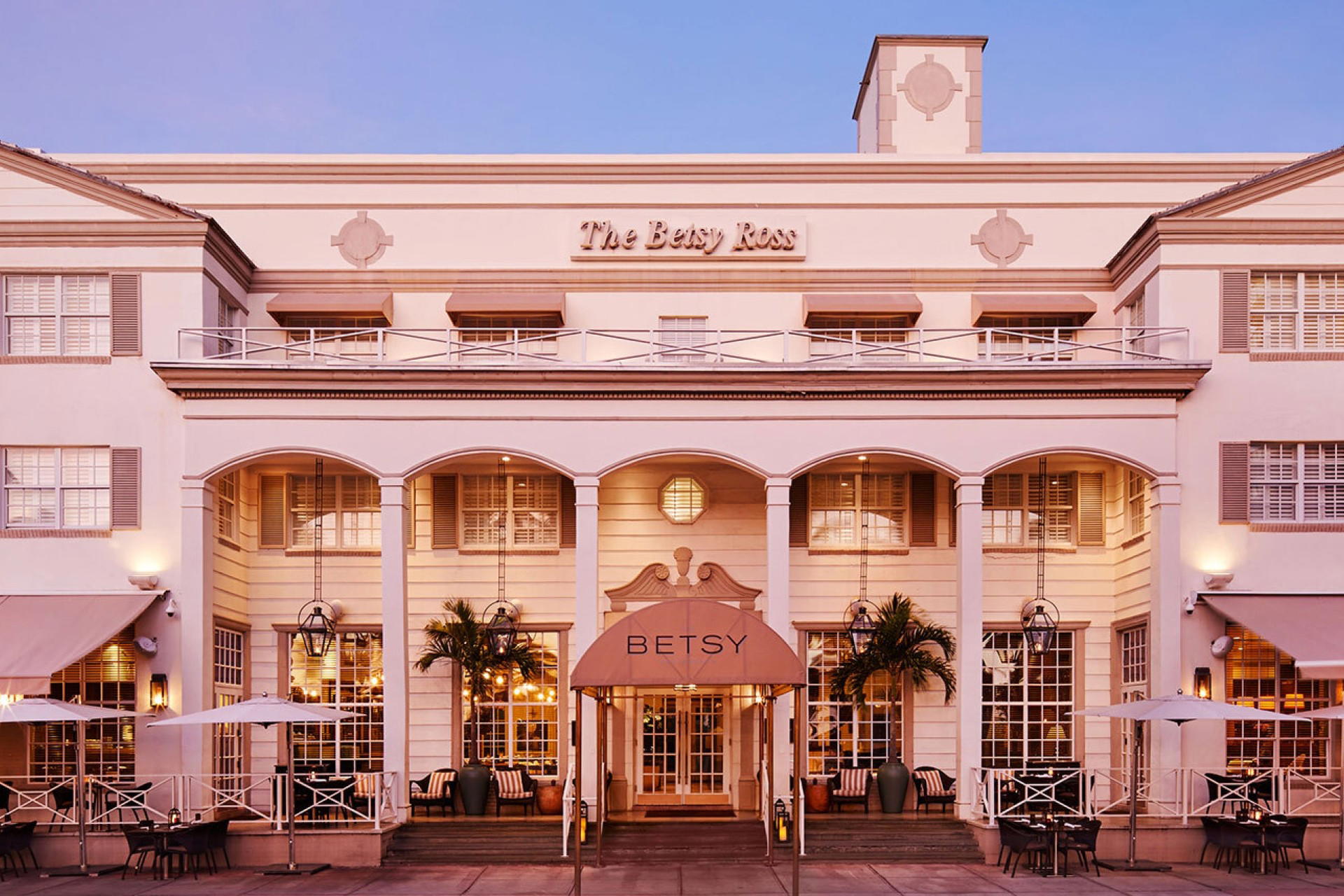
Classic red sauce joint with red drapes, wood floors, warm lighting, and an old-school New York Italian vibe.
Know Before You Go
- Getting there
- 1601 Collins Ave, Miami Beach, FL 33139