
Tabelog 100 #25
Our verdict
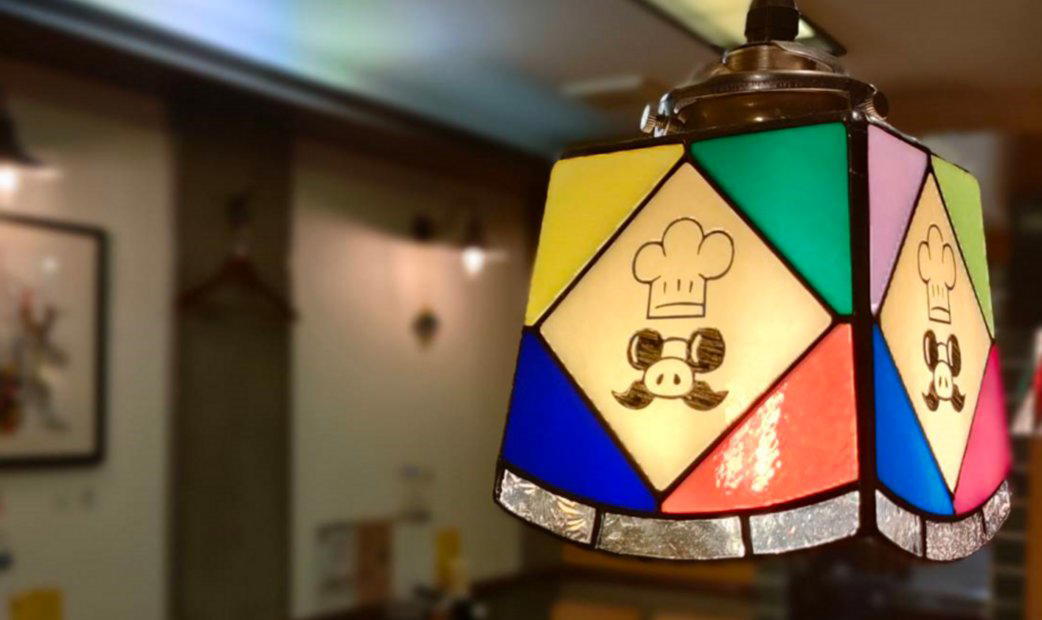
New Babe puts Osaka tonkatsu in a compact Uchihonmachi setting where the value is measured in specialization rather than ceremony. Its Tabelog Tonkatsu 100 selections in 2022, 2024, and 2026 place it among Japan’s closely watched pork-cutlet addresses, while the format stays practical: a small room, counter seating, take-out, and multilingual support.

Pearl is the En Primeur Club membership app, where members save venues, book tables and use the concierge.
The menu
What to order
- Hayashi SPF pork tonkatsu
- Brand-pork tonkatsu set
- Tonkatsu with rice and tonjiru
The approach is plain Osaka: an unfussy format and the sense that the serious part is the food rather than the performance around it. Tonkatsu rewards that kind of framing. It is not a cuisine improved by theatrics; it depends on pork selection, breading discipline, frying control, cabbage, rice, sauce, and timing. New Babe belongs to Osaka’s tonkatsu conversation, where a pork-cutlet shop can read as casual in format but exacting in execution.
Osaka’s dining identity is often reduced to street food shorthand, but the city’s stronger pattern is value under pressure. Diners expect generosity, speed, and technical competence without the hush of formal dining. That expectation explains why tonkatsu has such a clear audience here. A cutlet meal can sit between a weekday lunch and a deliberate dinner, and the difference between routine and serious is usually visible in the details: fat balance, fry temperature, breading, and how confidently the kitchen lets pork remain the main argument.
Tonkatsu in Osaka's value-driven middle tier
New Babe’s defining idea is tonkatsu in an approachable Osaka setting, a format that pushes it beyond a generic meal without moving into ceremony for its own sake. The restaurant is listed for Tonkatsu (Pork cutlet) and Dining bar, which matters in Osaka: it signals a place that can work for a solo meal, a small group, or a less rigid evening than the city’s tasting-menu rooms. The value proposition sits there, in the gap between specialist focus and an approachable room.
The external signal is not vague popularity. New Babe was selected for Tabelog Tonkatsu 100 in 2026, and carries a Tabelog score of 3.72. In Japan’s restaurant culture, Tabelog category lists are especially useful for genres such as tonkatsu, ramen, curry, and yoshoku because they compare specialists within a narrow field rather than flattening every restaurant into one luxury hierarchy. For a traveller, that is the useful context: this is not Osaka fine dining trying to impress with length; it is a category specialist competing inside a demanding comfort-food lane.
That distinction helps when comparing Osaka meals. Fujiya 1935 belongs to the city’s innovative, high-spend conversation; Yoshokuya Fujiya speaks to the older Western-influenced Japanese comfort canon; curry bar nidomi, Spice Curry Babiru no To, and Mannen Curry occupy the city’s spice-curry economy, where queues and repeat customers often matter more than formality. Tonkatsu sits adjacent to those traditions. It shares curry’s democratic appeal and yoshoku’s Western-Japanese lineage, but the technical test is narrower: pork, crumb, oil, cut, and rest.
A direct format keeps the focus on timing
The restaurant is best understood through its direct, category-led format, which suits the cuisine. Tonkatsu loses authority when it is treated only as a leisurely banquet dish; it is strongest when the kitchen can control batches, pacing, and serving temperature. The appeal is not ceremony; it is immediacy.
That direct format also changes how the meal reads. Osaka has long excelled at places where diners feel close to the work: okonomiyaki counters, kushikatsu bars, sushi seats, curry counters, standing sake rooms. Tonkatsu fits that civic rhythm. The dish asks for attention but not reverence. New Babe’s listed categories, Tonkatsu (Pork cutlet) and Dining bar, make it easier to understand as both a specialist meal and a casual Osaka stop, a combination that is useful in a genre where ordering choices can otherwise be opaque.
The approachable price band is also relevant, because tonkatsu in Japan is often an everyday meal as much as a connoisseur category. New Babe’s listed budget is Dinner: JPY 3,000 - JPY 3,999; Lunch: JPY 1,000 - JPY 1,999. That does not make the restaurant a luxury stop, but it does place it closer to Osaka’s everyday dining culture than to the hushed, reservation-only model that dominates many premium travel itineraries.
Where it fits in an Osaka itinerary
For visitors building a food schedule, New Babe works as a specialist anchor rather than a trophy meal. It gives a direct read on contemporary tonkatsu: a focused pork-cutlet format, an approachable budget, and recognition inside a category where repeat local opinion carries weight. Pairing it with Osaka’s other compact formats gives a clearer sense of the city than stacking only formal dinners. A bakery stop, a casual pork-bun run, coffee, or a sharply different meal at another Osaka dining room shows how the city moves between convenience, craft, and imported forms without losing its appetite for value.
The same logic applies beyond Osaka. Travellers comparing Japanese comfort categories can look at other focused casual restaurants to see how local identity can be carried without luxury signals. In the same broader pattern, unnamed dining rooms, bars, counters, and quick-service formats point to a wider truth: Japanese food culture travels well when the format remains disciplined.
Use New Babe when the itinerary needs precision without ceremony. The stronger move is not to treat it as a substitute for Osaka’s high-end dining, but to let it represent a different form of seriousness. A city that can make cutlet, curry, bakery counters, pork buns, and imported casual dining all feel essential to the same food map is a city worth reading by category. For broader planning, see Our full Osaka restaurants guide, then cross-reference stays, drinking, wine, and activities through Our full Osaka hotels guide, Our full Osaka bars guide, Our full Osaka wineries guide, and Our full Osaka experiences guide. If the same trip needs a different register inside the city, other Osaka dining rooms show how the city absorbs casual forms with the same demand for clarity.
Frequently asked questions
Where is New Babe in Osaka?
Osaka.
What should I budget for a meal at New Babe?
Pricing at New Babe is listed as Dinner: JPY 3,000 - JPY 3,999; Lunch: JPY 1,000 - JPY 1,999.
Is New Babe open every day?
Check the venue's official channels for current opening days and hours.
What's the defining dish or idea at New Babe?
New Babe is listed for Tonkatsu (Pork cutlet) and Dining bar, a format that matches its 2026 Tabelog Tonkatsu 100 selection and Tabelog score of 3.72.
Is New Babe good for vegetarians?
New Babe is centered on tonkatsu, so vegetarian diners should check the venue's official channels for current menu options. Its listed categories are Tonkatsu (Pork cutlet) and Dining bar.
Is New Babe suitable for children?
Check the venue's official channels for the latest details on suitability for children.
Accolades, Compared
Comparable venues by cuisine and category.
| Venue | Cuisine | Price | Awards | Notes |
|---|---|---|---|---|
| New BabeThis venue (the venue you are viewing) | Tonkatsu | $20–30 | Tabelog 100 #25 | Not listed |
| Yakiniku Dote | Japanese Yakiniku | Not listed | Tabelog 100 #63 | Kita |
| Udon Ubara | Japanese Udon | $10–20 | Tabelog 100 #20 | Tennōji |
| sumibi yaki tori kamo jin Ohatsu tenjin ten | Japanese Yakitori & Duck Hot Pot | $30–50 | Tabelog 100 #78 | Kita |
| Tsukiro | Japanese Udon | $1–10 | Tabelog 100 #83 | Nishinari |
| 橋本屋 | Spice Curry | $10–20 | Tabelog Bronze #99 | Minami-Senba |
Recognition history
Dated appearances from independent guides and award organizations, with the underlying list record or original source where available.
Tabelog 100 #25 · No. 25
Tabelog · Tabelog 100 - Tonkatsu - 2026
Continue exploring
More in Osaka
Restaurants in Osaka
All restaurants in Osaka →




Bars in Osaka
All bars in Osaka →


Hotels in Osaka
All hotels in Osaka →




Wineries in Osaka
Browse all →
Details
- Cozy
- Classic
- Modern
- Casual Hangout
- Group Dining
- Family
- Standalone
- Beer Program
- Local Sourcing
- Set Menu
- A La Carte
- Beer
Current opening hours
- Monday
- 11 AM–2:30 PM, 5–7:30 PM
- Tuesday
- 11 AM–2:30 PM, 5–7:30 PM
- Wednesday
- 11 AM–2:30 PM, 5–7:30 PM
- Thursday
- 11 AM–2:30 PM, 5–7:30 PM
- Friday
- 11 AM–2:30 PM, 5–7:30 PM
- Saturday
- 11 AM–7:30 PM
- Sunday
- 11 AM–7:30 PM
Hours can change for holidays and private events. Hours as of .
A relaxed, specialist tonkatsu dining room with a polished but casual feel suited to a focused meal rather than a formal occasion.