
Tabelog 100 #45
Our verdict
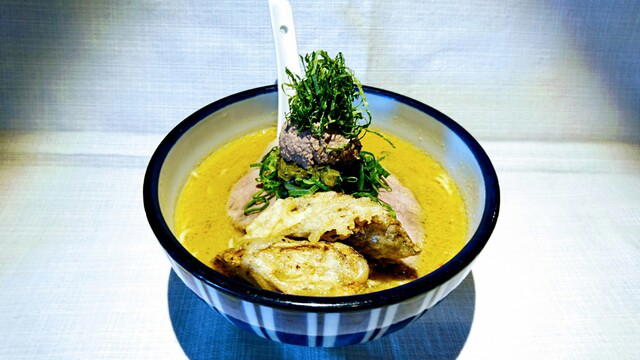
Ramen Yuzuki belongs to Sapporo’s serious everyday ramen tier: compact, low-friction, and recognized by Tabelog 100 - Ramen - HOKKAIDO - 2025. The appeal is not ceremony but format discipline, with counter seating, table seating, curry alongside ramen, and a neighbourhood setting near Kanjo Dori Higashi that rewards diners who plan around local rhythms.

Pearl is the En Primeur Club membership app, where members save venues, book tables and use the concierge.
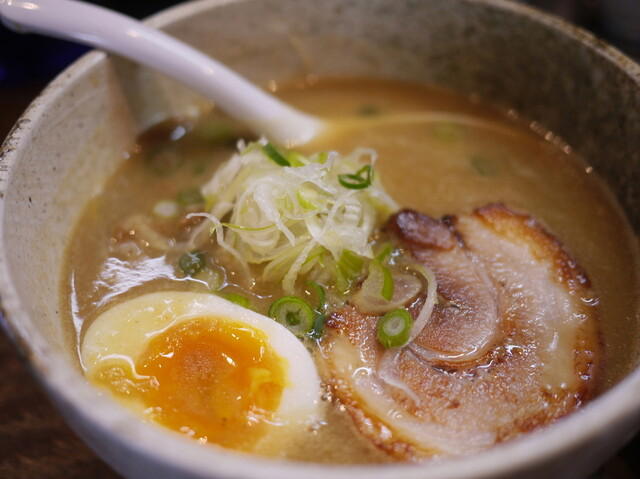
Approach a Sapporo ramen shop and the cues are usually different from destination dining: fewer luxury signals, more daily-use evidence. The format matters because ramen is as much about rhythm as it is about flavor. Bowls are typically ordered for a focused meal, diners do not linger as they would over a tasting menu, and the experience tells guests what kind of visit to expect before they sit down. Ramen Yuzuki fits Sapporo grammar: practical, direct, and built around the short arc of a bowl rather than the long performance of a formal dinner.
Sapporo ramen culture is often flattened into miso and winter, but the city’s stronger shops are more varied. The field runs from convenient specialists to everyday rooms where regulars, solo diners, families, and ramen chasers share the same category. Recognition by Tabelog 100 - Ramen - HOKKAIDO - 2025 places Ramen Yuzuki inside the prefecture’s closely watched ramen circuit, a useful signal in a category where reputation is built through repetition rather than luxury cues.
A small-room ramen format with Sapporo's everyday logic
The dining format is part of the argument. A casual ramen-shop arrangement creates a different rhythm from a destination tasting-menu room. It suits the single-bowl diner, remains legible for pairs and small groups, and keeps the visit practical rather than ceremonial. In Sapporo, where ramen is both visitor target and weekly local meal, that everyday usefulness matters.
The category listing is ramen and curry, which also signals local appetite. Hokkaido’s cold-season dining culture rewards heat, starch, and speed, and curry sits naturally beside ramen in that register. This is not a room translating ramen into fine dining. Its design language is practical: accessible pricing, focused service, and enough directness for different diners to use the space without ceremony.
Read it against Sapporo’s broader dining map. Ramen Hoppeya occupies a similarly accessible price band, while Sapporo Fujiya and Ame wa, Yasashiku NO,2 sit in the next spend bracket among comparison ramen addresses. European Curry KEN shows curry’s serious track in the city, and Kin Zushi marks the other end of Sapporo dining economics, where sushi pricing changes the occasion entirely. Ramen Yuzuki belongs to the democratic end: credibility from repeatability, speed, and local award recognition rather than scarcity theatre.
Why the room matters as much as the bowl
Ramen shops expose priorities through tempo. A focused, casual format gives solo diners the directness ramen culture depends on, while still allowing the visit to work for more than one kind of diner. Many serious ramen stops are best understood as quick, purposeful meals; this kind of positioning gives the shop a more elastic social use while keeping the meal centered on the bowl.
The shared, public ramen-shop register keeps the experience direct. Everyone eats inside a similar tempo: order, eat, and leave room for the next diner. In Sapporo, where winter intensifies the pull of hot noodle shops, that straightforward format becomes part of the comfort, not an obstacle.
The award signal is more useful here than a chef biography. No named chef narrative is needed to understand this shop’s place in the city. Tabelog’s Hokkaido ramen selection is a category-specific filter, and its 2025 recognition points to visibility within a crowded regional field. For a diner choosing between simple convenience and a more local-feeling bowl, that is the relevant credential.
Where it fits in a Sapporo eating itinerary
Ramen Yuzuki works as a targeted stop within a Sapporo food day rather than a long-form evening anchor. Its Sapporo setting keeps the emphasis on the meal itself, which is why the practical format matters. It can suit solo diners, small groups, and casual ramen-focused visits without changing its essential ramen-shop character.
For travellers building a wider Sapporo plan, use this as the ramen point in a city that also rewards curry, bakeries, bars, and regional Japanese dining. Nearby comparison matters less than genre contrast: a ramen lunch here, a curry-focused meal elsewhere, and a higher-spend sushi counter on another day read the city more clearly than chasing one category. For broader mapping, see Our full Sapporo restaurants guide, then cross-check sleep and evening plans through Our full Sapporo hotels guide and Our full Sapporo bars guide. Travellers extending beyond dining can also scan Our full Sapporo wineries guide and Our full Sapporo experiences guide.
Sapporo’s casual dining strength is not isolated to ramen. The city’s spice-and-noodle axis can be read through other Sapporo dining rooms, while the wider region also points to bakery culture. Those references form a better itinerary than single-venue obsession: ramen for speed and heat, curry for spice structure, bread for Hokkaido dairy and wheat context.
Japan-wide comparisons help only when they clarify format, not flatten place. Different Japanese dining rooms, grill addresses, casual cafes, and regional listings operate on different social tempos. Casual formats elsewhere underline the same point: room type shapes the meal before cuisine does. Even outside Japan, Japanese casual formats change when transplanted. In Sapporo, let ramen remain direct, practical, and local.
Frequently asked questions
Is Ramen Yuzuki expensive?
Pricing at Ramen Yuzuki is listed as - JPY 999 - JPY 999.
Where is Ramen Yuzuki in Sapporo?
Sapporo.
Should I book Ramen Yuzuki in advance?
Plan around a casual ramen-shop visit rather than a long-form booking occasion. The practical approach is to arrive during service hours in Sapporo.
What makes Ramen Yuzuki worth seeking out?
Ramen Yuzuki has a Tabelog 100 Ramen Hokkaido 2025 selection, which gives it clear local weight. Add the accessible price band and ramen-and-curry category, and it reads as a dependable Sapporo ramen stop rather than a luxury dining occasion.
Is Ramen Yuzuki allergy-friendly?
Ramen and curry can involve ingredients that matter for allergies, so care is needed. Check directly with Ramen Yuzuki before visiting if ingredient details are important.
Nearby-ish Comparables
Comparable venues in the metro at similar price points.
| Venue | Cuisine | Price | Awards | Notes |
|---|---|---|---|---|
| Ramen YuzukiThis venue (the venue you are viewing) | Ramen shop | Not listed | Tabelog 100 #45 | Not listed |
| Sapporo Fujiya | Ramen & Tsukemen Shop | $10–20 | Tabelog 100 #26 | JPY 1,000 - JPY 1,999 JPY 1,000 - JPY 1,999 |
| Ramen Hoppeya | Traditional Sapporo ramen & tsukemen | $10–20 | Tabelog 100 #15 | JPY 999 - JPY 999 |
| Ame wa, Yasashiku NO,2 | Modern Sapporo ramen (chicken paitan & scallop) | $10–20 | Tabelog 100 #34 | JPY 1,000 - JPY 1,999 JPY 1,000 - JPY 1,999 |
| European Curry KEN | European-style Japanese curry | $10–20 | Tabelog 100 #95 | JPY 1,000 - JPY 1,999 JPY 1,000 - JPY 1,999 |
| Kin Zushi | Traditional Sapporo Sushi Counter | $50–100 | Tabelog 100 #12 | JPY 10,000 - JPY 14,999 JPY 6,000 - JPY 7,999 |
Recognition history
Dated appearances from independent guides and award organizations, with the underlying list record or original source where available.
Tabelog 100 #45 · No. 45
Tabelog · Tabelog 100 - Ramen - HOKKAIDO - 2025
Continue exploring
More in Sapporo
Restaurants in Sapporo
All restaurants in Sapporo →
Bars in Sapporo
All bars in Sapporo →
Details
- Cozy
- Casual
- Solo
- Casual Hangout
- Family
- After Work
- Standalone
- A La Carte
- Counter Dining
A small, casual local ramen joint with counter seats and a few tables, likely moderately busy but relaxed, focused on quick, comforting meals rather than design-driven interiors.