Ramen Yamadaya
Our verdict
On Buchanan Street in Japantown, Ramen Yamadaya sits inside San Francisco's most concentrated stretch of Japanese dining, serving tonkotsu-rooted ramen in a city where bowl culture has grown increasingly serious. The address places it alongside a neighbourhood identity built over decades, and the format rewards return visits rather than one-off curiosity. For the SF ramen circuit, it is a reliable reference point.

Pearl is the En Primeur Club membership app — saves, bookings, and concierge access live there. Same editors, same standards.
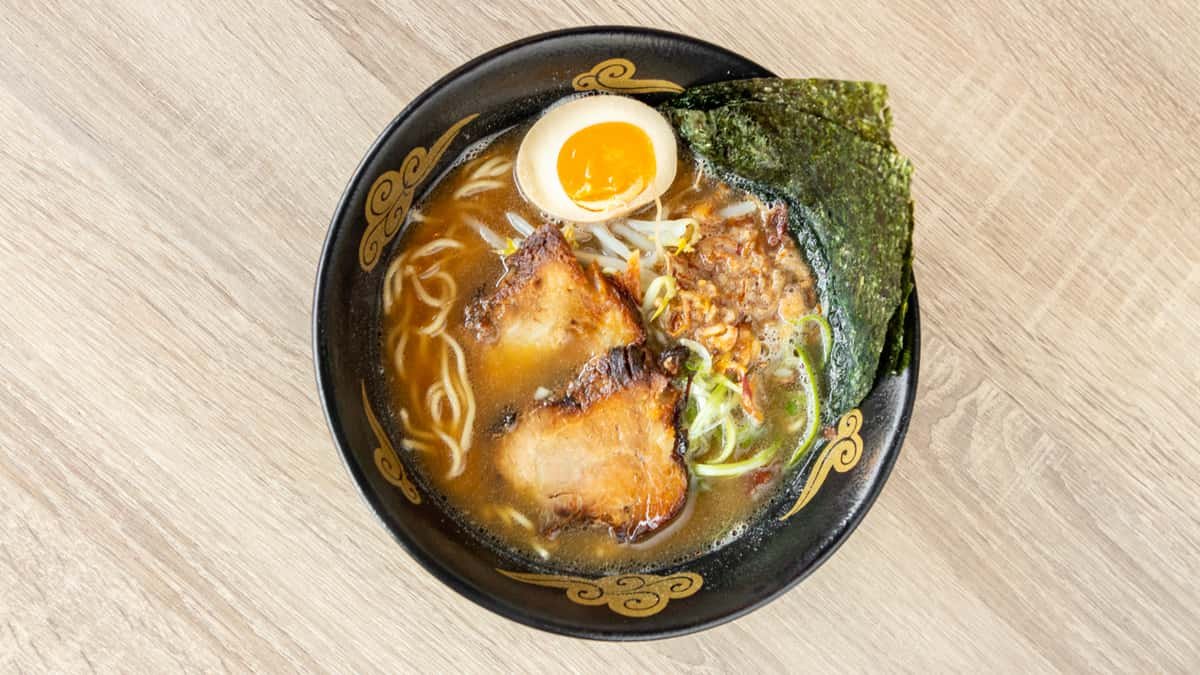
The menu
What to order
- Black garlic kotteri ramen
- Tonkotsu ramen
Japantown's Ramen Register
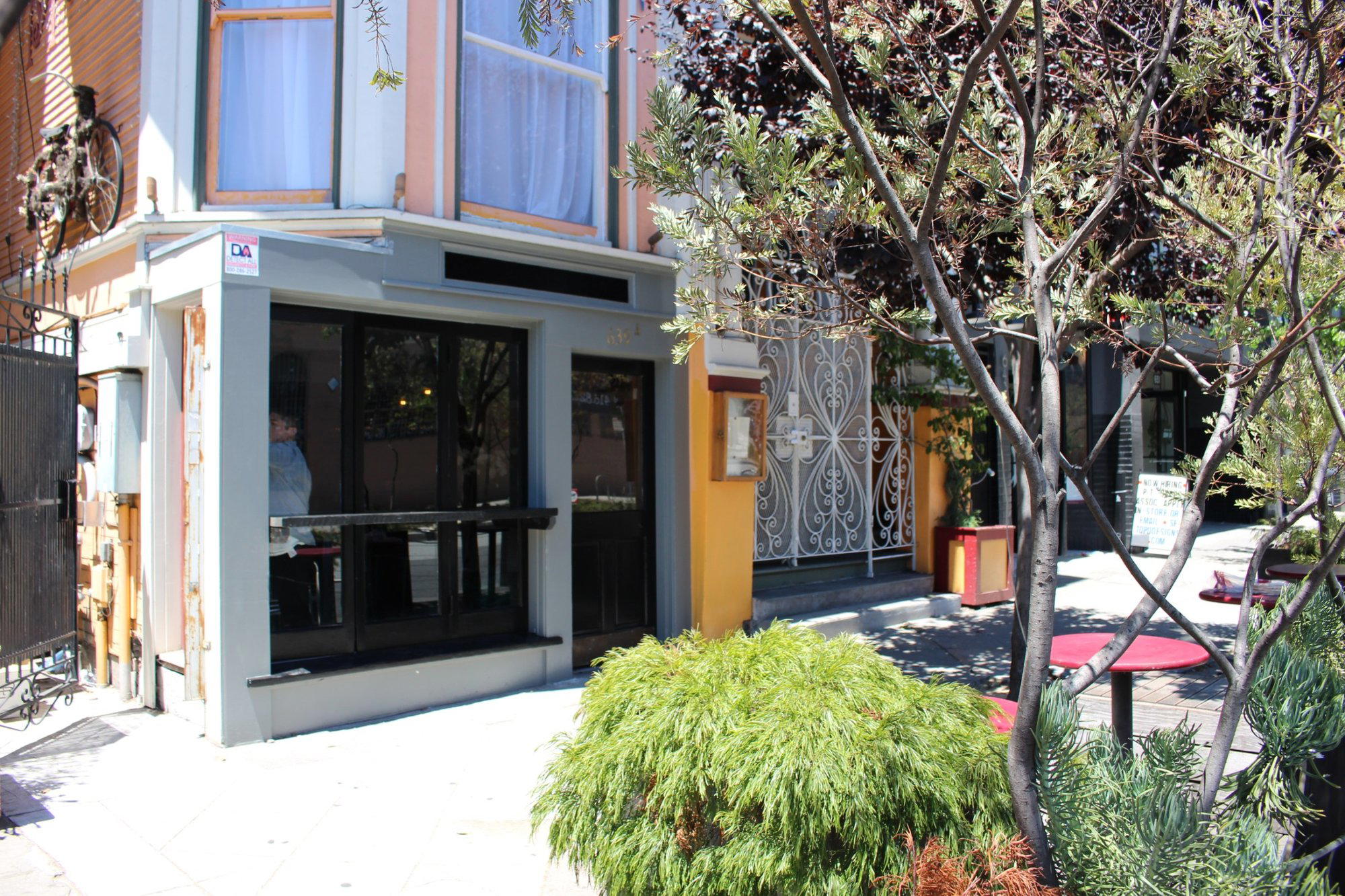
Buchanan Street in San Francisco's Japantown functions less like a dining strip and more like a cultural index. The pedestrian mall and its surrounding blocks have anchored Japanese-American community life for generations, and the food businesses along it reflect that continuity: ramen shops, izakayas, mochi confectioners, and sake bars operating in a neighbourhood where tenure carries weight. Ramen Yamadaya, at 1728 Buchanan St, sits inside that register. Its address alone signals something about positioning: this is not a pop-up capitalising on a trend, but a shop embedded in a district with its own dining logic.
San Francisco's ramen scene has matured considerably over the past decade. Where the city once treated ramen as a budget afterthought, it now supports shops with genuine regional specificity — tonkotsu houses with long bone-boil times, shio operations pulling restrained broths from kombu and dried seafood, and tsukemen spots that have built dedicated followings. That maturity changes what it means to operate in Japantown specifically. The neighbourhood audience is not easily impressed by surface-level authenticity. Regulars know what a properly emulsified tonkotsu broth should look and taste like; they have opinions about noodle hydration and chashu fat ratios. A shop that endures here earns that position.
The Bowl as a Collaborative Object
Ramen, more than most bowl formats, is a product of team discipline rather than individual star power. Unlike the chef-driven tasting menus at Lazy Bear or the rigorous French frameworks at Atelier Crenn, a ramen shop's output depends on the synchronisation of a kitchen that is often running at high volume across a narrow service window. Broth management, noodle timing, tare calibration, and topping execution all have to land simultaneously for each bowl — and they have to do so repeatedly, across a full service, without the pacing latitude that a tasting menu format allows.
This is what makes the team dynamic at a serious ramen shop worth examining. The person managing the broth pot is doing something categorically different from the person cutting noodles or plating toppings, but their outputs are inseparable in the finished bowl. Front-of-house at a ramen counter operates differently too: the communication cycle is faster, feedback is immediate, and the margin for error on timing is tighter than in full-service dining. Where a restaurant like Benu or Quince can choreograph a long evening with multiple touchpoints, a ramen operation compresses that coordination into a matter of minutes per cover.
That compression is part of what the format demands, and part of what a shop's reputation ultimately reflects. A bowl that arrives at the right temperature, with broth that has the correct viscosity and seasoning, and noodles that are neither over- nor under-cooked, is evidence of a team that has internalised its process. It does not happen by accident at volume.
Tonkotsu as a Regional Conversation
Ramen Yamadaya has California roots, the brand originated in Torrance, in the South Bay of Los Angeles, before extending north. That origin matters because Torrance developed as one of the most significant concentrations of Japanese food culture outside Japan, producing ramen operations with genuine lineage rather than trend-chasing credentials. A shop that comes through that environment carries different assumptions about broth depth and process than one assembled for a broader American palate.
Tonkotsu, the pork-bone broth style associated with Fukuoka's Hakata district, is the category anchor for Yamadaya. In its proper expression, tonkotsu broth requires long, high-heat extraction to achieve the collagen breakdown and emulsification that gives it its characteristic opacity and richness. The style has become globally diffused, which means the gap between competent and serious tonkotsu is now visible to a much wider audience. San Francisco diners in 2024, shaped by years of bowl culture conversation, are generally better equipped to read that difference than they were a decade ago. That context raises the stakes for any shop making tonkotsu claims.
For comparison across the broader American fine-dining circuit, operations like Saison or, further afield, Single Thread Farm in Healdsburg and The French Laundry in Napa command the best of the California dining conversation at a price point that is structurally different from ramen. But the standards of process rigour those kitchens represent have shaped what informed diners expect from any serious kitchen in the region, regardless of format or price tier.
Where Ramen Yamadaya Sits in the SF Circuit
San Francisco's full dining architecture runs from Michelin-starred counters to neighbourhood lunch spots, and ramen occupies a specific band within that: affordable by the city's standards, high in repeat-visit frequency, and deeply reliant on word-of-mouth within community networks. Japantown functions as a credibility filter within that band. A shop that holds its position on Buchanan Street over time is doing something right in terms of product consistency and neighbourhood integration.
For visitors building a San Francisco itinerary that includes both the upper tier (see our full San Francisco restaurants guide, which covers venues from Lazy Bear to Atelier Crenn) and the neighbourhood-level dining that makes a city readable, Japantown is a logical stop. Ramen Yamadaya is one of the addresses within it worth prioritising. It is not the only ramen reference in the city, but its Japantown location and Southern California provenance give it a context that distinguishes it from shops assembled primarily for tourist footfall.
Across the wider American dining map, other cities have their own regional bowl traditions worth tracking: Atomix in New York City represents the high-end Korean fine dining that exists in parallel conversation with Japanese technique, and internationally, 8 1/2 Otto e Mezzo Bombana in Hong Kong demonstrates how Asian cities have built their own premium dining registers. Ramen Yamadaya operates at a different altitude, but it belongs to the same broader story of Japanese food culture finding serious expression outside Japan.
Planning Your Visit
Address: 1728 Buchanan St, San Francisco, CA 94115, in the heart of Japantown's Buchanan Mall corridor. Reservations: Ramen shops of this type typically operate on a walk-in basis; arriving at off-peak hours (before the lunch rush or early in the dinner window) reduces wait times. Budget: Ramen in this tier generally runs in the $15 to $20 range per bowl; confirm current pricing directly. Getting there: The 22 Fillmore and 38 Geary bus lines serve the neighbourhood; street parking exists but is competitive during peak hours. Timing: Japantown is worth exploring before or after the meal, the Kinokuniya bookstore and surrounding food retail add depth to the visit.
Frequently asked questions
What dish is Ramen Yamadaya famous for?
Yamadaya's identity is built around tonkotsu ramen, the pork-bone broth style with origins in Fukuoka's Hakata district. The brand's Torrance roots, in a Southern California Japanese food community with high standards for broth authenticity, established tonkotsu as its reference category. Specific current menu configurations should be confirmed directly with the restaurant, as lineup details can shift seasonally.
Should I book Ramen Yamadaya in advance?
Ramen counters in Japantown generally operate without advance reservations, which means queue management at peak hours is the primary variable. If you are visiting San Francisco with a packed itinerary, particularly if you have bookings at tasting-menu restaurants elsewhere in the city, building in flexibility around the Yamadaya visit is advisable. Weekend lunches in Japantown draw both local residents and visitors, so mid-week or early-service timing gives you the most control.
What makes Ramen Yamadaya worth seeking out?
Its combination of Japantown location and Southern California Japanese-community lineage places it in a credibility bracket above generic ramen operations. The neighbourhood itself acts as a quality filter: the Buchanan Street dining audience has high baseline expectations, and shops that persist there have generally met them. For visitors building a multi-register San Francisco itinerary alongside destinations like Benu or Saison, Yamadaya provides the neighbourhood-level counterpoint that makes a dining trip feel complete.
What if I have allergies at Ramen Yamadaya?
Tonkotsu broth is pork-based by definition, which is a baseline dietary consideration. Beyond that, ramen kitchens typically work with wheat noodles, soy-based tare, and common allergens including sesame and shellfish-derived seasonings in some preparations.
Is Ramen Yamadaya connected to other locations, and does that affect quality consistency?
Ramen Yamadaya began as a Torrance, California operation before expanding to San Francisco, which places it in the category of regional ramen brands rather than single-site independents. Multi-location ramen brands in the Japanese-American community have a mixed track record on consistency, the strongest operators maintain centralised broth standards and noodle sourcing across sites, while others drift. For the San Francisco location specifically, the Japantown placement creates its own accountability: a neighbourhood audience with direct access to multiple Japanese dining options provides a tighter feedback loop than a tourist-facing address would.
Cuisine Context
Comparable venues nearby, for context on price, style, and recognition.
| Venue | Cuisine | Price | Notes |
|---|---|---|---|
| Ramen YamadayaThis venue — the venue you are viewing | Tonkotsu Ramen | $10–20 | Not listed |
| Onigilly | Japanese Onigiri | $10–20 | Financial District/South Beach |
| Katana-Ya | Japanese Ramen and Sushi | $20–30 | Tenderloin |
| Ajisen Ramen | Japanese Ramen | Not listed | Union Square |
| Men Oh Tokushima Ramen | Authentic Tokushima Ramen | $10–20 | :none |
| Nojo Ramen Tavern | Modern Chicken Paitan Ramen Izakaya | $20–30 | Hayes Valley |
Continue exploring
More in San Francisco
Restaurants in San Francisco
All restaurants in San Francisco →
Bars in San Francisco
All bars in San Francisco →

Details
- Casual
- Trendy
- Casual Hangout
- After Work
- Open Kitchen
- A La Carte
- Counter Dining
- Vegetarian Friendly
- Vegan Options
- Gluten Free Options
Current opening hours
- Monday
- 11 AM–2:30 PM, 5–9:30 PM
- Tuesday
- Closed
- Wednesday
- 11 AM–2:30 PM, 5–9:30 PM
- Thursday
- 11 AM–2:30 PM, 5–9:30 PM
- Friday
- 11 AM–2:30 PM, 5–10 PM
- Saturday
- 11 AM–10 PM
- Sunday
- 11 AM–9 PM
Hours can change for holidays and private events. Last verified .
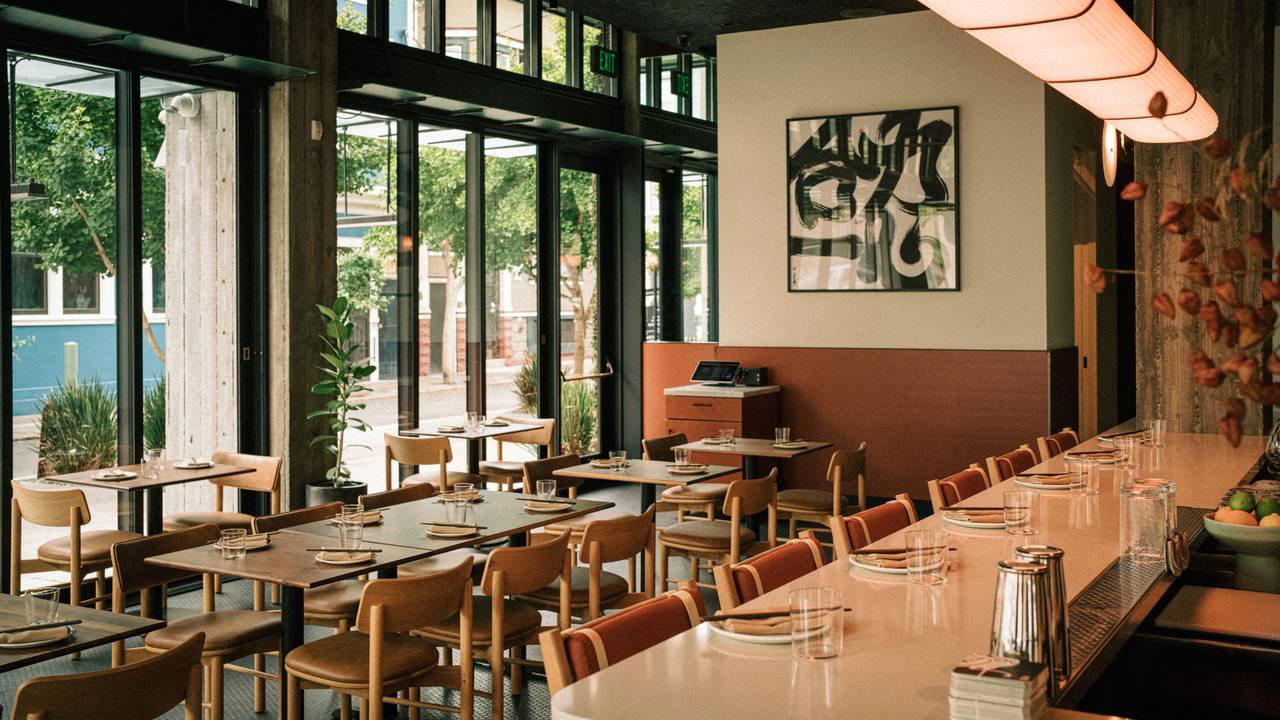
Casual noodle eatery with simple, focused Japanese aesthetic; energetic counter-service environment typical of ramen shops