
Tabelog 100 #89
Our verdict
Ramen Shuki places Osaka ramen in a compact Tsuruhashi format: counter-led, low-priced, and shaped by recognition from the Tabelog 100 Ramen OSAKA list in 2024 and 2025. The draw is not luxury theater but a focused neighborhood ramen stop with 11 seats, no reservations, and a price band that keeps it firmly in the everyday dining tier.

Pearl is the En Primeur Club membership app, where members save venues, book tables and use the concierge.
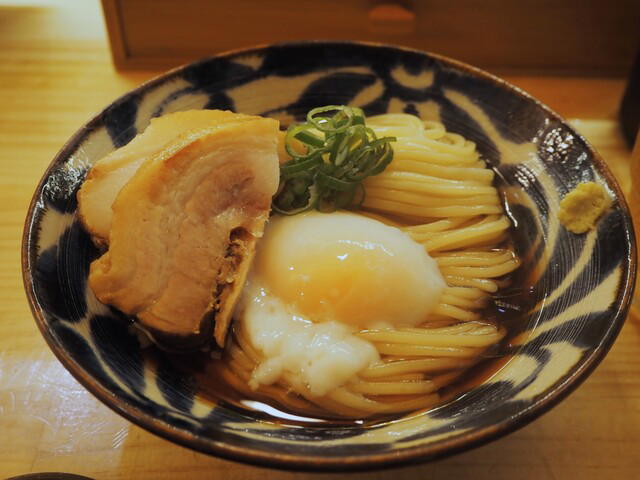
The menu
What to order
- Rich chicken broth ramen
- Light tanrei ramen
- Tsukemen
- Hiyashi chuka
- Hiyakake
Osaka is not defined only by polished dining rooms; it is also a city of quick decisions, modest counters, casual meals, and focused everyday eating. That setting suits ramen. Osaka’s serious noodle shops often work in formats that reward diners who understand local pacing rather than ceremony. Ramen Shuki fits that category: ramen-focused, modestly priced, and recognized by Tabelog Hyakumeiten in 2025.
The useful comparison is not Osaka’s tasting-menu restaurants, but its democratic noodle and casual dining culture. In Osaka, Men to Niku Daitsuru Tsuruhashi ten, Udon Jojo, Yaoyasu, Sora Tsuruhashi souhonten, and Matsushita kitchen give travelers different casual reference points. Ramen Shuki occupies its own lane: a ramen venue priced for repeat visits, with enough public recognition to separate it from anonymous city bowls.
A ramen format in a city that rewards precision
Osaka is often described through takoyaki, okonomiyaki, kushikatsu, and market eating, but ramen remains an important casual category. Unlike larger destination meals, many of the city’s strongest informal meals stay embedded in everyday dining patterns. The format is lean: short decisions, focused meals, and an experience built around the bowl, not the occasion.
That is why the ramen format matters. Ramen Shuki sits within a category where the meal is usually judged directly: the bowl, the pacing, and the value. The experience should be approached as a focused ramen stop rather than as a luxury counter or a long, leisurely table.
The JPY 1,000 to JPY 1,999 lunch and dinner band keeps the shop inside ramen’s essential contract with the city. This is not fine dining disguised as noodles, but a low-ticket meal judged on execution, consistency, and reputation. The Tabelog Hyakumeiten recognition matters because it places Ramen Shuki in the broader Osaka ramen conversation without changing its category.
For travelers building a wider Osaka itinerary, this is a useful counterweight to formal meals and hotel dining. The city’s casual food intelligence often sits in places with little ceremony. EP Club’s Osaka coverage maps that contrast through Our full Osaka restaurants guide, while adjacent planning across Our full Osaka hotels guide, Our full Osaka bars guide, Our full Osaka wineries guide, and Our full Osaka experiences guide frames how ramen fits into a full trip, not just one stop.
Why the Tabelog 100 signal matters for Osaka ramen
Tabelog’s Hyakumeiten lists are not Michelin-style star systems, but in Japan they matter because they surface category specialists across cities and prefectures. For ramen, that is useful: the field is crowded, prices are compressed, and the difference between a functional bowl and a serious shop is not always visible from a listing alone. A 2025 Tabelog Hyakumeiten selection gives Ramen Shuki a public reputation marker in a category shaped by local diners, repeat visits, and online scoring.
The listing’s 3.69 score should be read in Japanese restaurant-rating context. On Tabelog, scores above the mid-threes can show meaningful traction, especially for casual shops with narrow formats and low spend. The better reading is comparative: this is a low-cost ramen venue judged against specialists, not a broad-service restaurant trading on décor, drinks, or private rooms.
That helps avoid a common Osaka traveler mistake: treating every acclaimed casual shop as a destination requiring a full evening. Ramen is different, often a focused meal inserted between city plans or later reservations. Nearby casual options reinforce the point. Matsushita kitchen, Yaoyasu, Sora Tsuruhashi souhonten, Men to Niku Daitsuru Tsuruhashi ten, and Udon Jojo all give different ways to read Osaka’s everyday dining range. Ramen Shuki’s appeal is narrower and more precise: a recognized ramen stop with modest spend.
Readers comparing Japanese casual dining across cities can use EP Club’s restaurant archive as calibration. Osaka’s casual density has its own rhythm, and Ramen Shuki should be read within that local context rather than as a universal fine-dining destination. Even within Osaka, the range runs from quick noodle stops to broader casual meals, with ramen occupying one of the city’s most direct and repeatable formats.
How to fit it into an Osaka day
The logistics favor spontaneity with a plan. Treat the meal as a flexible ramen stop rather than building an entire day around a fixed appointment. Osaka is the anchor, and the shop works best when folded into a broader route through the city. It pairs naturally with other casual dining, shopping, or transit-heavy plans where a focused bowl makes more sense than a long reservation meal.
The caveat is the nature of the format: ramen venues can be pace-driven, and timing may matter more than ceremony. Diners should be prepared to adjust expectations around a focused visit. The listed budget remains straightforward at JPY 1,000 to JPY 1,999 for both lunch and dinner, which keeps expectations aligned with a focused, modest-spend ramen visit.
Parking, private rooms, and extended table service should not be assumed for a ramen venue of this type. Use Osaka’s usual urban dining logic: arrive with flexibility, keep the meal focused, and do not expect the rituals of a formal restaurant. The absence of ceremony is not a flaw; it is the format. Ramen at this level is a short, concentrated meal, not a lingering table. Travelers who understand that rhythm get the point faster.
For broader casual-dining comparison, the same logic appears across other Osaka dining rooms in different ways. The lesson is consistent: casual Japanese dining is often strongest when the format is narrow, the room is modest, and expectations are set before arrival. Ramen Shuki belongs in that frame: specific, low-spend, and anchored by a recognized Tabelog Hyakumeiten signal.
The Quick Read
Comparable venues at a glance for context.
| Venue | Cuisine | Price | Awards | Notes |
|---|---|---|---|---|
| Ramen ShukiThis venue (the venue you are viewing) | Japanese Ramen | $10–20 | Tabelog 100 #89 | Not listed |
| Men to Niku Daitsuru Tsuruhashi ten | Spicy Osaka Horumon Mazesoba & Ramen | $10–20 | Tabelog 100 #56 | JPY 999 - JPY 999 |
| Yaoyasu | Japanese Standing Bar / Izakaya | Not listed | Tabelog 100 #65 | JPY 2,000 - JPY 2,999 View spending breakdown |
| Sora Tsuruhashi souhonten | Traditional Osaka yakiniku & horumon | $30–50 | Tabelog 100 #97 | JPY 4,000 - JPY 4,999 JPY 2,000 - JPY 2,999 |
| Udon Jojo | Casual Udon Noodle Shop | $1–10 | Tabelog 100 #71 | JPY 999 - JPY 999 |
| Matsushita kitchen | Japanese café with Western-style sweets and shaved ice | $1–10 | Tabelog 100 #77 | JPY 999 JPY 1,000 - JPY 1,999 View spending breakdown |
Recognition history
Dated appearances from independent guides and award organizations, with the underlying list record or original source where available.
Tabelog 100 #89 · No. 89
Tabelog · Tabelog 100 - Ramen - OSAKA - 2025
Continue exploring
More in Osaka
Restaurants in Osaka
All restaurants in Osaka →



Bars in Osaka
All bars in Osaka →
Hotels in Osaka
All hotels in Osaka →



Wineries in Osaka
Browse all →
Details
- Cozy
- Modern
- Casual
- Solo
- Casual Hangout
- Family
- Standalone
- Beer Program
- A La Carte
- Counter Dining
- Beer
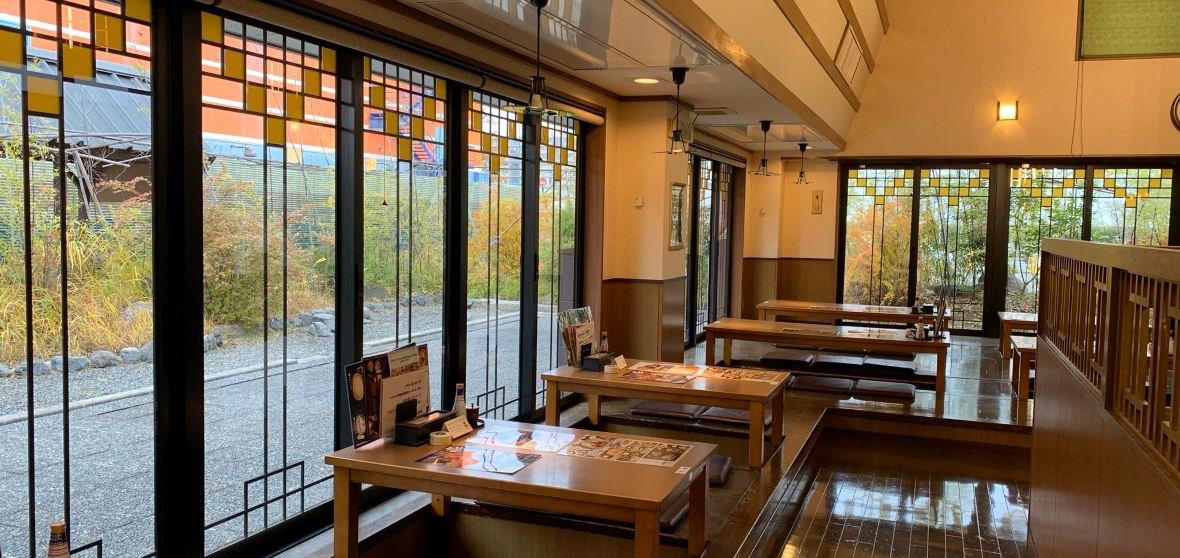
A compact, casual ramen shop atmosphere with counter and table seating and a direct, neighborhood feel.