Ramen Nageyari

Ramen Nageyari gives Kakamigahara a serious noodle address rather than a casual footnote between Gifu and Nagoya. Its Tabelog Ramen EAST “Tabelog 100” selections, including 2025, place it in the regional conversation for ramen and tsukemen, while the modest price band keeps the experience grounded in the everyday logic of Japanese noodle culture.
Pearl is the En Primeur Club membership app — saves, bookings, and concierge access live there. Same editors, same standards.
- Address
- 2 Chome-53 Nakanobatacho, 那加野畑町 Kakamigahara, Gifu 504-0025, Japan
- Phone
- +81 58-389-2339
- Website
- ameblo.jp
- Directions
- Get directions
 Saves & bookings on Pearl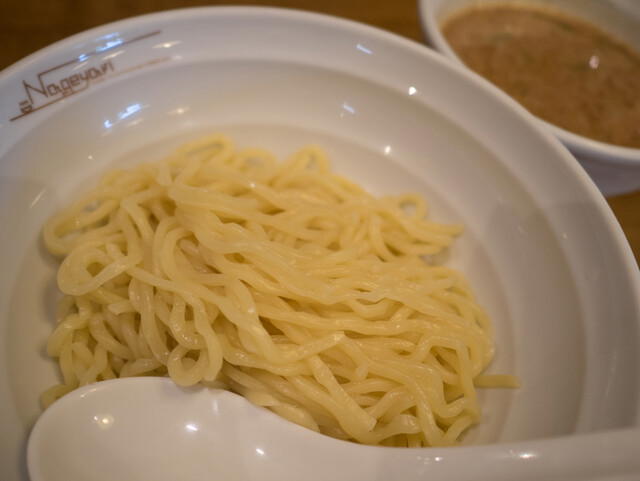
Approach in Kakamigahara and the ramen grammar changes before the bowl arrives: this is not a neon-dense station district or a department-store basement counter, but a low-rise, house-style setting on the city’s everyday grid. That matters. Regional ramen shops in Japan often earn loyalty through repetition rather than spectacle, and Ramen Nageyari belongs to that school, where the room, the counter, and the short decision tree around ramen or tsukemen do more work than theatrical service.
Kakamigahara sits in Gifu Prefecture, close enough to larger urban food circuits to absorb trends, but far enough from Tokyo’s ramen churn to reward shops with a settled identity. For travellers using our full Kakamigahara restaurants guide, the point is not to treat ramen here as a quick add-on. A Tabelog score of 3.70 and repeated inclusion in the Tabelog Ramen EAST “Tabelog 100” list, including 2025, signal a shop that has cleared a higher regional bar than ordinary local popularity.
Tsukemen and ramen in a Gifu setting, not a Tokyo imitation
The useful way to read this address is through format. Tsukemen, dipping noodles, asks a kitchen to separate noodle texture from broth intensity; ramen asks for integration in the bowl. A shop listing both categories is making a claim about noodle handling as much as soup. Without naming specific dishes that are not listed, the category itself tells the reader what to look for: firmness, temperature control, and broth concentration carry more weight than decorative toppings.
Ingredient sourcing is often discussed too loosely in ramen writing. What can be said with confidence here is more structural: regional ramen depends on procurement systems that can support repeatable soup, noodles, tare, and garnish day after day at a working-lunch price. At Ramen Nageyari, the spending range sits in the JPY 1,000 to JPY 1,999 band, which places pressure on consistency rather than luxury produce signalling. In that tier, value comes from balance and execution, not rare ingredients announced for prestige.
The comparison within Kakamigahara is instructive. Grill Sanka Tei occupies a similar price band but belongs to a different dining rhythm, more meal-house than noodle specialist. That contrast helps define the choice: ramen here is a focused format, built for a narrow set of decisions and a faster cadence. Travellers who usually chase tasting menus should recalibrate; in Japan, serious craft can sit inside a modest bill and a short meal.
The room rewards solo diners, families, and people who read counters well
The listed room count, 29 seats, matters more than it first appears: 11 counter seats and three six-person tables create two parallel experiences. The counter suits solo diners and anyone interested in the kitchen’s timing, while the tables make the shop workable for families and small groups. Children are welcome, and the non-smoking policy gives the room a cleaner everyday profile than older ramen-ya stereotypes might suggest.
This is also where the house-style location makes editorial sense. A house restaurant outside a dense entertainment quarter changes the mood of the meal. The absence of late-night bar energy gives the food a local-destination character: people come for noodles, not for a scene built around drinking. Parking is part of that suburban Japanese dining pattern, with dedicated and shared spaces listed, so the audience is not limited to pedestrians moving through a station arcade.
Recognition gives the shop a wider frame. Tabelog’s Ramen EAST “Tabelog 100” selections in 2017, 2018, 2019, 2020, 2021, 2022, 2024, and 2025 show continuity across multiple list cycles. That is not the same as a luxury award, and it should not be read that way. It is more useful as evidence of durability in a category where diners are quick to move on when broth, noodles, or service rhythm slips.
How to place it within a wider Kakamigahara itinerary
Ramen Nageyari is a strong fit for travellers who want one meal in Kakamigahara to express local dining habits rather than destination-dining ceremony. The city’s hospitality ecosystem is quieter than Kyoto or Tokyo, so planning across categories helps. Pair restaurant research with our full Kakamigahara hotels guide, our full Kakamigahara bars guide, our full Kakamigahara wineries guide, and our full Kakamigahara experiences guide if the meal is part of a broader Gifu stay.
The editorial verdict is simple: come for a disciplined regional ramen experience, not for luxury theatre. The awards history and focused noodle categories make it a credible stop for ramen-literate travellers, while the price tier and family-friendly seating keep it close to the everyday culture that gives ramen its force in Japan.
Further reading across
- -Grilled beef Sukiyaki- KAMAKURA TANUKIAN 鎌倉 たぬき庵 in Kamakura
- . 鮪と炭火焼き うお炭 秋葉原店 in Tokyo
- .cafe in Osaka
- .know in Kumamoto
- (Shoku) Vietnam in Kawasaki
- [Curry Senmon Ten] Maruyama Kyoju. in Sapporo
- [ki:] in Kyoto
- #肉といえば松田 奈良本店 in Kashihara
- 1/3 HAMBURGER FACTORY in Kanazawa
- 1000 in Yokohama
- Jōdo Saké Bar in Los Angeles
- Onigiri Time in Pasadena
How It Stacks Up
Comparable venues by cuisine and price in the same metro.
| Venue | Cuisine | Price | Notes |
|---|---|---|---|
| Ramen Nageyari | Pork & seafood ramen and tsukemen shop | $ | Not listed |
| Grill Sanka Tei | Yoshoku (Japanese-style Western cuisine) | $$ | Kakamigahara |
| O Dashi to Ginshari Chuka Soba Nito | Ramen & chuka soba near Nagoya Station | $ | Nakamura |
| Chuka Soba Ueda Seimen Ten | Japanese Ramen | $ | Naka |
| Sapporo Ramen Ezo Men Rock Shinsakae ten | Sapporo-style Ramen | $ | Naka |
| Fujimi Tei Honten | Kourai-style tonkotsu ramen | $ | Naka |
Recognition history
Dated appearances from independent guides and award organizations, with the underlying list record or original source where available.
Tabelog 100 #69 · No. 69
Tabelog · Tabelog 100 - Ramen - EAST - 2025
Continue exploring
More in Kakamigahara
Restaurants in Kakamigahara
Browse all →
Bars in Kakamigahara
Browse all →

At a Glance
- Cozy
- Casual
- Solo
- Casual Hangout
- Family
- After Work
- Group Dining
- Standalone
Current opening hours
- Monday
- 11 AM–2 PM, 5:45–8:45 PM
- Tuesday
- Closed
- Wednesday
- Closed
- Thursday
- 11 AM–2 PM, 5:45–8:45 PM
- Friday
- 11 AM–2 PM, 5:45–8:45 PM
- Saturday
- 11 AM–2 PM, 5:45–8:45 PM
- Sunday
- 11 AM–2 PM, 5:45–8:45 PM
Hours can change for holidays and private events. Last verified .
A compact, no-frills neighborhood ramen joint on a busy road, with functional counter-style seating, simple decor, and a casual, lively atmosphere focused squarely on efficient service and hearty bowls rather than design.