
Michelin Bib Gourmand · Tabelog 100 #69
Our verdict
Ramen Kuon, tucked into the basement of Senba Center Building in Osaka's Chuo Ward, holds consecutive Michelin Bib Gourmand recognition for 2024 and 2025. The kitchen's signature Shio Soba is built on a triple-layer soup of fish, shellfish, and chicken prepared with Pi-Water, with high-hydration noodles milled from three wheat varieties and three styles of chashu. At a single yen-sign price point, it occupies a precise tier in Osaka's ramen scene.

Pearl is the En Primeur Club membership app, where members save venues, book tables and use the concierge.
Below Ground in Senba: Osaka's Underground Ramen Corridor
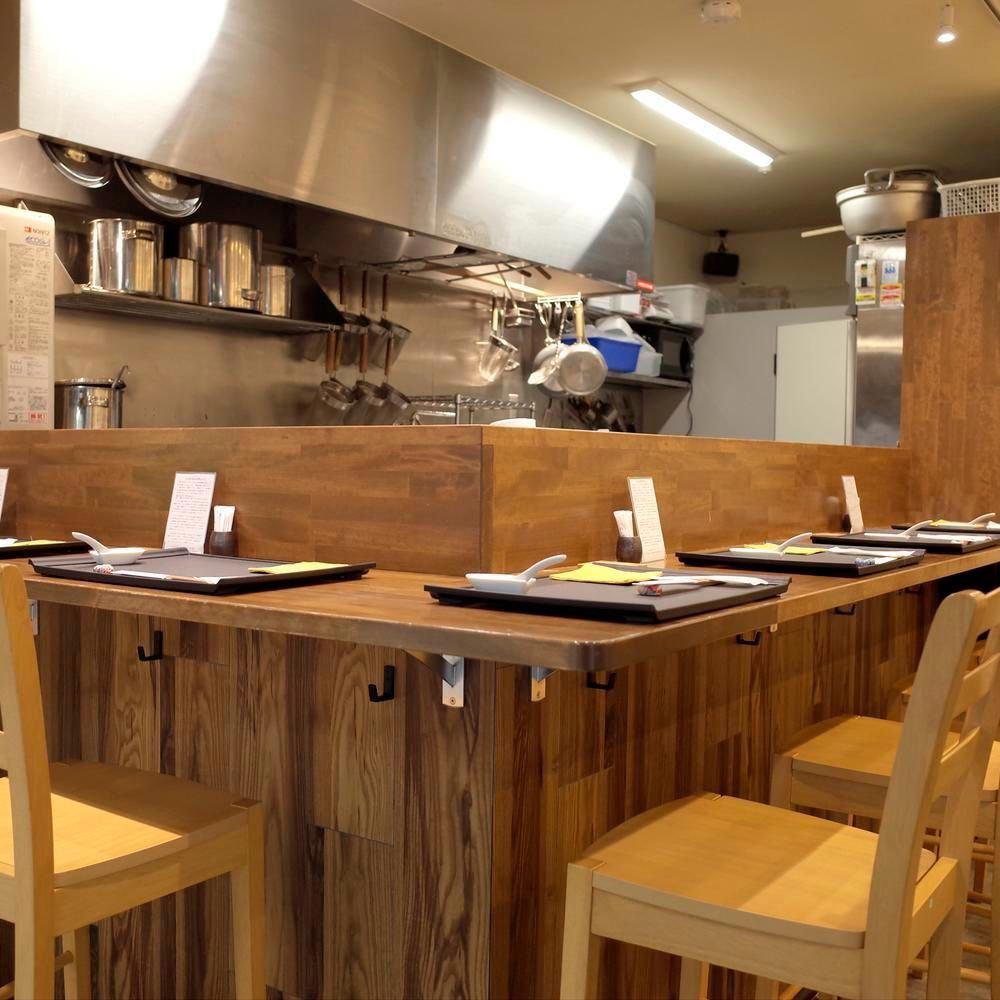
Senba Center Building sits beneath the refined Hanshin Expressway in Osaka's Chuo Ward, a mid-century wholesale complex that has quietly accumulated a subterranean food culture most visitors never find. The basement levels of the building's multiple pavilions house ramen counters, soba shops, and lunch-trade fixtures that serve the surrounding textile and business district rather than the tourist circuit. Ramen Kuon operates on the basement second floor of the third pavilion, a level that feels genuinely subterranean, lit by the kind of fluorescent warmth that signals function over atmosphere. This is not a design-forward space, and that distinction matters when reading how Osaka's Bib Gourmand-recognised ramen scene has developed. The city's most decorated affordable bowls often occupy exactly these kinds of unremarkable physical envelopes, where the argument is made entirely in the bowl.
The Architecture of Shio Soba
Salt-based ramen occupies a different register from the tonkotsu-heavy tradition that defines much of Kyushu's ramen culture, and Osaka's Shio practitioners have carved a quieter niche within the city's own ramen map. At Ramen Kuon, the Shio Soba is constructed from a triple-soup base of fish, shellfish, and chicken. The broth is prepared with Pi-Water, a processing method that proponents associate with a finer molecular structure closer to intracellular fluid, the claim is not scientifically settled, but its presence signals the level of ingredient-level deliberateness that Michelin's Bib Gourmand inspectors consistently reward in the affordable segment. The seaweed component, sea lettuce and nori, adds a marine register to the broth that is saline without being assertive, a balance that Shio-style ramen at this level requires. This is a bowl where the margin between correct and flat is narrow, and the soup's triple construction provides the depth to stay clearly on the right side of that line.
The noodles are produced from a blend of three wheat flours at high hydration, a method that produces a texture approximating hand-kneaded noodles without the inconsistency of full artisan production. High-hydration noodles absorb broth differently from lower-hydration equivalents, they carry more liquid per bite and release it more slowly, which affects the way the soup's flavour accumulates across the bowl. Three chashu preparations, combining pork and chicken, complete the construction. The combination is deliberate: pork chashu brings fat and richness, chicken chashu a leaner, cleaner protein note. The interplay between the two within the broth context of a salt-based soup is a different proposition from the usual tonkotsu-chashu pairing, where pork dominates by default.
Beverage Context: Sake and the Salt Ramen Register
Ramen counters in Japan rarely carry a developed sake programme, and this is a point worth addressing directly because the editorial angle on pairing matters here. At Osaka's Bib Gourmand tier, the beverage context is typically beer or canned chu-hi rather than nihonshu selections. That is the honest framing. What changes the conversation around Shio Soba and sake is theoretical but grounded: salt-based ramen, with its lighter broth and pronounced marine elements, is more compatible with sake than tonkotsu or miso equivalents, where umami saturation and fat make sake's delicacy harder to perceive. A junmai daiginjo or a light junmai ginjo, varieties characterised by high rice-polishing ratios and clean finish, sit alongside Shio broth without competition. The seaweed and shellfish notes in Kuon's triple soup pull toward the same mineral register that marks many Niigata-prefecture sake styles. Diners who want a pairing framework here would do better sourcing sake from one of Osaka's specialist retailers before or after a visit rather than expecting a counter sake list. That practical gap does not diminish the bowl; it simply means the pairing opportunity is self-directed rather than curated. For Osaka's broader sake geography, the city's Namba and Shinsaibashi precincts carry specialists who can advise on Shio-compatible selections.
Where Ramen Kuon Sits in Osaka's Ramen Tier
At a single yen-sign price point, the bowl sits at the entry end of the cost scale while the award recognition places it against a different competitive reference: the handful of ramen counters across Kansai that hold or have held similar recognition. Within Osaka's own ramen map, Chukasoba Mugen, Chukasoba Uemachi, and Hommachi Seimenjo Chukasobakobo occupy the same general noodle-focused tier, each approaching the form from a different structural angle. Kadoya Shokudo and Kamigata Rainbow extend the range of comparison within the city's recognised casual dining segment. The Senba location means Kuon draws a different demographic than counters in Namba or Amerika-Mura, lunchtime weekday trade from the surrounding business district rather than evening tourist footfall, which tends to mean shorter waits outside peak lunch hours.
Japan's broader ramen reference set extends well beyond Osaka. Afuri in Tokyo built its reputation on yuzu-shio, a citrus-inflected salt ramen that occupies a similar light-broth register to Kuon's approach, though with a different flavour axis. Afuri Ramen in Portland demonstrates how that format translates internationally. At the fine-dining end of the Osaka spectrum, Hajime and La Cime operate at the opposite price tier, while kaiseki practitioners like Taian and Kashiwaya establish the upper register of the city's Japanese culinary ambitions. Ramen Kuon operates entirely separately from that world, its recognition comes from a different Michelin mechanism, the Bib rather than the star, and serves a different function in any Osaka dining itinerary. For the wider Kansai region, Gion Sasaki in Kyoto and akordu in Nara illustrate the range of the dining scene accessible within a day trip.
Planning a Visit
The Senba Center Building basement is accessible from Hommachi Station on the Midosuji and Yotsubashi lines, a central interchange station that puts the address within reach of most Osaka hotel zones without a transfer. The address is the third pavilion (3号館), basement second floor. The building's multiple pavilions and multiple basement levels can disorient first-time visitors; the third pavilion is the correct entry point. Google's rating across 603 reviews is a reliable directional signal given the volume, suggesting consistent delivery rather than occasional excellence. No booking information is confirmed in available data; the lunch-trade nature of the location and the counter format suggest walk-in as the primary access method, with timing before or after the 12:00–13:30 peak window advisable. For full city planning context, see our full Osaka restaurants guide, our full Osaka hotels guide, and our full Osaka bars guide. The Osaka experiences guide and wineries guide complete the city's editorial coverage.
| Venue | Format | Price | Recognition | Access |
|---|---|---|---|---|
| Ramen Kuon | Ramen counter | ¥ | Michelin Bib Gourmand 2024, 2025 | Hommachi Station |
| Chukasoba Mugen | Ramen counter | ¥ | Osaka ramen tier | Central Osaka |
| Chukasoba Uemachi | Ramen counter | ¥ | Osaka ramen tier | Central Osaka |
| Hommachi Seimenjo Chukasobakobo | Ramen/noodle | ¥ | Osaka noodle tier | Hommachi area |
Frequently asked questions
Is Ramen Kuon better for a quiet night or a lively one?
The Senba Center Building basement runs on a weekday lunch rhythm: the surrounding wholesale and business district fills it during the day and empties by evening. Ramen Kuon suits a focused, unhurried meal rather than a late-night gathering. The ¥-range pricing and counter format reinforce that, this is a place to concentrate on a bowl of Bib Gourmand-recognised shio soba, not to linger over drinks.
Where is Ramen Kuon located?
Ramen Kuon is located at Japan, 〒541-0055 Osaka, Chuo Ward, Senbachuo, 1 Chome−4−3 船場センタービル 3号館地下2階, Osaka.
Is Ramen Kuon award-winning?
Ramen Kuon has received recognition including: The chef takes pride in his “Shio Soba” (salt noodles), his quest for a bowl of perfection. Taste the seaweed—sea lettuce and nori—and you can feel the rustle of sea breezes. Triple soup of fish, shellfish and chicken is prepared using Pi-W….
What's the best thing to order at Ramen Kuon?
The Shio Soba is the bowl that earned the Michelin Bib Gourmand in both 2024 and 2025. It is built on a triple soup of fish, shellfish, and chicken prepared with Pi-Water, finished with sea lettuce and nori, and paired with high-hydration noodles made from three wheat flour varieties. Three chashu preparations, combining pork and chicken, complete the bowl.
What style of cooking does Ramen Kuon do?
Nearby-ish Comparables
A quick peer check to anchor this venue’s price and recognition.
| Venue | Cuisine | Price | Awards | Notes |
|---|---|---|---|---|
| Ramen KuonThis venue (the venue you are viewing) | Shio Soba Ramen | $10–20 | Michelin Bib Gourmand · Tabelog 100 #69 | Not listed |
| HAJIME | Avant-Garde Japanese Fine Dining | $300–500 | 3 Michelin Stars · World's 50 Best #83 | French, Innovative |
| La Cime | Modern French with Japanese Ingredients | $150–200 | 2 Michelin Stars · World's 50 Best #13 | French |
| Kashiwaya Osaka Senriyama | Seasonal Kaiseki Omakase | $200–300 | 3 Michelin Stars · La Liste Top Restaurants | Japanese |
| Taian | Traditional Japanese Kaiseki Omakase | $150–200 | 3 Michelin Stars · La Liste Top Restaurants | Kaiseki, Japanese |
| Fujiya 1935 | Modern Japanese with European influences | $100–150 | 2 Michelin Stars · La Liste Top Restaurants | Innovative |
Recognition history
Dated appearances from independent guides and award organizations, with the underlying list record or original source where available.
Michelin Bib Gourmand
Michelin
Tabelog 100 #69 · No. 69
Tabelog · Tabelog 100 - Ramen - OSAKA - 2025
Full recognition history (4 entries)
Michelin Bib Gourmand
Michelin
Michelin Bib Gourmand
Michelin