
Tabelog 100 #35
Our verdict
Ramen Hoshijirushi is a compact Tanmachi counter in Yokohama’s Kanagawa ward, operating in the city’s serious ramen tier rather than the tourist dining circuit. Its Tabelog 100 Ramen Kanagawa 2025 selection, 3.76 score, and long run of Hyakumeiten recognition place it among Kanagawa ramen shops that reward planning, patience, and a cash-ready solo lunch mindset.

Pearl is the En Primeur Club membership app, where members save venues, book tables and use the concierge.
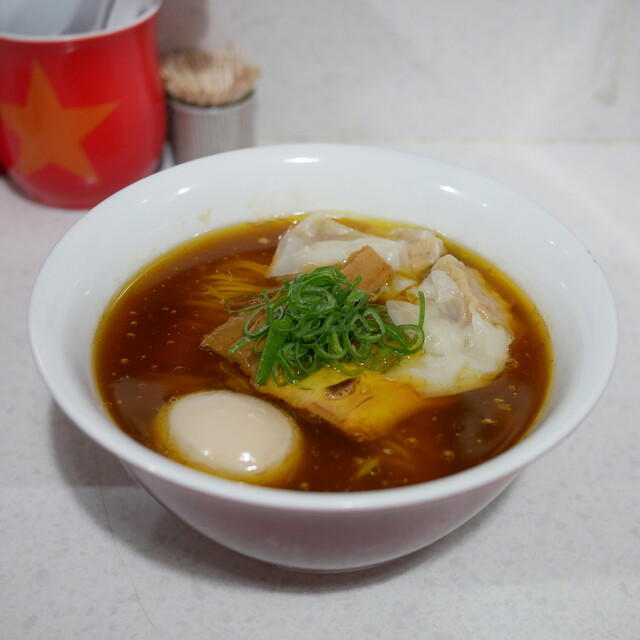
The menu
What to order
- Shoyu Ramen
- Nagoya Cochin egg rice
- Double-soup ramen with clear tonkotsu and chicken niboshi broth
Approaching Yokohama through its everyday dining streets, the ramen map changes character. The city’s port-facing dining image can make visitors think first of banquets, hotel restaurants, or waterfront meals, but the sharper local ramen conversation often happens through focused noodle addresses rather than ceremony. Ramen Hoshijirushi belongs to that Yokohama: a ramen specialist whose appeal is best understood through its category, price band, and current recognition.
Kanagawa ramen is not a single style. Yokohama is inseparable from iekei, the pork-and-soy lineage born in the city, but the prefecture’s stronger ramen conversation now ranges across many approaches and formats. That variety is why Tabelog’s Hyakumeiten lists matter here. A place selected for Tabelog 100 Ramen Kanagawa 2025 is being read against a dense regional field, not just against casual noodle shops near a station. Ramen Hoshijirushi’s recognition in that 2025 selection is a useful signal in a category where attention moves quickly.
A Yokohama ramen counter built for the single-bowl decision
The format of a ramen meal is part of the argument. In Japan, ramen is often approached as a focused, single-bowl decision rather than a long, multi-course occasion. Diners arrive ready to choose, eat with attention, and let the bowl define the meal. That is not austerity; it is part of why ramen can remain both everyday and intensely scrutinized.
The listed budget, JPY 1,000 to JPY 1,999 for both lunch and dinner, keeps the experience in the everyday ramen economy even as the recognition places it in a more selective group. That tension is one reason serious ramen remains one of Japan’s rare luxury-adjacent categories without luxury pricing. A praised ramen stop can cost less than a hotel breakfast, yet demand is often governed by timing and availability rather than price. For travelers used to tasting menus and deposits, the discipline here is different: plan the meal deliberately and treat it as a focused ramen stop rather than a flexible add-on.
Within Yokohama, that puts the shop closer in spending terms to Shinachiku Tei than to high-ticket restaurants such as INACASA, while below the ceremony and cost structure of destination dining. Raamen Mu and Pain de U sit in the city’s broader casual orbit, showing how narrow Yokohama’s everyday-price differences can look on paper. The distinction is less about expense than about purpose: ramen specialists ask for attention to one format, one meal, and the specific appeal of the bowl.
Recognition matters in Kanagawa because the field is crowded
Tabelog’s 3.76 score is a useful reading point, not a trophy in isolation. Japanese user-rating culture tends to be conservative, and ramen shops with sustained scores in this range usually have moved beyond neighborhood convenience into destination consideration. The Tabelog 100 Ramen Kanagawa 2025 listing reinforces that position. The more persuasive detail is the context: ramen reputations can spike after social-media attention and fade just as quickly, so current recognition in a crowded regional field matters.
That recognition also helps explain why a Yokohama ramen address can compete with better-known Yokohama dining patterns. Visitors often concentrate on the city’s most obvious dining plans; a ramen-focused stop can shift the meal toward a more local rhythm, where the appeal is the bowl itself rather than scenery or ceremony.
Ramen is a category defined by constant openings, limited specials, and style migration, so recognition has to be read carefully. A restaurant that earns attention in Kanagawa is not merely benefiting from the broader popularity of noodles. It has entered the group of Yokohama addresses that ramen-focused diners weigh alongside other specialist stops rather than as a convenience meal.
How to place it in a Yokohama eating day
Ramen Hoshijirushi works better as a planned anchor than as an afterthought between larger meals. The category rewards arriving with appetite and treating the bowl as the point of the stop. Travelers building a broader Yokohama day can make it the focused ramen meal, then move toward lighter drinking or walking later rather than stacking it against another heavy meal.
For broader city planning, use Our full Yokohama restaurants guide to separate ramen specialists from longer-format dining, and pair it with Our full Yokohama hotels guide, Our full Yokohama bars guide, Our full Yokohama wineries guide, and Our full Yokohama experiences guide if the day extends beyond lunch. Yokohama’s dining range is broad, and the city moves quickly from noodles to grill, curry, and neighborhood dining. Regional add-ons widen the frame, with nearby eating that is not trying to imitate central Tokyo.
For readers tracking Japanese food culture outside Kanagawa, the comparison becomes useful rather than decorative. Other dining rooms in Japan and abroad speak to a wider point: Japanese dining formats travel, mutate, and scale differently. A Yokohama ramen address is not about export polish. Its value is local concentration, not spectacle.
The editorial read is clear: this is a specialist stop for diners who care about Yokohama ramen beyond the obvious iekei headline. The combination of Hyakumeiten 2025 recognition, a Tabelog score of 3.76, and an accessible price band makes the planning burden worthwhile for ramen-focused travelers. It is not the same kind of occasion as a long-format restaurant, and it is not best understood as a catch-all group dining solution. It is a precise Yokohama ramen decision.
Frequently asked questions
What's Ramen Hoshijirushi's location?
Yokohama.
What's the pricing like at Ramen Hoshijirushi?
Pricing at Ramen Hoshijirushi is listed as JPY 1,000 - JPY 1,999 JPY 1,000 - JPY 1,999.
Should I book Ramen Hoshijirushi in advance?
Plan ahead for the visit, especially because ramen stops can be governed by timing and availability rather than flexible pacing.
What is Ramen Hoshijirushi known for?
Ramen Hoshijirushi is known as a Yokohama ramen specialist listed in Tabelog 100 Ramen Kanagawa 2025.
Cuisine and Awards Snapshot
Comparable venues for orientation by cuisine and category.
| Venue | Cuisine | Price | Awards | Notes |
|---|---|---|---|---|
| Ramen HoshijirushiThis venue (the venue you are viewing) | Classic shoyu ramen shop | $10–20 | Tabelog 100 #35 | Not listed |
| Menba Hamatora | Ramen | $1–10 | Tabelog 100 #50 | Kanagawa |
| Gumyoji Hekan | Ramen & Soba Izakaya | $1–10 | Tabelog 100 #44 | Minami |
| Ramen Matsushin | Classic Japanese Ramen Shop | $10–20 | Tabelog 100 #86 | Tsurumi |
| Kawa no Saki no Ue | Japanese Ramen | $10–20 | Tabelog 100 #65 | Kōnan |
| Susurimase nka | Ramen & Tsukemen Shop | $10–20 | Tabelog 100 #62 | Kōnan |
Recognition history
Dated appearances from independent guides and award organizations, with the underlying list record or original source where available.
Tabelog 100 #35 · No. 35
Tabelog · Tabelog 100 - Ramen - KANAGAWA - 2025
Continue exploring
More in Yokohama
Restaurants in Yokohama
All restaurants in Yokohama →



Bars in Yokohama
Browse all →






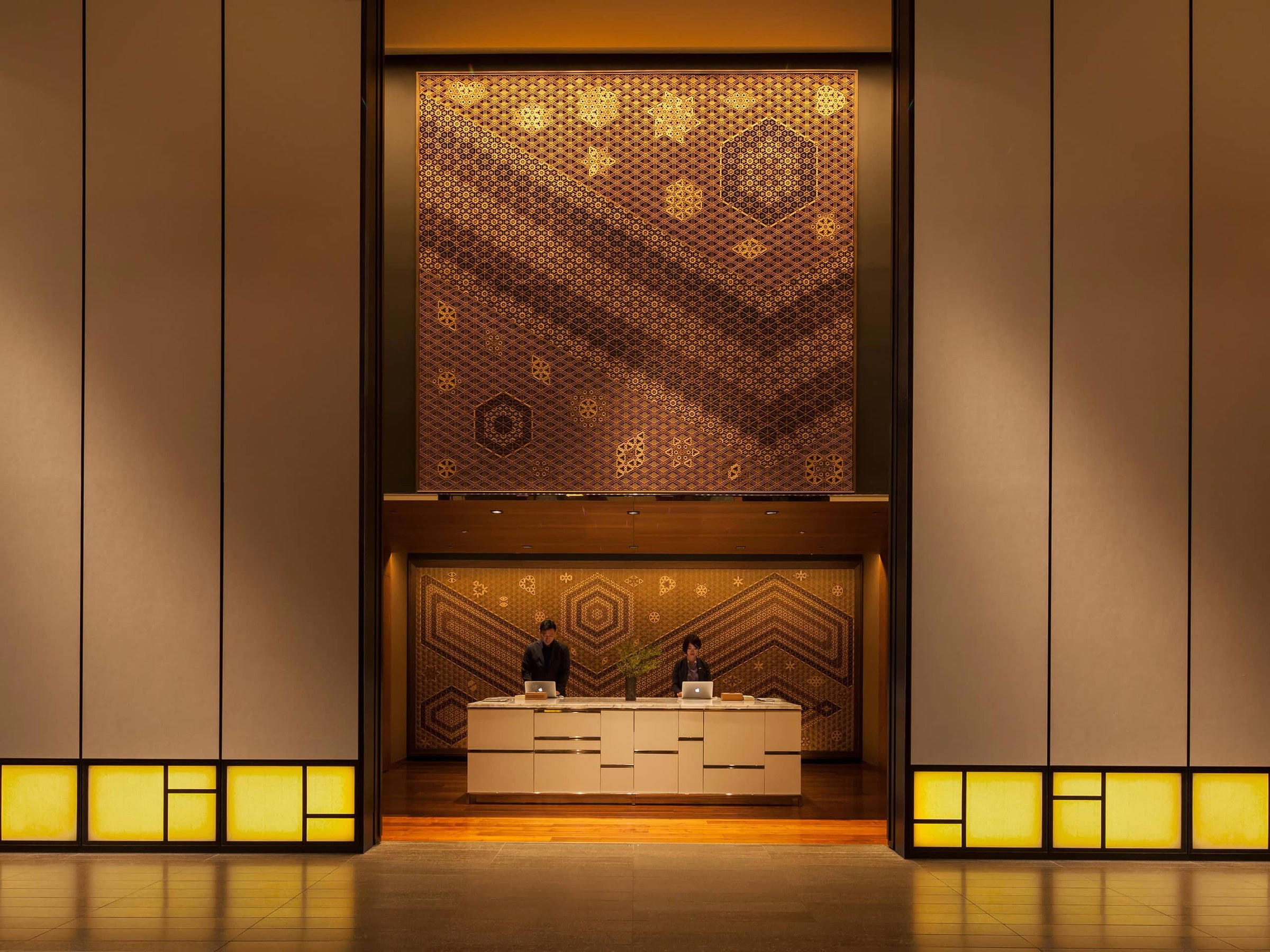
Details
- Cozy
- Lively
- Classic
- Intimate
- Solo
- Casual Hangout
- After Work
- Chefs Counter
- Standalone
- Street Scene
- A La Carte
- Counter Dining
A snug eight-seat, non-smoking counter-only shop with a simple, classic ramen-ya feel and an energetic but orderly atmosphere focused on the craft of the bowl.