Ramen Bario
Ramen Bario brings Japanese noodle culture to Oahu's increasingly confident Japanese dining scene, sitting alongside venues like Asuka Japanese Nabe + Shabu Shabu in a tier defined by technique and tradition rather than spectacle. For visitors mapping Oahu's food character beyond the resort strip, it represents a different register of the island's relationship with Japanese culinary heritage.
Pearl is the En Primeur Club membership app — saves, bookings, and concierge access live there. Same editors, same standards.
- Address
- Oahu, United States
- Directions
- Get directions
 Saves & bookings on Pearl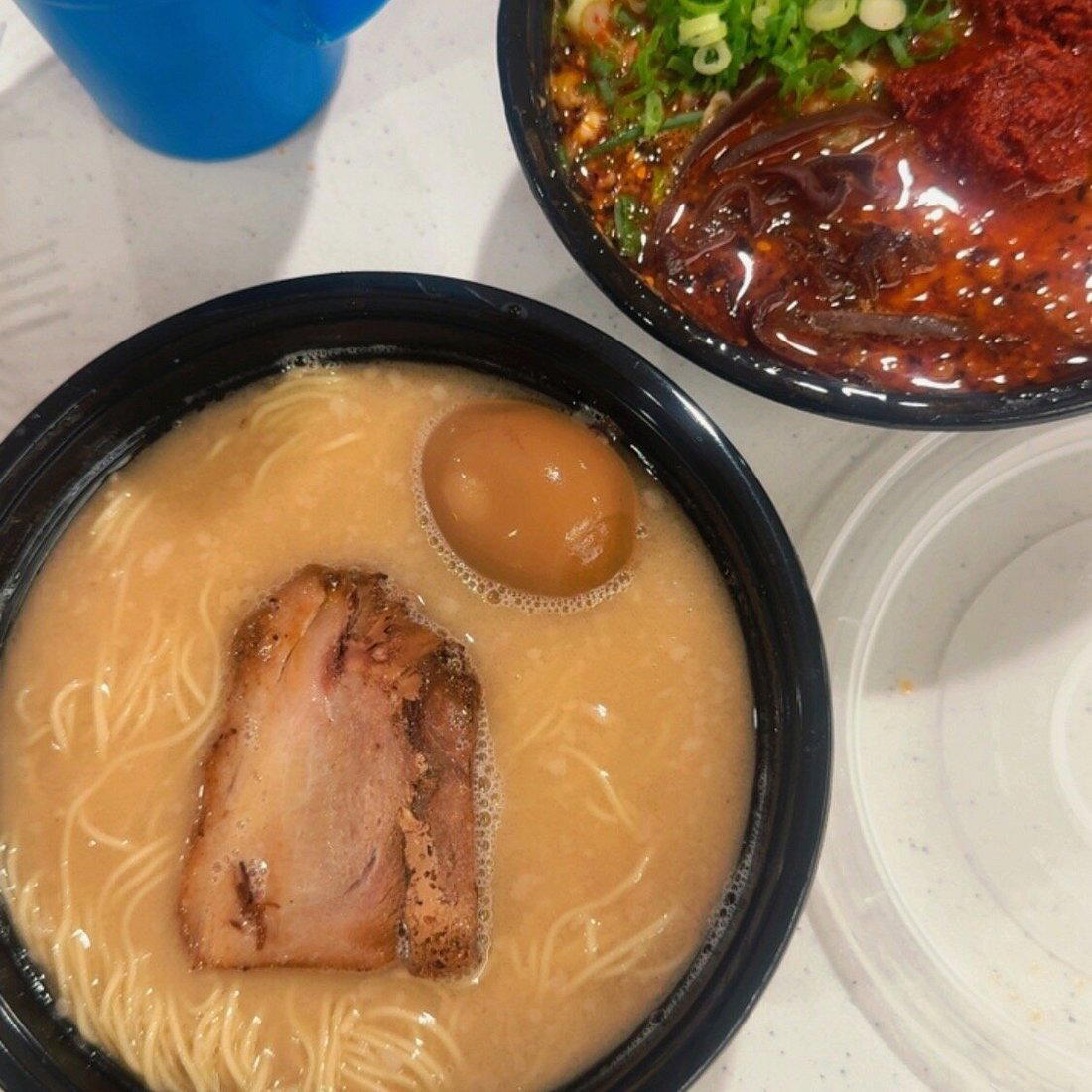
Where Oahu's Japanese Noodle Tradition Lands
Ramen in Hawaii occupies a different cultural position than it does on the mainland. The islands have absorbed Japanese culinary influence for well over a century, through plantation-era immigration patterns that made Japanese food not an import but a baseline. By the time ramen shops began proliferating across American cities as a trend, Honolulu and its surrounding neighborhoods already had a fluent relationship with Japanese comfort food. Ramen Bario enters that context, operating within a local dining culture that reads the category not as novelty but as expectation.
The Oahu Japanese dining scene currently splits between resort-adjacent venues calibrated for visitors and neighborhood-facing spots that answer to a more exacting local palate. Ramen Bario belongs to the second type. That positioning matters because it shapes what the kitchen is accountable to: not a tourist's approximation of Japanese food, but the accumulated reference points of a community that grew up eating it. For the full picture of where Ramen Bario sits within Oahu's broader restaurant ecosystem, our full Oahu restaurants guide maps the range of dining options across the island's distinct neighborhoods.
The Arc of the Bowl: Reading a Ramen Meal as Sequence
Ramen lends itself to a particular kind of progressive eating that most diners move through faster than the kitchen intends. The structure of a well-built bowl follows a logic closer to a composed menu than a single dish: the first few spoonfuls arrive at the temperature and concentration the kitchen designed; the broth evolves as it cools slightly and the noodles begin to release their starch; the fat blooms and integrates differently at each stage. The tare, that concentrated seasoning agent dissolved into the broth, shifts in character as it disperses. This is not a meal to eat against the clock.
Ramen traditions in Japan segment broadly by broth base: tonkotsu (pork bone, opaque and collagen-heavy), shoyu (soy-seasoned, clearer and more austere), shio (salt-based, the most delicate register), and miso (fermented paste, earthier and more textured). Each requires a different pace of eating and a different reading of what the kitchen has accomplished. The noodle choice, firm or soft, thin or wide, alkaline or neutral, compounds the progression further. Serious ramen kitchens treat these variables as a system, not a formula.
In the context of Oahu, where dining expectations increasingly match those of a major Pacific city, ramen done at this level of intentionality sits in a peer group with venues like Asuka Japanese Nabe + Shabu Shabu, which approaches Japanese hot-pot traditions with comparable seriousness. The island's appetite for technique-forward Japanese cooking has grown steadily, and venues that honor the internal logic of a cuisine rather than simplifying it for broad appeal have found their audience.
Oahu's Japanese Dining Tier and Where Ramen Bario Fits
The Japanese restaurant tier on Oahu is not monolithic. At one end sit izakaya-style venues and quick ramen counters built around volume and accessibility. At the other sit formal Japanese dining rooms, occasionally drawing comparisons to the kind of precision cooking associated with Michelin-recognized kitchens in New York such as Atomix, or the sourcing-led tasting menus found at places like Single Thread Farm in Healdsburg. Ramen Bario operates in the middle register of that range: more committed than a fast-casual noodle shop, without the formality or price architecture of a multi-course kaiseki room.
That middle tier is where Oahu's most interesting everyday dining happens. It is also the tier where the gap between what locals accept and what visitors notice is sharpest. Visitors arriving from cities with a thinner Japanese dining culture will read Ramen Bario differently than a Honolulu resident who has two or three reference points already mapped. That layered local context is part of what defines the dining experience.
For visitors building a multi-stop Oahu itinerary, the island's food character extends well beyond Japanese cuisine. 22 Kailua represents a different angle on island dining, while Haleiwa Bowls and Diamond Head Cove Health Bar map the island's parallel appetite for lighter, produce-driven formats. Island Vintage Coffee handles the morning register with local credibility. Together they sketch the range of registers that make Oahu's food scene worth navigating with some deliberateness.
Ramen in the American Fine Dining Conversation
The broader American restaurant conversation has spent years recalibrating what technique-forward cooking looks like outside fine dining's traditional French and European reference points. Kitchens like Le Bernardin in New York City, The French Laundry in Napa, and Alinea in Chicago established the credibility of precision cooking as a category. More recently, the conversation has expanded to include sourcing-led formats like Blue Hill at Stone Barns in Tarrytown, regionally committed kitchens like Addison in San Diego, and places that use Japanese frameworks with American produce, as at Providence in Los Angeles.
Ramen sits outside that formal tier by format and price, but the same underlying logic applies: broth built over long extraction, seasoning calibrated to a specific tare, noodles made to a specification rather than sourced generically. The technical bar for ramen done well is higher than it appears from the outside, which is why the gap between a competent bowl and a considered one is so legible to anyone who has eaten across the spectrum. In Hawaii, where Japanese culinary literacy runs deep, that gap gets noticed.
Planning a Visit
The practical approach is to verify current operating hours and reservation availability directly before visiting, particularly during peak travel periods when Honolulu's dining rooms fill faster than their normal pace. Oahu's visitor numbers peak between December and March and again in June through August, which compresses availability across the island's more popular neighborhood restaurants. If you are structuring a broader Oahu itinerary around dining, our full Oahu restaurants guide provides a current map of the island's restaurants by neighborhood and format, alongside venues like Emeril's in New Orleans and Lazy Bear in San Francisco for comparison against other American regional dining benchmarks. Ramen Bario is leading approached as a neighborhood restaurant rather than a destination, which means arriving with the flexibility that category rewards.
Awards and Standing
Comparable venues nearby, for context on price, style, and recognition.
| Venue | Cuisine | Price | Notes |
|---|---|---|---|
| Ramen BarioThis venue — the venue you are viewing | Tokyo Tonkotsu Ramen | $ | Not listed |
| Jewel or Juice | Açaí Bowls & Smoothies | $ | Kailua |
| Tonkatsu Ginza Bairin | Tonkatsu Specialist | $$ | Waikiki |
| Diamond Head Cove Health Bar | Hawaiian Acai Bowls & Cafe | $$ | Diamond Head - Kapahulu |
| Nalu Health Bar & Cafe | Healthy Hawaiian Fusion Cafe | $$ | Kakaako |
| Sushi Tokiwa | Edomae Omakase Sushi Counter | $$$ | Waikiki |
At a Glance
- Lively
- Trendy
- Casual Hangout
- Open Kitchen
- Beer Program
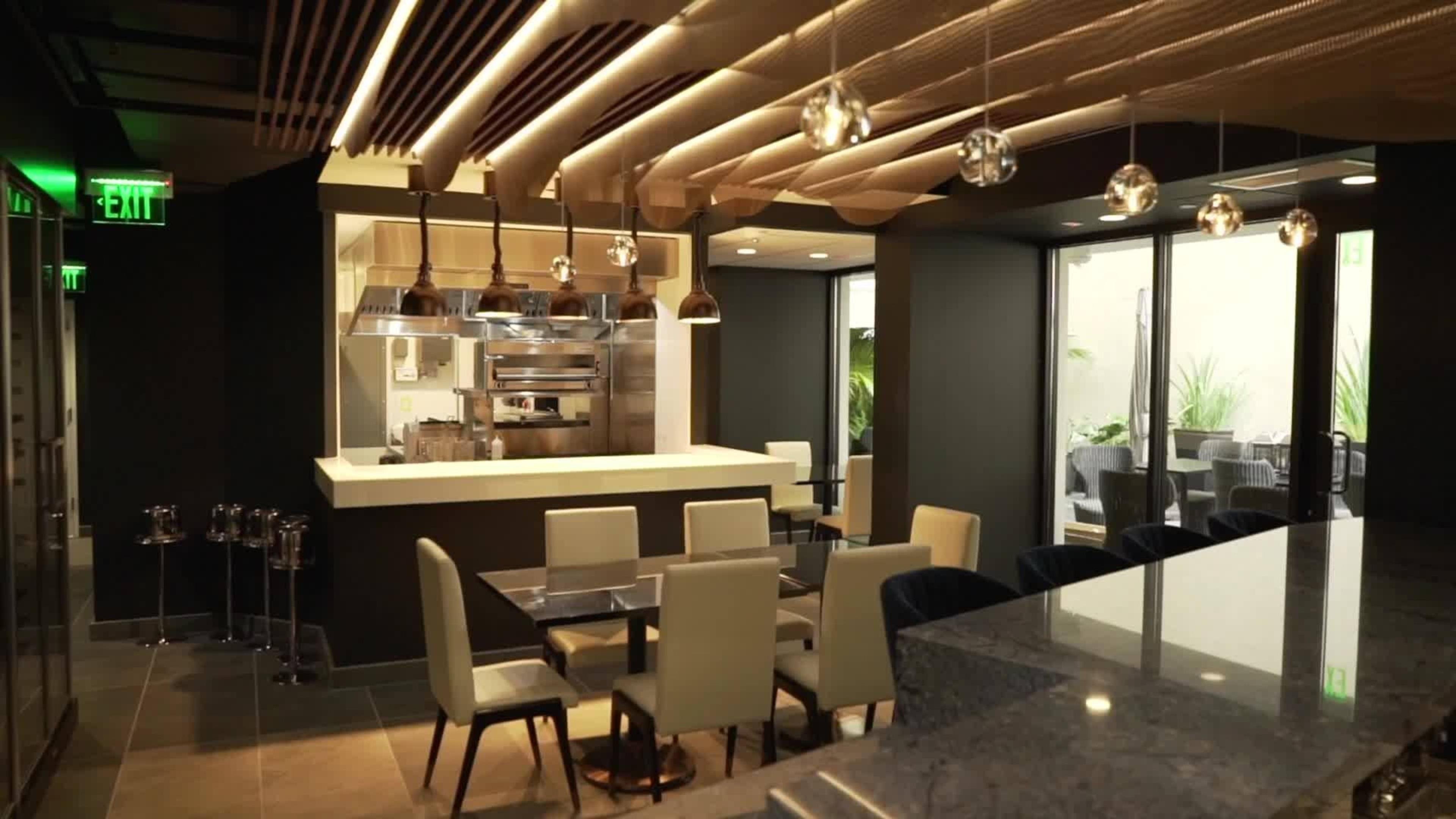
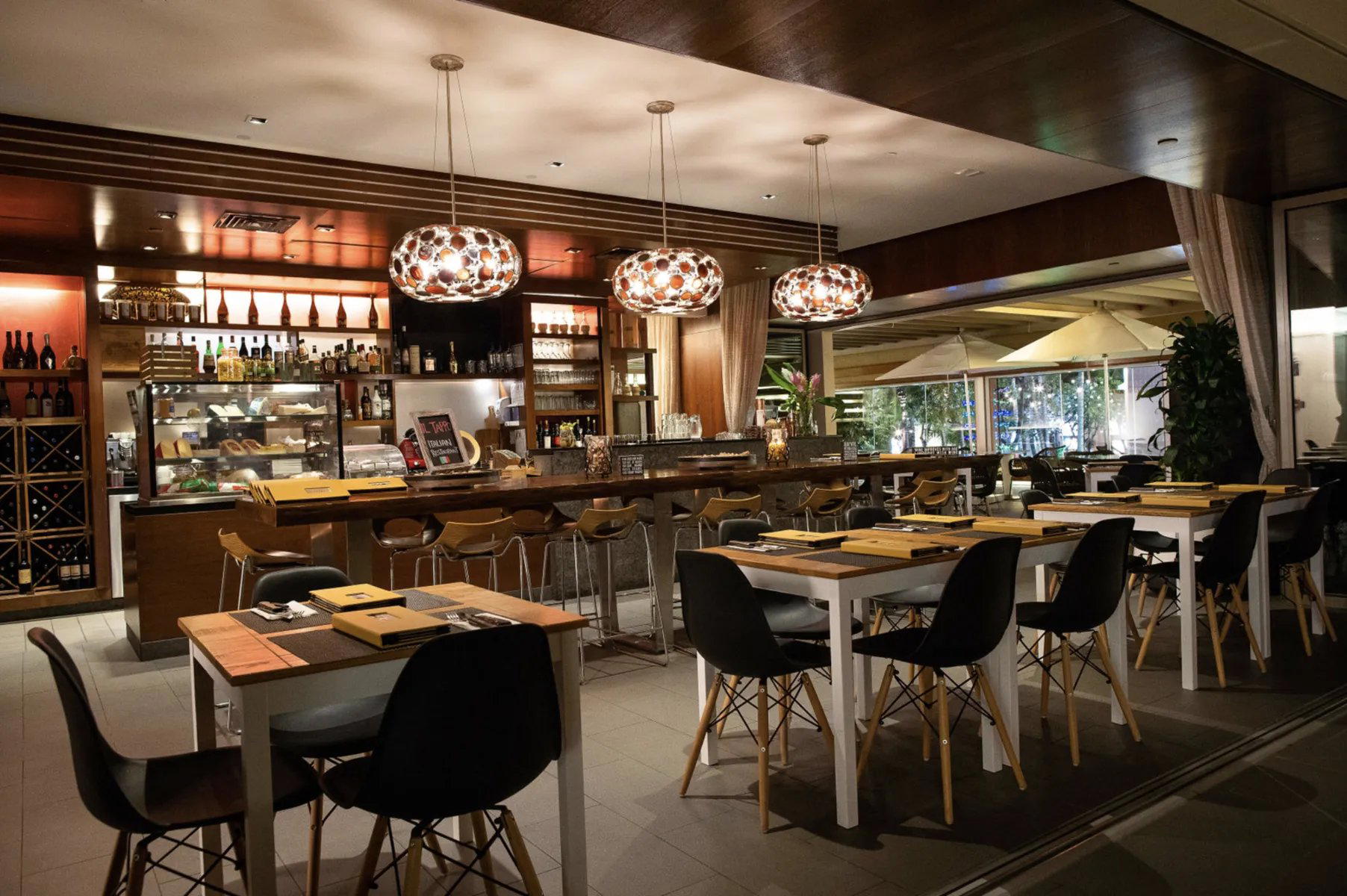
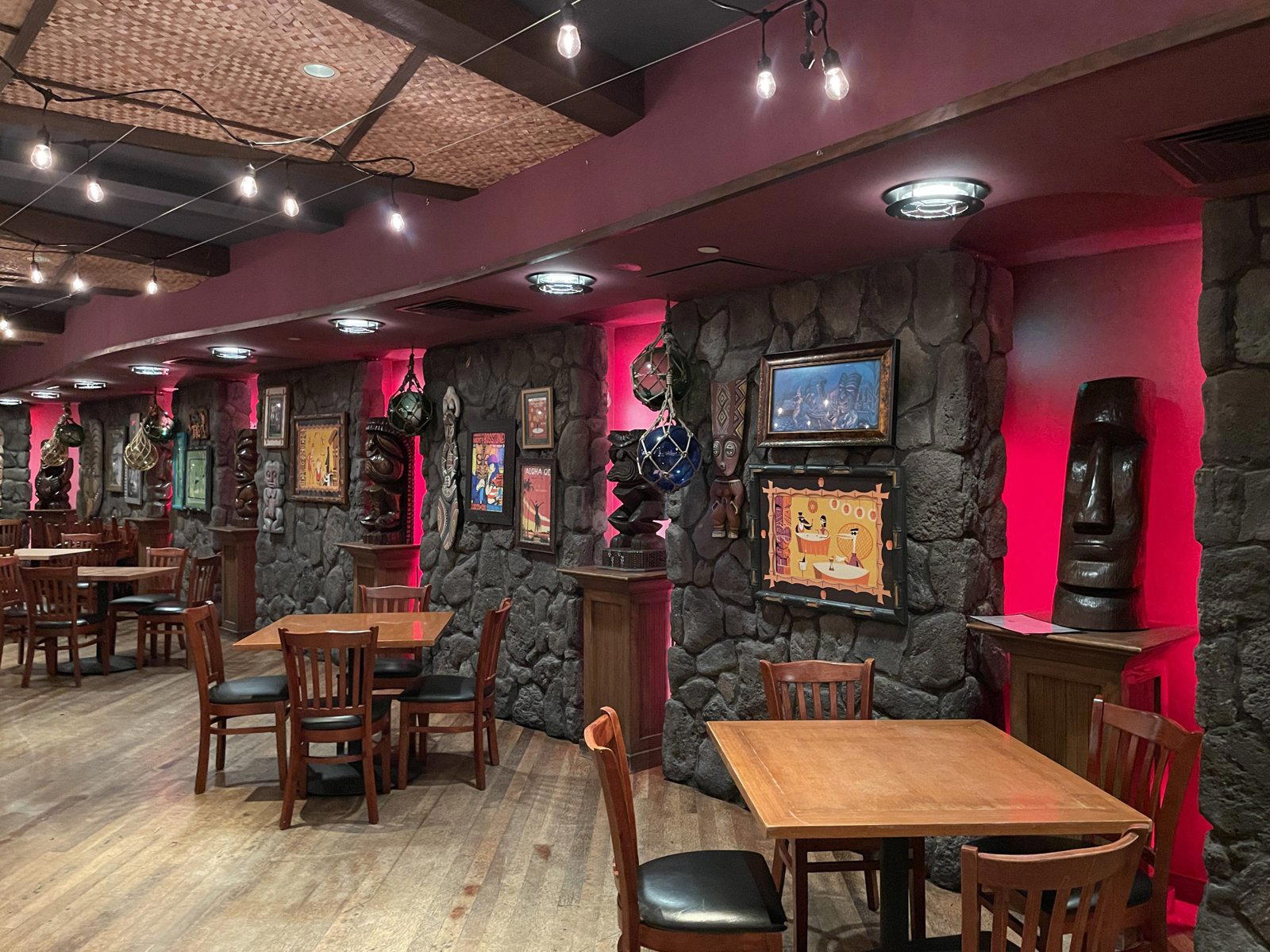
Casual food court setting with a lively Tokyo ramen shop vibe.