Island Vintage Coffee
Island Vintage Coffee occupies a distinctive position in Oahu's café scene, where the line between coffee shop and casual dining destination runs thin. Set against the backdrop of Hawaiian coffee culture, it draws visitors and locals alike with an acai bowl-forward menu and locally sourced ingredients that reflect the island's agricultural identity rather than generic resort fare.
 Discover on Pearl
Pearl is the En Primeur Club membership app — saves, bookings, and concierge access live there. Same editors, same standards.
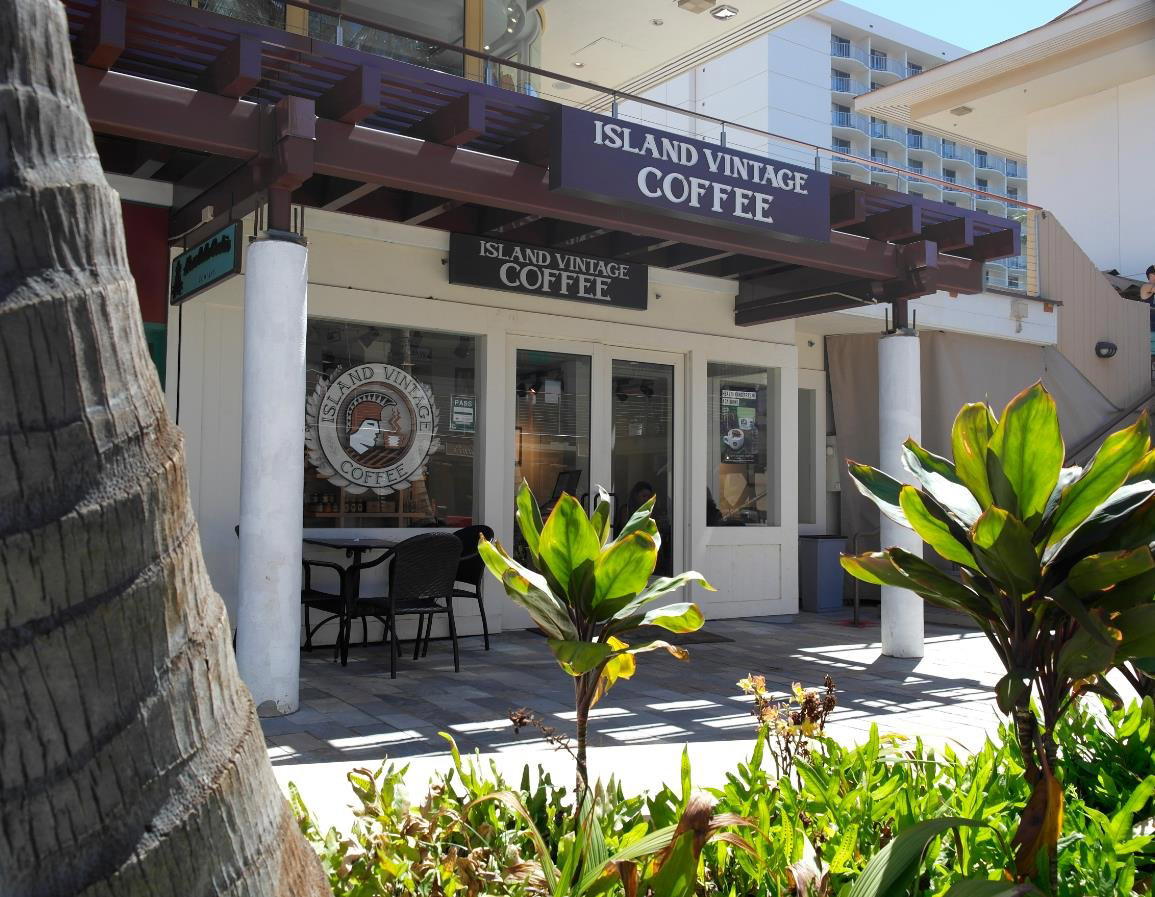
Where Oahu's Coffee Culture Takes Shape
Hawaii's café format has evolved considerably from the simple tourist-facing counters of earlier decades. Today, the serious players in Oahu's coffee and casual dining scene operate closer to what you might find in Portland or Melbourne, ingredient-forward menus, sourcing transparency, and physical spaces designed to hold guests for longer than a quick takeaway stop. Island Vintage Coffee sits inside that shift, representing a Honolulu café tier that takes the physical experience as seriously as what goes into the cup or bowl.
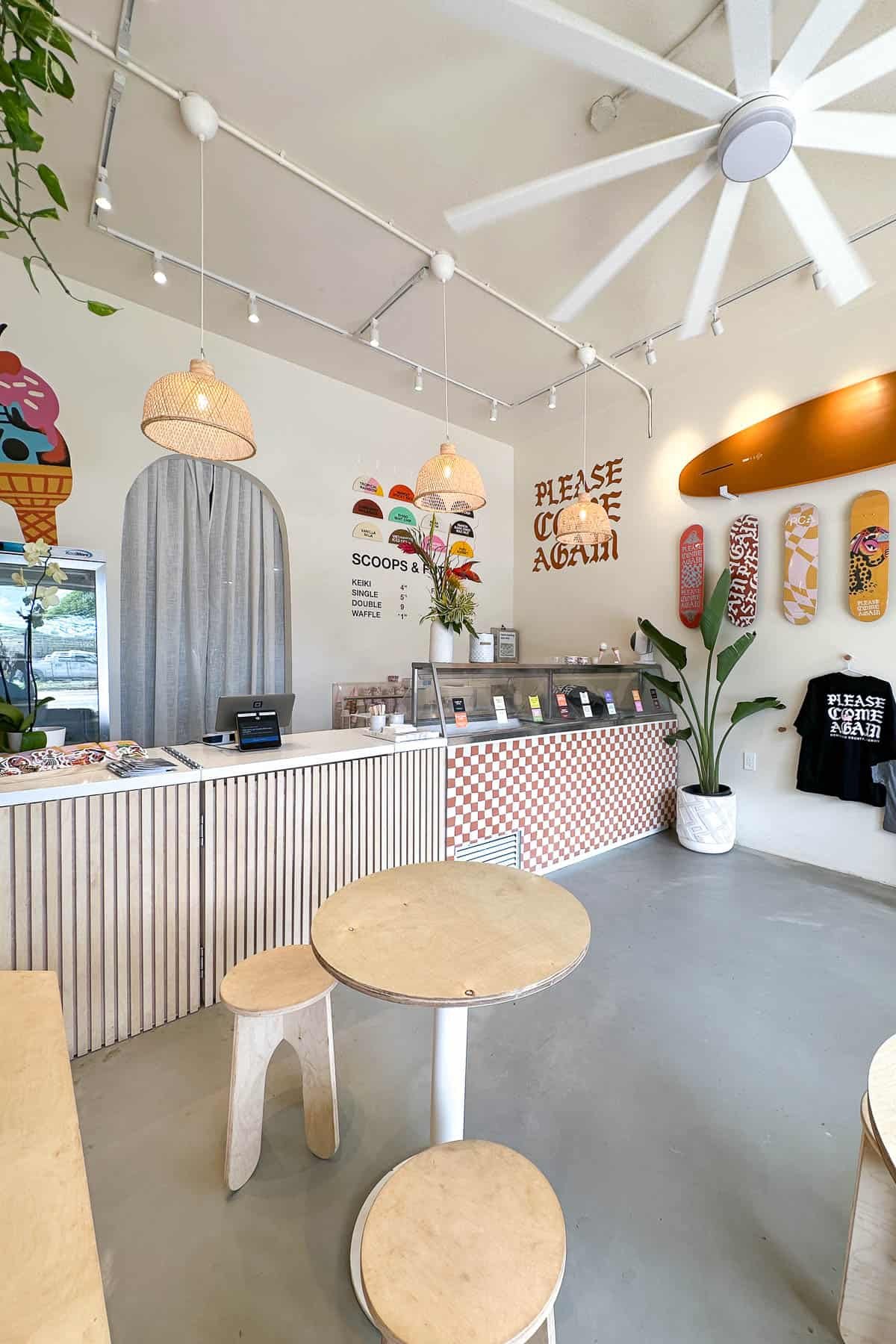
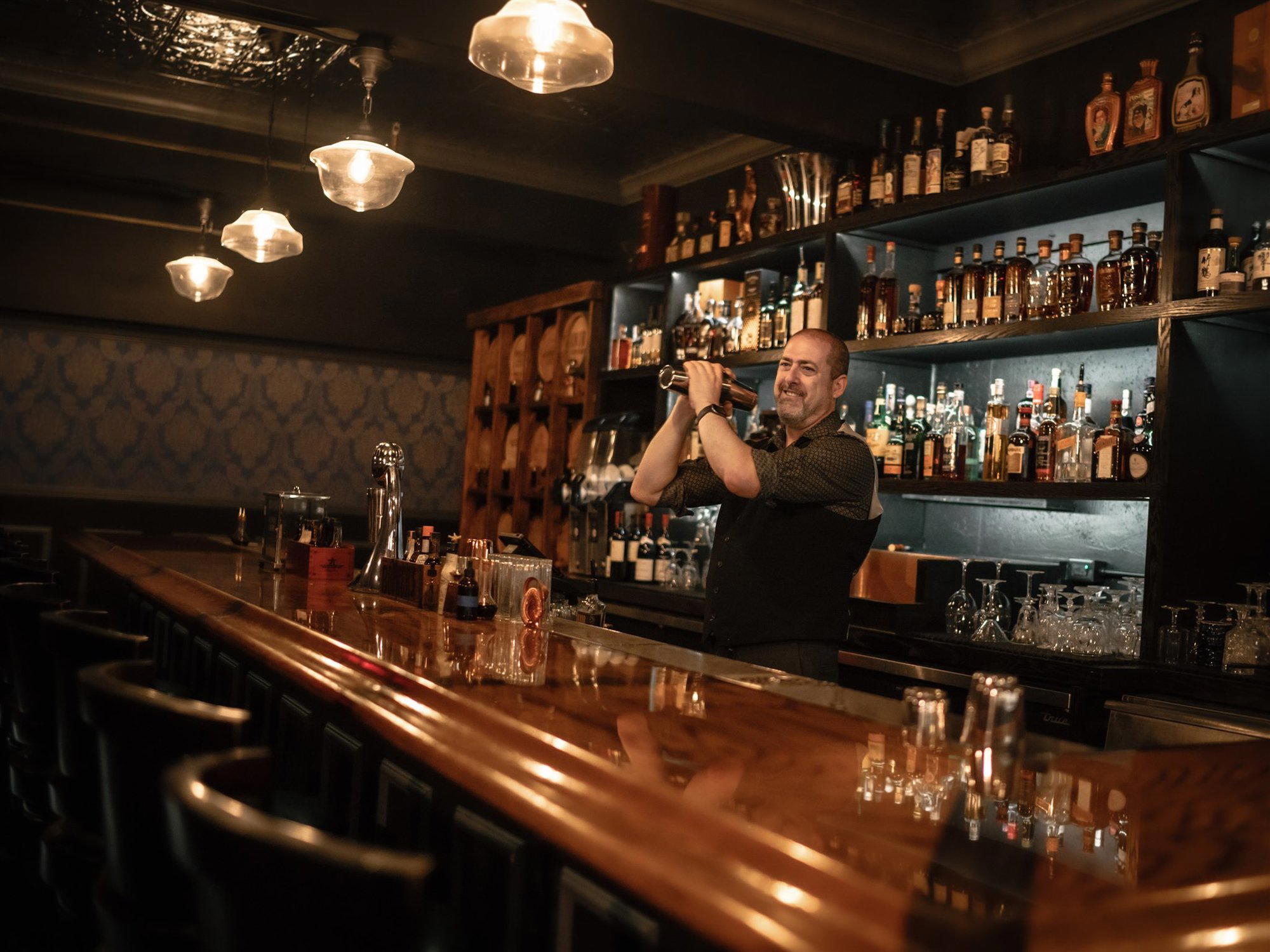
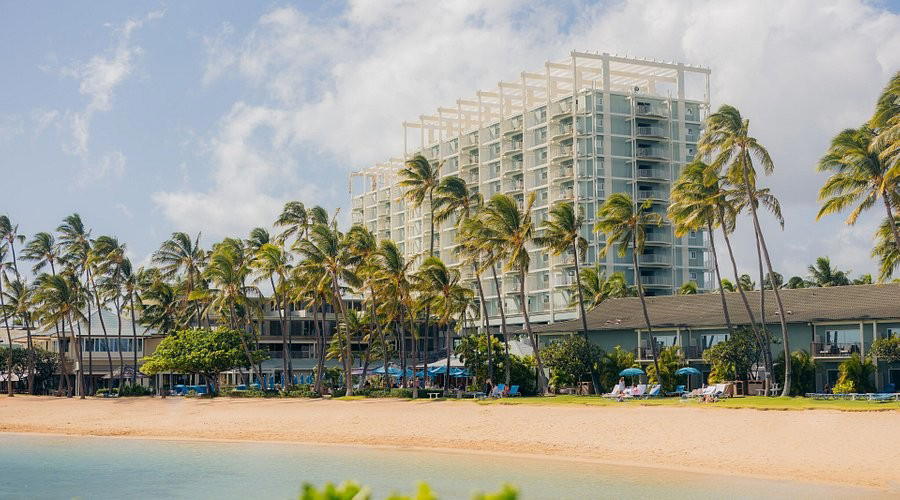
The setting itself communicates the broader design logic of this category. Open-air or semi-open formats dominate Oahu's premium casual dining, partly for obvious climatic reasons, but also because the distinction between interior and exterior has become a deliberate aesthetic choice rather than a structural limitation. At Island Vintage Coffee, the spatial arrangement leans into natural light and the kind of relaxed sightlines that reward lingering. The seating configuration favors communal or semi-communal arrangements common to the acai bowl and health café tier, counter seats, bar-style ledges, or shared tables that encourage a faster rotation while still accommodating those who settle in with a laptop or a book.
The Design Logic of Hawaiian Casual Dining
Across Honolulu's café circuit, the interior architecture of the leading spots reflects a specific tension: how to create a sense of place without leaning on the kind of heavy tropical kitsch that dominated resort hospitality in an earlier era. The answer, for venues that have found an audience beyond tour groups, is almost always restraint, clean lines, natural materials, and a visual palette that references the local environment without literally reproducing it. Island Vintage Coffee fits this template, where the physical container is designed to feel local rather than Hawaiian in the brochure-ready sense.
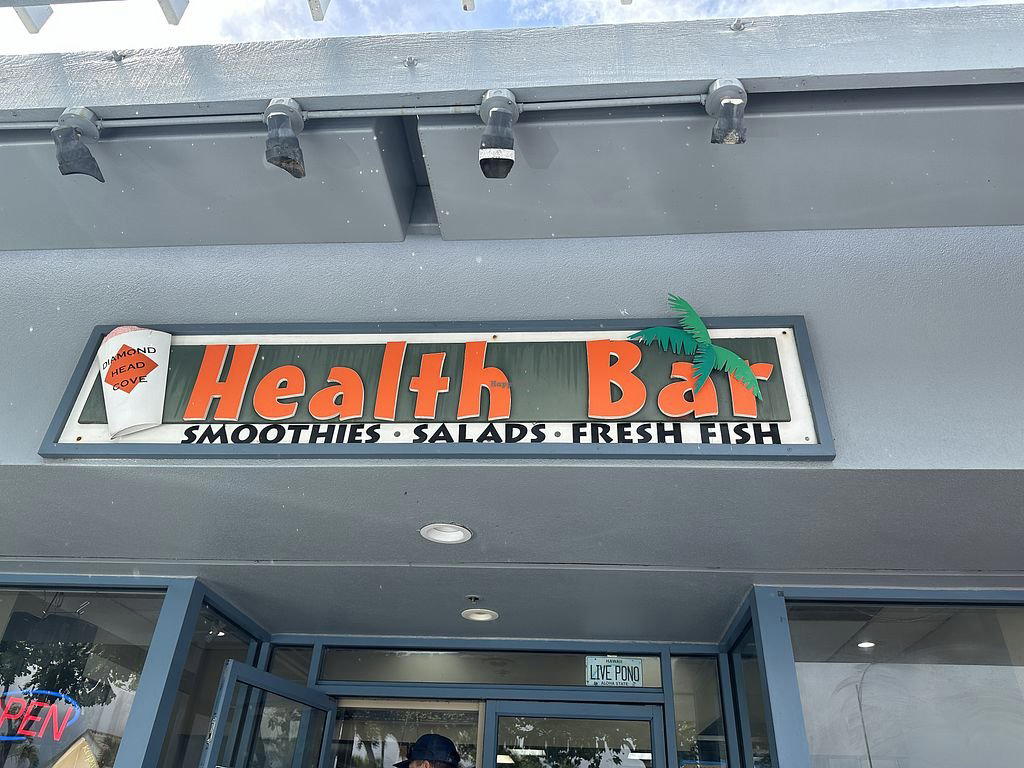
This approach places Island Vintage Coffee in an interesting comparable set alongside other Oahu spots that have prioritized design coherence. Diamond Head Cove Health Bar operates at a similar intersection of health-forward menu and casual architectural intent, while Haleiwa Bowls represents the North Shore version of the same category impulse, open, ingredient-led, spatially unpretentious. What differentiates them is positioning: Island Vintage Coffee occupies a more central, higher-footfall location that changes the nature of its clientele and, consequently, the pressure on its format.
Acai Bowls and the Serious Café Menu
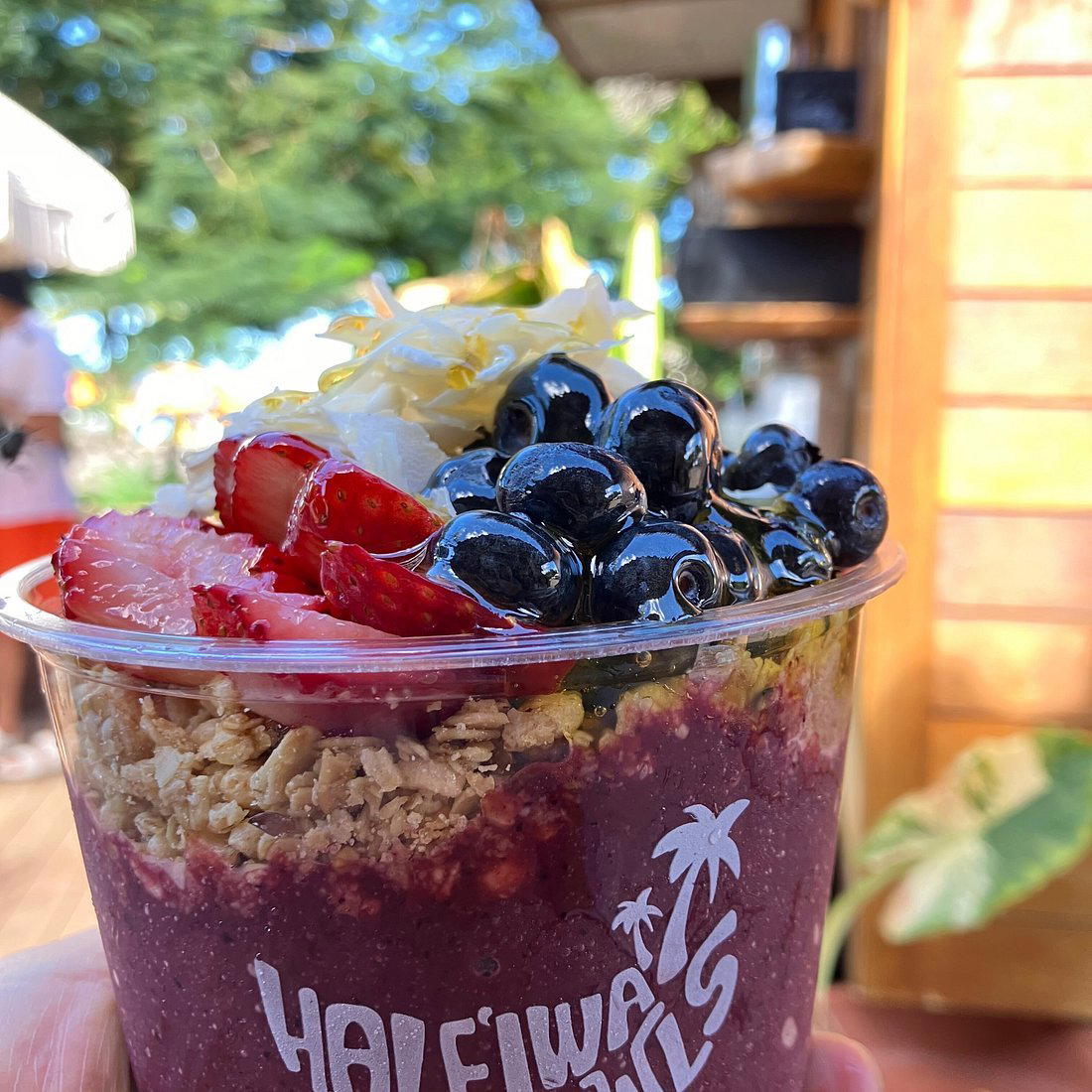
The acai bowl has become Oahu's most exported casual dining format, and the quality spread across the island is considerable. At the lower end, acai bowls function as tourist shorthand, photogenic, sweet, and largely interchangeable. At the upper end, the format becomes a genuine expression of local sourcing: Hawaiian-grown coffee, locally harvested fruit, and granola or toppings that reflect an actual pantry philosophy rather than a bulk supplier relationship. Island Vintage Coffee operates in the latter register, with an acai bowl program that has built a following among both visitors and residents who treat it as a reference point rather than a novelty.
The coffee component matters equally here. Hawaii produces some of the only commercially grown coffee in the United States, with Kona on the Big Island carrying the most international name recognition. Cafés that take the sourcing seriously tend to feature Hawaiian coffee as a distinct category rather than a blended commodity, a choice that signals where a venue sits in the market. For visitors comparing options, this is a meaningful variable: the gap between a venue that uses Hawaiian coffee as a marketing claim and one that builds its menu around it is audible in the cup.
For a broader look at where Island Vintage Coffee fits within Oahu's restaurant and café scene, the full Oahu restaurants guide maps the island's dining options across categories and neighborhoods.
Placing Island Vintage Coffee in the Wider US Dining Picture
Oahu's leading casual venues exist in a national context that includes a very different tier of fine dining ambition. Tasting menu restaurants like Alinea in Chicago, The French Laundry in Napa, and Le Bernardin in New York City occupy a categorically different register, multi-hour commitments, formalized service, and price points that reflect years of Michelin recognition. Atomix in New York City, Blue Hill at Stone Barns in Tarrytown, and Single Thread Farm in Healdsburg all sit in a similar formal tier. Island Vintage Coffee does not compete with that cohort. Its value proposition is legibility: a well-executed, ingredient-honest café menu in a physical space designed to make the experience feel considered rather than accidental.
That said, the casual format shouldn't be read as a lesser commitment to quality. Venues like Lazy Bear in San Francisco, Providence in Los Angeles, and Addison in San Diego demonstrate how California and the West Coast have built serious dining cultures across multiple formats and price points. Hawaii's café tier reflects a parallel logic, the rigor applied to a bowl of acai or a single-origin pour-over can be just as deliberate as anything happening in a white-tablecloth room. Emeril's in New Orleans and The Inn at Little Washington represent the formal American dining tradition; Island Vintage Coffee represents its casual counterpart, shaped by place and ingredient rather than ceremony.
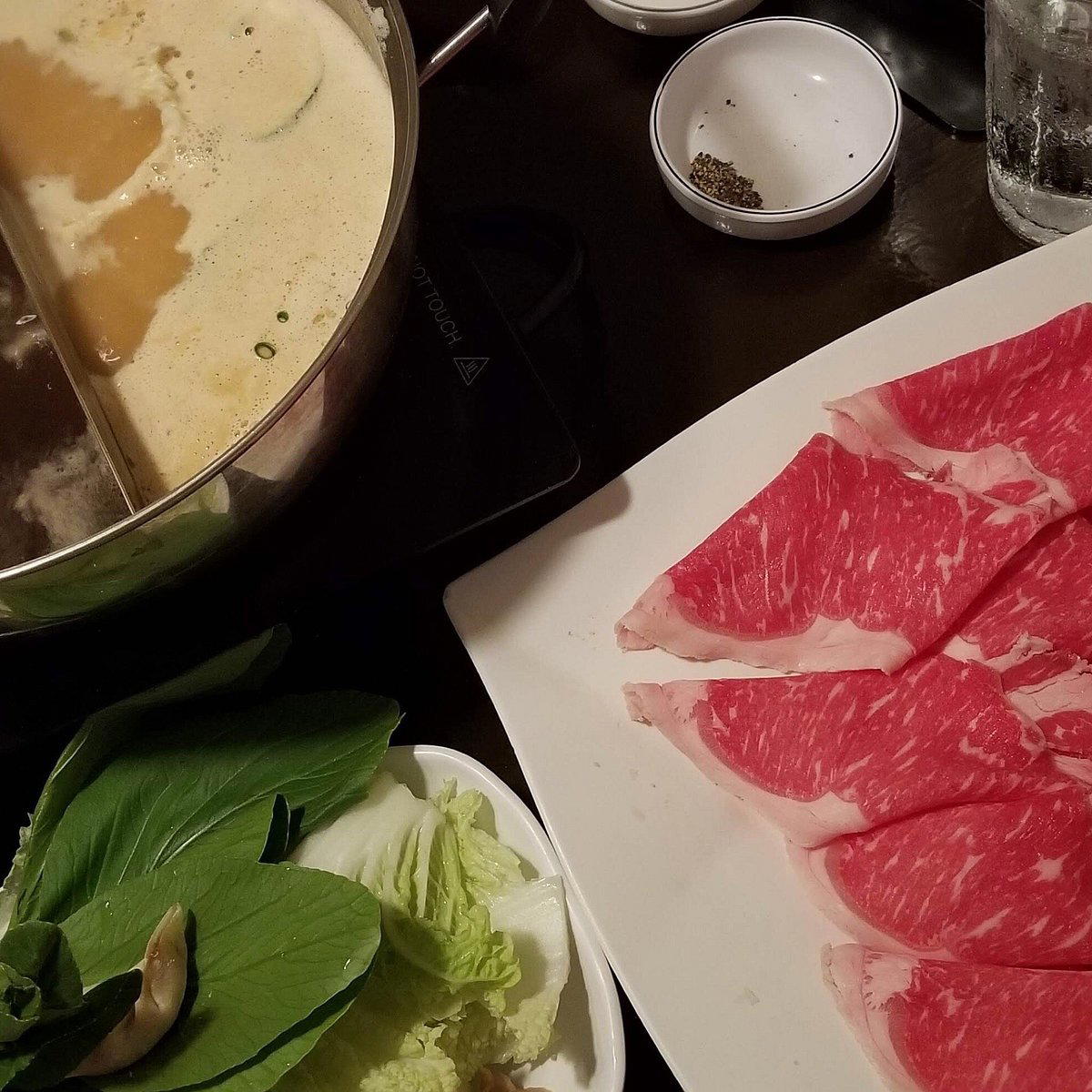
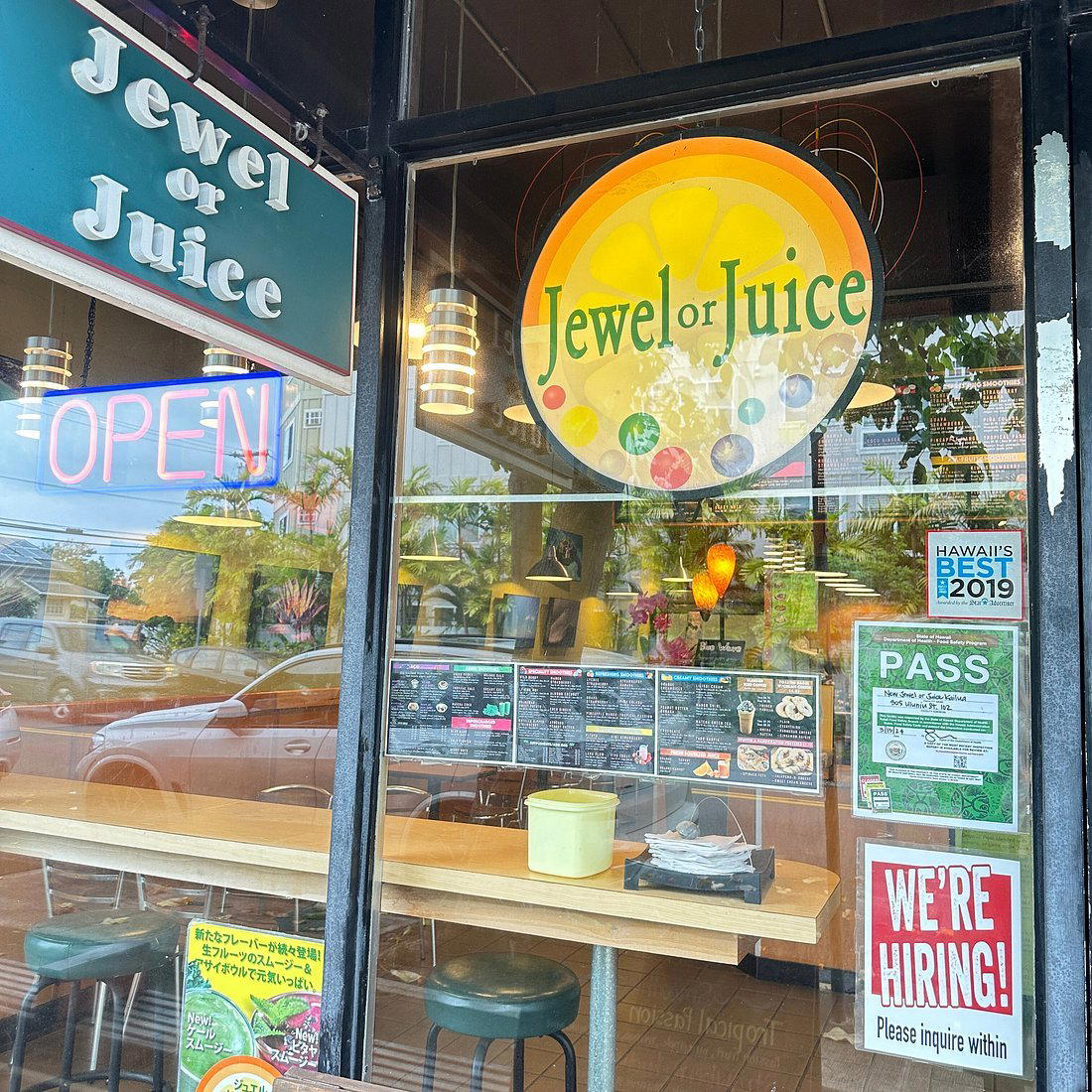
On Oahu more broadly, the café and casual dining circuit includes venues like Jewel or Juice and 22 Kailua, which each address different corners of the health-conscious, locally sourced market. Asuka Japanese Nabe + Shabu Shabu moves in a different direction entirely, reflecting Oahu's deep Japanese culinary influence. And for international context, 8 1/2 Otto e Mezzo Bombana in Hong Kong is a useful reminder of how a Pacific Rim city can sustain formal fine dining alongside its casual food culture, a balance Honolulu continues to work out on its own terms.
Planning Your Visit
The practical calculus for Island Vintage Coffee is direct. It functions as a casual stop rather than a destination that requires advance planning at the level of a tasting menu reservation. Walk-in availability is the norm for the café format, though peak tourist hours, mid-morning through early afternoon on weekends, will mean longer waits at the counter and limited seating. Weekday mornings offer the most relaxed version of the experience, with the space operating closer to its intended rhythm. The format is inherently accommodating across dietary needs, given that acai bowls and coffee menus lend themselves to plant-based and allergen-conscious ordering without requiring special requests. For visitors planning around Oahu's wider dining circuit, Island Vintage Coffee functions as a morning or midday stop rather than an evening destination.
At a Glance
- Trendy
- Cozy
- Brunch
- Casual Hangout
- Open Kitchen
Bright and lively cafe atmosphere with quick service and fresh Hawaiian vibes.