Asuka Nabe + Shabu Shabu
Asuka occupies a quiet stretch of Waialae Avenue in Kaimuki, a neighbourhood that has become one of Honolulu's more serious dining corridors. The restaurant sits in a category where Japanese technique meets Hawaii's exceptional local produce, a pairing that defines the more ambitious end of the island's restaurant scene. Reservations are advisable, particularly on weekends when the neighbourhood draws diners from across the city.
Pearl is the En Primeur Club membership app — saves, bookings, and concierge access live there. Same editors, same standards.
- Address
- 3620 Waialae Ave, Honolulu, HI 96816
- Phone
- (808) 735-6666
- Directions
- Get directions
 Saves & bookings on Pearl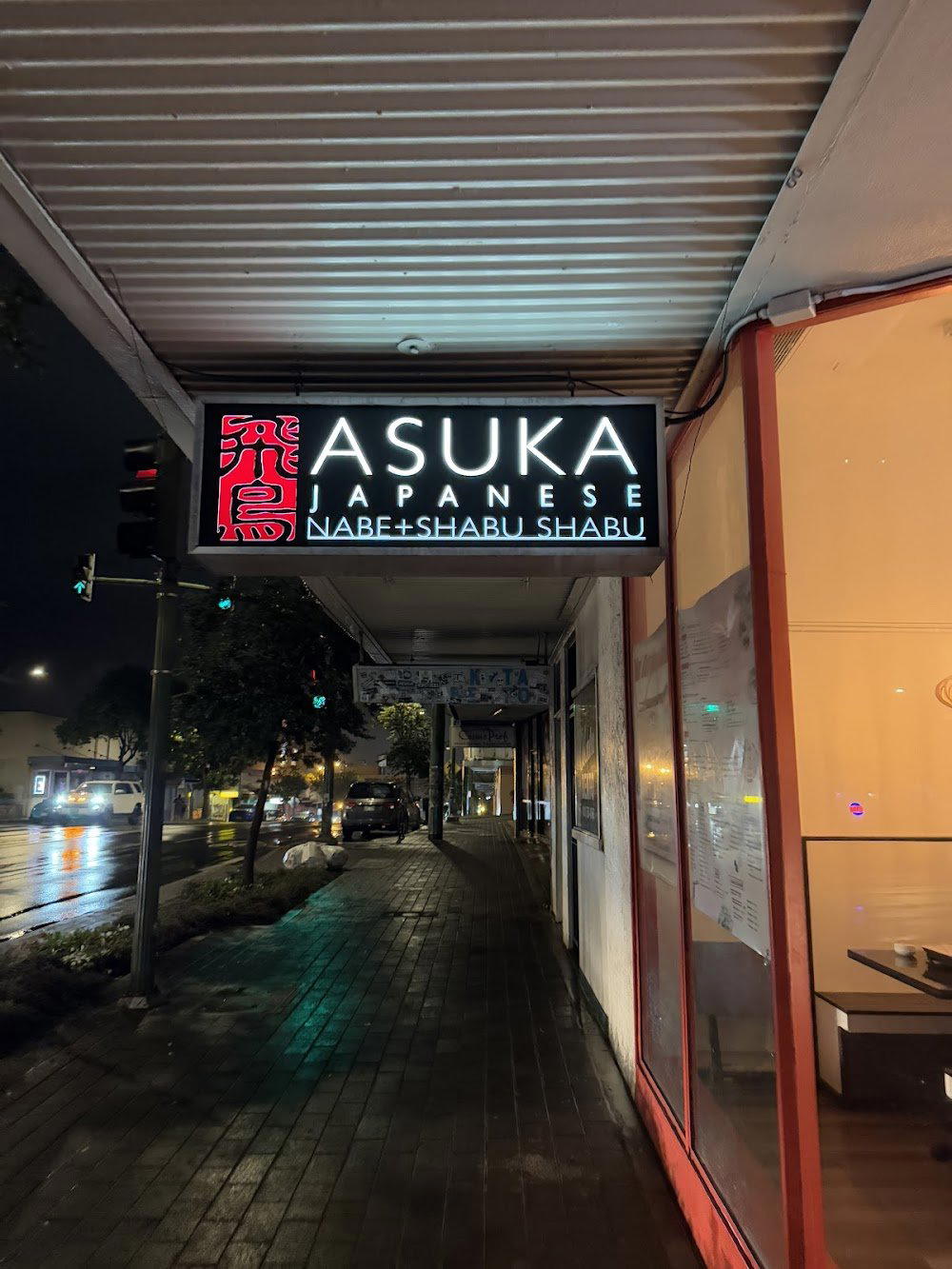
Kaimuki's Dining Register and Where Asuka Fits
Waialae Avenue has spent the better part of two decades accumulating the kind of restaurants that attract food writers rather than just tourists. Kaimuki, the Honolulu neighbourhood it anchors, operates at a different frequency from Waikiki's hotel dining circuit: smaller rooms, locally oriented menus, and a guest list drawn from the city itself rather than arriving flights. Asuka, at 3620 Waialae Ave, sits inside that corridor and inherits its character. The address alone signals something about the restaurant's competitive set — this is a strip where Miro Kaimuki works its French-Japanese register and the neighbourhood's independent operators have collectively built a reputation that has nothing to do with ocean views or resort footprints.
Honolulu's serious dining scene has historically been underread by mainland critics, partly because Hawaii's agricultural abundance — Hamakua mushrooms, Maui cattle, Pacific reef fish arriving daily, tends to be celebrated in travel writing at the expense of the kitchens doing precise, technique-driven work with those ingredients. The restaurants that have earned sustained local respect across the city, from 3660 On the Rise to Fête, share an orientation toward place: they cook Hawaiian ingredients through a lens shaped elsewhere, whether European, Japanese, or New American. Asuka belongs to that conversation.
Local Ingredients, Imported Discipline
The broader editorial story of Hawaii's restaurant evolution is, at its core, a story about technique transfer. Cooks trained in Japanese kaiseki traditions, French brigade kitchens, and American tasting-menu formats have arrived on the islands and encountered a larder that few continental training grounds can match for diversity and proximity. Hawaii's waters, farms, and ranches produce ingredients that, in other markets, would command premium sourcing fees and long cold-chain logistics. Here, the supply chain is measured in hours, not days.
This convergence, imported method, indigenous product, is the structural logic behind restaurants like Asuka. It places Honolulu in the same conceptual conversation as kitchens elsewhere in the United States that have built reputations on hyper-local sourcing coupled with classical or contemporary technique. Single Thread Farm in Healdsburg operates with a similar agricultural integration, as does Blue Hill at Stone Barns in Tarrytown. The comparison is instructive not because the formats are identical, but because they share a commitment to the idea that the ingredient's origin is itself an argument. In Honolulu, that argument has particular force: the Pacific's seasonality is visible, traceable, and capable of defining a menu's rhythm across the year.
Japanese culinary influence on Hawaii runs deep and predates the farm-to-table framing that became shorthand for this approach elsewhere. The state's demographic history means that Japanese technique has been absorbed, hybridised, and occasionally reinvented in Hawaiian kitchens over generations. This is the context in which a restaurant named Asuka operates, a name that carries Japanese resonance and that, on Waialae Avenue, lands inside a neighbourhood with enough culinary density that diners can make meaningful comparisons rather than merely grateful ones.
The Kaimuki Context: A Neighbourhood Reading
Understanding Asuka requires a working familiarity with what Kaimuki has become. The neighbourhood runs northeast from Diamond Head toward Palolo Valley, and its restaurant concentration along Waialae is denser than its residential scale might suggest. It functions as the city's default address for the kind of independent dining that doesn't require a hotel lobby or a harbour view to justify its prices. Locals who follow Honolulu's restaurant scene treat it the way informed diners in other cities treat their version of a serious neighbourhood strip: with loyalty, with opinions, and with genuine awareness of when something new has entered the rotation.
Compared to the waterfront register occupied by 53 By The Sea or the event-format dining at Ahaaina Luau, Kaimuki's proposition is quieter and more durable. The neighbourhood's restaurants compete on cooking rather than setting, which sets a different kind of pressure on consistency. Asuka holds its address on that street without the structural advantages that waterfront or resort restaurants inherit automatically.
For a broader orientation to what Honolulu's dining scene currently offers at different price points and formats, the EP Club Honolulu restaurants guide maps the full picture. Comparisons to Pacific-coastal kitchens at the technical frontier, from Providence in Los Angeles to Addison in San Diego, help calibrate what ambition looks like in this regional tier.
Booking, Access, and Practical Notes
Asuka's address on Waialae Avenue places it within Kaimuki's walkable restaurant district. The neighbourhood is accessible by car from most of Honolulu's hotel areas in under twenty minutes, and street parking along Waialae is generally available, though the corridor's growing popularity on weekend evenings means earlier arrival is the more reliable strategy. Specific booking methods, current hours, and reservation policy details are best confirmed directly with the restaurant, as operational details at independent Honolulu venues shift with staffing and season.
The broader seasonal logic of dining in Honolulu applies: Hawaii's growing seasons don't follow the four-quarter rhythm familiar to temperate-climate diners, which means menus at ingredient-driven restaurants can shift in ways that reflect weather, water temperature, and fishing conditions rather than a fixed annual calendar. This is one of the underappreciated structural differences between dining in Hawaii and dining in mainland American cities, and it is directly relevant to how a kitchen like Asuka would approach its sourcing. Visiting in the late spring to early summer period, when Pacific waters are warm and a broad range of local agricultural produce is available, tends to produce the widest range of local ingredients on any given menu in this category.
Peers in This Market
| Venue | Cuisine | Price |
|---|---|---|
| AsukaThis venue — the venue you are viewing | This venue | Not listed |
| Fête | New American | New American |
| Liliha Bakery | Bakery | Bakery |
| Sushi Izakaya Gaku | Izakaya | Izakaya |
| Miro Kaimuki | French - Japanese | French - Japanese |
| Zigu | Japanese | Japanese |
At a Glance
- Cozy
- Modern
- Intimate
- Group Dining
- Casual Hangout
- Family
- Byob
Current opening hours
- Monday
- 5–10 PM
- Tuesday
- 5–10 PM
- Wednesday
- 5–10 PM
- Thursday
- 5–10 PM
- Friday
- 5–10 PM
- Saturday
- 5–10 PM
- Sunday
- 5–10 PM
Hours can change for holidays and private events. Last verified .
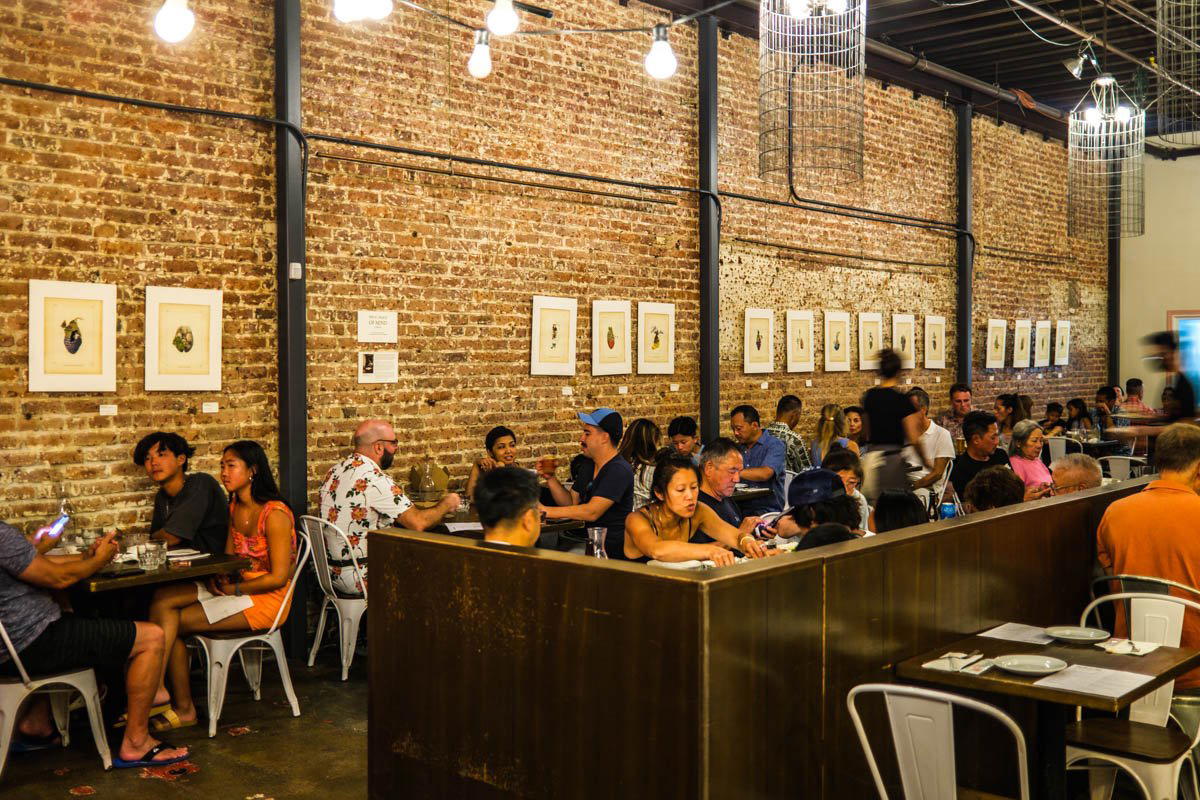
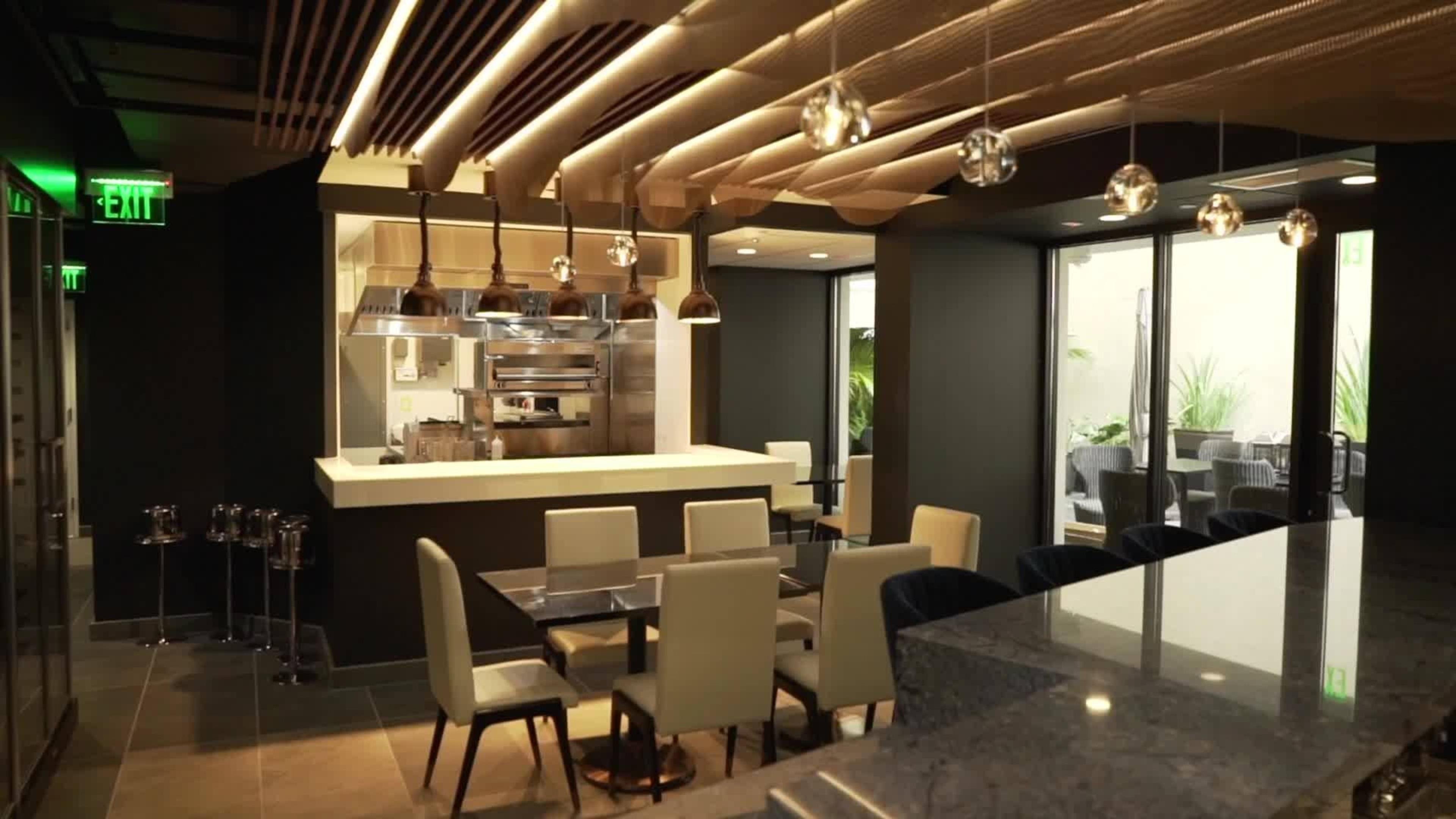
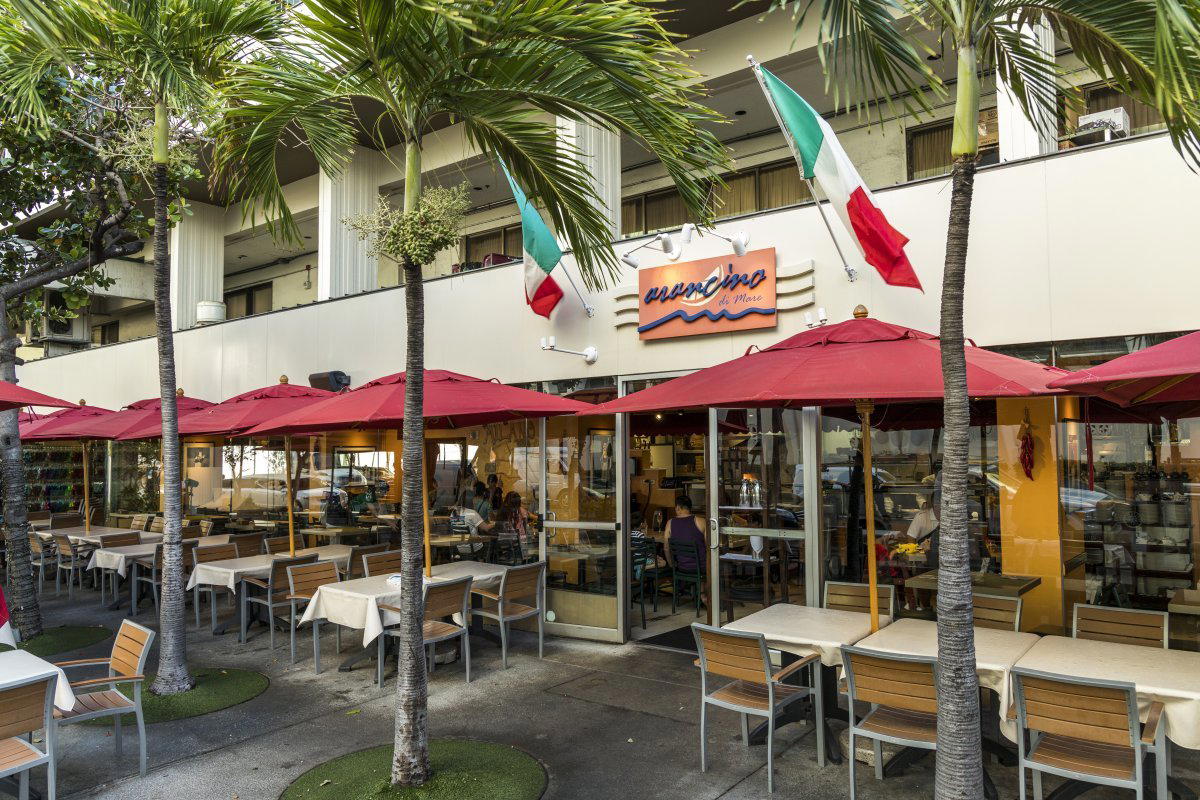
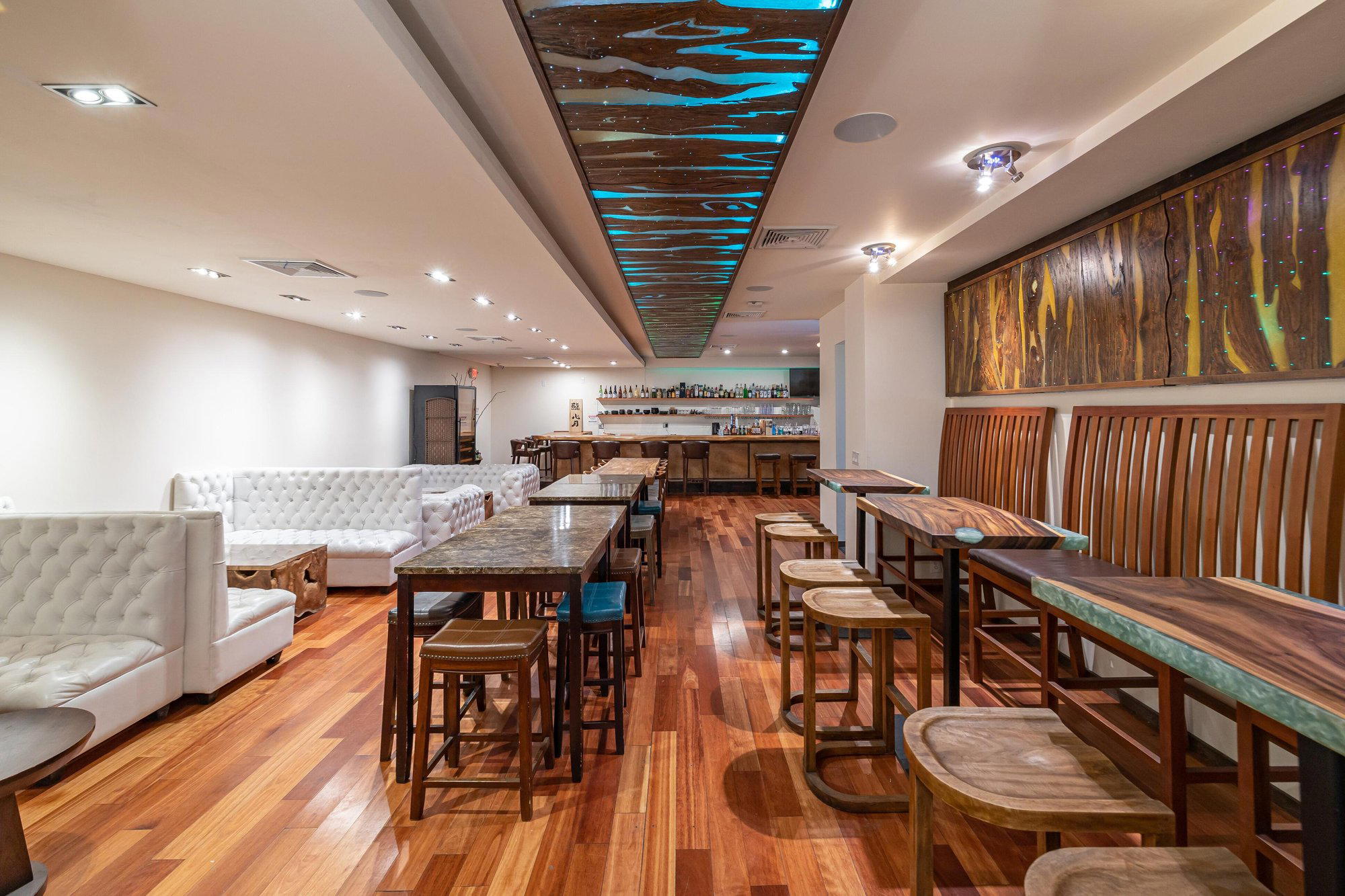
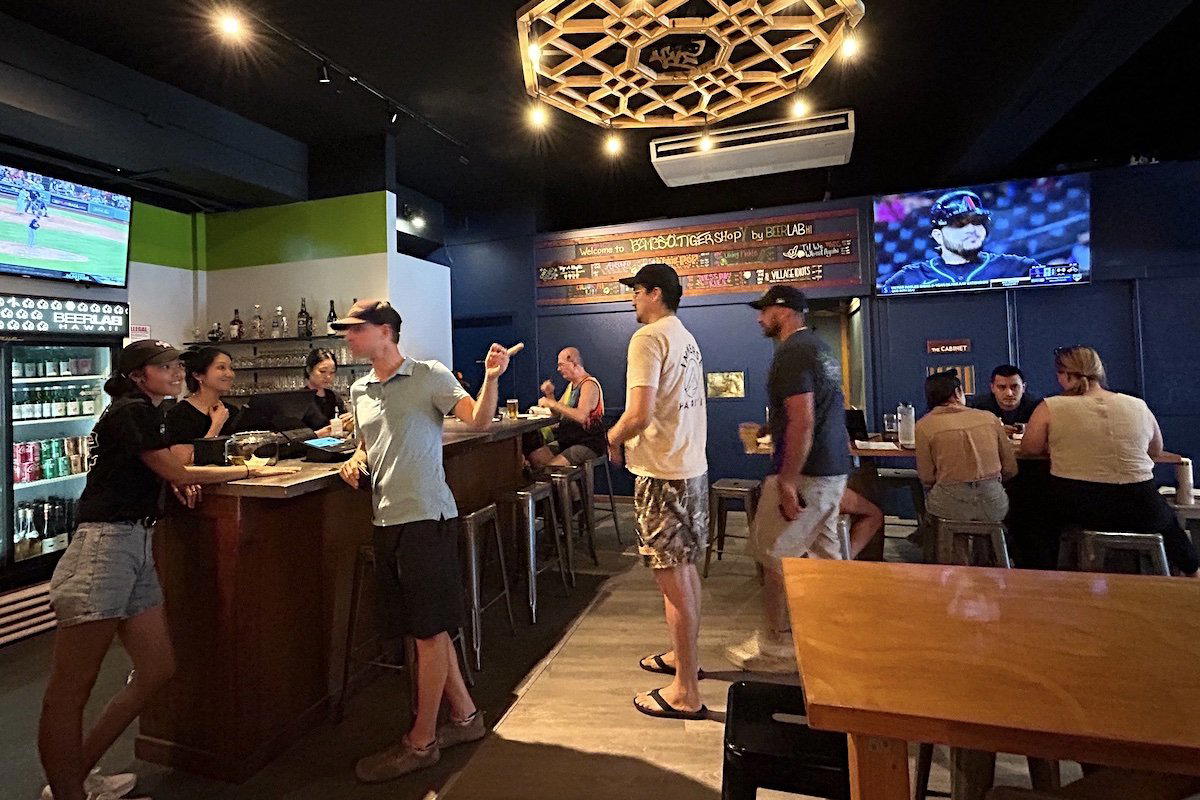
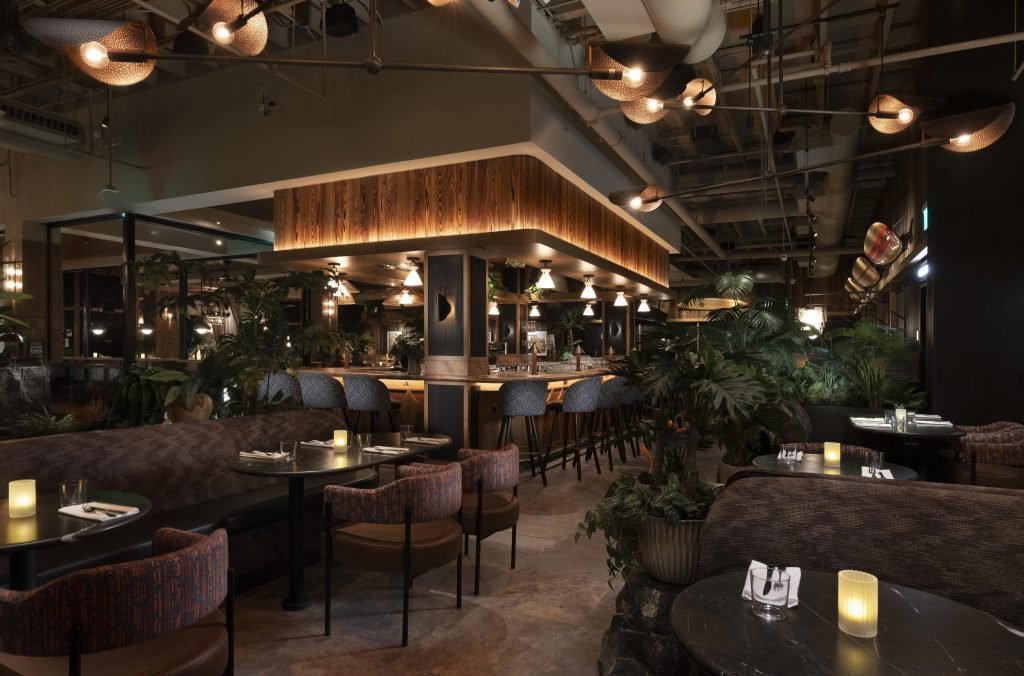
Cozy with dim lighting, offering a modern interpretation of traditional Japanese hot pot dining.
Know Before You Go
- Getting there
- 3620 Waialae Ave, Honolulu, HI 96816