Tonkatsu Ginza Bairin
Tonkatsu Ginza Bairin brings one of Tokyo's most disciplined breaded-pork traditions to Oahu, where Japan's deep-fry craft meets the islands' own appetite for Japanese comfort food. The result sits at an interesting intersection: a technique-driven format shaped over decades in Ginza, now operating in a state where Japanese culinary influence runs deeper than almost anywhere else in the United States.

Pearl is the En Primeur Club membership app — saves, bookings, and concierge access live there. Same editors, same standards.
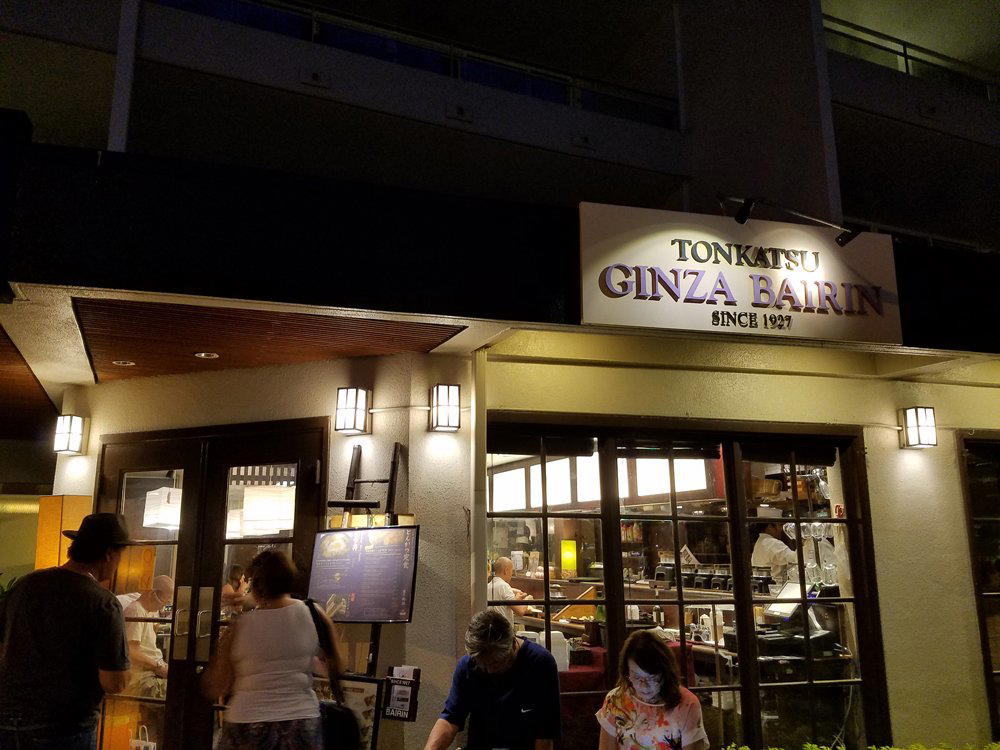
A Tokyo Tradition in the Middle of the Pacific
Hawaii occupies a specific position in American dining that has no real parallel in the continental forty-eight. Japanese immigration to the islands stretches back to the late nineteenth century, and the culinary residue of that history is everywhere: in plate lunch counters, in ramen shops that predate the mainland's ramen boom by decades, and in a general population comfort with Japanese food formats that visitors from New York or Chicago often find surprising. When a tonkatsu specialist from Ginza arrives in this context, it is not landing in foreign territory. It is entering a market that already knows what good katsu tastes like and will notice quickly if the standard drops.
Tonkatsu Ginza Bairin carries lineage from one of Tokyo's most established breaded-pork counters, a format that in its original Ginza context means precise oil temperature management, specific breadcrumb texture, and a pork cutlet rested and sliced with the kind of attention that most Western diners associate only with steak cookery. That technique-first identity is what separates serious tonkatsu from the katsu plates that appear on dozens of casual menus across Honolulu. The question for any international outpost of a Japanese specialist is always the same: does the technique travel, or does it dilute on arrival?
Japanese Craft Technique and the Hawaiian Ingredient Context
How a method-driven Japanese format operates in a state with its own strong agricultural and seafood identity is the more useful frame here. Hawaii's food supply is genuinely different from what a Ginza kitchen draws on. Local pork producers operate across the islands, and the question of whether Bairin sources locally or imports to specification sits at the centre of what distinguishes an outpost that adapts thoughtfully from one that simply replicates. Tonkatsu at its technical core is about the relationship between the crust and the meat: panko adhesion, oil clarity, internal temperature, and the way the pork's fat renders during the fry. These standards are portable. The raw materials beneath them are not always identical.
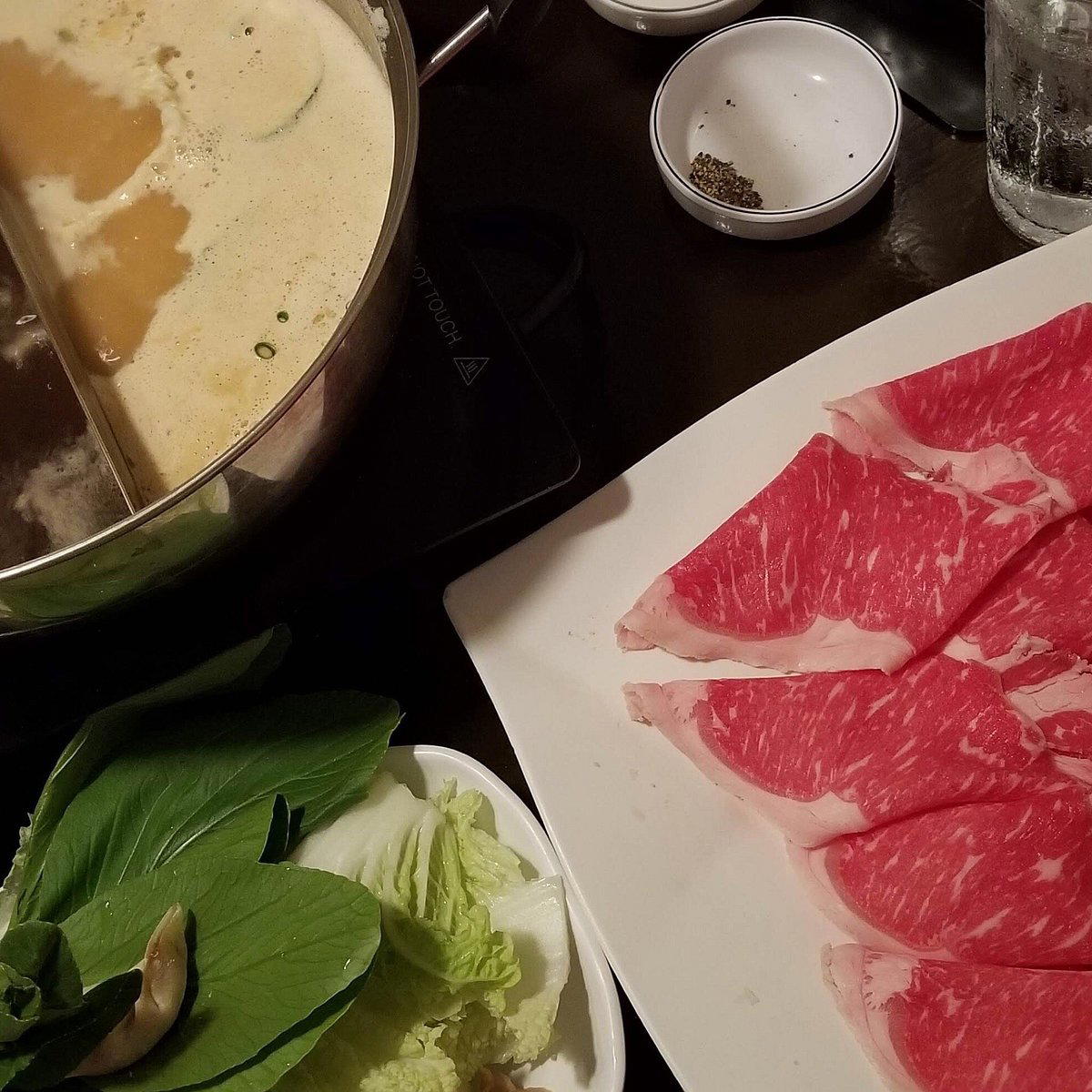
This intersection of imported method and local product is something Hawaii's dining scene has worked through in multiple formats. The broader Oahu restaurant community, which includes Japanese-influenced venues that sit across a wide range of registers. Asuka Japanese Nabe + Shabu Shabu operates in a related hot-pot tradition where the broth and the protein sourcing both matter enormously. Each format asks a slightly different question about how Japanese precision adapts to a Pacific ingredient context.
Where Tonkatsu Sits in Oahu's Japanese Dining Tier
Honolulu's Japanese restaurant ecosystem is layered in a way that mainland cities rarely achieve outside of New York or Los Angeles. There are izakayas, ramen specialists, sushi counters at multiple price points, and Japanese-influenced casual formats so deeply embedded in local eating culture that they no longer register as specifically Japanese. Tonkatsu as a dedicated format, however, occupies a more defined niche. It requires either genuine commitment to the frying process or it becomes indistinguishable from the katsu that appears as a side item on a plate lunch menu.
Ginza Bairin's Tokyo original sits in the mid-to-upper tier of the Tokyo tonkatsu category, a segment that in Japan attracts dedicated followings and long queues. Transplanting that positioning to Oahu means communicating the quality gap to a dining public that already has a baseline familiarity with katsu. The format works well when the crust-to-meat ratio, the oil freshness, and the accompanying condiments (typically a tonkatsu sauce made in-house and finely shredded cabbage) signal immediately that something more careful is happening than at a casual counter. Pricing in that context becomes both a signal and a commitment.
For comparison, precision-driven formats handle the tension between technique and setting differently. Operations like Single Thread Farm in Healdsburg or Blue Hill at Stone Barns in Tarrytown have built entire identities around the sourcing-technique relationship, where the local ingredient is the point. A tonkatsu specialist works differently: the technique is the point, and the sourcing either supports or undermines it. That distinction matters when reading any Japanese specialist that has expanded beyond its origin city.
Oahu's Japanese Food Culture as the Right Backdrop
Oahu is a more fitting location for a Ginza tonkatsu brand than, say, Atlanta or Denver would be. Japanese-Americans make up a significant share of Hawaii's population, and the cultural literacy around Japanese food formats here is genuinely different. Diners recognise the difference between panko grades, understand why the cabbage accompaniment is not decorative, and know what a properly rested cutlet feels like versus one that has been rushed from fryer to plate. That educated customer base raises the standard of accountability for any operator claiming Ginza provenance.
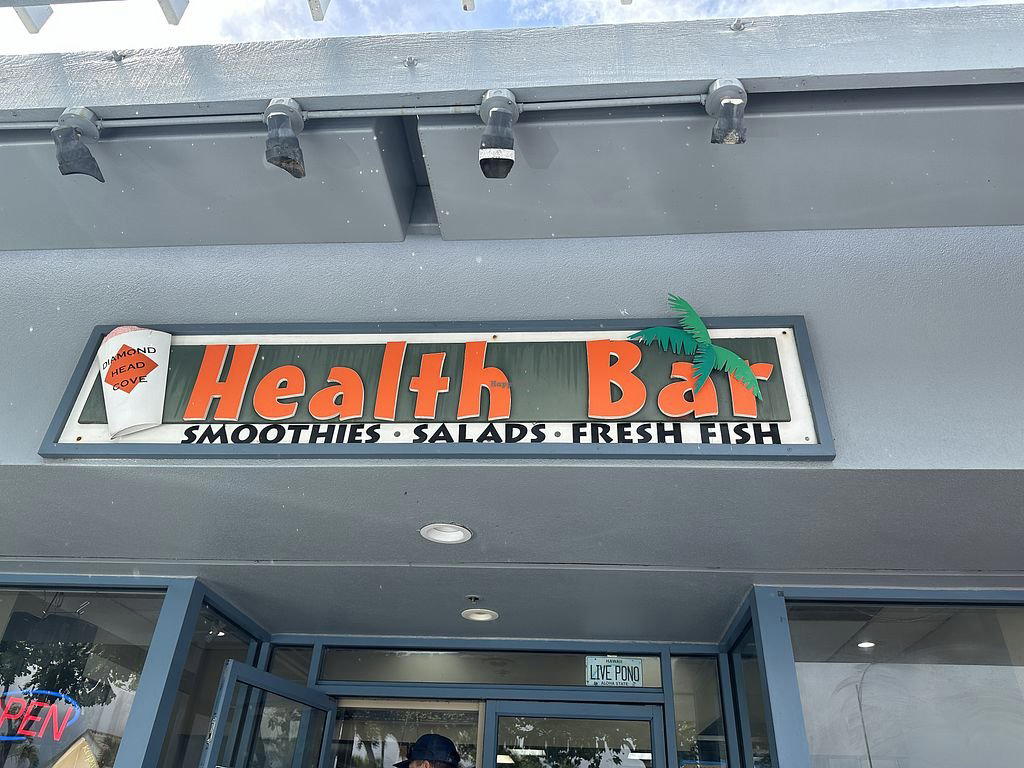
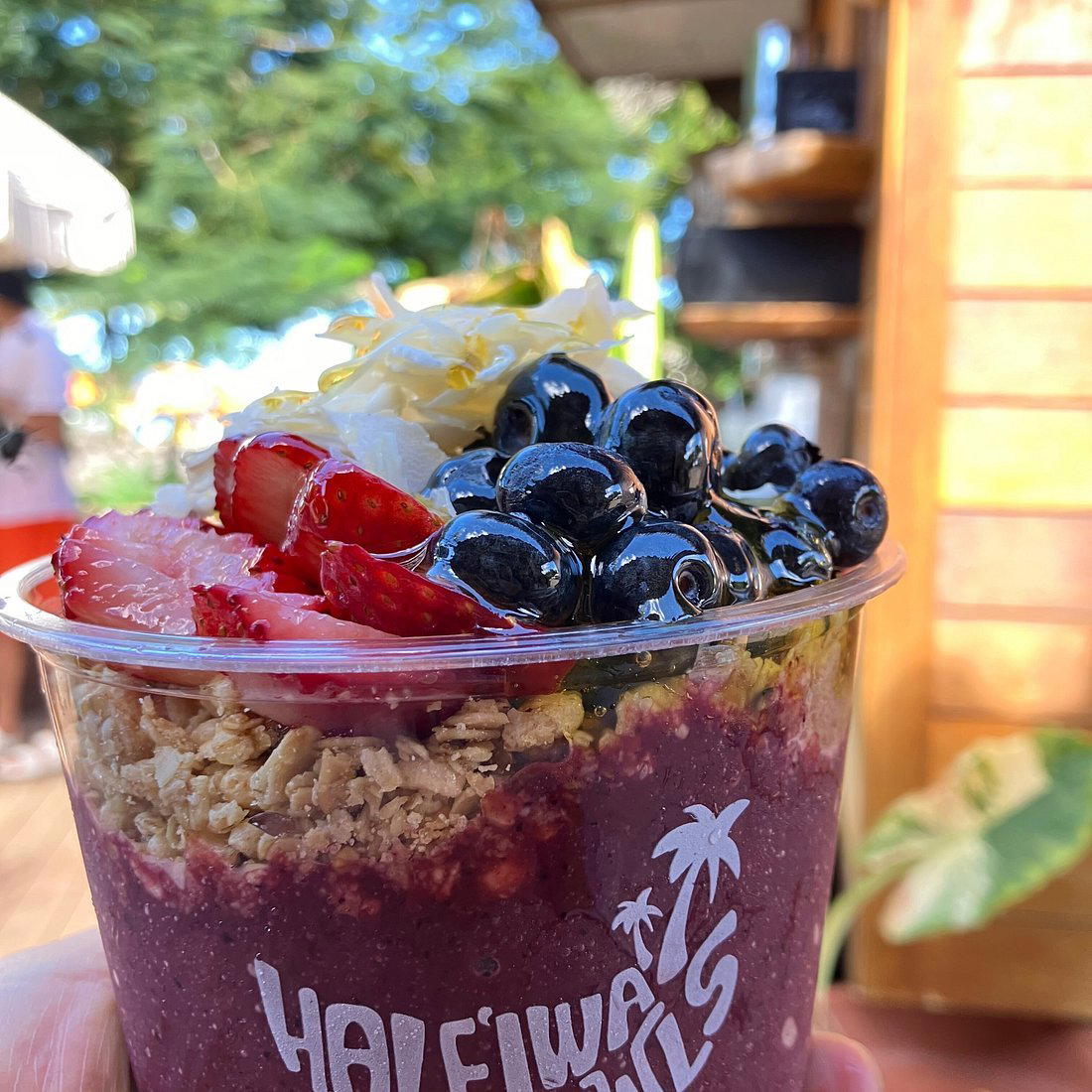
Other Oahu venues that reflect the island's layered food culture include Haleiwa Bowls, which sits in the acai-and-local-fruit tradition that runs parallel to the Japanese influence, and Island Vintage Coffee, which captures the casual morning end of the spectrum. At the more health-oriented register, Diamond Head Cove Health Bar represents a different kind of local-ingredients thinking. The range of these venues illustrates how Oahu holds multiple culinary registers simultaneously, and where a technique-focused Japanese specialist fits within that range.
Further afield on the island, 22 Kailua shows how the Kailua side of the island maintains its own dining identity distinct from central Honolulu, a reminder that Oahu's food geography is not monolithic.
Planning Your Visit
The practical advice here is direct: the format is typically counter and table service with a focused menu built around pork loin and fillet cutlets, with set-meal options that include rice, miso, and cabbage as standard accompaniments. Lunch service at tonkatsu specialists in Japan tends to draw queues, and that pattern often carries to international outposts, particularly on weekends.
Seasonal considerations are relevant here: Oahu's tourist volume peaks in December through February and again in June through August. During those windows, Japanese-cuisine specialists in the Honolulu area see refined demand from visitors arriving specifically from Japan, which compresses availability at quality-tier venues. Planning a weekday lunch outside peak season reduces both wait times and the ambient noise level that can accompany a full dining room.
Comparable Venues
Comparable venues nearby, for context on price, style, and recognition.
| Venue | Cuisine | Price | Notes |
|---|---|---|---|
| Tonkatsu Ginza BairinThis venue — the venue you are viewing | Tonkatsu Specialist | $$ | Not listed |
| 22 Kailua | Traditional Japanese Omakase | $$$$ | Kailua |
| Tropical Tribe | Authentic Brazilian Açaí Bowls | $ | Waikiki |
| Ramen Bario | Tokyo Tonkotsu Ramen | $ | Ala Moana |
| Diamond Head Cove Health Bar | Hawaiian Acai Bowls & Cafe | $$ | Diamond Head - Kapahulu |
| Nalu Health Bar & Cafe | Healthy Hawaiian Fusion Cafe | $$ | Kakaako |
At a Glance
- Cozy
- Classic
- Casual Hangout
- Family
- Standalone
- Sake Program
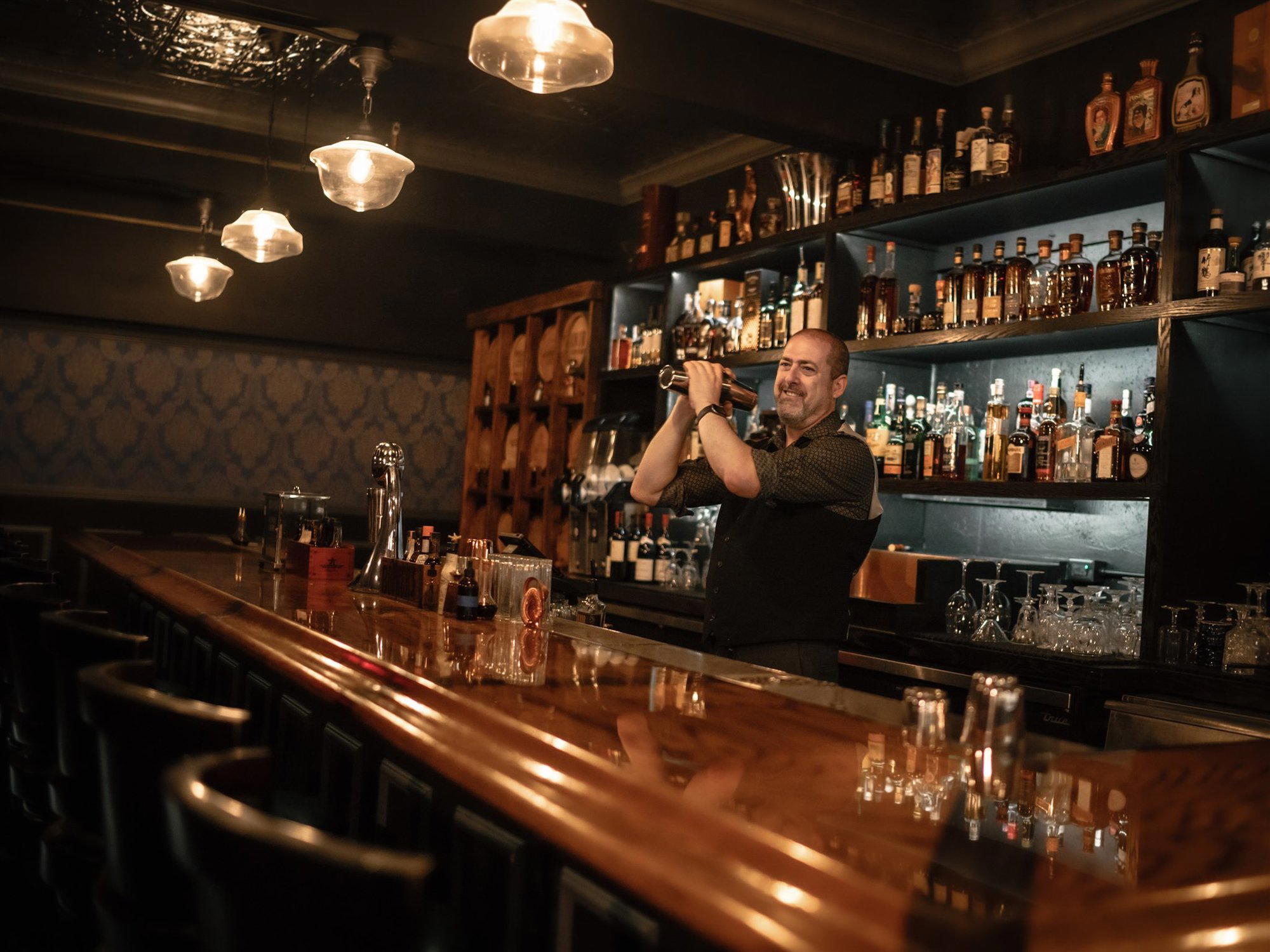
Cozy bistro atmosphere serving legacy Japanese comfort food.