The Prince Hotel
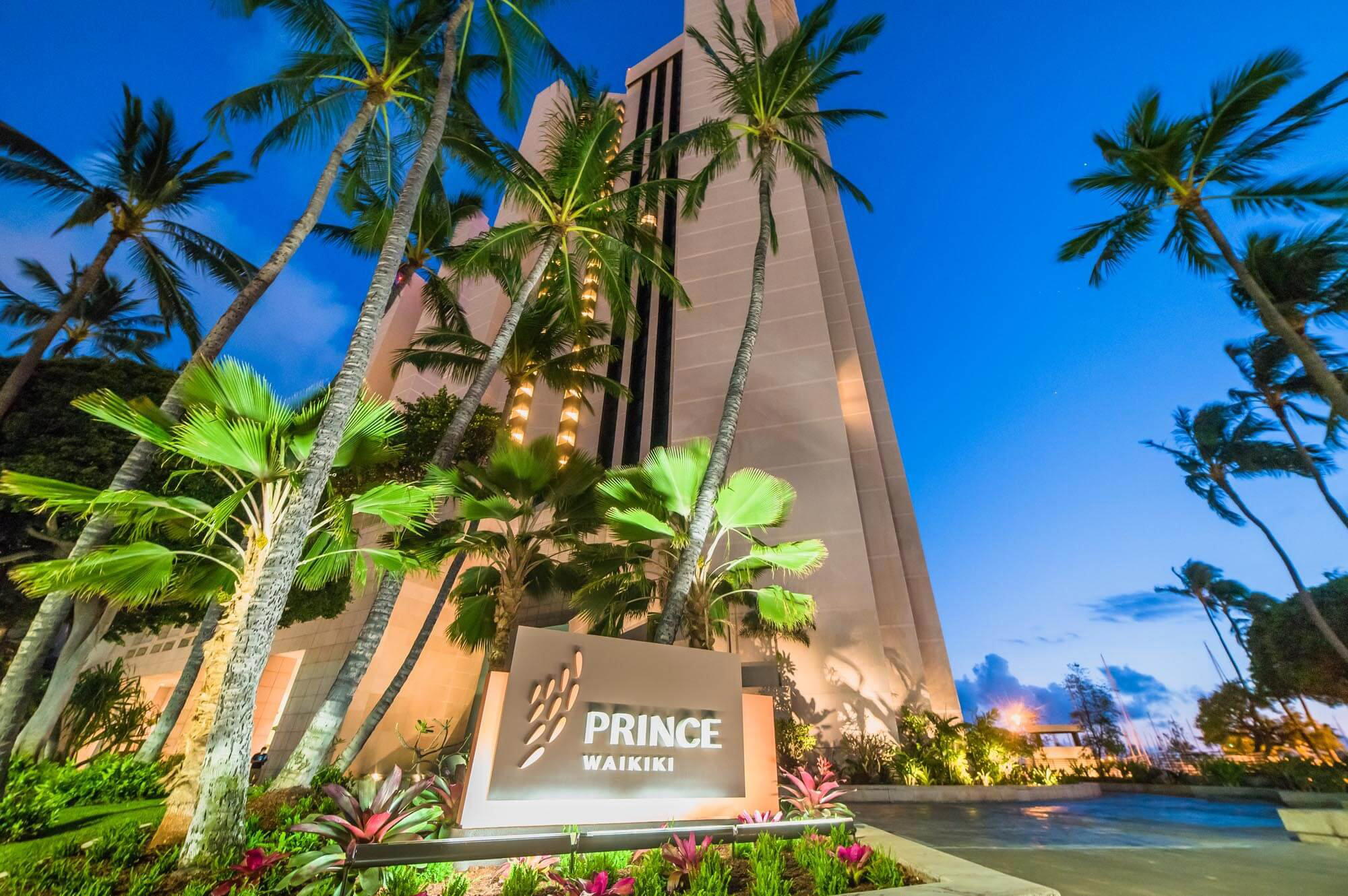
The Prince Hotel occupies a distinct position on Oahu's accommodation spectrum, where mid-century hospitality traditions meet the island's evolving luxury market. Positioned near Ala Wai Yacht Harbor in Honolulu, it draws travelers who want proximity to Waikiki without the full resort machine. The property sits in a tier that rewards guests who prioritize location and space over branded amenity stacking.

Pearl is the En Primeur Club membership app, where members save venues, book tables and use the concierge.
A Different Register of Oahu Hospitality
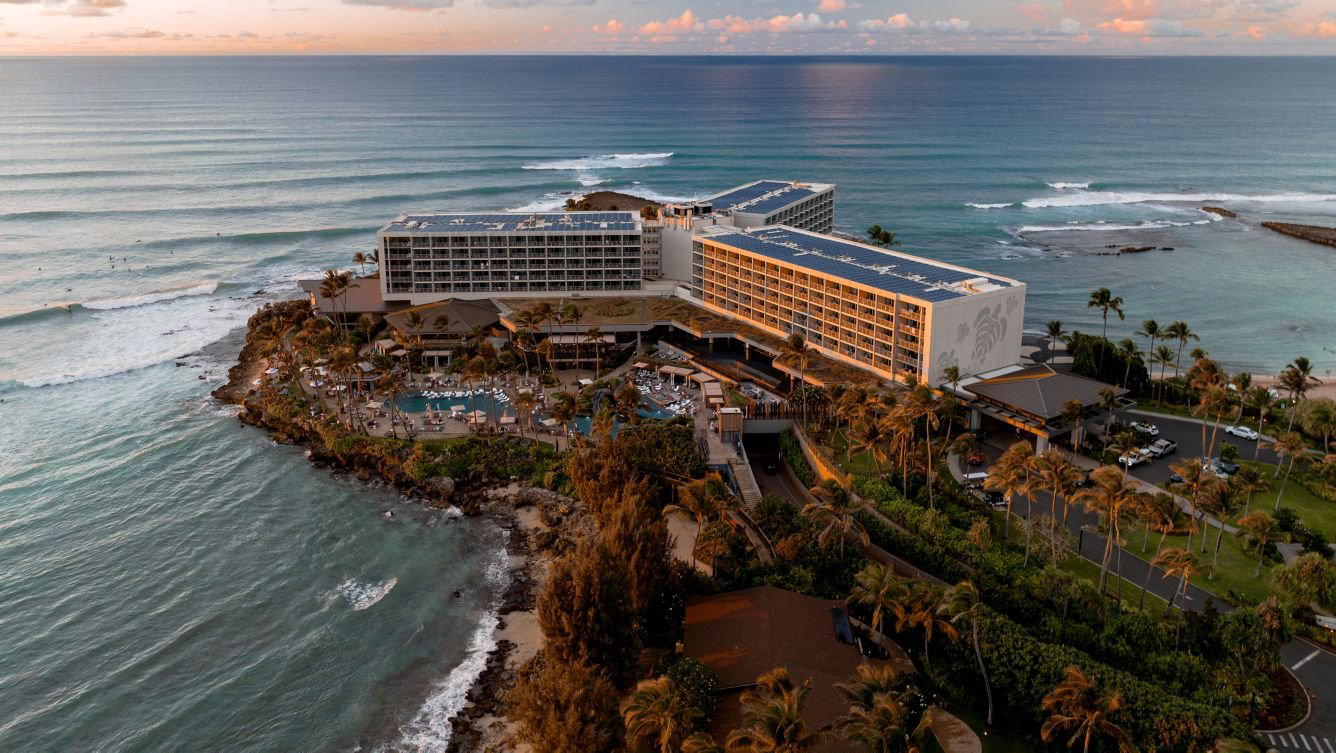
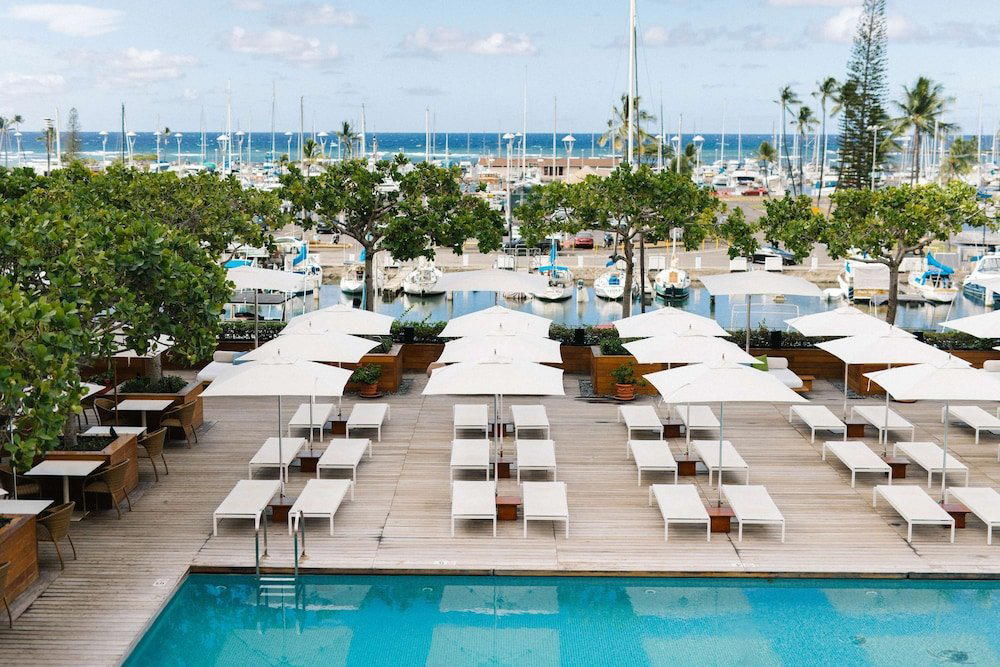
Waikiki's hotel corridor has always operated on a principle of scale: bigger towers, more amenities, higher occupancy targets. The Prince Hotel represents a counterpoint to that logic. Positioned at the western edge of Honolulu near Ala Wai Yacht Harbor, it occupies physical and conceptual distance from the resort strip's densest concentration. The harbor-facing orientation means the immediate visual reference is boats and open water rather than beach chairs and tour desks, a distinction that shapes the mood from the moment you arrive.
Oahu's accommodation market has split noticeably in recent years between properties that compete on brand recognition and those that compete on positioning. The Prince Hotel belongs to a middle tier: neither the ultra-low-key boutique format nor the full international-flag resort. That positioning has its own advantages, particularly for travelers who want Honolulu's infrastructure without the Waikiki sensory load. For context on how the island's premium options stack up, the full Oahu guide covers the range from resort-scale to design-led properties.
Architecture in the Harbor Context
High-rise hospitality in Honolulu carries a specific architectural logic. The towers that went up from the 1960s onward were designed around views as the primary commodity, and the Prince Hotel follows that tradition. The structure orients toward the harbor and the Pacific beyond it, which means upper floors deliver a water panorama that stands apart from properties buried deeper in the urban grid. That orientation also reduces the street noise that afflicts blocks closer to Kalakaua Avenue.
The physical form is characteristic of Hawaii's mid-century and post-mid-century construction: a vertical footprint in a setting where land has always been expensive, with floor plans that prioritize the lanai or window line over internal volume. What distinguishes the Prince's design logic is the harbor-front address, which gives the property a dual identity, Honolulu urban hotel for business and transit travelers, water-view leisure option for visitors who want proximity to the city without full resort immersion.
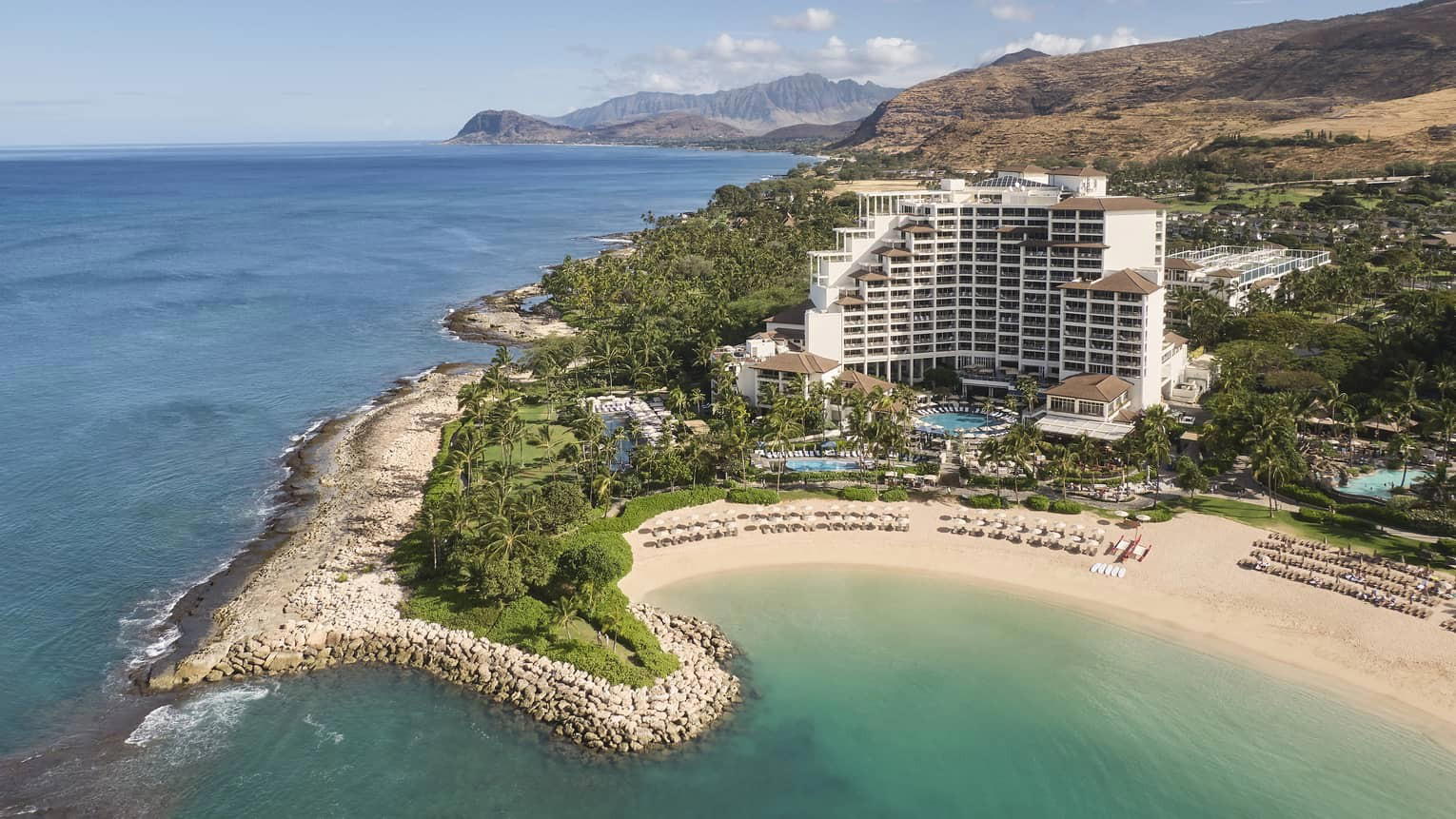
Across the luxury spectrum, design-led properties on Oahu have moved in two directions: the large international footprint, exemplified by Four Seasons Resort Oahu at Ko Olina, and the smaller, more intensively curated format, like ESPACIO The Jewel of Waikiki. The Prince Hotel sits in neither category, which makes it useful for a different type of traveler: those who want a full-service hotel with genuine water views at a price point that doesn't require the full luxury resort commitment.
To understand The Prince Hotel's position, it helps to map the competitive context. The Kahala Hotel and Resort has historically anchored the quieter, residential-adjacent end of Oahu luxury, while The Ritz-Carlton Residences, Waikiki Beach competes in the brand-certified premium tier. The Prince operates at a different altitude, practically oriented, harbor-positioned, with an address that gives easy access to both the Ala Moana shopping district and Waikiki without being embedded in either.
That in-between positioning has an analogue in other American cities. Properties like the Chicago Athletic Association have succeeded by offering character and location rather than scale, appealing to travelers who want to read a city through its neighborhood grain rather than through a resort campus. On Oahu, the harbor-adjacent address performs a similar function: it places guests in a working part of Honolulu rather than in the concentrated tourist zone, which changes what the stay feels like hour to hour.
The Dining and F&B; Context
Hawaii's food culture has matured considerably in the past decade, and Honolulu specifically has developed a dining scene that extends well beyond resort restaurants. The Prince Hotel's harbor location puts it within practical distance of Honolulu's more interesting restaurant corridor. Hawaii regional cuisine, the movement that grew from the 1990s around local sourcing, Pacific Rim technique, and Hawaiian ingredient integration, now operates across price tiers, and proximity to the city's non-resort dining options is a genuine asset for guests who want to eat outside the hotel orbit.
For comparison, destination properties like Kona Village, A Rosewood Resort on the Big Island or Meadowood Napa Valley derive dining value from their own kitchens, in part because they're removed from urban restaurant density. Urban-positioned properties like The Prince benefit from the reverse logic: the city's restaurants become an extension of the stay.
Planning a Stay: What to Know
The Prince Hotel's harbor-front address in Honolulu translates to practical advantages worth understanding before booking. Ala Moana Center, one of Hawaii's primary retail anchors, is walkable or a short drive east, while Waikiki's beach and restaurant strip is accessible without requiring a car. The Ala Wai Yacht Harbor itself provides the property's visual anchor and a running and walking path that's used by residents rather than tourists, which signals the neighborhood's character clearly.
Travelers choosing between The Prince and full-resort options further along the coast should weigh what the stay is actually for. If the goal is beach access, pool programming, and on-property F&B; as the primary activity, properties like Four Seasons Resort Oahu at Ko Olina are purpose-built for that experience. If the goal is Honolulu as a city, its restaurants, cultural sites, shopping, and working harbor energy, the Prince's position is genuinely useful. The same logic applies to comparison properties elsewhere: Hotel Bel-Air in Los Angeles or Raffles Boston succeed partly because their urban addresses give guests access to the city's density rather than insulating them from it.
For guests with specific program interests, it's worth noting that the harbor proximity creates conditions for water-based activities that differ from beach resort offerings: sailing, paddling, and harbor access rather than surf schools and beach concessions. That distinction matters if you're choosing between this part of Honolulu and the Waikiki strip specifically.
Oahu's hotel market rewards advance planning in peak season, which runs roughly from mid-December through March and again in summer. Availability at well-positioned Honolulu properties in those windows can tighten, so booking two to three months ahead is a reasonable approach for high-demand dates. Other notable properties across the US that demonstrate similar lead-time dynamics include Amangiri in Canyon Point and Little Palm Island Resort & Spa, both of which reward early commitment.
Comparable Spots, Quickly
Comparable venues nearby, for context on price, style, and recognition.
| Venue | Cuisine | Awards | Notes |
|---|---|---|---|
| The Prince HotelThis venue (the venue you are viewing) | Oceanfront luxury resort with contemporary Hawaiian design | Not listed | Not listed |
| The Ritz-Carlton Residences, Waikiki Beach | residential luxury resort | 1 Michelin Key · La Liste Top Hotels | Waikiki |
| The Kahala Hotel and Resort | Luxury oceanfront resort with Hawaiian elegance and modern comforts. | La Liste Top Hotels · Star Wine List | Kahala |
| ESPACIO The Jewel of Waikiki | Ultra-exclusive all-suite oceanfront retreat with Omotenashi-inspired personalized service. | La Liste Top Hotels · Star Wine List | Waikiki |
| Four Seasons Resort Oahu at Ko Olina | Hotel | La Liste Top Hotels · Star Wine List | Oahu |
| Hyatt Regency Waikiki Beach Resort and Spa | Full-service beachfront resort with Hawaiian cultural touches | Not listed | Waikiki |
Continue exploring
More in Oahu
Hotels in Oahu
All hotels in Oahu →
Details
- Modern
- Elegant
- Scenic
- Sophisticated
- Family Vacation
- Romantic Getaway
- Weekend Escape
- Beachfront
- Infinity Pool
- Rooftop Pool
- Panoramic View
- Pool
- Fitness Center
- Concierge
- Room Service
- Wi Fi
- Spa
- Waterfront
- Elevator
Sleek modern interiors with calming coastal colors, art-inspired lobby, serene oceanfront atmosphere, and floor-to-ceiling windows flooding rooms with natural light.