Sushi Tokiwa
Sushi Tokiwa belongs in Oahu’s Japanese dining conversation for readers who care about sourcing discipline as much as technique. In a city where island seafood, imported Japanese ingredients, and resort-driven dining all shape expectations, this is a place to evaluate through product quality, pacing, and how clearly the meal expresses its supply chain.
Pearl is the En Primeur Club membership app — saves, bookings, and concierge access live there. Same editors, same standards.
- Address
- Oahu, United States
- Directions
- Get directions
 Saves & bookings on Pearl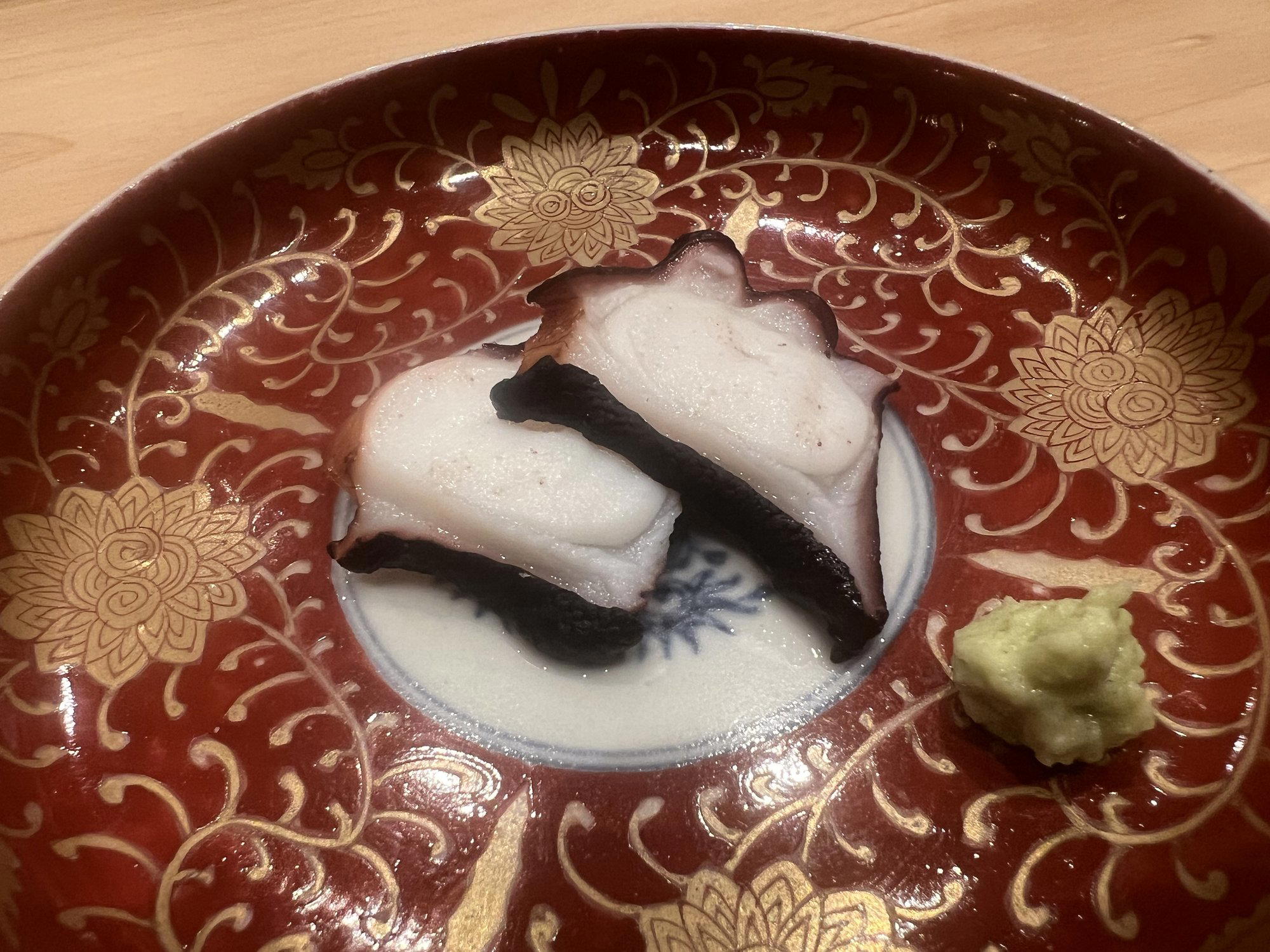
Oahu’s dining rooms are often read first through restraint: the quiet room, the clean counter line, the small decisions that tell diners whether the kitchen is thinking about timing, temperature, and season with discipline. Sushi Tokiwa enters that conversation without needing resort theatre or beach-view staging. The serious question is not whether the room performs luxury, but whether the meal shows a tight relationship between product, pacing, and attention.
Island dining is a sourcing test before it is a style statement
Dining in Hawaii sits at a useful crossroads. The islands have deep culinary roots, active seafood culture, and a dining economy shaped by both local regulars and travelers looking for precision. That mix can produce two different kinds of restaurants: places built around spectacle, and places where the value is in procurement, timing, and the kitchen’s ability to decide what belongs on the plate that day.
For Sushi Tokiwa, the ingredient question matters because Oahu changes the usual island-restaurant equation. A mainland room often signals seriousness through imported product alone; Hawaii adds another layer, where local waters, external supply chains, and Pacific seasonality all sit in the same frame. The stronger meals in this category do not treat sourcing as decoration. They make the diner aware that freshness, handling, and restraint are the point.
This is also where Oahu’s wider dining map helps. Other Oahu dining rooms point to the island’s appetite for focused formats beyond the obvious traveler circuit, while neighborhood dining and hotel dining pull in different directions. Sushi Tokiwa is better understood inside that spread than as an isolated address: Oahu rewards restaurants that know exactly which lane they occupy.
The experience should be judged by pacing, detail, and restraint
High-end dining language can become lazy quickly. Imported ingredients, attentive service, and quiet rooms are not enough on their own. The better measure is whether the meal has rhythm: food arriving with intention rather than anonymity, seasoning that supports rather than masks, and a sequence that does not confuse abundance with generosity. In Oahu, where visitors often arrive primed for seafood, that restraint is a serious editorial signal.
Sushi Tokiwa’s appeal rests on that kind of reader decision. It is not the choice for someone trying to cover every Hawaiian flavor in one sitting. It belongs to a narrower itinerary, the one that separates a focused evening from the island’s broader plate-lunch, poke, shave-ice, and resort-restaurant circuit. Travelers building around food should treat it as part of a precise dining thread, then set it against lighter daytime stops around Oahu rather than trying to make one meal carry the full island brief.
The broader Oahu guide is useful for that sorting. Use Our full Oahu restaurants guide for dining structure, Our full Oahu hotels guide for where to stay, Our full Oahu bars guide for after-dinner planning, Our full Oahu wineries guide for wine-focused detours, and Our full Oahu experiences guide for cultural time outside restaurants. The useful itinerary is not a stack of heavy meals; it is a rhythm between precise dining and the island’s easier daytime food culture.
Who should put it on an Oahu dining itinerary
Sushi Tokiwa suits diners who care about the mechanics of a focused meal more than the social signal of a famous room. The available public details are spare, which makes the reader’s own priorities more important: choose it when the aim is a concentrated dining experience, not when the group needs a broad menu, a loud room, or a flexible all-ages dinner built around grazing.
For travelers comparing focused formats across cities, Oahu offers a different lens from larger mainland or international dining markets. Other rooms may frame casual, bar-led, rice-based, or grill-centered versions of the conversation, but those are not substitutes; they clarify how specific the Sushi Tokiwa decision is. The point is to know whether the evening calls for concentration rather than range.
The same applies to the wider Pacific and West Coast food map. Resort dining, Hawaiian cooking outside Hawaii, and casual city restaurants all give useful context, but they sit outside this lane. That contrast is useful: Sushi Tokiwa is for a narrower evening, where the pleasure comes from product focus and controlled pacing rather than range.
In Context
Comparable venues nearby, for context on price, style, and recognition.
| Venue | Cuisine | Price |
|---|---|---|
| Sushi TokiwaThis venue — the venue you are viewing | Waikiki, Edomae Omakase Sushi Counter | $$$ |
| Tonkatsu Ginza Bairin | Waikiki, Tonkatsu Specialist | $$ |
| 22 Kailua | Kailua, Traditional Japanese Omakase | $$$$ |
| Nalu Health Bar & Cafe | Kakaako, Healthy Hawaiian Fusion Cafe | $$ |
| Leonards Malasadas | Kapahulu, Portuguese Malasadas | $ |
| Nana's Green Tea | Waikiki, Japanese Matcha Specialty Cafe | $ |
At a Glance
- Intimate
- Elegant
- Modern
- Sophisticated
- Date Night
- Special Occasion
- Celebration
- Solo
- Business Dinner
- Chefs Counter
- Standalone
- Open Kitchen
- Sake Program
- Beer Program
- Local Sourcing
- Sustainable Seafood
Current opening hours
- Monday
- 11:30 AM–1:30 PM, 5:30–9:30 PM
- Tuesday
- 11:30 AM–1:30 PM, 5:30–9:30 PM
- Wednesday
- Closed
- Thursday
- 11:30 AM–1:30 PM, 5:30–9:30 PM
- Friday
- 11:30 AM–1:30 PM, 5:30–9:30 PM
- Saturday
- 11:30 AM–1:30 PM, 5:30–9:30 PM
- Sunday
- Closed
Hours can change for holidays and private events. Last verified .
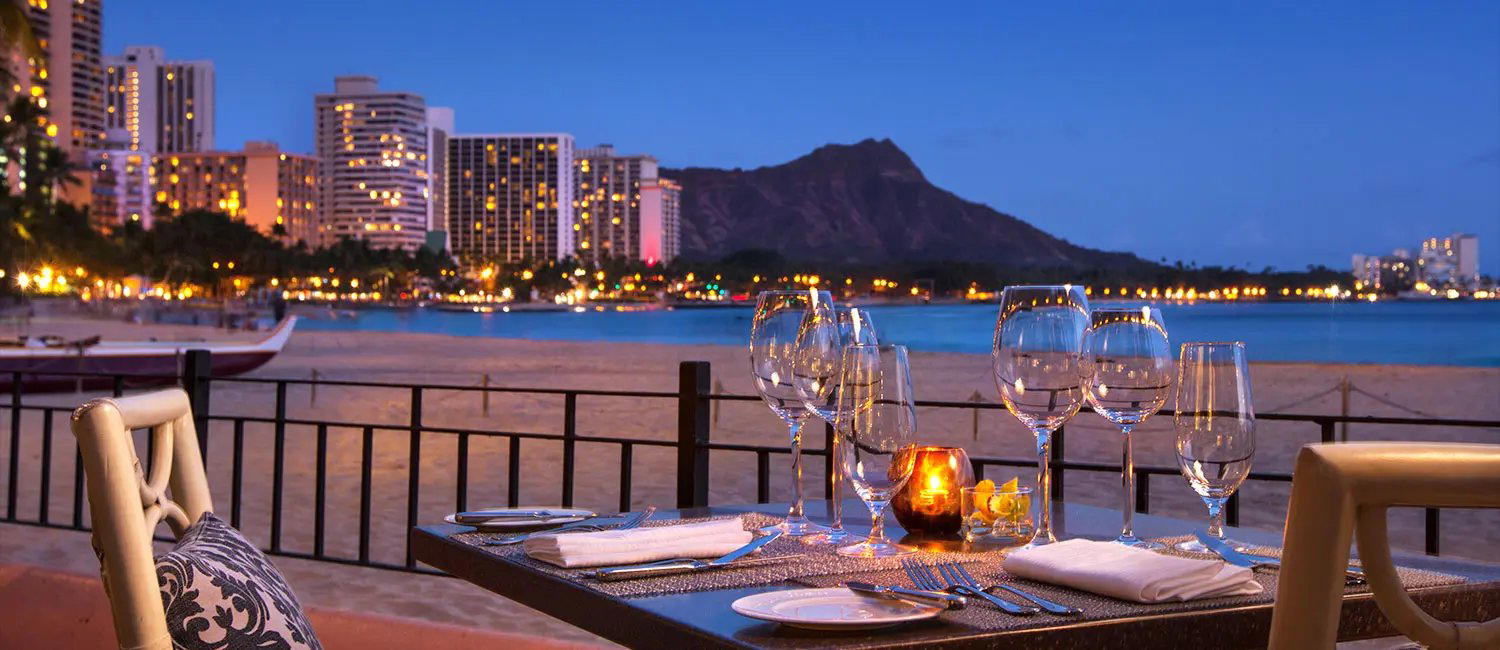
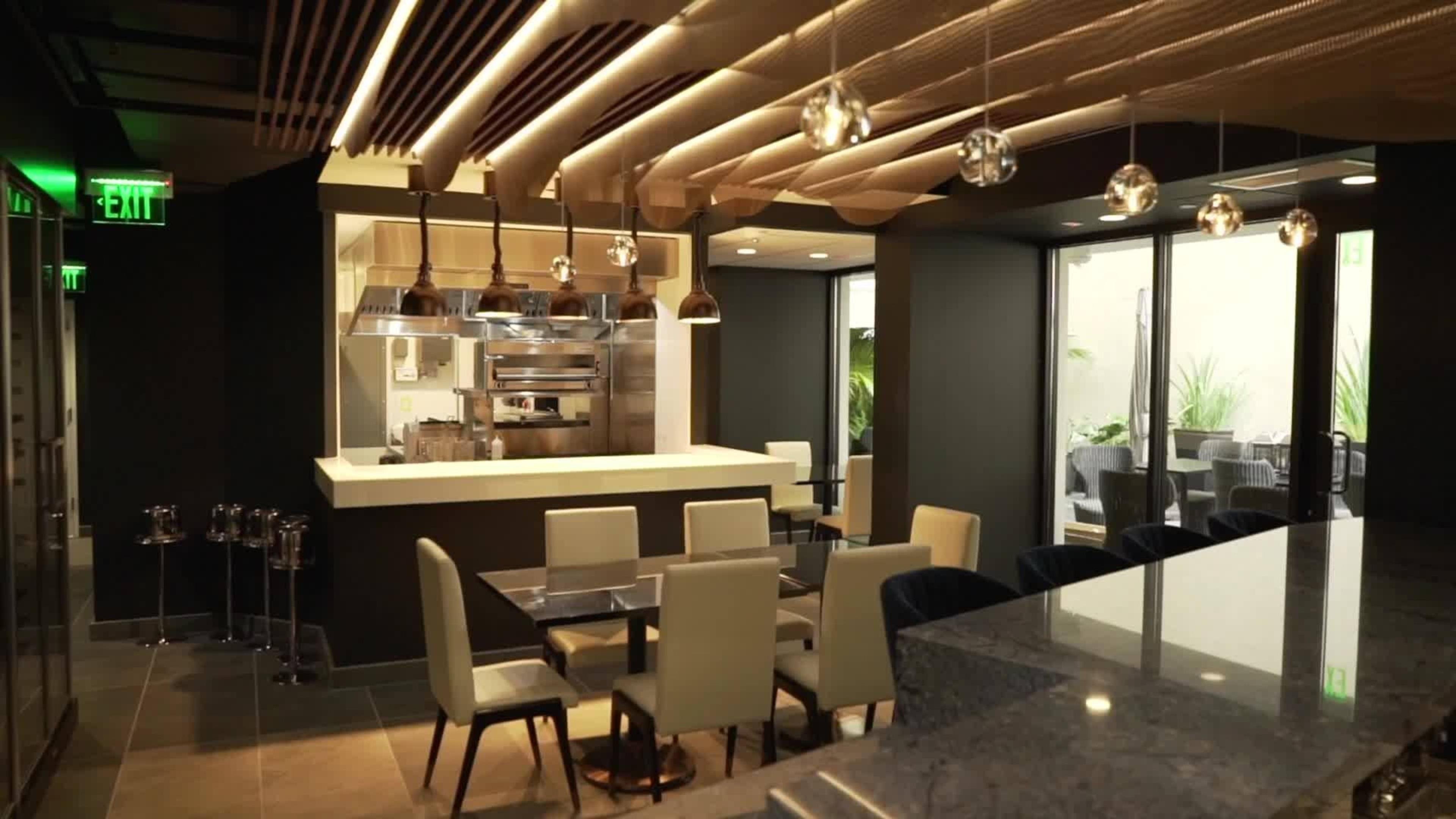
Tucked away inside Restaurant Suntory, the small nine-seat counter has a serene, minimalist Japanese design with understated lighting and a calm, quietly elegant atmosphere focused entirely on the chef and the progression of omakase courses.
Know Before You Go
- Reservations
- Essential
- Dress code
- Smart casual