
A compact curry counter in Tosabori, RAMA belongs to Osaka’s serious daytime curry circuit rather than the city’s late-night eating mythology. Its Tabelog Curry WEST “Tabelog 100” selections in 2019, 2020, 2023, and 2024 put it in a documented regional cohort, with a small-room format that rewards diners who treat curry here as a focused craft category, not a casual fallback.
Pearl is the En Primeur Club membership app — saves, bookings, and concierge access live there. Same editors, same standards.
- Address
- Japan, 〒550-0001 Osaka, Nishi Ward, Tosabori, 2 Chome−3−23 板東ビル 2F
- Phone
- +81 90-8533-1211
- Website
- facebook.com
 Saves & bookings on Pearl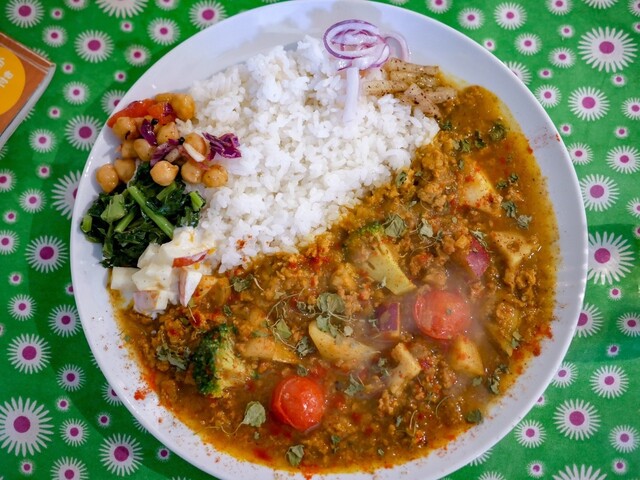
Tosabori is quieter than the neon shorthand attached to Osaka. Around Nakanoshima, office blocks, river crossings, galleries, and small lunch rooms set the rhythm; the better meals are often compact, daylight-driven, and less theatrical than Dotonbori. RAMA fits that grain: a small curry address above street level, in a part of Osaka where a focused plate can carry as much local meaning as an izakaya counter or okonomiyaki griddle.
Osaka’s curry culture merits that attention. The city has long absorbed outside formats and reworked them through local appetite: spice curry, European-style curry rice, Indian and South Asian reference points, and hybrid café cooking share the same broad conversation. In that field, a curry specialist is judged less by luxury markers than by balance, pacing, and repeat credibility. RAMA’s repeated selection for Tabelog Curry WEST “Tabelog 100” in 2019, 2020, 2023, and 2024 gives it a verifiable place in the Kansai curry conversation, where consistency matters more than spectacle.
Osaka curry treated as a specialist craft, not a side category
For visitors, curry in Japan can look deceptively simple: rice, sauce, garnish, heat. In Kansai, stronger addresses complicate that reading. Spice layering, rice texture, portion discipline, and turnover must work together, especially in small rooms where kitchen and service cannot hide behind ceremony. The format is closer to a disciplined counter meal than a leisurely dining room, and that is the appeal: a curry specialist has to make one category feel complete.
That is why Tabelog Curry WEST recognition carries editorial weight. It places the restaurant within a regional list devoted to curry rather than a general restaurant ranking, the right lens here. The competition is not kaiseki, sushi, or hotel dining; it is the dense Kansai circuit of curry counters and spice-led lunch rooms where regulars compare nuance across repeat visits. A 3.65 Tabelog score signals strong local traction in a category whose user base quickly separates novelty from durability.
The small scale sharpens the reading. Fourteen seats mean service, kitchen timing, and room management are tightly linked. In larger restaurants, front-of-house polish can offset uneven pacing; in a compact curry room, the handoff between cooking, plating, payment, and table turnover becomes the experience. No sommelier program is part of the public identity, and that absence is telling rather than limiting. The team dynamic is built around speed, clarity, and kitchen control of a narrow format.
That puts RAMA apart from Osaka’s more expansive dining stops. Takamura Wine & Coffee Roasters in Osaka plays to wine, coffee, and retail breadth; Rooots Nakanoshima sits in a contemporary register; Okonomiyaki Shimizu belongs to the city’s griddle tradition. A curry specialist asks for different attention: less lingering over courses, more whether a focused meal justifies a detour within the day’s route.
Tosabori gives the meal a sharper neighbourhood context
Nakanoshima and Tosabori change the stakes. Central Osaka has obvious eating districts, but this pocket is better read through weekday movement: workers at lunch, gallery-goers, river walks, and smaller independent addresses that do not need Namba’s density to survive. Here, curry functions as convenience and craft. A serious curry room can serve an office luncher and a destination diner without changing its grammar.
That duality helps travellers. Osaka can overwhelm first-timers with choice, especially when every district claims a signature dish. Curry offers a narrower test of local taste: spice, sweetness, heat, restraint. RAMA’s appeal sits in that compression. It is not read through grand dining codes; it shows how Osaka rewards small, repeatable formats that become part of a neighbourhood’s weekly pattern.
The practical reading is clear. This is a small, non-smoking restaurant with no private rooms and no parking, so it suits solo diners, pairs, and focused meals better than a group occasion. Cash planning matters because card, electronic money, and QR payments are not accepted. Reservations are available, but the format still belongs to the compact-counter world where timing and patience shape the visit as much as the order.
For a wider Osaka itinerary, treat this as a daytime anchor rather than a single-meal climax. Nearby dining can move in several directions: coffee and bread at .cafe, bakery culture at 52CHO-ME BAKERY, the city’s mass-market pork bun institution at 551 Horai (551蓬莱), Neapolitan-style pizza at 99 Pizza Napoletana Gourmet, or Italian cooking at a canto (Italian). The contrast is the point: Osaka’s eating culture is not one genre but highly specific formats, each with its own rules.
Where it sits in a broader Japan dining itinerary
RAMA suits travellers who know Japan’s most persuasive meals are not always the longest or costliest. Curry specialists, standing soba counters, kissaten, onigiri shops, bakeries, and sake bars all occupy serious territory when judged by the right criteria. A visitor building a food-led route across Japan might compare the category logic with [Curry Senmon Ten] Maruyama Kyoju. in Sapporo, then widen the frame through [ki:] in Kyoto.know in Kumamoto, (Shoku) Vietnam in Kawasaki. 鮪と炭火焼き うお炭 秋葉原店 in Tokyo, or -Grilled beef Sukiyaki- KAMAKURA TANUKIAN 鎌倉 たぬき庵 in Kamakura. Outside Japan, the same format-minded traveller might place Jōdo Saké Bar in Los Angeles and Onigiri Time in Pasadena in the same mental file: small formats where specificity matters.
The Osaka takeaway is direct. RAMA is not competing with the city’s celebratory restaurants, which makes it more useful. It shows how a narrow cuisine category builds standing through repetition, local trust, and operational discipline. For readers mapping the city beyond one lunch, the broader context sits in Our full Osaka restaurants guide, with adjacent planning through Our full Osaka hotels guide, Our full Osaka bars guide, Our full Osaka wineries guide, and Our full Osaka experiences guide. The point is not to collect famous names; it is to understand which formats explain the city. Curry, in Osaka, explains more than many visitors expect.
Awards and Standing
Comparable venues for orientation by cuisine and category.
| Venue | Cuisine | Price | Notes |
|---|---|---|---|
| RAMAThis venue — the venue you are viewing | Other | $ | Not listed |
| aglio olio | Seasonal Yakuzen Vegetable Curry | $ | Chūō |
| Nova Coffee to Yakigashi | Specialty coffee and baked sweets café | $ | Kita |
| Organic Pan Kobo Soreiyu | Organic bakery | $ | Abeno |
| Delicius Minoo honten | Japanese patisserie & café | $ | Minoh |
| Resolve Coffee Ten | Japanese kissaten-style coffee shop | $ | Takatsuki |
Recognition history
Dated appearances from independent guides and award organizations, with the underlying list record or original source where available.
Tabelog 100 #46 · No. 46
Tabelog · Tabelog 100 - Curry - WEST - 2024
Continue exploring
More in Osaka
Restaurants in Osaka
Browse all →

Bars in Osaka
Browse all →
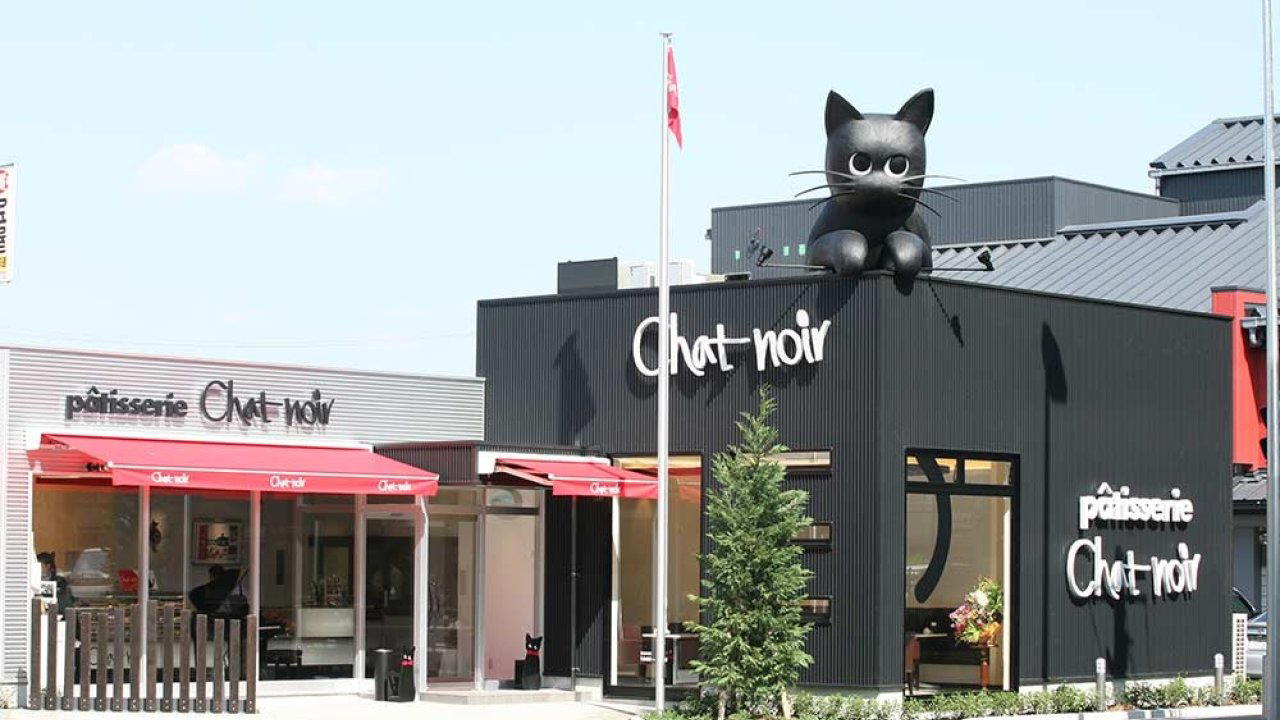
Hotels in Osaka
Browse all →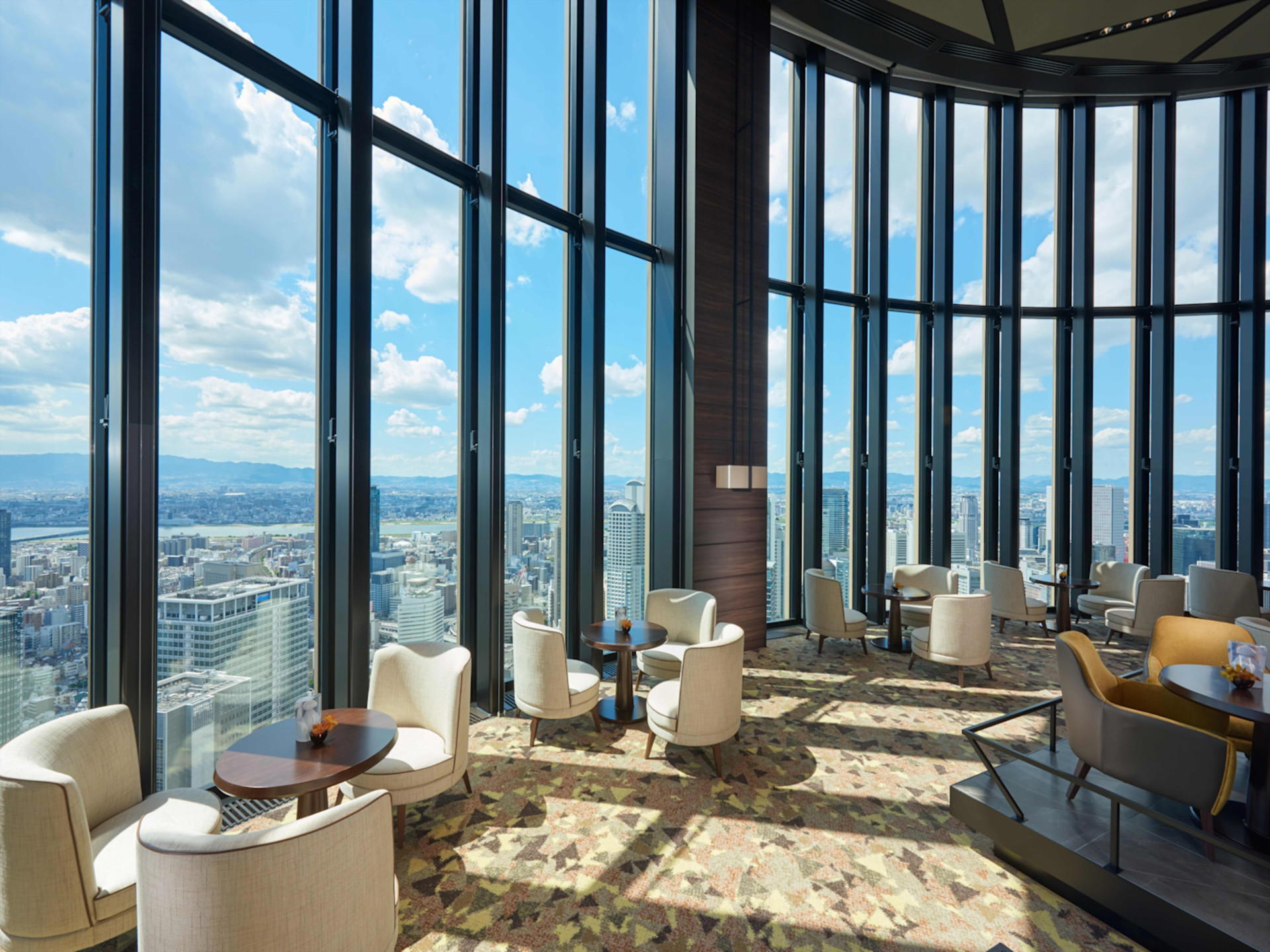



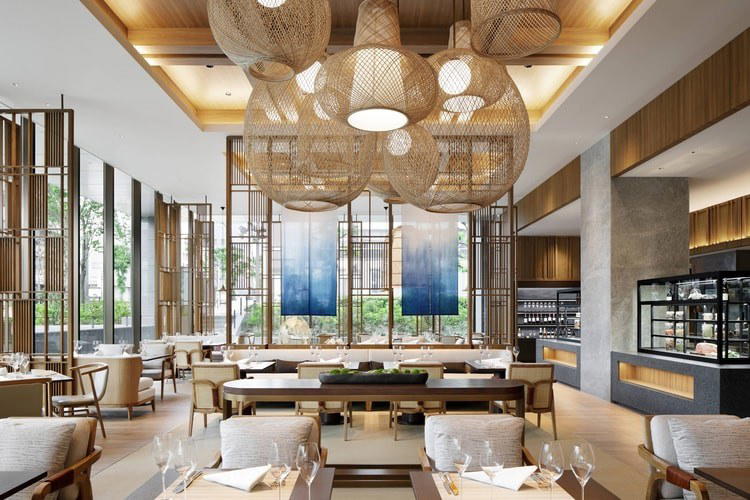
Wineries in Osaka
Browse all →
At a Glance
- Casual Hangout
- Solo
- Standalone
Current opening hours
- Monday
- 11:30 AM–4 PM
- Tuesday
- Closed
- Wednesday
- Closed
- Thursday
- 11:30 AM–4 PM
- Friday
- 11:30 AM–3 PM, 5:30–9 PM
- Saturday
- 12–5 PM
- Sunday
- 12–5 PM
Hours can change for holidays and private events. Last verified .