
In Tezukayama, Organic Pan Kobo Soreiyu sits in Osaka’s quieter bread circuit: a take-out bakery known for 100% organic ingredients, natural yeast, stone-milled whole grain flour, and a stone oven. Tabelog selected it for Bread WEST “Tabelog 100” in 2020 and 2022, placing a small neighbourhood counter inside a serious regional conversation about Japanese bread culture.
Pearl is the En Primeur Club membership app — saves, bookings, and concierge access live there. Same editors, same standards.
- Address
- 1 Chome-7-4 Tezukayama, Abeno Ward, Osaka, 545-0037, Japan
- Phone
- +81 6-6656-1623
- Website
- facebook.com
- Directions
- Get directions
 Saves & bookings on Pearl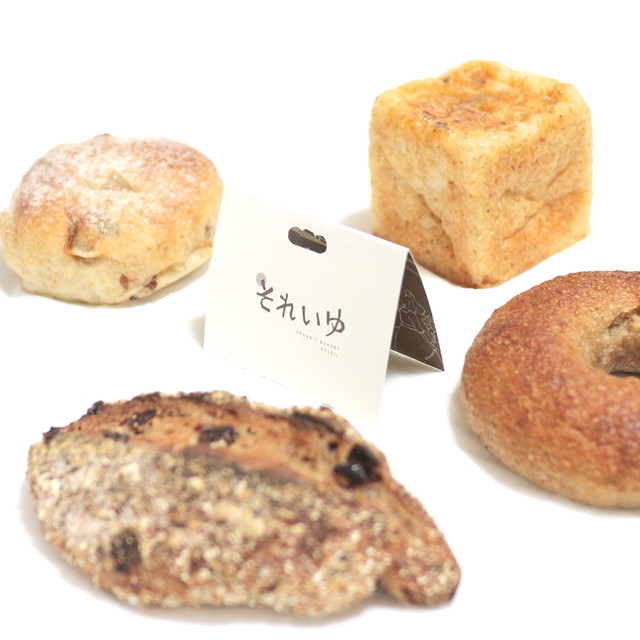
Tezukayama changes the pace before the bakery does. The tramline, low-rise houses, and residential calm put Organic Pan Kobo Soreiyu in a different Osaka from the late-night food streets around Namba or Umeda. This is bread as a daytime errand rather than dinner theatre: a small take-out stop where the critical question is not how long the meal lasts, but how much care can be folded into a loaf, a roll, or a sandwich before it leaves the counter.
Osaka’s dining reputation usually leans toward sauce, steam, and immediacy: takoyaki, okonomiyaki, kushikatsu, and commuter-friendly snacks. Bread belongs to another rhythm. Japan’s serious bakeries often operate on morning scarcity, neighbourhood loyalty, and technique that borrows from European milling and fermentation while answering local preferences for softness, digestibility, and compact formats. Soreiyu’s 2020 and 2022 selections for Tabelog Bread WEST “Tabelog 100” matter because that list treats bread as a category with its own hierarchy, not as an afterthought beside pastry or café culture.
Organic bread in a city better known for steam, sauce, and queues
The bakery’s defining lane is unusually clear: 100% organic ingredients, homemade natural yeast, whole grain flour ground with a stone mill, and a stone oven. The dough is made without eggs or dairy, while the broader range uses organic and pesticide-free vegetables; products with additive-free cheese also appear in the mix. Those details put it closer to Japan’s health-conscious artisan bread movement than to the sweet-pan counter or department-store bakery model.
That distinction is useful in Osaka, where casual daytime eating can blur into convenience. A place like 551 Horai (551蓬莱) speaks to the city’s steam-and-carry tradition, while bakeries such as 52CHO-ME BAKERY and café addresses like .cafe show how bread, coffee, and light meals form a parallel daytime map. Soreiyu sits on the more ingredient-driven side of that map. It is not chasing spectacle; the signal is in milling, fermentation, and the refusal of standard enrichment.
The value proposition is also different from Osaka’s restaurant-led daytime dining. a canto (Italian) and 99 Pizza Napoletana Gourmet use lunch to compress restaurant craft into a set meal or shared table. A bakery purchase is more fragmented: one item for the tram, several for a hotel room breakfast, a sandwich that turns a residential detour into a meal. That is why the daytime-versus-evening divide matters here. The format belongs to daylight; by evening, the value is what has already been bought, not what is served at a table.
Why the daytime format carries the whole argument
Restaurants often use dinner to justify ambition: longer pacing, higher spend, more staff choreography. Bread shops reverse that logic. The strongest bakeries compress labour into the morning and ask the customer to arrive while the day is still useful. Soreiyu’s take-out format makes that discipline visible. There is no private room, no dining-room theatre, and no tasting sequence to explain the craft after the fact. The bread has to carry the argument on its own.
Tezukayama sharpens that reading. The area is residential and composed, closer in mood to a local errand than a destination crawl. Nearby comparison venues suggest the neighbourhood’s range: POIRE Tezukayama honten operates in the same general spend band, Kashiya points to a lower-cost sweet stop, Usagi to Boku sits in the café register, PiEDRA moves between casual daytime pricing and a higher evening bracket, and Matsuzushi belongs to a separate sushi economy. Against those options, an organic bakery is a specific daytime decision: lower ceremony, ingredient scrutiny, and a purchase that travels.
The Tabelog score of 3.61 adds a modest but useful calibration. In Japan’s user-review culture, scores above the low threes can signal real local traction, especially for small-format specialists without the visibility of central restaurant districts. The Bread WEST selections in 2020 and 2022 carry more editorial weight than the number alone because they place Soreiyu among regional bread addresses rather than all-purpose restaurants. For travellers, that is the relevant filter: not “Where is dinner tonight?” but “Which daytime detour says something about how Osaka eats when it is not performing for visitors?”
How to read Soreiyu within a wider Osaka itinerary
A smart Osaka food day separates categories instead of stacking heavy meals. Bread belongs early or midday; sushi, sukiyaki, Italian, and bars belong to different hours and appetites. Use the city’s breadth rather than forcing one neighbourhood to do everything. EP Club’s broader maps can help frame that split: start with Our full Osaka restaurants guide, then widen the stay through Our full Osaka hotels guide, Our full Osaka bars guide, Our full Osaka wineries guide, and Our full Osaka experiences guide.
The broader Japan file reinforces the same point: small formats often explain a city faster than formal dining alone. Compare a bread stop in Osaka with -Grilled beef Sukiyaki- KAMAKURA TANUKIAN 鎌倉 たぬき庵 in Kamakura. 鮪と炭火焼き うお炭 秋葉原店 in Tokyo.know in Kumamoto, (Shoku) Vietnam in Kawasaki, [Curry Senmon Ten] Maruyama Kyoju. in Sapporo, and [ki:] in Kyoto. Outside Japan, Jōdo Saké Bar in Los Angeles and Onigiri Time in Pasadena show how Japanese casual formats travel, adapt, and become markers of daily culture abroad.
The editorial read is simple: Organic Pan Kobo Soreiyu is strongest when treated as part of Osaka’s daylight food system, not as a substitute for dinner. Its importance lies in the category it represents: organic, fermentation-led bread in a city more often judged by hot snacks and late meals. That makes it a useful counterweight on an itinerary heavy with restaurants, and a reminder that Osaka’s quieter craft often appears before evening begins.
Same-City Peers
Comparable venues by price and recognition.
| Venue | Cuisine | Price | Notes |
|---|---|---|---|
| Organic Pan Kobo SoreiyuThis venue — the venue you are viewing | Organic bakery | $ | Not listed |
| Boulangerie goût | French-style bakery & cafe | $ | Chūō |
| 52CHO-ME BAKERY | Japanese Bakery | $ | Chūō |
| PAINDUCE Honten | Artisan bakery & café | $ | Chūō |
| Cantegrande Curry San hiroba ten | Curry House | $ | Kita |
| MAR | Creative cuisine | $ | Kita |
Recognition history
Dated appearances from independent guides and award organizations, with the underlying list record or original source where available.
Tabelog 100 #81 · No. 81
Tabelog · Tabelog 100 - Bread - WEST - 2022
Continue exploring
More in Osaka
Restaurants in Osaka
Browse all →




Bars in Osaka
Browse all →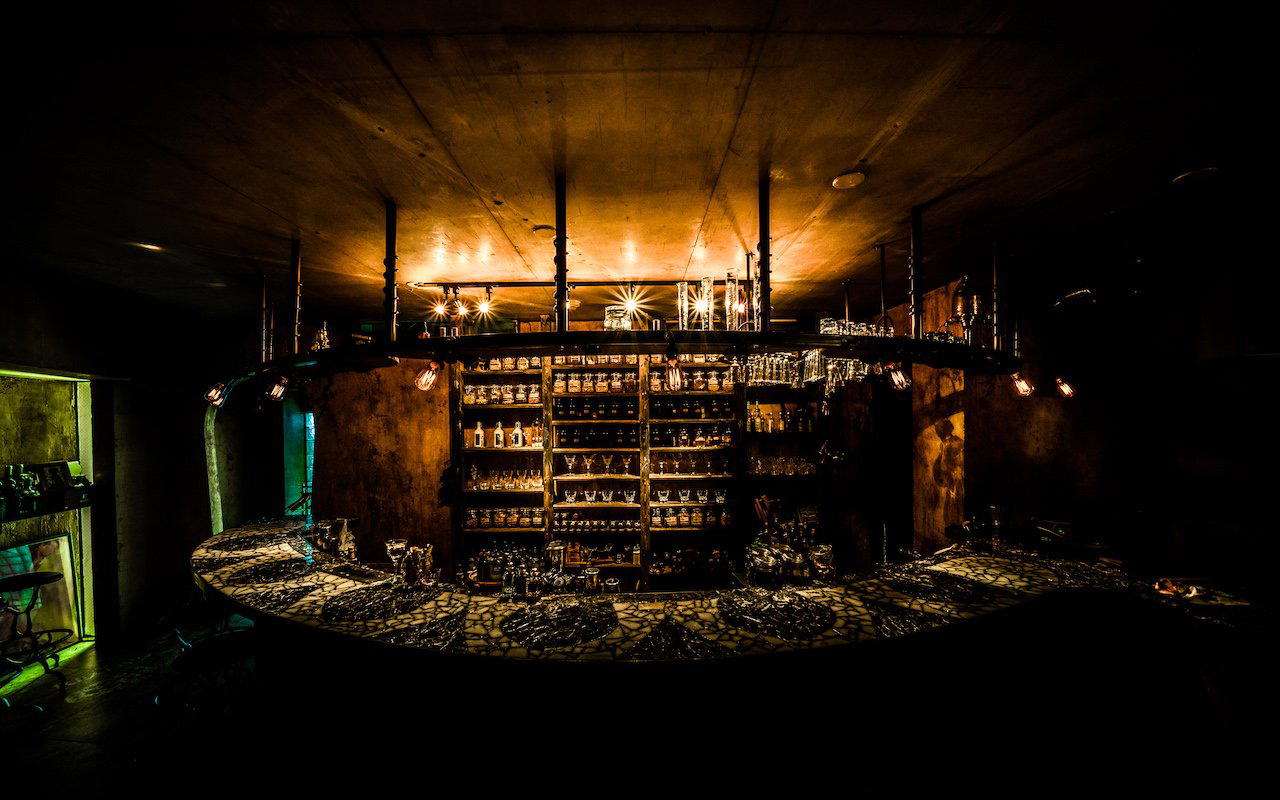


Hotels in Osaka
Browse all →



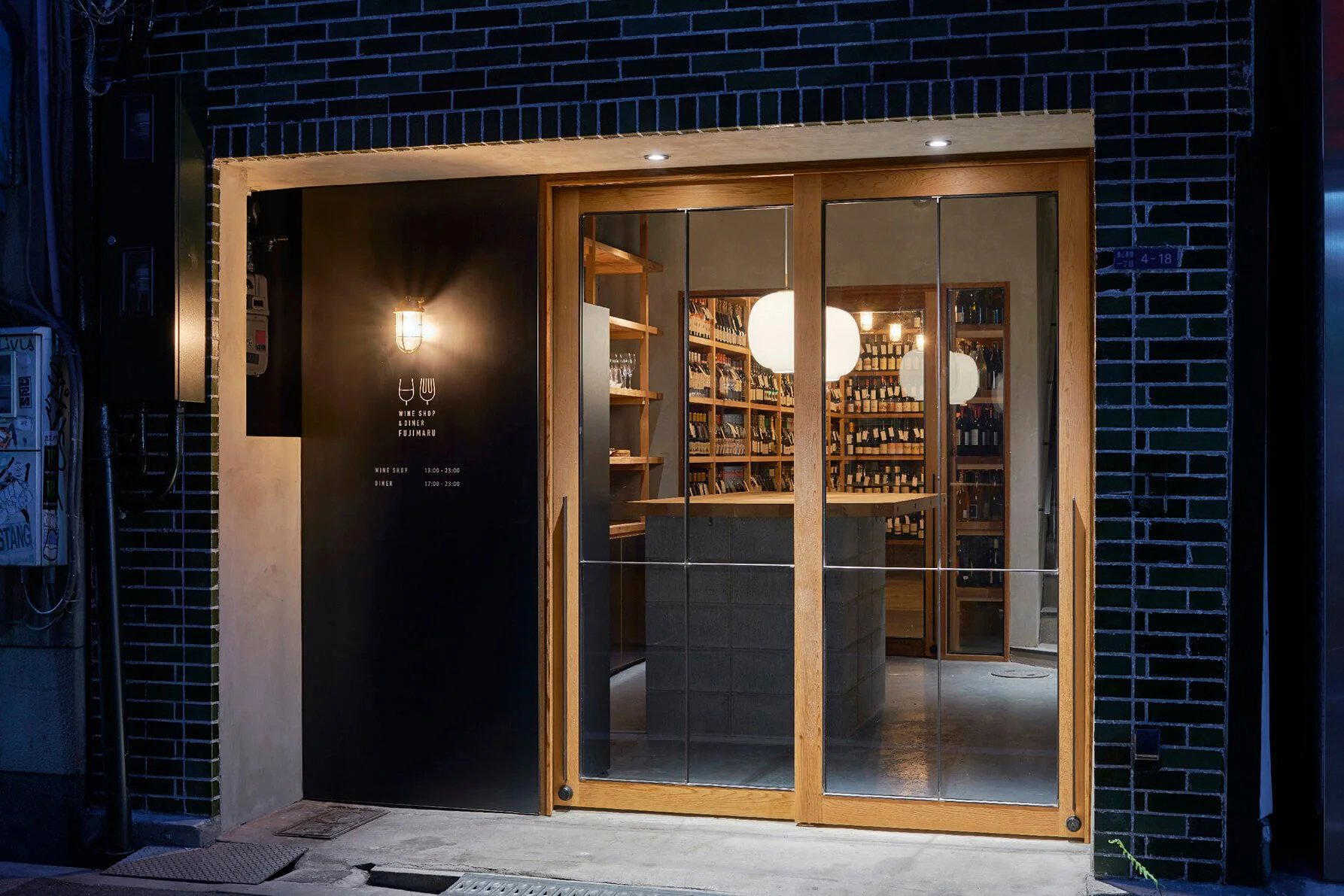
Wineries in Osaka
Browse all →
At a Glance
- Solo
- Casual Hangout
- After Work
- Family
- Standalone
- Organic
Current opening hours
- Monday
- Closed
- Tuesday
- Closed
- Wednesday
- 8 AM–6 PM
- Thursday
- 8 AM–6 PM
- Friday
- 8 AM–6 PM
- Saturday
- 8 AM–6 PM
- Sunday
- 8 AM–6 PM
Hours can change for holidays and private events. Last verified .