Rakuichi
Rakuichi sits within Niseko's compact but serious dining scene, where Hokkaido's agricultural and marine abundance gives local kitchens a sourcing advantage that few regions in Japan can match. The restaurant draws on that larder, Yotei-area produce, Shakotan seafood, Hokkaido dairy, in a format that reflects the discipline of Japanese culinary tradition without replicating the urban kaiseki template. For travellers already committed to the mountain circuit, it earns a place on the itinerary.
Pearl is the En Primeur Club membership app — saves, bookings, and concierge access live there. Same editors, same standards.
- Address
- Hokkaido (Niseko), Japan
- Website
- rakuichisoba.com
 Saves & bookings on Pearl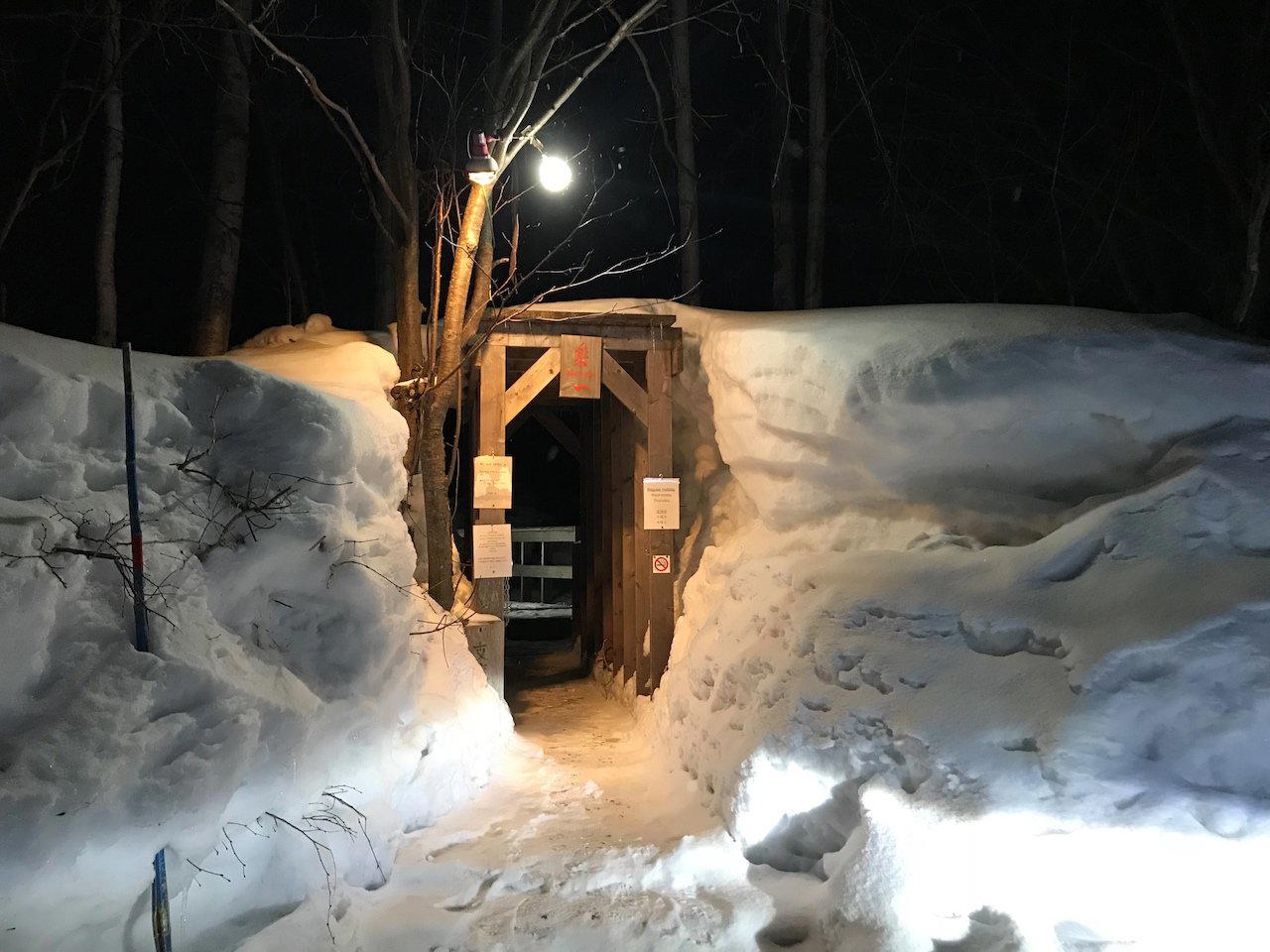
Where Hokkaido's Larder Meets the Niseko Table
Arrive in Niseko in deep winter and the landscape does most of the talking: powder-laden birch slopes, the clean cold of the Shiribeshi region pressing against every window, Mount Yotei's symmetrical cone visible on clear evenings from the village streets. The dining room you step into after a day on the mountain carries that same atmospheric weight. Hokkaido winters are not merely scenic backdrop; they are a sourcing condition. The cold slows maturation, concentrates sugars in root vegetables, firms the flesh of fish pulled from the Sea of Japan's northern waters. Rakuichi is a restaurant in Niseko serving Traditional Soba Kaiseki at about $45 per person.
The Hokkaido Sourcing Advantage
No prefecture in Japan commands a more diverse agricultural and marine portfolio than Hokkaido. It accounts for roughly a quarter of Japan's total agricultural output, producing dairy, wheat, potatoes, beet sugar, and an array of cold-climate vegetables that urban Japanese restaurants pay premiums to access. The Shakotan Peninsula, accessible from Niseko within an hour's drive along the coast, yields some of Hokkaido's most prized sea urchin, the kind that appears on the menus of high-end Tokyo counters like Harutaka in Tokyo at considerable markup. A kitchen in Niseko does not need to absorb that freight cost or distribution lag.
That proximity is the structural argument for taking Niseko dining seriously. Restaurants here receive Hokkaido produce at a freshness tier that their counterparts in Osaka, Kyoto, or Tokyo, operating through central wholesale markets, rarely match. At HAJIME in Osaka or Gion Sasaki in Kyoto, Hokkaido ingredients are flown or shipped in as premium line items. Here, they are the local supply chain.
This is the context in which Rakuichi should be read. It is not attempting to replicate the formal kaiseki architecture of Kyoto or the precision sushi choreography of Ginza. It operates inside a mountain resort town where the sourcing window, and the seasonal rhythm of ski season, late spring thaw, and brief summer, shapes what the kitchen can credibly offer at any given moment.
Niseko's Dining Position Within Japan's Premium Circuit
Japan's high-end dining circuit runs through a familiar axis: Tokyo's concentration of starred counters, Kyoto's kaiseki formalism, Osaka's technique-forward innovation, and a spreading network of regional practitioners in cities like Fukuoka (see Goh in Fukuoka) and Nara (see akordu in Nara). Hokkaido sits outside that core circuit geographically but connects to it through ingredient supply and through the international skier demographic that drives Niseko's economy between December and March.
That demographic has pulled the village's restaurant quality upward over the past decade. Operators who might have opened in Sapporo (where 夫佐山乃 in Sapporo anchors a more conventional urban dining scene) have instead found a market in Niseko willing to spend at urban price points in exchange for direct mountain access. The result is a dining environment that punches above what a town of Niseko's permanent population would typically support. Rakuichi operates in that refined context.
For a broader picture of where Rakuichi sits within the local restaurant hierarchy, Nearby Boulangerie Jin represents the other end of the culinary spectrum, a morning stop built around Hokkaido wheat and dairy in bread form, which illustrates how thoroughly the prefecture's agricultural output runs through even casual dining formats here.
Seasonal Rhythm and When to Visit
Niseko's dining calendar splits sharply between ski season (roughly December through March, peaking in January and February) and the quieter shoulder periods. Winter brings the largest concentration of international visitors and the deepest kitchen staffing. Summer, when Hokkaido's farms reach peak production and the mountain roads open fully, offers a different but equally compelling sourcing window: Hokkaido corn, lavender-adjacent herb production from Furano, and the seafood transition toward scallops and hairy crab. Restaurants that operate year-round typically shift their sourcing emphasis significantly between these two periods. Booking in peak ski season requires more lead time; the summer months offer more availability but reward early planning to confirm operating schedules, which vary by venue.
The comparison with New York's more precisely documented seasonal programs, Le Bernardin in New York City or the Korean-influenced tasting format at Atomix in New York City, is instructive mainly in contrast. Those kitchens operate with published tasting menus, fixed-price structures, and publicly documented booking systems.
Planning a Visit
Niseko's restaurant cluster is compact enough that most venues sit within a short drive or walkable distance from the main resort areas. Accommodation is dominated by ski-in/ski-out properties and boutique lodges, and their concierge teams are typically well-positioned to assist with reservations at local restaurants, particularly for venues that do not maintain English-language booking infrastructure. Dress code across Niseko dining is generally informal by Japanese fine-dining standards, reflecting the resort-town context, though individual venues may have specific expectations worth confirming in advance.
The through-line across all of them is a kitchen rooted in what the surrounding geography produces rather than what a central wholesale market can supply on overnight freight.
In Context: Similar Options
Comparable venues nearby, for context on price, style, and recognition.
| Venue | Cuisine | Price | Notes |
|---|---|---|---|
| RakuichiThis venue — the venue you are viewing | Traditional Soba Kaiseki | $$$ | Not listed |
| Boulangerie Jin | French Bakery | $$ | Makkari-mura |
| Maeshiro | Traditional Kyoto Kaiseki Omakase | $$$ | Nakagyō |
| Zorome | Traditional Japanese Unagi (Kyosui Eel) | $$$ | Toshima |
| Umean | Tempura and Soba Omakase | $$$ | Bunkyō |
| Charcoal fire izakaya Julia Wagyu specialty store | Charcoal Fire Izakaya with Wagyu Specialty | $$$ | Shimogyō |
At a Glance
- Intimate
- Elegant
- Rustic
- Quiet
- Special Occasion
- Date Night
- Chefs Counter
- Standalone
- Historic Building
- Local Sourcing
- Farm To Table
Minimalist wabi-sabi aesthetic with elegant simplicity; traditional Japanese wooden cabin accessed via suspended walkway; intimate counter seating with hosts in kimono; warm, refined atmosphere emphasizing the delicate craft of soba.