Pummarola

Our verdict
Pummarola brings a lineage stretching back to Naples in 1968 to a Boca Raton address, serving traditional Neapolitan pizza and pasta in a format built around the chain's founding principles. The name itself, Neapolitan dialect for tomato, signals the ingredient-first focus that has anchored the brand across generations. For South Florida diners seeking a Neapolitan reference point, it occupies a distinct position in the local Italian dining scene.

Pearl is the En Primeur Club membership app, where members save venues, book tables and use the concierge.
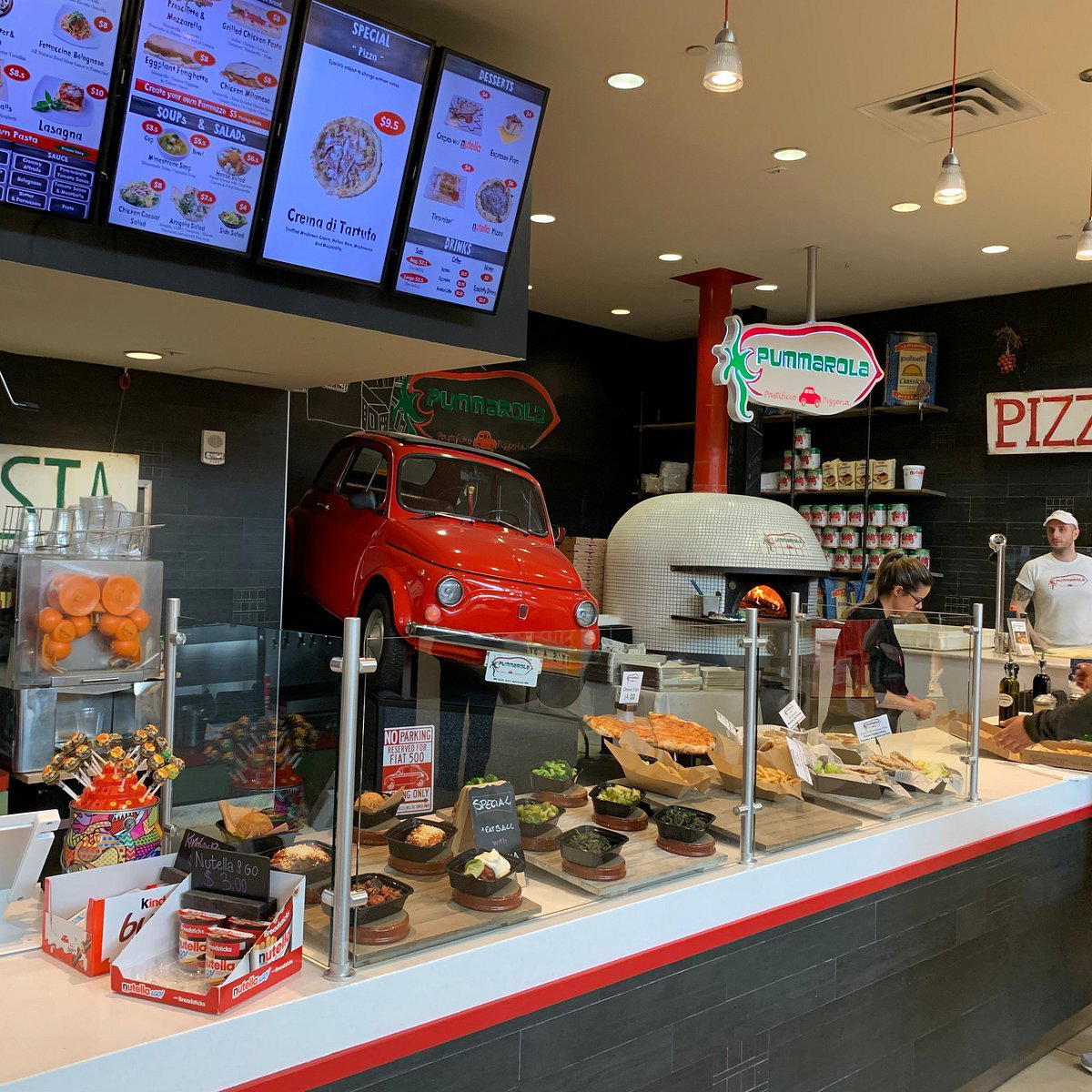
The menu
What to order
- Margherita Pizza
- Pepperoni Pizza
- Spicy Salami Pizza
Neapolitan Pizza in South Florida: The Ingredient Argument
In a region where Italian-American dining often defaults to heavier, Americanized formats, oversized portions, jarred sauce, cheese-heavy constructions, the Neapolitan pizza tradition operates as a corrective. The discipline of true Neapolitan pizza-making is narrow and demanding: specific flour, San Marzano-style tomatoes, fresh fior di latte or buffalo mozzarella, a wood-fired oven running at temperatures most American kitchens never reach, and a bake time measured in seconds rather than minutes. What arrives on the plate is soft-centered, leopard-spotted at the crust, and built around the quality of its components rather than the volume of its toppings. That philosophy is not universally applied in South Florida's Italian dining sector, which makes venues that commit to it worth distinguishing from the broader field. For a broader look at where Boca Raton's dining scene sits across cuisines and price tiers, our full Boca Raton restaurants guide maps the full picture.
A Founding Lineage and the Weight of the Name
Pummarola, the word itself is Neapolitan dialect for tomato, the ingredient at the structural center of the cuisine, was founded in Naples in 1968. The brand's re-establishment in the United States was led by the founder's grandsons, a generational handoff that carries specific implications. When a food tradition passes through family lines rather than corporate acquisition, the pressure to maintain ingredient standards tends to be more direct. The tomato is not a side note here: in Neapolitan cooking, the sauce base determines the character of everything built on top of it, and a kitchen that names itself after the tomato has committed to a public standard on that point.
This matters in context. South Florida has no shortage of Italian concepts that invoke Italian heritage in their branding without substantiating it in the kitchen. The 1968 founding date places Pummarola's origins in a period when Neapolitan pizza was not yet a global export category, it was a local craft product, made the same way in the same neighborhoods for decades. Carrying that lineage into a Boca Raton strip-mall address at 6000 Glades Road is a claim that invites scrutiny, and the chain's continued operation across multiple US locations suggests the product has held up to it.
What the Kitchen Signals About Sourcing
Neapolitan pizza's ingredient sourcing has a documented hierarchy, and the credibility of any operation claiming the tradition rests on where it lands within that hierarchy. At the leading: Italian-milled "00" flour for the dough, San Marzano tomatoes grown in the volcanic soil of Campania's Agro Sarnese-Nocerino zone (which carry their own protected designation of origin), and mozzarella either in its buffalo form from Campania or as fresh fior di latte. These are not interchangeable with commodity alternatives, the flavor profiles are categorically different, and experienced palates can identify the substitution immediately.
Pummarola's stated commitment to fresh ingredients across its Neapolitan pizza, pasta, and broader Italian menu positions it within the sourcing-conscious tier of the category. The distinction between a kitchen sourcing to tradition and one sourcing to price point shows up most clearly in the tomato sauce and the mozzarella, the two components that can't be disguised by preparation technique. That the brand chose to anchor its identity in the word "pummarola" rather than a founder's name or a geographic reference suggests a deliberate bet on ingredient provenance as the primary signal to the customer.
Where Pummarola Sits in Boca Raton's Italian Dining Field
Boca Raton's restaurant scene skews toward the affluent end of the Florida spectrum, with a concentration of national chains alongside locally operated concepts serving a demographic that travels frequently and has calibrated expectations. In that context, a Neapolitan pizzeria with a documented 1968 Naples lineage occupies a specific and defensible position: it is not fine dining, but it is also not the casual Italian-American format that dominates the mid-market tier. It sits in a category that Italian food culture would recognize as a serious neighborhood pizzeria, the kind of place where the pizza is the point, the menu is focused, and the quality signal is the product itself rather than the room's decoration or the service choreography.
For diners moving between different price tiers and formats in South Florida, the context of what this type of dining offers is worth holding alongside the reference points at the other end of the spectrum. Tasting-menu formats at venues like Le Bernardin in New York City, Alinea in Chicago, or The French Laundry in Napa represent a different category entirely, multi-course, high-ceremony, ingredient-sourcing as theatre. Pummarola's proposition is the opposite: a focused menu built around a single culinary tradition, where the quality argument is made through the pizza and pasta rather than through format or price. Both approaches can substantiate an ingredient-sourcing claim; they simply do so at different scales and in different registers.
Other regional American restaurants doing serious ingredient-sourcing work, Blue Hill at Stone Barns in Tarrytown, Single Thread Farm in Healdsburg, operate at the farm-to-table end of the spectrum with significant infrastructure behind the sourcing claim. Pummarola's claim is narrower and more specific: fidelity to a regional Italian tradition with a documented founding point in the tradition's place of origin.
Planning a Visit
Pummarola's Boca Raton location is at 6000 Glades Road, placing it in the Town Center corridor, accessible by car and walkable from the surrounding retail and hotel district. The format, consistent with the chain's broader positioning, is casual rather than formal. Booking logistics, hours, and current menu details are best confirmed directly with the location, as those operational specifics are not publicly centralized. Given the family-dining format and the accessible price positioning relative to Boca Raton's higher-end restaurant tier, the location functions well for groups, and the menu's breadth across pizza and pasta gives the table flexibility without the negotiation required at more format-rigid venues.
For visitors building out a broader Boca Raton itinerary, the Boca Raton hotels guide, bars guide, and experiences guide cover the wider field. The wineries guide is also worth consulting for those building a longer South Florida food-and-drink program.
Frequently asked questions
Is Pummarola good for families?
Pummarola's format, a Neapolitan pizzeria with traditional pizza and pasta as its backbone, translates well to family dining. The menu's straightforward Italian structure, centered on dishes the chain has served since its 1968 Naples founding, gives groups with varied preferences a practical range of options without needing to navigate a specialist or tasting-menu format.
Is Pummarola formal or casual?
Pummarola operates as a casual pizzeria, not a white-tablecloth Italian venue. Its identity is rooted in Neapolitan street and trattoria tradition, the name itself is Neapolitan dialect for tomato, which positions it firmly in the everyday dining register rather than the occasion-dining tier that dominates parts of Boca Raton's restaurant field.
Does Pummarola have a Michelin star or similar recognition?
Pummarola has received recognition including: Pummarola is an authentic Neapolitan Pizzeria chain, founded in 1968 in Naples, Italy, and re-established in the US by the founder's grandsons. It offers traditional Neapolitan pizza, pasta, and other Italian dishes made with fresh ingredie….
What do people recommend at Pummarola?
The menu centers on traditional Neapolitan pizza and pasta made with fresh ingredients, consistent with the chain's founding approach in Naples in 1968. Given that sourcing and dough technique are the credibility markers of any Neapolitan operation, the pizza is the logical starting point for first-time visitors. Specific dish recommendations are best confirmed directly with the Boca Raton location at 6000 Glades Road.
At-a-Glance Comparison
| Venue | Cuisine | Price | Awards | Notes |
|---|---|---|---|---|
| PummarolaThis venue (the venue you are viewing) | Authentic Neapolitan Pizza | $10–20 | Not listed | Not listed |
| Le Bernardin | French Seafood Fine Dining | $300–500 | 3 Michelin Stars · World's 50 Best #13 | French, Seafood |
| Atomix | Modern Korean Tasting Menu | $300–500 | 2 Michelin Stars · World's 50 Best #7 | Modern Korean, Korean |
| Lazy Bear | Modern American Tasting Menu | Not listed | 2 Michelin Stars · World's 50 Best #25 | Progressive American, Contemporary |
| Alinea | Avant-Garde Molecular Gastronomy | $300–500 | 2 Michelin Stars · World's 50 Best #37 | Progressive American, Creative |
| Masa | Seasonal Hokkaido Tempura Omakase | $150–200 | Tabelog 100 #34 | Sushi, Japanese |
Recognition history
Dated appearances from independent guides and award organizations, with the underlying list record or original source where available.
50 Top Pizza 50 Top World Artisan Pizza Chains #33
50 Top Pizza
Continue exploring
More in Boca Raton
Restaurants in Boca Raton
All restaurants in Boca Raton →


Bars in Boca Raton
Browse all →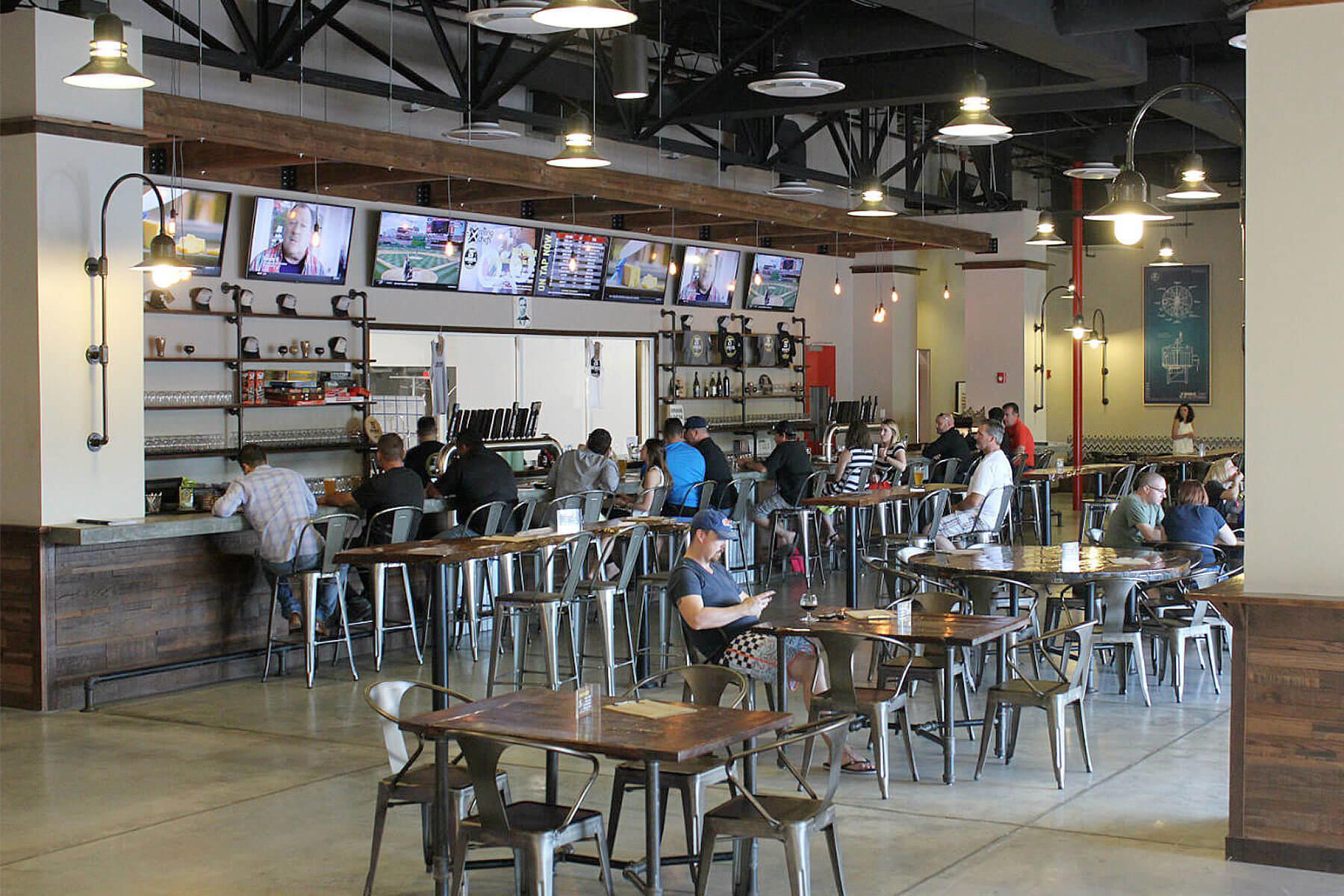





Details
- Casual
- Rustic
- Casual Hangout
- Family
- Group Dining
- Open Kitchen
- Local Sourcing
- A La Carte
- Counter Dining
- Vegetarian Friendly
- Vegan Options
Current opening hours
- Monday
- 11 AM–9 PM
- Tuesday
- 11 AM–9 PM
- Wednesday
- 11 AM–9 PM
- Thursday
- 11 AM–9 PM
- Friday
- 11 AM–9 PM
- Saturday
- 11 AM–9 PM
- Sunday
- 11 AM–7 PM
Hours can change for holidays and private events. Last verified .
Bright, clean food court setting with open kitchen visibility where customers can watch pizzas being prepared in the wood-fired oven; casual and unpretentious despite high-quality execution.