Prix de Rome

Michelin Plate
Our verdict
A Michelin Plate holder on the quieter southern edge of Maastricht's centre, Prix de Rome pairs exposed-beam architecture with a menu that moves between ingredient-led restraint and more elaborate constructions. Chef Wouter's set menu draws a loyal local following, and at the €€ price point it sits well below the city's cluster of €€€€ creative restaurants. The terrace is a draw when the weather cooperates.

Pearl is the En Primeur Club membership app, where members save venues, book tables and use the concierge.

The menu
What to order
- Salmon ceviche
- Crispy fried veal sweetbreads
- Balfegó tuna
- Steak tartare
- Lamb with asparagus
- Dame Blanche
A Building That Sets Expectations Before the Menu Does
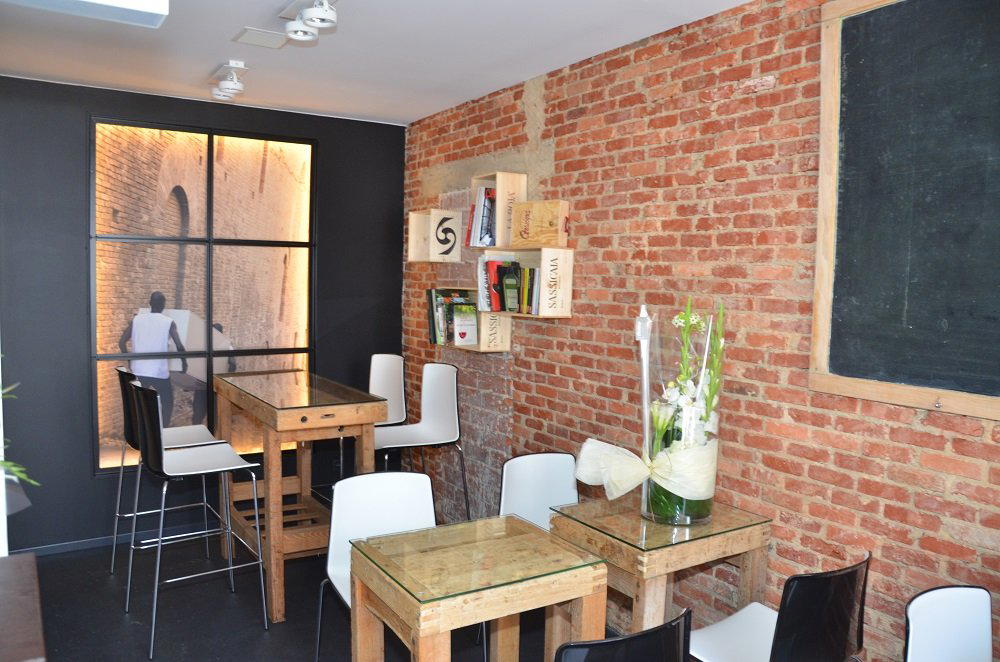
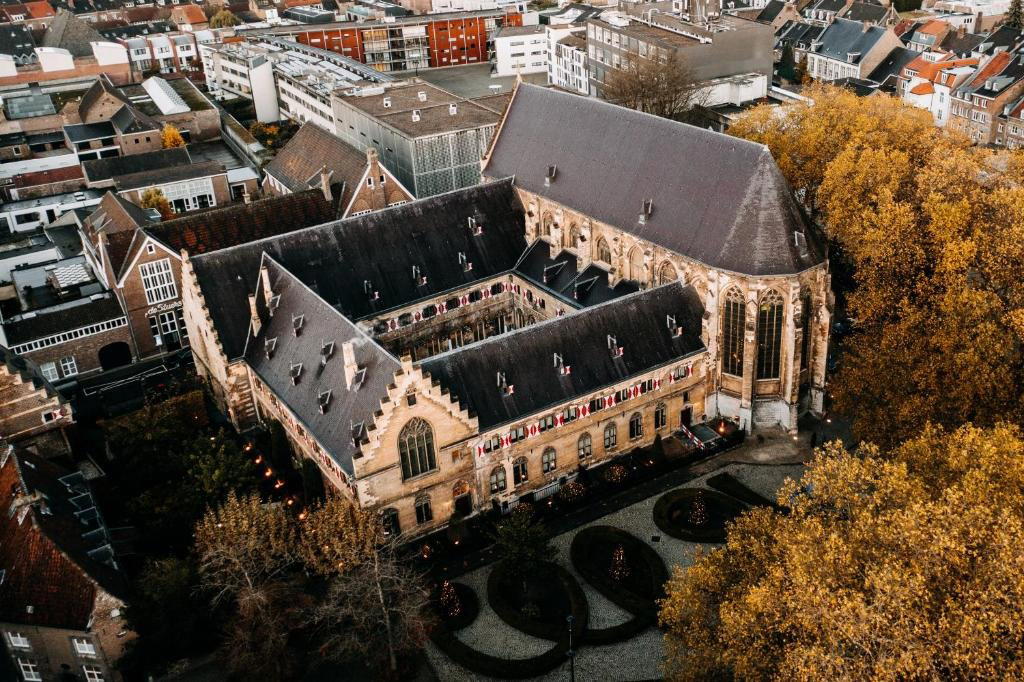
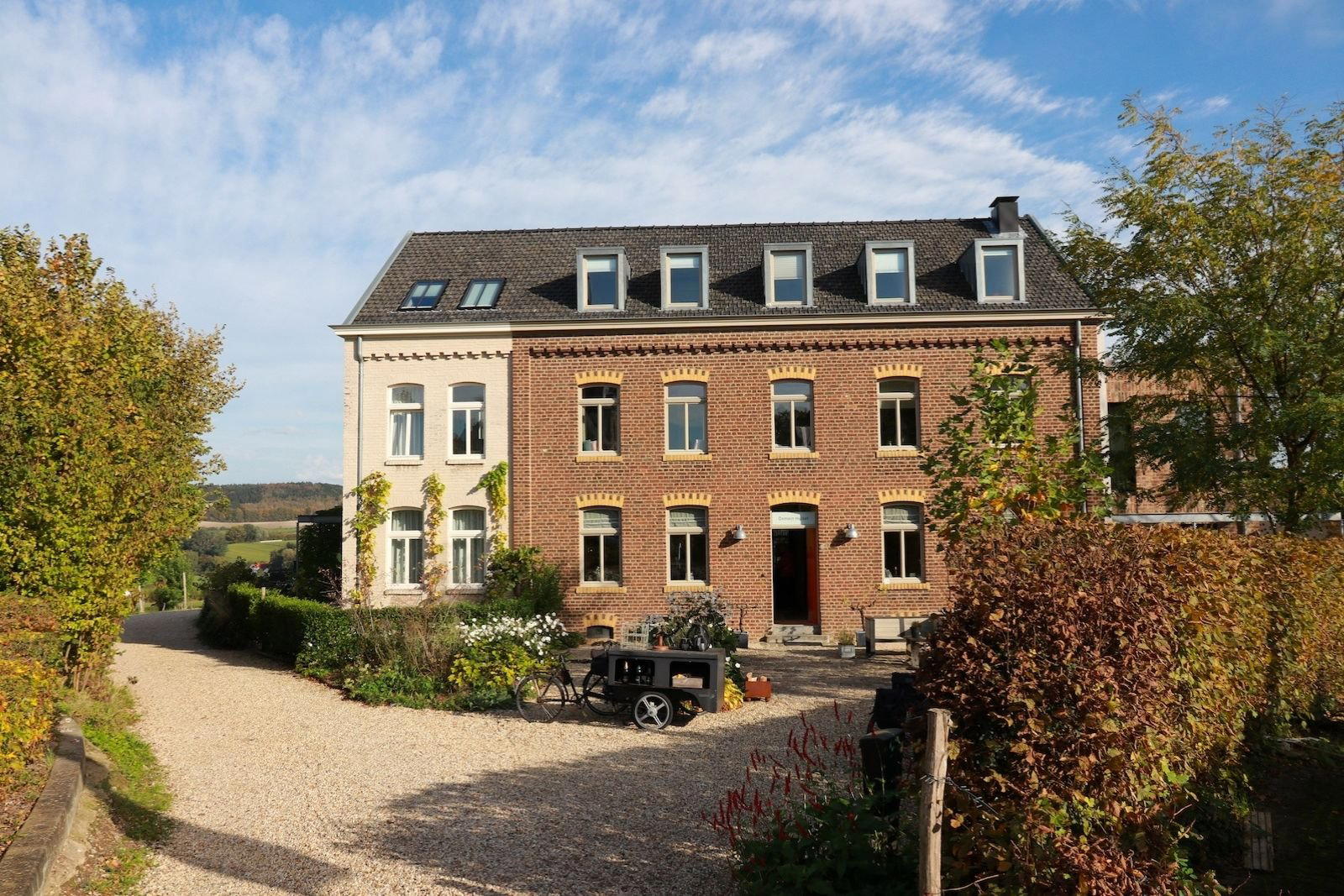
The approach to Prix de Rome does most of the persuasive work. Situated at Susserweg 1, just outside Maastricht's historic centre, the building carries a quiet architectural authority that signals intention without performance. Step inside and the design choice that dominates is the exposed timber framing: heavy original beams integrated into an otherwise contemporary interior. This is not the rustic-by-default aesthetic of a converted farmhouse; the beams here read as a deliberate structural argument, their weight and age left visible against cleaner modern surfaces. The effect is a room that feels grounded rather than fussy, comfortable without being generic.
In a city where the top end of the dining market clusters around full-format €€€€ restaurants, places like Beluga Loves You (€€€€ · Creative), Studio (€€€€ · Asian Influences), Au Coin des Bons Enfants (€€€€ · Modern French), and Tout à Fait (€€€€ · Modern French), Prix de Rome operates at the €€ tier while holding a Michelin Plate. That positioning is relatively rare in the Netherlands: Michelin recognition at a price point that does not require the kind of advance planning or commitment the higher-end rooms demand. For context on how Dutch regional dining at this calibre compares nationally, see De Librije in Zwolle, Aan de Poel in Amstelveen, and De Bokkedoorns in Overveen, each operates at a different price tier but within the same national recognition framework.
The Open Kitchen as Spatial Statement
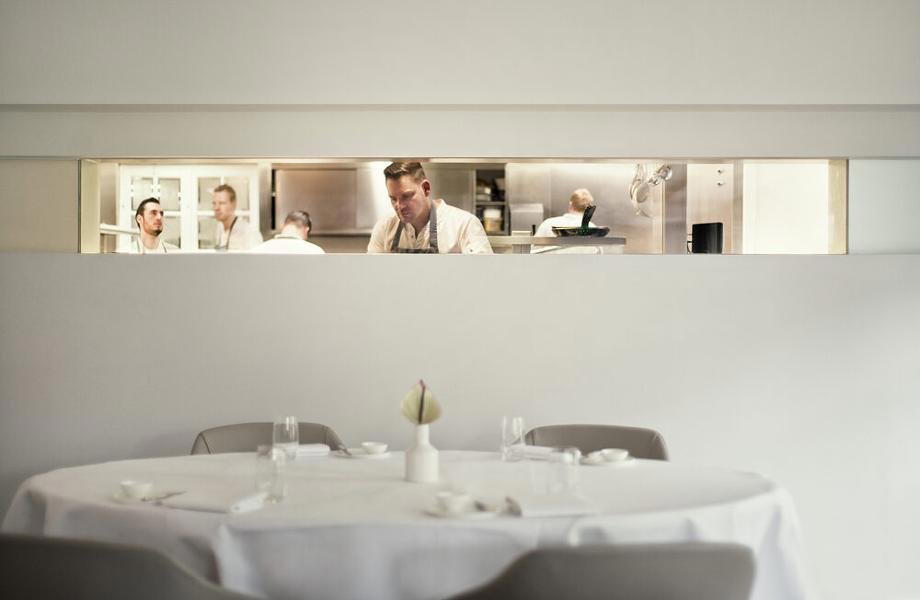
The open kitchen at the rear of the dining room is more than a hospitality gesture toward transparency. In terms of the room's spatial logic, it functions as an anchor: diners at most tables have a sightline into the cooking environment, which changes how a meal is paced and perceived. The kitchen's visibility is a design decision, not a retrofit, and it contributes to the sense that the room has a single consistent tone rather than a front-of-house performance layered over a hidden back-of-house reality.
This kind of kitchen integration has become increasingly common in contemporary European restaurant design, but its effect depends entirely on execution. At Prix de Rome, the Michelin Plate recognition in both 2024 and 2025 suggests the kitchen is doing something worth watching. Neither figure is a guarantee of any single visit, but both reduce uncertainty in a way that a newer or unrecognised room cannot.
What Chef Wouter Is Actually Doing with the Menu
Dutch contemporary restaurant cooking at this price tier has moved, over the past decade, away from rigid French-derived formality toward a more flexible relationship between ingredient and technique. Prix de Rome reflects that shift clearly. Chef Wouter's menu alternates between two registers: dishes that are architecturally constructed, where technique and cross-cultural reference carry the weight, and dishes that allow primary ingredients to speak with less intervention.
The Michelin entry for the restaurant describes this oscillation directly. The lobster preparation pairs the shellfish with mango and a tom kha kai sauce, a Thai coconut-lemongrass base applied to a premium European ingredient, the kind of pairing that requires confidence in both the source product and the flavour logic. In the same menu, saddle of venison arrives medium-rare with a game sauce, a combination that reads as a deliberate return to European register after the previous course's detour. What this pattern suggests is a kitchen that is not committed to a single stylistic position but is instead using the set menu format to move the diner through different modes of cooking.
This approach has become a recognisable feature of Netherlands contemporary cooking, the willingness to treat a single menu as a conversation between European tradition and wider global technique without forcing a unified identity statement. For a comparable approach at the same price point in a different Dutch city, Bistro Bord'o (€€ · Contemporary) in Leiden offers a useful reference. Internationally, A Konyhám Stúdió 365 (€€ · Contemporary) in Fonyód demonstrates how the format travels across central European contexts.
The Terrace and the Seasonal Case for Timing Your Visit
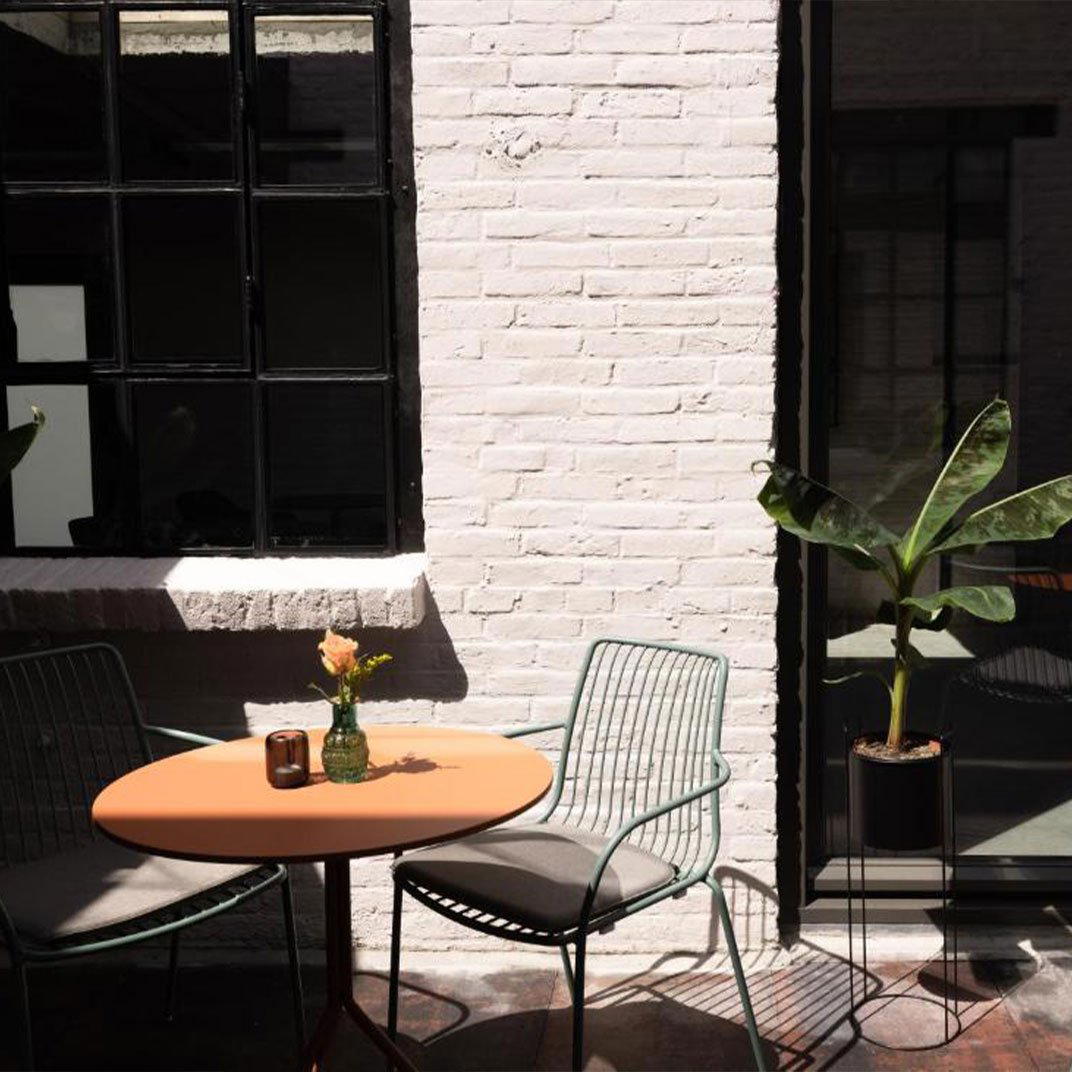
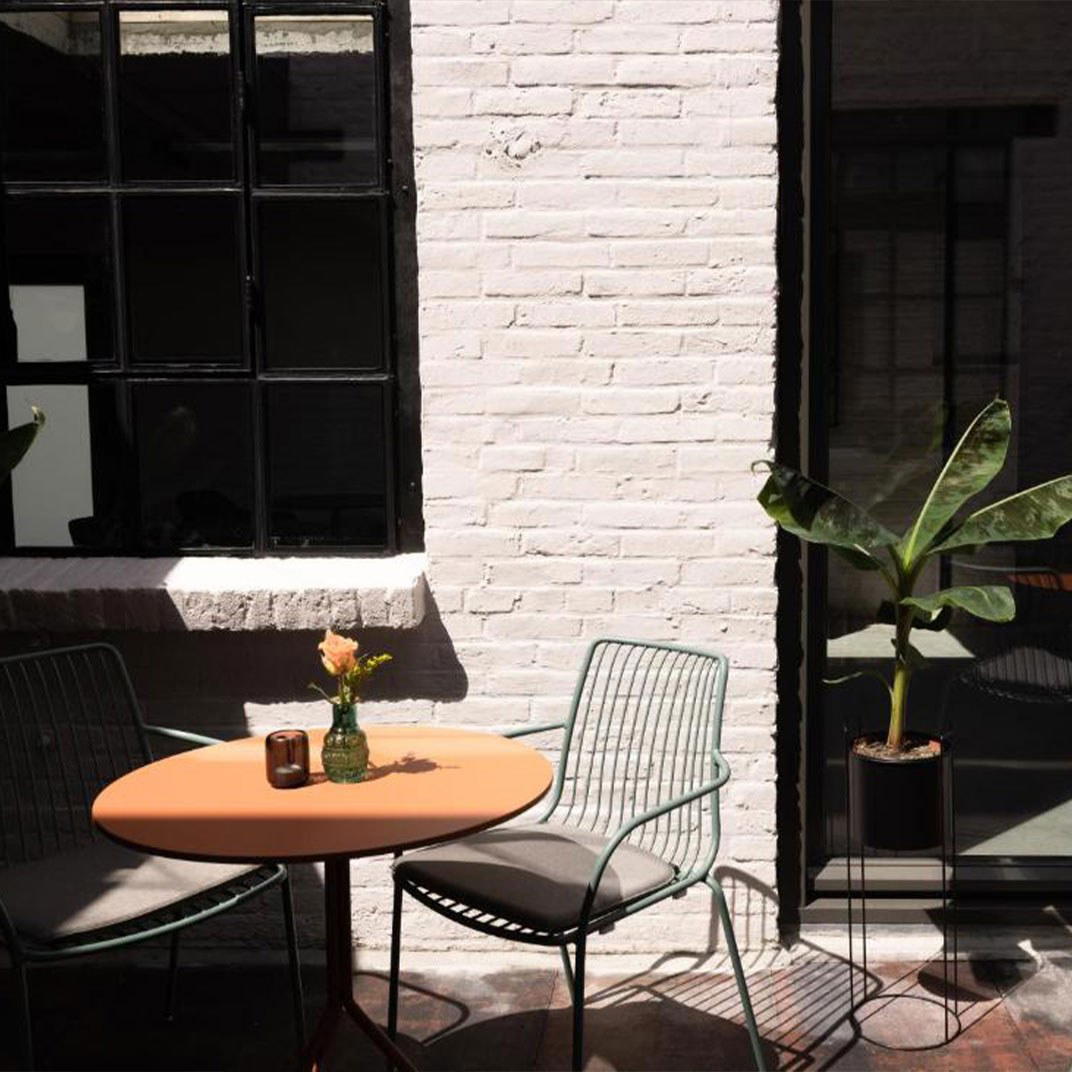
Maastricht sits at the southernmost tip of the Netherlands, closer geographically to Liège and Aachen than to Amsterdam. The climate runs marginally warmer than the rest of the country, and the city's outdoor dining culture reflects that, terraces along the Vrijthof and in the Jekerkwartier fill earlier in spring and stay busy deeper into autumn than their counterparts further north. Prix de Rome's terrace operates on the same logic. The Michelin commentary specifically identifies it as a draw on sunny days, which in the Maastricht context typically means April through October, with June and September offering the most reliable conditions without the peak-season density of July and August.
If the terrace is a factor in your decision, a Tuesday through Thursday booking in late spring or early autumn gives the leading combination of weather probability and table availability. The restaurant's position slightly outside the main historic centre means it draws a primarily local and regional audience rather than tourists on a day itinerary, which affects both the atmosphere and the service cadence.
Where It Sits in Maastricht's Dining Order
Maastricht has a dining culture that punches above its population size. The city hosts a concentration of Michelin-tracked restaurants that would be unremarkable in Amsterdam but is conspicuous in a city of under 120,000. The top tier, Beluga Loves You, Studio, and others, commands €€€€ pricing and typically requires booking well in advance. Below that, the €€ to €€€ range is where most locals actually eat week to week, and Prix de Rome operates in that register while holding credentials that most comparable rooms do not.
The nearest price-tier peer with a clearly defined style is Bar Beurre (€€ · French), which approaches the same price bracket from a more France-oriented position. Prix de Rome's set menu format and cross-register cooking differentiate it from that model without pushing it into the cost category of the city's full creative tasting-menu rooms. For smaller regional Netherlands towns where a similar independent-restaurant ethos operates, De Groene Lantaarn in Staphorst, De Lindehof in Nuenen, and De Lindenhof in Giethoorn each provide a sense of how Michelin-recognised cooking is distributed across the country at different price points.
Planning a Visit
Prix de Rome is at Susserweg 1, 6213 NE Maastricht, a short distance from the city centre and accessible by foot from most central hotels, or by car with parking available in the immediate area. The restaurant operates a set menu format, so arriving with a time budget appropriate to a multi-course sequence is worth factoring in. For a broader picture of where this restaurant sits in the city's full offering, see our full Maastricht restaurants guide, alongside our Maastricht hotels guide, bars guide, wineries guide, and experiences guide.
Frequently asked questions
What's the pricing like at Prix de Rome?
Pricing at Prix de Rome is listed as €€.
Peers You’d Cross-Shop
| Venue | Cuisine | Price | Awards | Notes |
|---|---|---|---|---|
| Prix de RomeThis venue (the venue you are viewing) | Modern French Fine Dining | $50–100 | Michelin Plate | Not listed |
| Beluga Loves You | Creative French Fine Dining | $150–200 | 1 Michelin Star | Creative |
| Studio | Modern Seasonal Fusion | Not listed | 1 Michelin Star · We're Smart World 1 Radish | Asian Influences |
| Château Neercanne | Contemporary French Fine Dining | $150–200 | 1 Michelin Star · Relais Chateaux Award | French Contemporary |
| Au Coin des Bons Enfants | Modern French Seasonal Fine Dining | Not listed | 1 Michelin Star | Modern French |
| Bar Beurre | Modern French Bistro | Not listed | Michelin Plate | French |
Recognition history
Dated appearances from independent guides and award organizations, with the underlying list record or original source where available.
Michelin Plate
Michelin
Full recognition history (3 entries)
Michelin Bib Gourmand
Michelin
Michelin Plate
Michelin
Continue exploring
More in Maastricht
Restaurants in Maastricht
All restaurants in Maastricht →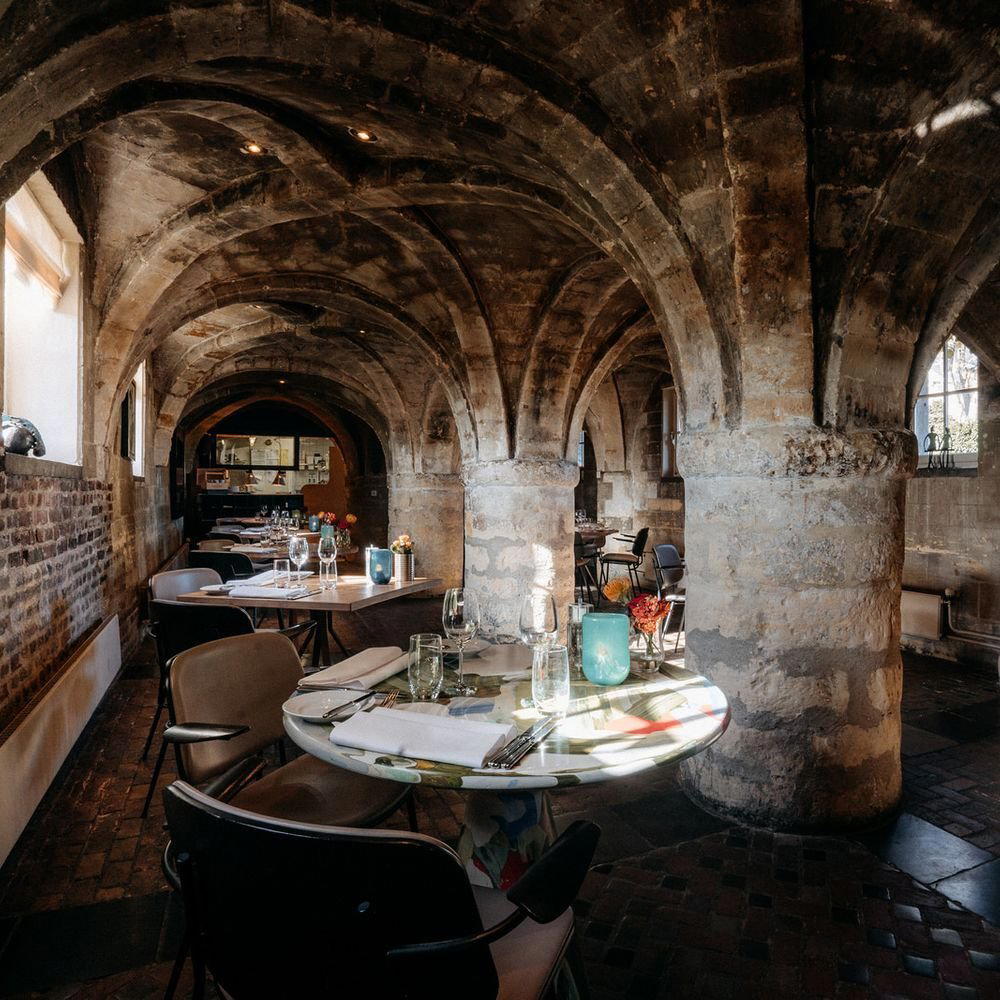
Bars in Maastricht
Browse all →

Details
- Elegant
- Sophisticated
- Modern
- Cozy
- Date Night
- Special Occasion
- Celebration
- Group Dining
- Open Kitchen
- Standalone
- Local Sourcing
- Farm To Table
- Tasting Menu
- Prix Fixe
- A La Carte
- Wine
- Vegetarian Friendly
- Vegan Options
- Gluten Free Options
- Allergy Accommodating
Current opening hours
- Monday
- Closed
- Tuesday
- Closed
- Wednesday
- 6–11 PM
- Thursday
- 6–11 PM
- Friday
- 6–11 PM
- Saturday
- 6–11 PM
- Sunday
- 12:30–4:30 PM, 5:30–11 PM
Hours can change for holidays and private events. Hours as of .
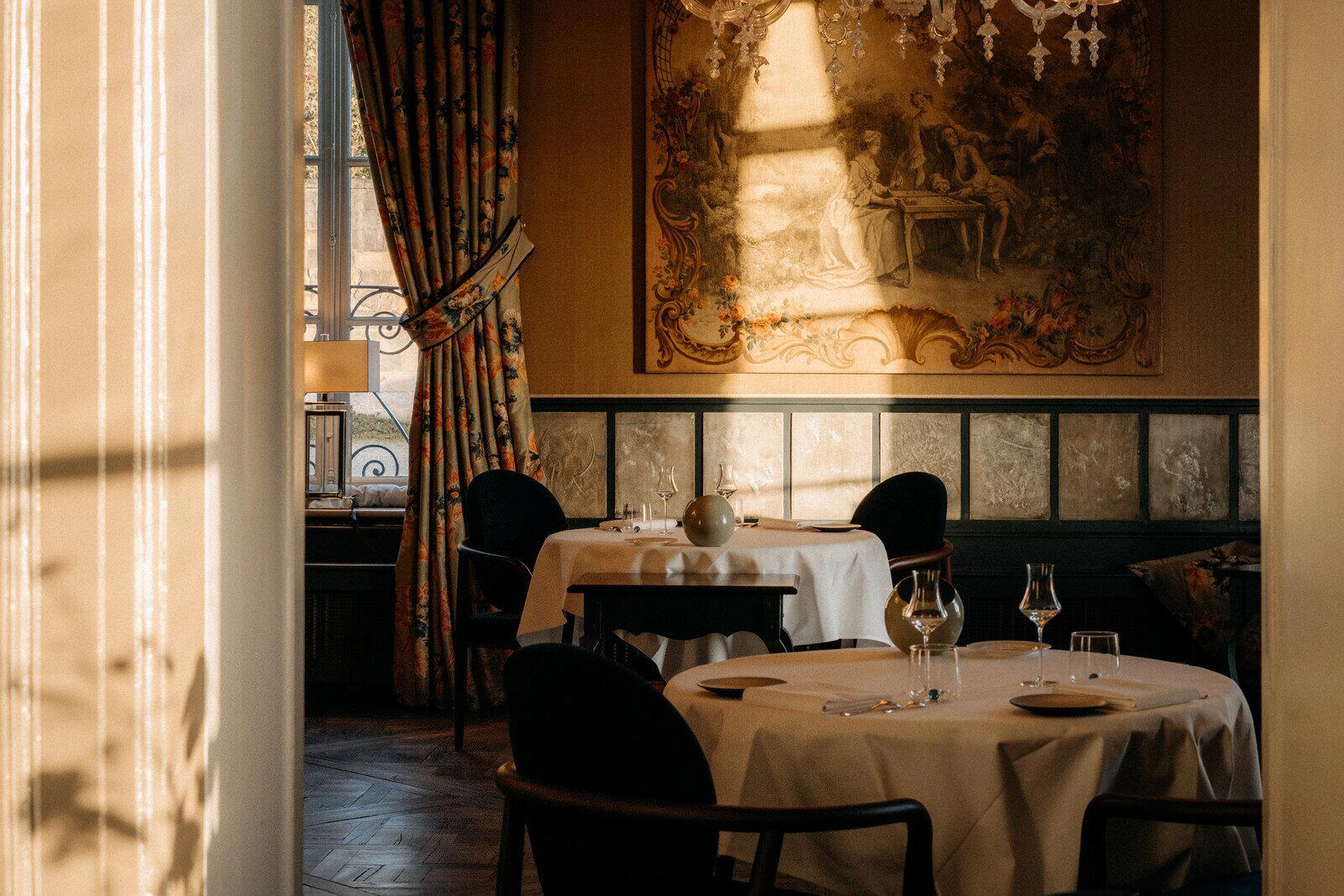
Warm interior with beautiful lighting and modern design; recently renovated with acoustic treatments to maintain an intimate, refined atmosphere despite popularity.