Michelin Plate
Our verdict
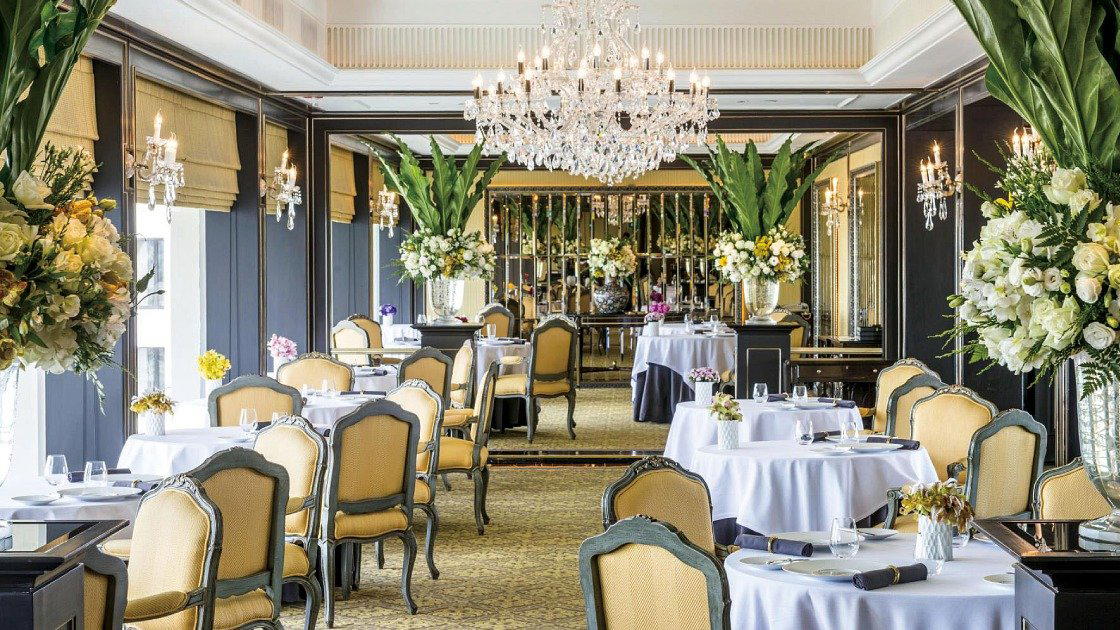
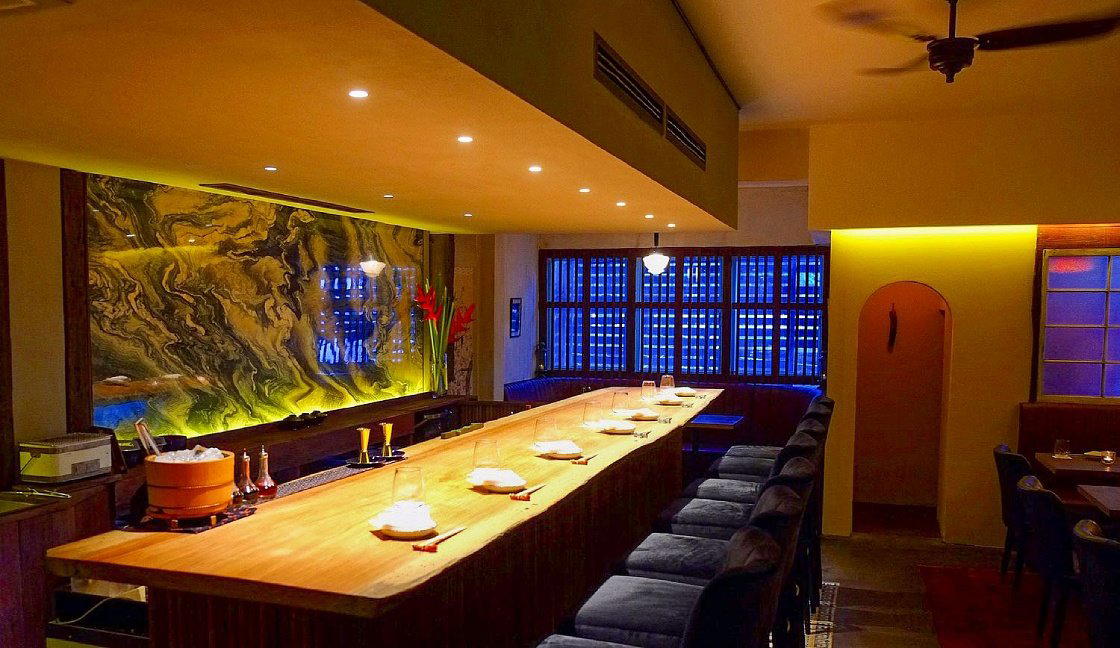
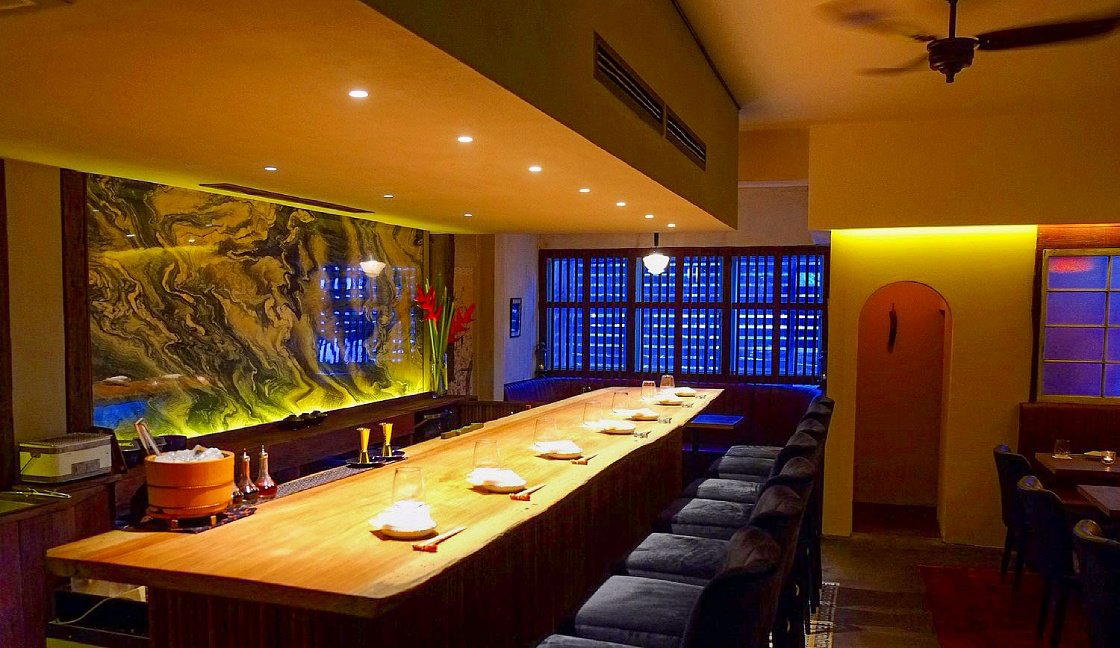
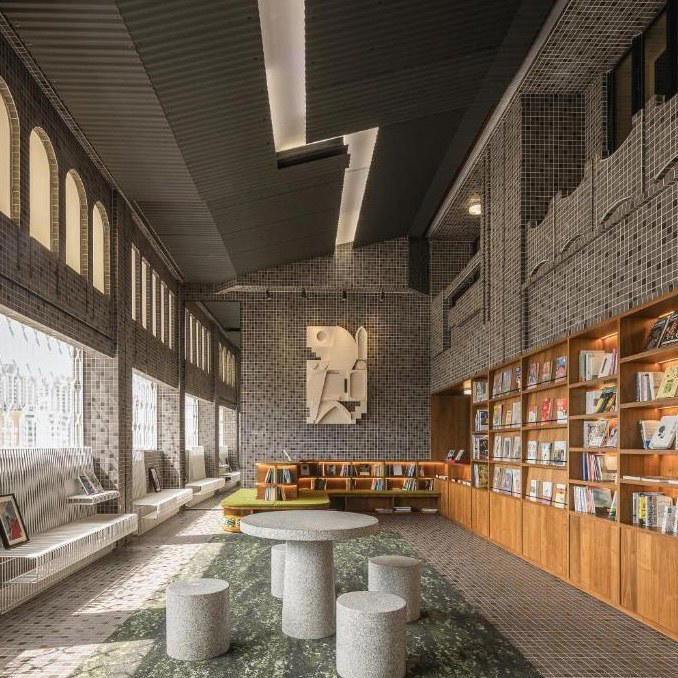
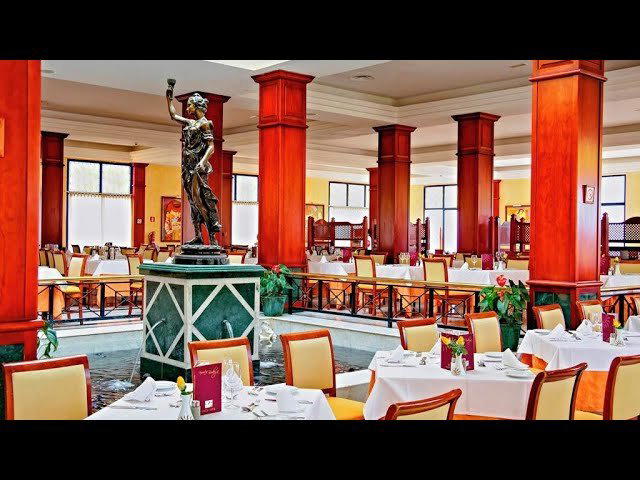
Principe sits at the upper end of Tainan's contemporary dining scene, where chef Abram Bissel translates the city's street-food heritage through a prix-fixe format drawing on French technique and Japanese precision. The wood-rich interior matches an approach that places local produce, small-farm beef, coastal seafood, at the centre of each course.

Pearl is the En Primeur Club membership app, where members save venues, book tables and use the concierge.
The menu
What to order
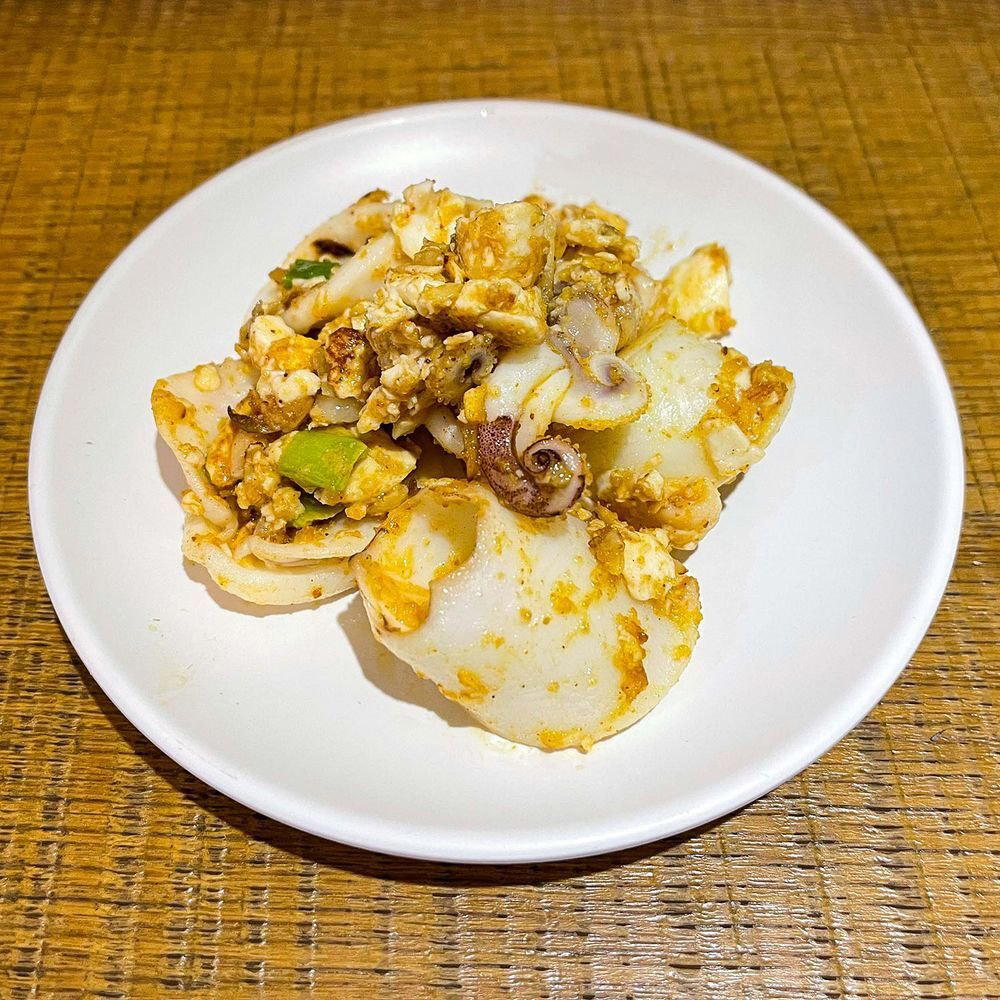
- Fricassée de poulet with French toast
- Milkfish pie
- Oyster consommé
Wood, Warmth, and the Weight of a City's Food Memory
Tainan's dining scene has long operated on two tracks that rarely converge. The first runs through its streets and covered markets, where beef soup counters like A Cun Beef Soup on Baoan Road, A Hai Taiwanese Oden, and A Wen Rice Cake define a centuries-old snack culture that is, by any measure, the city's culinary identity. The second track is newer and quieter: a cohort of chef-led rooms applying serious technical frameworks to exactly that same food memory. Principe occupies the point where those two tracks meet.
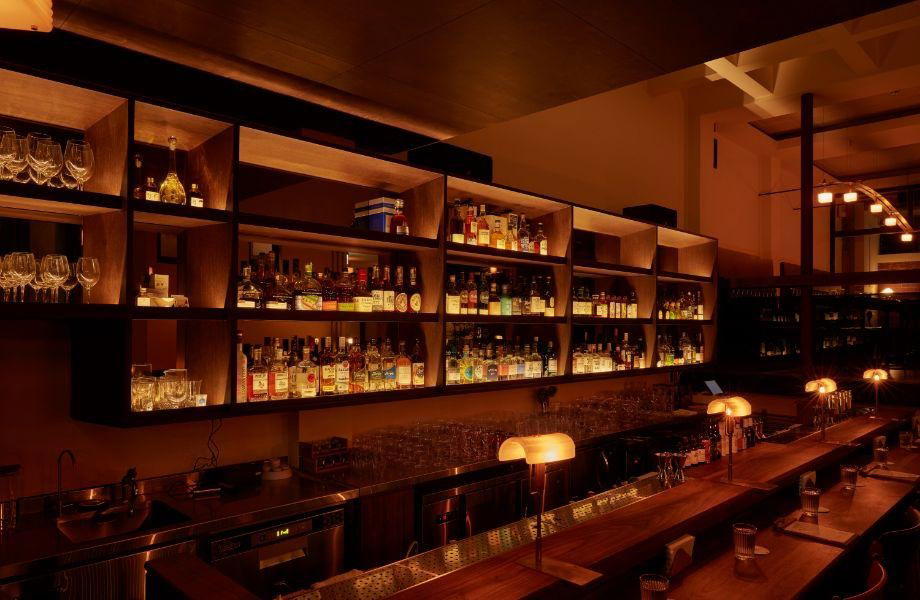
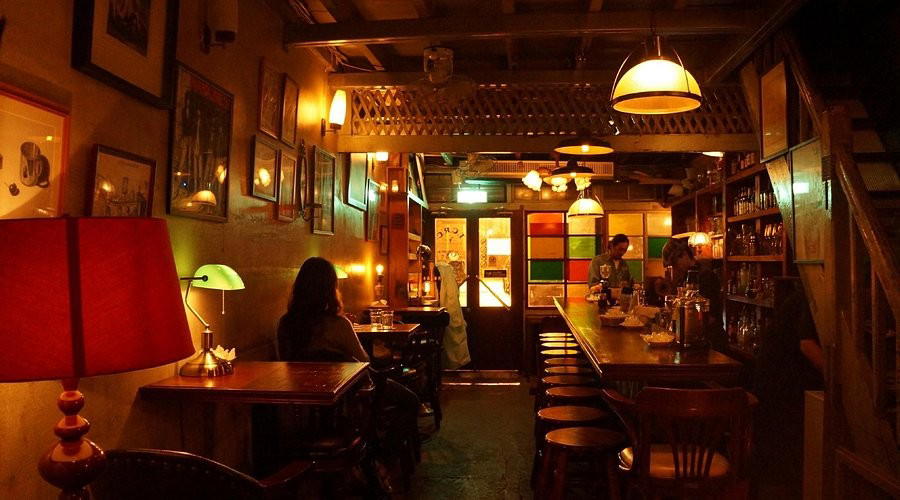
Step inside the room on Xihua Street and the interior signals its intentions without announcing them. The wood-rich space is homely rather than theatrical, no gallery lighting, no architectural provocation. It is the kind of room that a diner arriving from a European tasting-menu circuit would recognize as confident restraint, the kind that comes from not needing to perform luxury. That atmosphere is not incidental; it is calibrated to match food that asks attention rather than demands applause.
How Tainan's Street Canon Becomes a Prix-Fixe
Taiwan's contemporary fine-dining conversation has largely played out in Taipei and Taichung. logy in Taipei and JL Studio in Taichung represent the pole of the country's critical recognition, both holding Michelin stars and drawing international attention. Tainan, despite its status as Taiwan's oldest city and arguably its most layered food culture, has historically sat outside that spotlight. Principe is part of a small group of tables working to shift that perception.
The prix-fixe format here is not merely a borrowed European container. It functions as a curatorial act: each menu recounts Tainan's food stories in sequence, moving through French technique and Japanese influence while keeping the city's own larder at the centre. The amuse-bouche is always drawn from a Tainanese snack tradition, a structural choice that orients every meal before the formal courses begin. Diners who have spent a morning at A Hsing Congee or along the A Ming Zhu Xing stalls on Baoan Road will arrive at Principe with the reference points already in place.
Chef Abram Bissel developed his technical foundation in Japan, a training lineage that shapes how the kitchen handles texture, temperature, and restraint. That background puts Principe in a specific peer category within Taiwan's contemporary scene: chef-led tasting menus that operate at the intersection of French architecture and Japanese precision, rather than leaning hard into either tradition alone. Akame in Wutai Township uses a similar dual-influence framework, though rooted in indigenous ingredients rather than coastal Tainan produce. GEN in Kaohsiung represents another point on the southern Taiwan fine-dining map worth tracking alongside Principe.
Produce as Argument: The Local-Farm Position
The sourcing approach at Principe is not decorative. Small local farms supply ingredients that take structural roles across multiple courses, with local beef in particular appearing as a centrepiece rather than a garnish. This positions the kitchen firmly within a global fine-dining trend that has moved decisively away from imported prestige ingredients toward hyperlocal sourcing as the primary quality signal. In that sense, Principe's argument is coherent: if Tainan's street culture is the world's finest expression of this particular coastal lowland larder, then a tasting menu drawing directly from that larder should be able to speak with equivalent authority.
The seafood and French contemporary designation in the menu framing reflects that coastal orientation. Tainan faces the Taiwan Strait, and its seafood traditions are among the oldest on the island. Applying French technique to that material connects Principe to a broader pattern visible at tables like Le Bernardin in New York City, where French structure and premium seafood form the essential contract, and to some degree at Atomix, where the tasting-menu format serves as a vehicle for cultural narrative as much as culinary technique.
Critical Reception and Where Principe Sits in Its Tier
Michelin has expanded its Taiwan guide to include cities beyond Taipei, and Tainan has drawn increasing critical attention as the guide's scope has widened. Principe's meticulous attention to detail and the coherence between room, format, and ingredient sourcing place it within the tier of tables that serious guides evaluate seriously.
Within Tainan's own contemporary dining tier, Principe sits alongside L'herbe, another $$$ European Contemporary room, as part of a small cohort operating above the city's dominant mid-range and street-food registers. That cohort is small enough that each table in it occupies a meaningfully different position.
For international context: the combination of a French-framed tasting menu, Japanese-trained kitchen leadership, and hyperlocal sourcing from a historically rich food city maps onto a format that has generated serious critical recognition elsewhere in Asia. Volando Urai Spring Spa and Resort in Wulai District represents a different axis of Taiwan's premium dining, but the underlying logic of terrain-specific sourcing in a considered format is shared. At Emeril's in New Orleans, the use of a specific city's culinary heritage as the primary narrative material for a fine-dining room offers a useful parallel: regional identity as culinary authority, not just as colour.
Planning Your Visit
Principe is located at No. 34, Xihua Street in Tainan's North District, accessible from the city centre without significant travel time. The prix-fixe format means the kitchen sets the pace, so arrive without the assumption that the evening will be short. The $$$ price tier places Principe at the upper end of Tainan's restaurant market, though it is broadly comparable with peer-tier prix-fixe rooms in Taipei and Taichung.
For context on the broader Tainan scene before or after your visit, see our full Tainan restaurants guide, our Tainan hotels guide, our Tainan bars guide, our Tainan wineries guide, and our Tainan experiences guide.
Frequently asked questions
Is Principe chef-led?
The chef associated with Principe is Abram Bissel.
What's the signature dish at Principe?
No single dish is fixed as a permanent signature, the prix-fixe format rotates around Tainanese culinary references and seasonal local produce. What anchors every menu is the amuse-bouche, which is always drawn from a Tainanese street snack, and local beef from small regional farms, which appears as a structural element across multiple courses. Chef Abram Bissel's training in Japan shapes the restraint and precision applied to those local ingredients throughout.
What's the price range at Principe?
Pricing at Principe is listed as $$$.
Where exactly is Principe?
Principe is located at No. 34號, Xihua St, North District, Tainan City, Taiwan 70449, Tainan.
What distinctions does Principe have?
Principe has received recognition including: The wood-rich interior is homely and understated, matching the elegant food with its meticulous attention to detail. The chef honed his skills in Japan and his prix-fixe menu recounts Tainan’s culinary stories with classic French techniques….
What's the best way to book Principe?
Phone and website details are not currently listed in public directories for Principe at No. 34 Xihua Street, North District, Tainan. Given the prix-fixe format and the venue's growing critical profile as Tainan draws increasing fine-dining attention, contacting directly through local concierge channels or checking updated Taiwanese dining platforms is the most reliable approach. Advance planning is advisable.
In Context: Similar Options
Comparable venues nearby, for context on price, style, and recognition.
| Venue | Cuisine | Price | Awards | Notes |
|---|---|---|---|---|
| PrincipeThis venue (the venue you are viewing) | Modern Taiwanese-French Fusion | $100–150 | Michelin Plate | Not listed |
| Liang Liang Table | Modern Taiwanese & European Fusion | $50–100 | Michelin Plate | North District |
| Di Yi Ding | Taiwanese Seafood Omakase | $100–150 | Michelin Plate · Star Wine List | East District |
| Mao Su | Modern Asian Vegetarian | $20–30 | Michelin Plate | East District |
| Bistro Alley | Mediterranean Fusion Bistro | Not listed | Michelin Plate | East District |
| A Cun Beef Soup (Baoan Road) | Traditional Tainan Beef Soup | $10–20 | Michelin Plate | West Central District |
Recognition history
Dated appearances from independent guides and award organizations, with the underlying list record or original source where available.
Michelin Plate
Michelin
Full recognition history (2 entries)
Michelin Plate
Michelin