Prince Arthur

A Victorian corner pub on Pimlico Road where a sparkling fish counter and wood-fired grill signal the kitchen's intentions before you've read a word of the menu. Chef Adam Iglesias draws on Basque heritage to shape a cooking style built around fire, high-quality fish, and meat that has found a ready audience in London's current dining mood. The torrija with Guinness ice cream has become the dessert to order.
Pearl is the En Primeur Club membership app — saves, bookings, and concierge access live there. Same editors, same standards.
- Address
- 11 Pimlico Rd, London SW1W 8NA, United Kingdom
- Phone
- +44 20 3098 6060
- Website
- princearthurbelgravia.co.uk
- Directions
- Get directions
 Saves & bookings on Pearl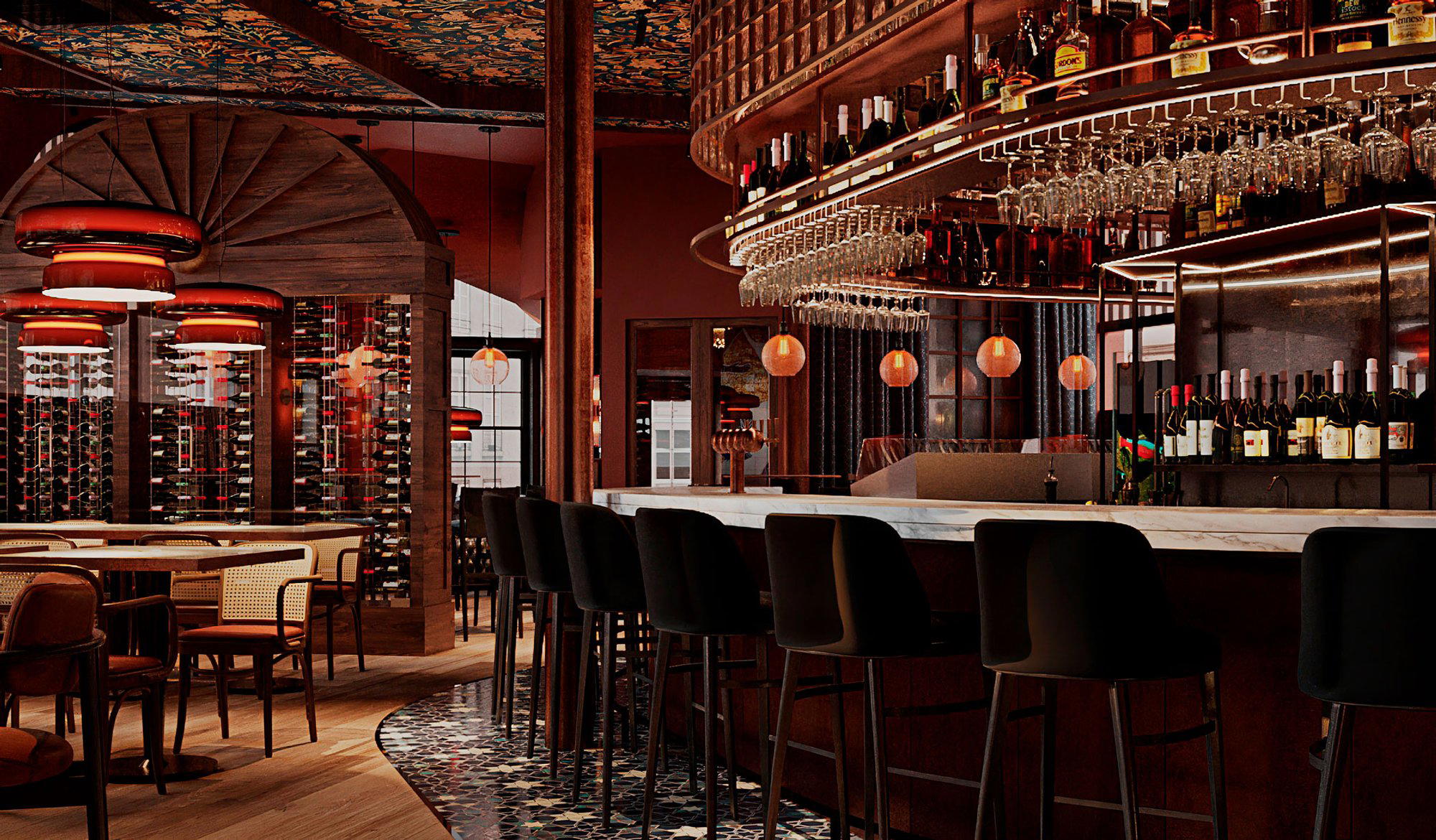
Fire, Fish, and a Pimlico Corner
The wood-fired grill has become one of the defining fixtures of London dining over the past decade. From Smithfield to Shoreditch, the format has proved that British diners respond strongly to the combination of high-quality sourcing and open-flame technique, a tradition that runs deep in Basque cooking and has since shaped the menus of some of the city's most-followed restaurants. Prince Arthur, on Pimlico Road, places itself squarely within that tradition. The sparkling fish counter visible from the entrance makes the kitchen's priorities clear before a menu reaches the table.
At 11 Pimlico Road, the setting is a Victorian corner pub of the kind that defines the architectural character of this part of SW1. The building's proportions, high ceilings, and imposing street presence give the room a weight that more purpose-built restaurant spaces rarely achieve. The format here is not a tasting menu or a white-tablecloth production but a more direct proposition: notable sourced ingredients, cooked over fire, in a room that carries its own history.
The Basque Thread Running Through the Menu
London's enthusiasm for Basque-inflected cooking has been building steadily. The region's approach, privileging product over technique, using fire as the primary tool, and treating fish with the same seriousness given to premium cuts of meat, maps well onto what London diners want from a neighbourhood-level serious restaurant. Chef Adam Iglesias brings Basque family heritage to bear on this format, and the result is a kitchen that draws on specific regional tradition rather than interpreting it at arm's length.
That grounding matters in a city where wood-fire restaurants have multiplied. The Basque approach to fire cookery is particular: it prizes restraint, prioritises the quality of the raw material, and treats the grill as a finishing instrument rather than a transformation device. At Prince Arthur, that philosophy expresses itself through the fish counter, where the day's catch is displayed in the manner of a Spanish fish market, and through the grill, where meats are handled with the same attention. Compared with the tasting-menu format adopted by decorated London tables like CORE by Clare Smyth, The Ledbury, or Sketch, The Lecture Room and Library, Prince Arthur operates at a different register: the food is the event, without the ceremony.
The Room as Collaborator
The editorial angle here is not simply what the kitchen produces, but how the whole operation works together as a unit. The fish counter is not decorative; it is a functional element of how front-of-house communicates the day's menu to arriving guests. The aromas from the wood-fired grill reach the dining room and do much of the work that a wine list or a printed description cannot. In this sense, the environment and the kitchen team operate as a single argument for the food.
In the leading Basque-derived restaurants, the service approach is shaped by the food's directness. There is no layer of explanation required when a whole grilled fish arrives at the table: the work is visible. Front-of-house at this kind of restaurant is most effective when it mirrors that confidence, knowledgeable enough to guide choices from the fish counter, authoritative enough to recommend the right bottle against a wood-fired preparation. At Prince Arthur, that alignment between kitchen output and floor communication is central to why the format works in a neighbourhood that already has a sophisticated dining public.
Pimlico and Belgravia diners have access to serious cooking across multiple formats. Restaurant Gordon Ramsay and Dinner by Heston Blumenthal serve this part of London at the formal end; the restaurant occupies a more informal but no less considered position.
The Torrija and Why It Matters
Dessert in Basque and broader Spanish cooking is often where heritage is most legible. The torrija, a dish with medieval origins in Spanish cuisine, has experienced a significant revival in contemporary Spanish and Basque restaurants both in Spain and internationally. It sits within a broader movement to rehabilitate traditional preparations through high-quality execution rather than reinvention.
The version at the restaurant pairs torrija with Guinness ice cream, a combination that bridges Iberian pastry tradition with a specifically Irish ingredient. That pairing is not arbitrary: it reflects a kitchen comfortable with cross-cultural reference while remaining anchored in a primary tradition. It has attracted enough attention to become the dessert most associated with the restaurant, the kind of dish that travels by word of mouth and arrives at a table having already been anticipated.
Where Prince Arthur Sits in London's Current Dining Moment
London's serious restaurant scene in 2024 and into 2025 has continued to diversify away from the French-influenced fine dining that once defined stronger examples from the market. While decorated tables including The Ledbury and the broader cohort of multi-Michelin operations maintain their position, a parallel tier of high-quality, concept-specific restaurants has grown in visibility. The restaurant belongs to that tier, specific in its traditions, clear in its methods, and positioned in a part of the city where the dining public has both the appetite and the context to appreciate it.
For London visitors building a broader picture of British and UK dining, the comparison set extends well beyond the capital. Wood-fire and produce-led cooking has driven the reputation of country houses and destination restaurants across the UK, from The Fat Duck in Bray to L'Enclume in Cartmel and Moor Hall in Aughton. Within London itself, the wood-fire tradition at the restaurant connects to a city-wide shift toward cooking that foregrounds the ingredient. Internationally, the Basque precedent is shared by fish-focused restaurants as serious as Le Bernardin in New York City, though the methods and context are entirely distinct.
Country dining alternatives for those with time outside London include Gidleigh Park in Chagford, Hand and Flowers in Marlow, and Le Manoir aux Quat' Saisons in Great Milton. For those tracking the Korean fine dining wave that has reshaped international restaurant conversation, Atomix in New York City provides a useful point of contrast in format and philosophy.
The fish counter changes with availability, so earlier visits on a given service tend to offer the widest selection from the day's catch.
What It’s Closest To
Comparable venues nearby, for context on price, style, and recognition.
| Venue | Cuisine | Price | Awards | Notes |
|---|---|---|---|---|
| Prince ArthurThis venue — the venue you are viewing | Modern Spanish Gastropub | $$$ | Michelin Plate | Not listed |
| Lobos | Spanish Meat & Tapas | $$$ | Not listed | Soho |
| Hispania | Authentic Spanish Tapas | $$$ | Not listed | Cheapside |
| Llama Inn | Peruvian Fusion Rooftop | $$$ | Michelin Plate | Shoreditch |
| Mangal 2 | Modern Turkish Ocakbaşı | $$$ | Not listed | Shacklewell |
| Morito Exmouth Market | Spanish/Moorish Tapas & Mezze | $$ | Not listed | Clerkenwell |
Recognition history
Dated appearances from independent guides and award organizations, with the underlying list record or original source where available.
Michelin Plate
Michelin
Continue exploring
More in London
Restaurants in London
Browse all →
Bars in London
Browse all →
Hotels in London
Browse all →

At a Glance
- Elegant
- Modern
- Cozy
- Date Night
- Group Dining
- Special Occasion
- Open Kitchen
- Extensive Wine List
Current opening hours
- Monday
- Closed
- Tuesday
- 12 PM–12 AM
- Wednesday
- 12 PM–12 AM
- Thursday
- 12 PM–12 AM
- Friday
- 12 PM–12 AM
- Saturday
- 12 PM–12 AM
- Sunday
- 12–10 PM
Hours can change for holidays and private events. Last verified .
Elegant yet relaxed with caramel leather banquettes, blue and white tiled seascape mural, and a pub feel on one side.