
Tabelog 100 #52
Our verdict
Prevenance sits in Tokyo’s French dining conversation through a tightly sequenced, reservation-only format rather than grand-room ceremony. Its Tabelog French Tokyo 100 selection in 2025, prior Tabelog Award Bronze recognition, fish-focused cooking, and wine emphasis place it in the city’s serious modern French bracket, with enough scale for intimacy and enough structure for a full-course evening.

Pearl is the En Primeur Club membership app, where members save venues, book tables and use the concierge.
The menu
What to order
- White asparagus with calamari and Trikalinos bottarga
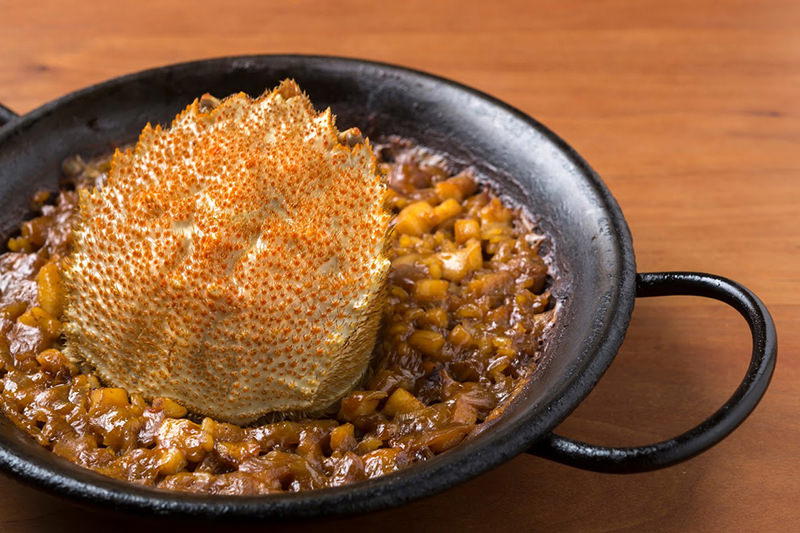
- Seasonal fish and meat courses using Japanese produce
Tokyo is not short of serious dining rooms, which is part of the challenge for any restaurant trying to hold attention. Across the city, French restaurants often trade spectacle for control: smaller-feeling rooms, longer pacing, and menus that ask diners to settle into the restaurant’s point of view rather than chase novelty. Prevenance belongs to that strain of Tokyo French dining, where the format is deliberate and the meal is best approached with patience.
That matters because Tokyo’s French scene is crowded at the serious end. The city has classical hotel dining, counter-led neo-bistros, wine-first rooms, and high-budget meals competing for the same diners. In that field, the meaningful signals are not decorative adjectives but structure, consistency, and local recognition. Prevenance was selected for Tabelog French Tokyo 100 in 2025, with a listed Tabelog score of 3.79 and published budgets of Dinner: JPY 20,000 - JPY 29,999; Lunch: JPY 10,000 - JPY 14,999. Those markers put it in the category of Tokyo French restaurants that have earned attention within a competitive local dining scene.
A French-dining rhythm shaped by pacing and restraint
The useful way to read this restaurant is through pacing. Modern French dining in Tokyo often filters the French restaurant format through Japanese expectations of seasonality, portion control, and transition. A meal is not simply a procession of luxury ingredients; it needs balance, timing, and a finish that feels earned. Prevenance’s place within Tokyo’s French category points to a restaurant best understood through the shape of the meal rather than isolated descriptors.
That kind of progression suits Tokyo diners who understand the difference between abundance and calibration. French technique has long been absorbed into the city’s fine-dining grammar, but the strongest rooms tend to avoid importing Parisian formality wholesale. Instead, they use sauces, stocks, pastry work, and wine service as part of a local dining tempo: measured, detail-heavy, and sensitive to the room’s scale. The point is not performance. It is continuity.
Among comparison points in Tokyo, L'EAU sits in a related French lane, while itsuka and 慈華 show how non-French formats compete for the same occasion-driven diner. Sushi Ryujiro belongs to a different discipline entirely, but it shares the high-commitment logic of a structured meal where the diner gives the kitchen room to set the pace. That is the relevant comparison: not cuisine against cuisine, but the level of trust a guest is willing to place in the restaurant’s order of service.
Tokyo French dining rewards precision over theatre
Tokyo gives restaurants a particular kind of pressure. It is a city where diners can compare polished French meals with sushi counters, Chinese menus, kappo, tempura, wine-led rooms, and other serious formats on the same trip. French restaurants here often suit business dinners, small celebrations, and serious meals between friends because the best examples rely on discretion as much as display. Prevenance’s appeal sits within that adult, planned-ahead mode.
The 2025 French Tokyo 100 selection is especially useful because it places the restaurant inside a city-specific French category, not a generalized international ranking. For a visitor, that distinction matters. Tokyo’s French dining is not a monolith; it is a local scene with its own hierarchy, habits, and expectations. A Tabelog score of 3.79 and published lunch and dinner budgets give diners practical context without turning the restaurant into a simple numbers exercise.
The category is also a strong fit for the city. Tokyo diners are used to ingredients handled with precision across sushi, kappo, tempura, and French rooms, so a French restaurant working at this level is entering a demanding conversation. The promise is not simply “French food in Japan,” but French structure applied in a city where technical literacy is unusually high. That is a sharper proposition than broad luxury dining.
How to place it in a Tokyo itinerary
Prevenance makes the clearest sense for travelers who want a Tokyo French meal with local recognition and a controlled, planned feel, rather than a grand dining room built around ceremony. It is a stronger choice for a considered lunch or dinner than for spontaneous dining, and it suits guests who prefer a meal that is allowed to unfold at the restaurant’s pace. Its appeal is primarily culinary: French technique, Tokyo context, and a meal framed by progression.
For a wider Tokyo dining map, use Our full Tokyo restaurants guide alongside broader planning. The city’s range runs from casual formats and curry specialists to grill, yakitori, sushi, counter-led meals, and polished restaurants. For the rest of the trip, pair restaurant planning with Our full Tokyo hotels guide, Our full Tokyo bars guide, Our full Tokyo wineries guide, and Our full Tokyo experiences guide.
Travelers extending the itinerary beyond Tokyo can compare how different Japanese cities handle focused dining formats through other dining rooms around the country, from casual cafes to grilled beef, curry, and modern Japanese menus. For a transpacific contrast in Japanese drinking and casual formats, unnamed bars and casual restaurants overseas show how Japanese food culture changes once it leaves its home market.
Cuisine Context
Comparable venues at similar price and category levels.
| Venue | Cuisine | Price | Awards | Notes |
|---|---|---|---|---|
| PrevenanceThis venue (the venue you are viewing) | Seasonal French fine dining with Japanese ingredients | $150–200 | Tabelog 100 #52 | Not listed |
| ドミニク・ブシェ トーキョー | Modern French Fine Dining | $200–300 | 1 Michelin Star · Tabelog 100 #44 | Chūō |
| オルガン | Modern French Bistro | Not listed | Not listed | Suginami |
| サンプリシテ | Modern French Seafood Omakase | $150–200 | Michelin Plate · Tabelog 100 #31 | Shibuya |
| ル スプートニク | French-Japanese Fusion Fine Dining | $150–200 | 1 Michelin Star · Tabelog 100 #82 | Minato |
| モナリザ 丸の内店 | Modern French Fine Dining | Not listed | Not listed | Chiyoda |
Recognition history
Dated appearances from independent guides and award organizations, with the underlying list record or original source where available.
Tabelog 100 #52 · No. 52
Tabelog · Tabelog 100 - French - TOKYO - 2025
Continue exploring
More in Tokyo
Restaurants in Tokyo
All restaurants in Tokyo →
Bars in Tokyo
All bars in Tokyo →
Details
- Elegant
- Intimate
- Cozy
- Sophisticated
- Date Night
- Business Dinner
- Special Occasion
- Celebration
- Chefs Counter
- Private Dining
- Design Destination
- Standalone
- Extensive Wine List
- Local Sourcing
- Farm To Table
- Tasting Menu
- Set Menu
- Wine
- Champagne
Current opening hours
- Monday
- Closed
- Tuesday
- Closed
- Wednesday
- 12–3:30 PM, 6–10:30 PM
- Thursday
- 12–3:30 PM, 6–10:30 PM
- Friday
- 12–3:30 PM, 6–10:30 PM
- Saturday
- 12–3:30 PM, 6–10:30 PM
- Sunday
- 12–3:30 PM, 6:30–10:30 PM
Hours can change for holidays and private events. Last verified .
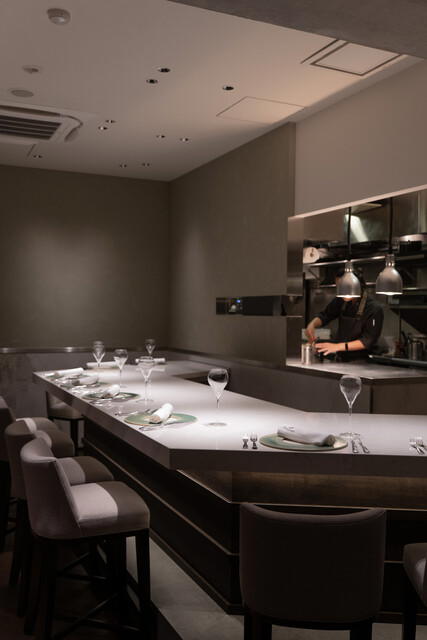
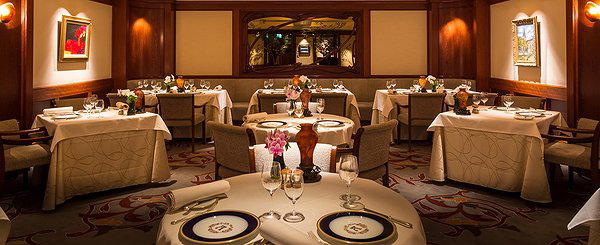
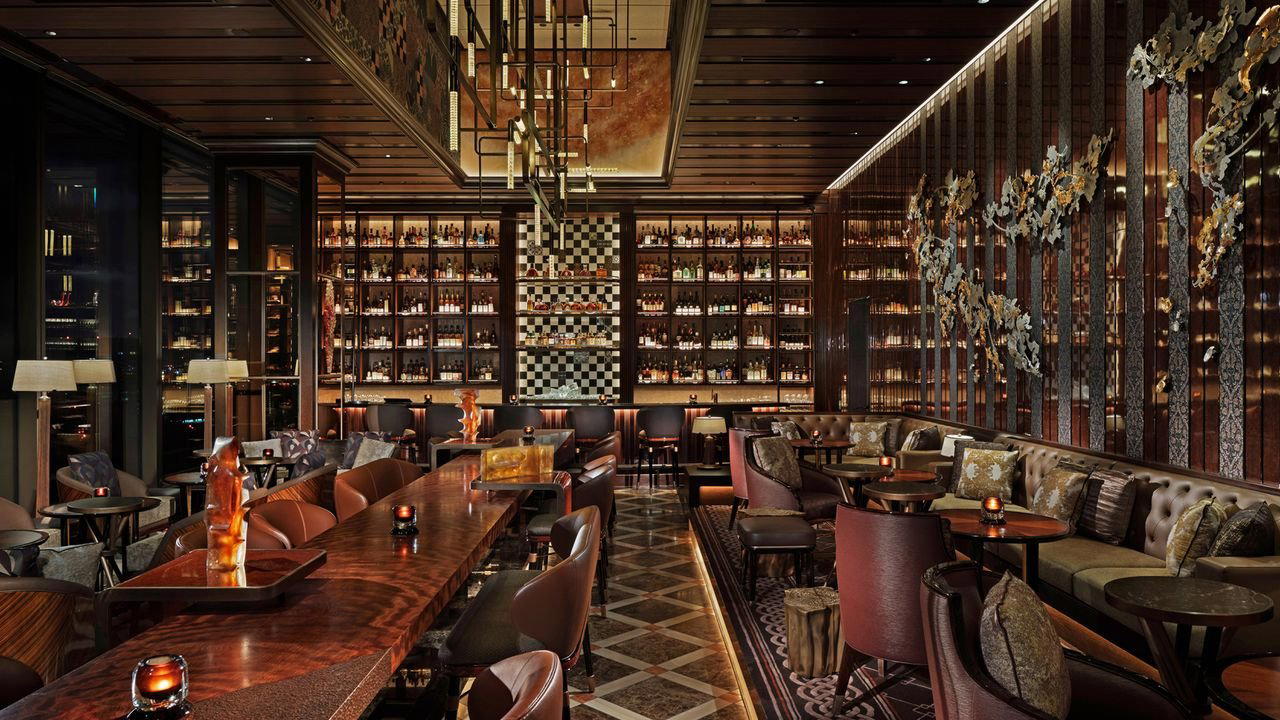
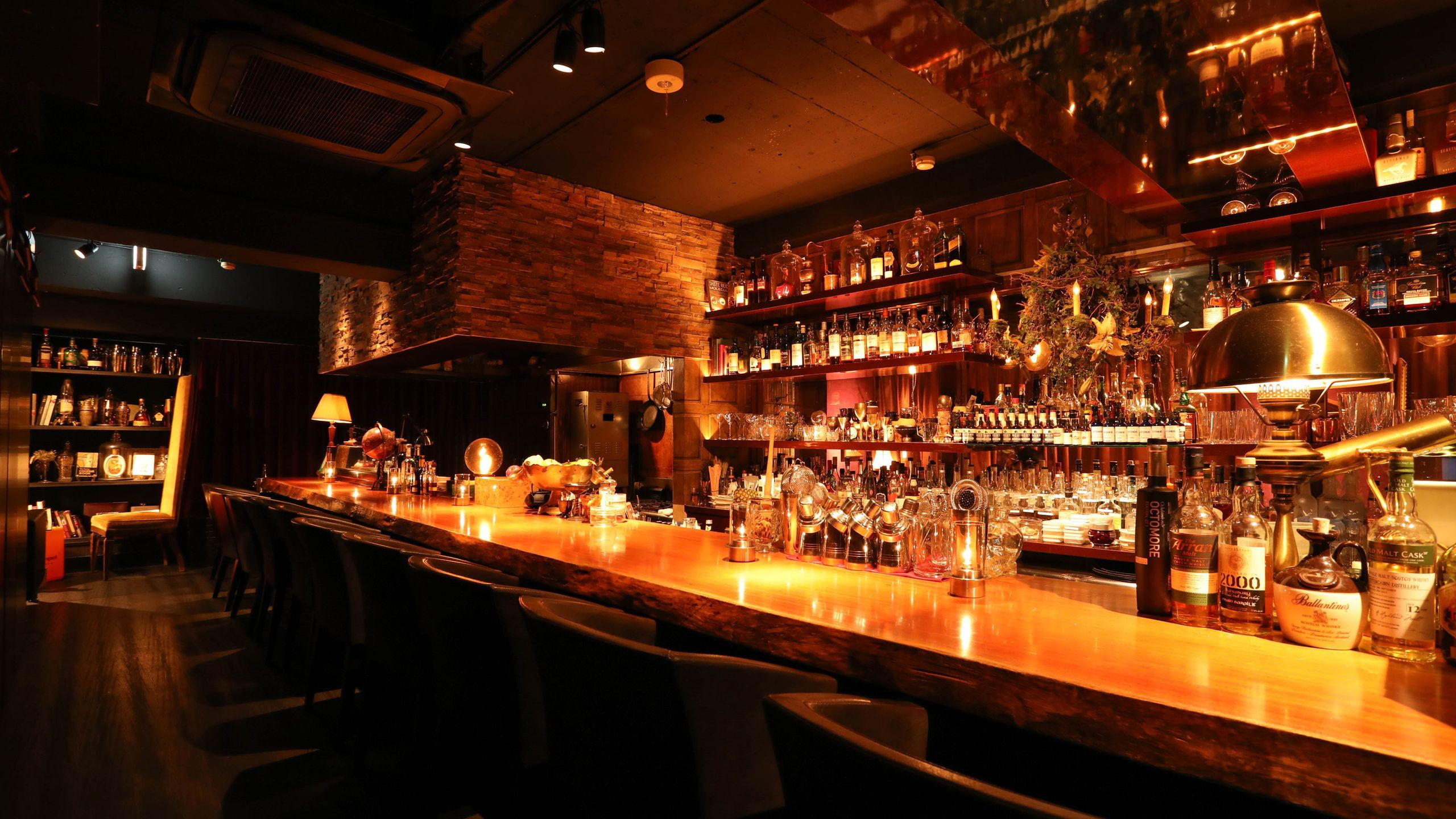
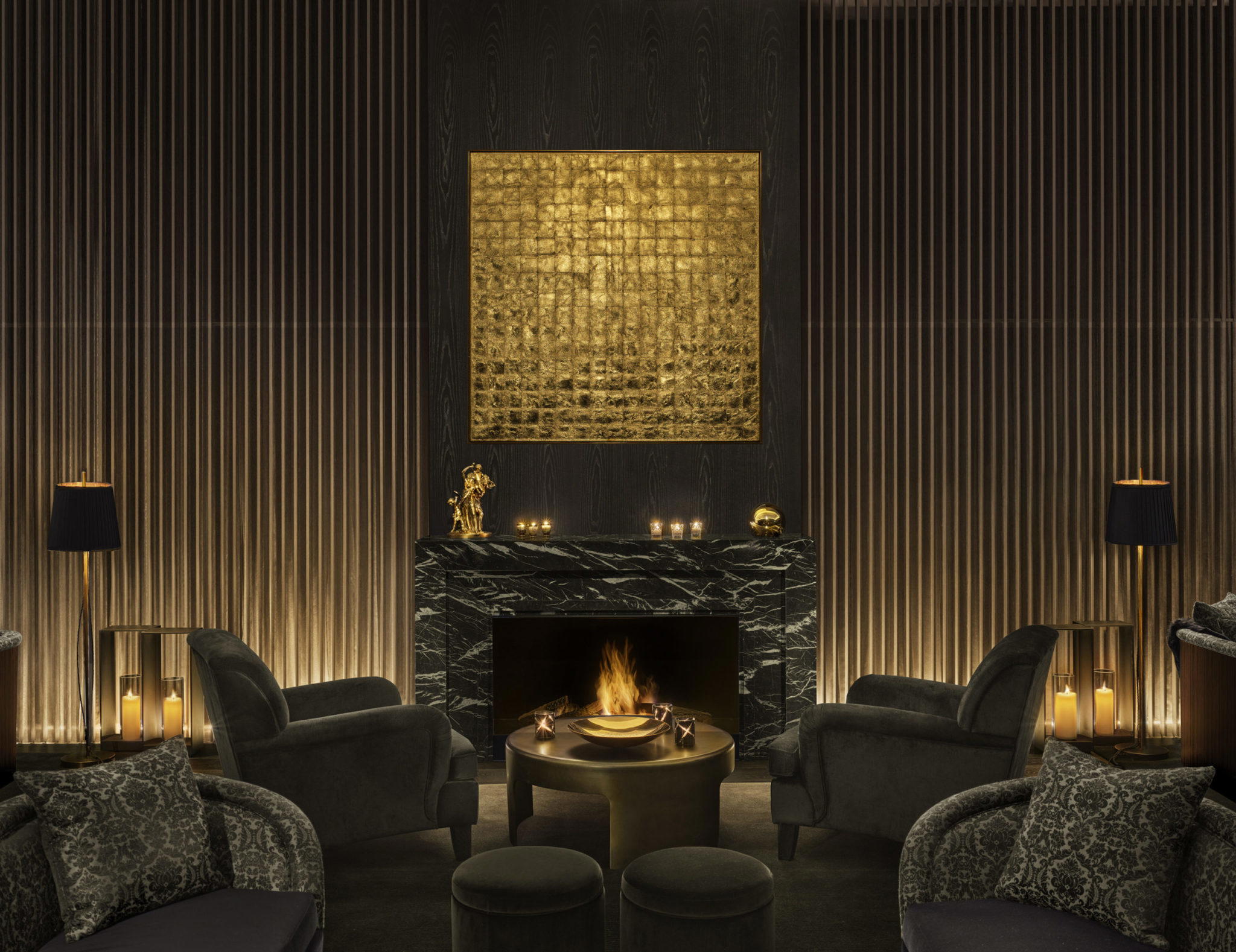
Refined and quietly elegant with an intimate, low-capacity dining room, counter seating facing the kitchen, and a calm, unhurried atmosphere suited to focused tasting-menu dining rather than lively crowds.