Prairie Schooner Steakhouse
Prairie Schooner Steakhouse has been a fixture of Ogden's dining scene for decades, serving beef-forward American cooking in a setting that channels the iconography of the frontier West. Located at 445 Park Blvd, it occupies a different register from the region's newer farm-to-table wave, positioning itself as a longstanding reference point for steak in northern Utah.
Pearl is the En Primeur Club membership app — saves, bookings, and concierge access live there. Same editors, same standards.
- Address
- 445 Park Blvd, Ogden, UT 84401
- Phone
- +18013922712
- Directions
- Get directions
 Saves & bookings on Pearl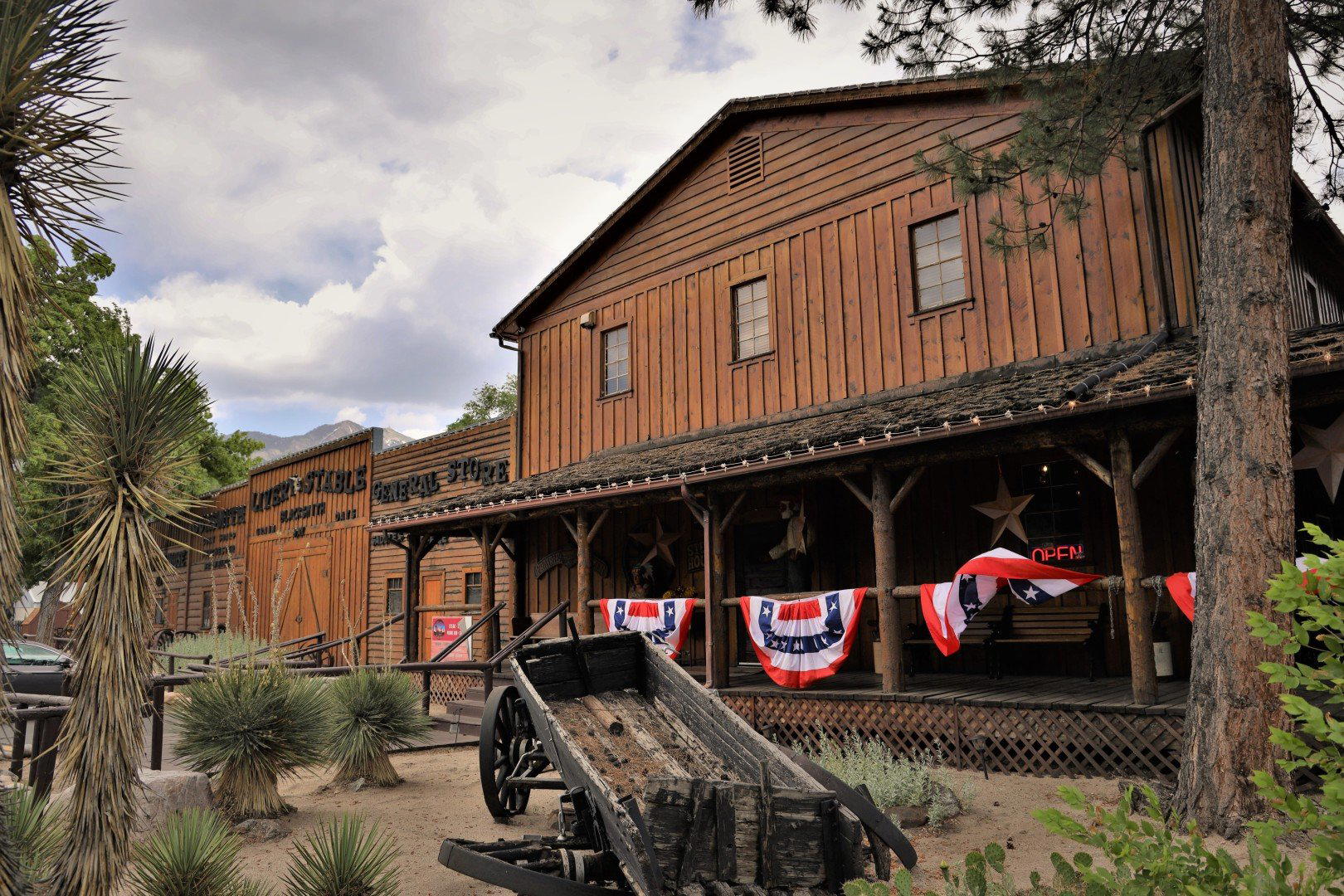
Steak on the High Desert: How Ogden's Steakhouse Tradition Took Root
Beef has always been the serious business of the intermountain West. Before the farm-to-table movement arrived in Utah's Wasatch Front cities, before chef-driven tasting menus became a marker of culinary ambition, the steakhouse was the default format for a significant meal in towns like Ogden. Prairie Schooner Steakhouse, at 445 Park Blvd, sits inside that older tradition — a format that prizes the quality of the cut and the ritual of the dining room over novelty of technique. In a state where the land itself has shaped the food culture, a steakhouse anchored to that agricultural history reads less as nostalgia and more as continuity.
Understanding Prairie Schooner's place in Ogden's dining geography means understanding what northern Utah has historically valued at the table. The intermountain region's ranching heritage runs deep, and beef that is raised at altitude, on open range, carries characteristics — a leanness, a mineral quality, distinct from commodity feedlot product. The steakhouse format, at its most serious, is a showcase for that provenance, and the leading American examples of the genre treat sourcing with the same rigor that, say, Blue Hill at Stone Barns in Tarrytown applies to its vegetable program or Single Thread Farm in Healdsburg applies to its hyper-local pantry. The provenance argument matters as much in a steakhouse as anywhere else.
The Setting: Frontier Iconography in a Working Dining Room
Walking toward Prairie Schooner Steakhouse on Park Blvd, the visual language is deliberate: the frontier West as atmosphere, with wagon-era references woven into the space's design DNA. This is not an accident of décor but a positioning statement. Ogden itself carries that historical freight, it was a railroad hub in the late nineteenth century, a junction city where the transcontinental rail economy met the ranching and farming operations of the Great Basin. The steakhouse that draws on that iconography is doing something specific: it is placing the meal inside a larger regional narrative, connecting the plate to the place in a way that has nothing to do with trend and everything to do with identity.
American steakhouses at the premium end, think of the sourcing discipline at Addison in San Diego or the ingredient-first ethos at Bacchanalia in Atlanta, have long understood that the room has to carry a coherent story. The dining environment at Prairie Schooner signals its audience: people who want a grounded, specific experience rooted in where they are, not a facsimile of a coastal fine-dining format.
Ingredient Sourcing and the Steakhouse Question
The central editorial question for any steakhouse is always the same: where does the beef come from, and how seriously does the kitchen treat that question? In the American West, this is not an abstract concern. Utah and the surrounding states, Wyoming, Colorado, Idaho, support a ranching tradition that produces cattle on terrain very different from the feedlot operations that supply high-volume urban restaurants. Altitude, forage composition, and slower growth rates all affect the final product on the plate.
Across the region, a small number of serious operations have begun bridging that gap between ranch and restaurant with more transparency, a development that parallels what has happened in vegetables at destination restaurants like Lazy Bear in San Francisco or in seafood at Le Bernardin in New York City. The sourcing conversation is now a legitimate part of how any serious American restaurant, regardless of format, earns its authority with diners who pay attention. For a steakhouse in a ranching state, the argument for local provenance is, if anything, more natural than it is for a metropolitan tasting menu.
Ogden also sits within easy reach of Utah's agricultural interior and the ranching economies of the Wasatch and Uinta ranges, a geography that, in principle, provides a shorter supply chain from pasture to plate than most American cities can claim. That proximity, when a restaurant chooses to use it, is a genuine distinction. Comparable sourcing discipline at the regional level can be seen at Brutø in Denver and Frasca Food and Wine in Boulder, both of which have built their authority partly on credible relationships with regional producers.
Ogden in Context: The Wider Dining Picture
Ogden is not Salt Lake City, which is a useful observation for visitors arriving with expectations shaped by Utah's capital. The city has its own, quieter dining rhythm, less driven by the opening-night energy of the Salt Lake scene, more reliant on institutions that have accumulated a local following over years rather than press cycles. A steakhouse that has operated long enough to become part of that fabric occupies a different kind of authority than a newly opened concept restaurant, even if the latter generates more column inches.
The comparison set for Prairie Schooner is not the destination tasting menu circuit represented by venues like Alinea in Chicago, The French Laundry in Napa, or Providence in Los Angeles. Nor does it position against contemporary urban formats like Atomix in New York City, Causa in Washington, D.C., ITAMAE in Miami, or 8 1/2 Otto e Mezzo Bombana in Hong Kong. Within Ogden, it represents one of the more established dining addresses. For broader city context, see our full Ogden restaurants guide.
Long-running restaurants in mid-sized American cities tend to earn their longevity through consistency rather than reinvention, a different value proposition from the tasting-menu world of The Inn at Little Washington or the programming-led formats of Emeril's in New Orleans, but not a lesser one. The diner who returns to the same steakhouse annually is making a statement about trust, and that trust is built over many meals, not one spectacular opening.
Planning Your Visit
Prairie Schooner Steakhouse is located at 445 Park Blvd in Ogden, Utah, accessible from downtown Ogden and the broader Wasatch Front. Because specific hours, pricing, and booking details are not confirmed in current records, visitors should verify current operating hours and reservation availability directly before making plans, the restaurant's setup and policies may have evolved. The format skews toward a sit-down dining experience rather than a quick-service meal, so building in adequate time is advisable. Ogden's dining options are concentrated enough that pairing a visit here with exploration of the wider city is direct for visitors coming up from Salt Lake City, roughly an hour south.
At a Glance
- Rustic
- Classic
- Cozy
- Family
- Group Dining
- Special Occasion
- Private Dining
- Historic Building
- Craft Cocktails
Current opening hours
- Monday
- 11 AM–9 PM
- Tuesday
- 11 AM–9 PM
- Wednesday
- 11 AM–9 PM
- Thursday
- 11 AM–9 PM
- Friday
- 11 AM–10 PM
- Saturday
- 3–10 PM
- Sunday
- Closed
Hours can change for holidays and private events. Last verified .
Rustic pioneer atmosphere with covered wagons, imitation campfires, glowing lanterns, and desert panorama evoking the lonesome prairie.
Know Before You Go
- Getting there
- 445 Park Blvd, Ogden, UT 84401