La Cevichería
La Cevichería occupies a central Downtown Salt Lake City address at 123 E 200 S, positioning itself within a growing corridor of Latin-inflected dining that has emerged as a counterpoint to the city's historically meat-and-potatoes restaurant culture. The restaurant draws a regular local crowd and functions as a neighbourhood anchor for ceviche-focused cuisine in a landlocked state where fresh seafood tradition is still being built.
Pearl is the En Primeur Club membership app — saves, bookings, and concierge access live there. Same editors, same standards.
- Address
- 123 E 200 S, Salt Lake City, UT 84111
- Phone
- +1 801 906 0016
- Directions
- Get directions
 Saves & bookings on Pearl
Downtown Salt Lake City and the Case for Ceviche
There is something worth noting about a ceviche-focused restaurant finding an audience in Utah. Salt Lake City sits roughly 700 miles from the nearest Pacific coastline, and the state's dining culture has spent decades weighted toward steakhouses, casual American fare, and, more recently, a wave of chef-driven gastropubs. Into this context, La Cevichería arrives at 123 E 200 S as a specific argument: that acid-cured seafood, built on the Peruvian and coastal Latin American tradition, can sustain a regular, loyal local following in a landlocked city. The argument appears to be holding.
The address matters here. The 200 South corridor in Downtown Salt Lake City sits within easy reach of the central business district, the Gateway area, and the Trax light rail network, which puts the restaurant in a position to serve both lunch-hour professionals and evening regulars from across the valley. For a dining format that benefits from walk-in accessibility and neighbourhood familiarity, the location is a practical asset. Venues like Beer Bar and Avenues Proper have demonstrated that Salt Lake City's downtown and inner-ring neighbourhoods can support regulars-first hospitality, and La Cevichería operates on a similar logic.
Ceviche as a Dining Tradition, Not a Novelty
Across American cities that sit far from Atlantic or Pacific ports, ceviche has historically occupied an awkward middle position: present on menus as a starter or appetizer, rarely the centrepiece of a dedicated restaurant. That has shifted in cities like Denver, Phoenix, and, more recently, Salt Lake City, as Latin American communities have grown and as broader dining culture has become more comfortable with acid-forward, raw or lightly cured fish preparations. La Cevichería's format, which centres the dish rather than uses it as a supporting role, reflects that broader shift.
The Peruvian version of ceviche, generally considered the form that established the dish's global credibility, relies on leche de tigre, the citrus-based marinade that both cures the fish and serves as a bracing, spiced broth. Coastal Ecuadorian and Mexican versions diverge in texture and acidity. A restaurant that names itself after the dish takes on the obligation to represent this tradition with some depth, rather than defaulting to a single generic preparation. Whether La Cevichería meets that obligation fully is something a first visit would clarify, but the commitment implied by the name alone places it in a different category than venues where ceviche is incidental.
For comparative context on what Latin-inflected bar and dining programs look like when fully developed, Superbueno in New York City offers a useful point of reference: a program that takes Latin American flavour frameworks seriously at both the food and drink level. Julep in Houston similarly demonstrates how a city without obvious culinary heritage in a given tradition can build a credible, recognised program around it. Salt Lake City's dining scene is at an earlier stage of that process, but the bar's positioning suggests it is part of that development.
The Neighbourhood Watering Hole Function
Ceviche restaurants in Latin America, particularly in Lima, Guayaquil, and Mexico City, have long operated as social anchors rather than destination dining. The cevichería format, like the oyster bar or the ramen-ya, is designed for regulars: quick, convivial, ordered with familiarity. The meal does not require ceremony. You sit, you order something you already know you like, and the value of the place is measured in consistency and in the company of other people who have done the same thing many times before.
That is the template the bar appears to be working toward in its Downtown Salt Lake City context. The 200 South address places it among a cluster of establishments that serve working professionals, neighbourhood residents, and the kind of early-evening crowd that wants food and drink without elaborate occasion. Nearby options like Aker Restaurant & Lounge, Bar Nohm, and Beer Bar each serve distinct regulars demographics, and the bar's ceviche-forward identity gives it a distinct lane within that competitive set. Differentiation in a dense downtown corridor often comes down to specificity of format, and a dedicated ceviche program is specific.
The drinks question matters in this context too. In Peru, ceviche is traditionally paired with chicha morada, a sweet purple corn drink, or with pisco sour, the country's most internationally recognised cocktail. A cevichería that takes its drinks program seriously tends to anchor that program around pisco or local interpretations of Latin American spirits. For comparison, venues like Bar Leather Apron in Honolulu and Jewel of the South in New Orleans show how a technically grounded drinks program can anchor the identity of a food-and-drink venue. Kumiko in Chicago and ABV in San Francisco similarly demonstrate that the bar program often carries as much of a venue's identity as the kitchen. For the bar, the drinks format is an open question given current available data, but it represents a key variable in whether the restaurant functions as a true neighbourhood gathering point or as a food-only destination.
Salt Lake City's Evolving Latin Dining Scene
Salt Lake City's Latin restaurant scene has grown considerably over the past decade, driven partly by demographic shifts and partly by a broader culinary curiosity that has taken hold in the city's younger professional class. The West Side has long anchored the city's Mexican food options, while Downtown and the Sugar House corridor have seen newer, more format-forward Latin concepts arrive. The bar operates in the latter category, closer in spirit to a concept restaurant than a neighbourhood taqueria, even if its ambitions are community-focused rather than destination-driven.
That positioning has advantages and trade-offs. A ceviche-forward format requires a customer base comfortable with raw or acid-cured seafood as a meal rather than an accompaniment. In Salt Lake City, that audience exists, but it is smaller than in coastal cities where seafood forms the default dining instinct. The restaurant's success, then, depends partly on its ability to convert unfamiliar diners into regulars, which is where the watering hole function matters most. A restaurant that feels welcoming and consistent on the second and third visit will build that regulars base more effectively than one that requires justification each time. Avenues Proper in Salt Lake City has demonstrated that community-first hospitality can build genuine loyalty in this market; the bar is working toward a version of that in a more specialised culinary register.
For a broader picture of where the bar sits within Salt Lake City's restaurant ecosystem, see our full Salt Lake City restaurants guide. And for those curious how similar formats play out in European contexts, The Parlour in Frankfurt on the Main offers an instructive case study in how a concept-driven hospitality venue builds community identity in a city not obviously predisposed to its format.
Planning a Visit
The bar is located at 123 E 200 S in Downtown Salt Lake City, within walking distance of the central Trax stations and the core business district. Visitors can check hours before planning a visit. The downtown address suggests accessibility for both drop-in lunch visits and early dinner, though the cevichería format, in its traditional Latin American expression, skews toward midday and early evening rather than late-night dining. For travellers exploring the broader Downtown corridor, the restaurant sits within reasonable proximity to several of Salt Lake City's more developed bar and dining options.
The Short List
Comparable venues nearby, for context on price, style, and recognition.
| Venue | Cuisine | Price | Notes |
|---|---|---|---|
| La CevicheríaThis venue — the venue you are viewing | Clark Learning Office Center, mezcaleria | $$ | Not listed |
| The Rose Establishment | Clark Learning Office Center, Bar | $$ | Not listed |
| Proper Brewing Co. | Not listed | $$ | Downtown, beer_bar |
| MONARCA | Clark Learning Office Center, mezcaleria | $$$ | Not listed |
| Pizza Bar | Clark Learning Office Center, Bar | $$ | Not listed |
| Scion Cider Bar | Not listed | $$ | Downtown, beer_bar |
Continue exploring
More in Salt Lake City
Bars in Salt Lake City
Browse all →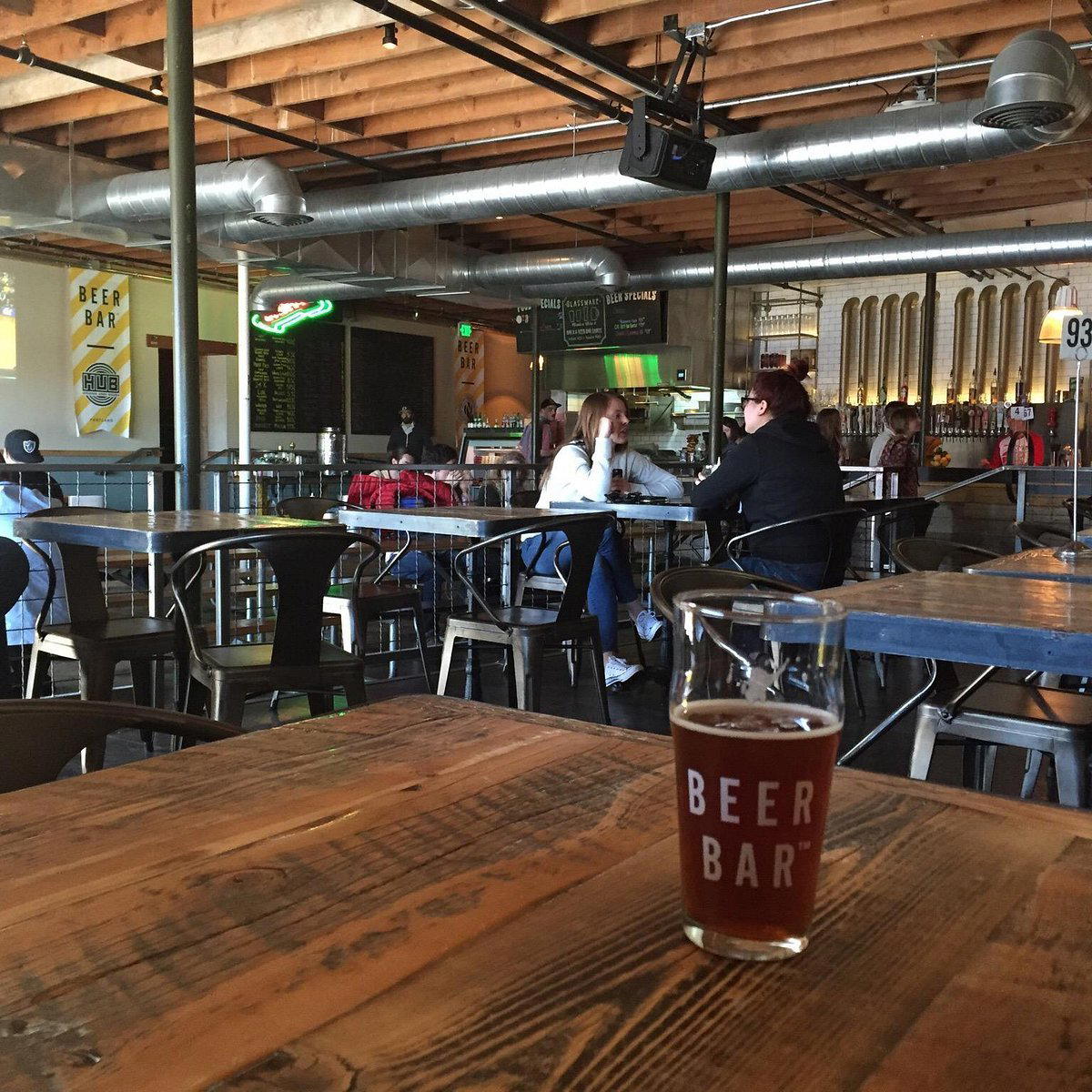
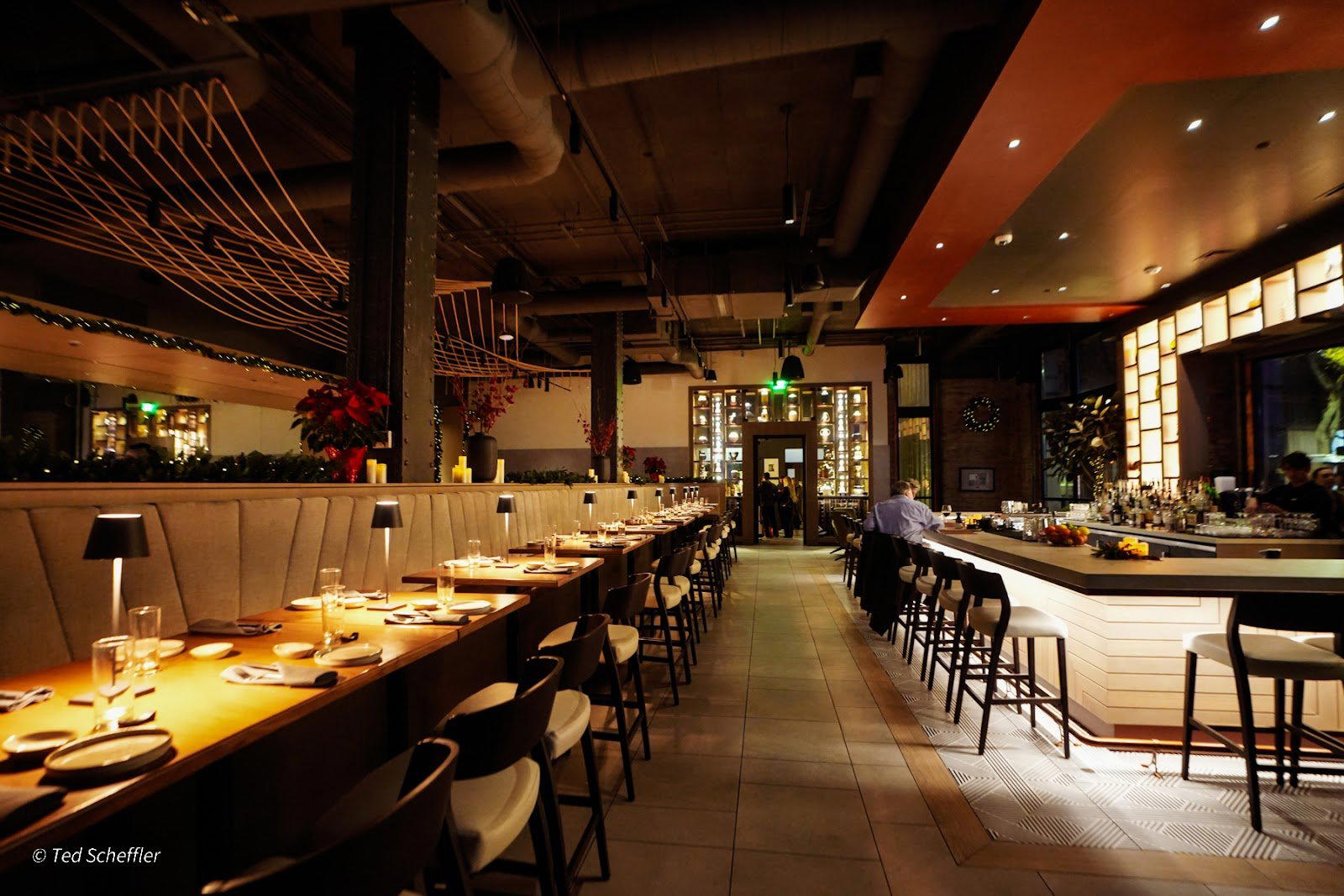
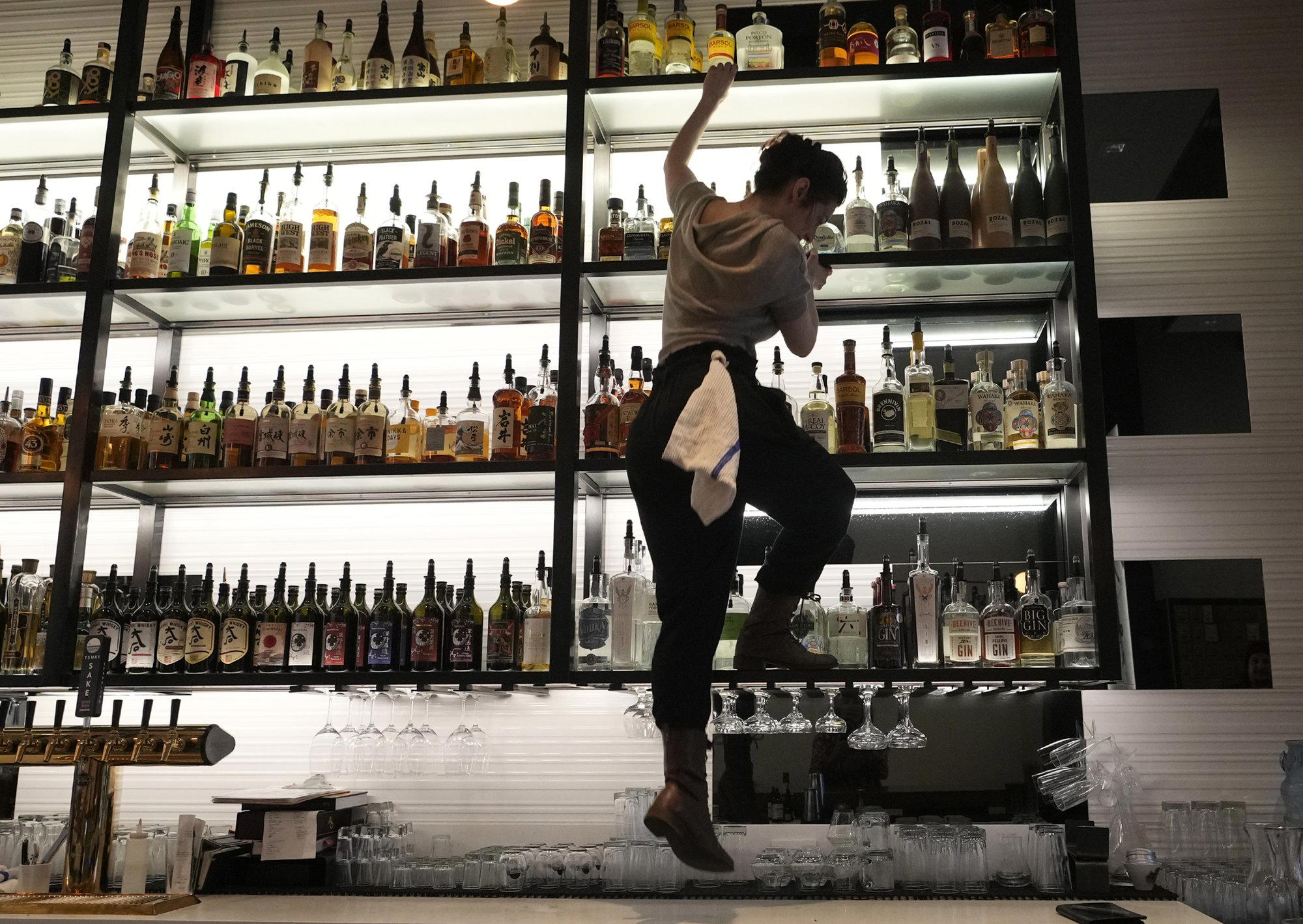
Restaurants in Salt Lake City
Browse all →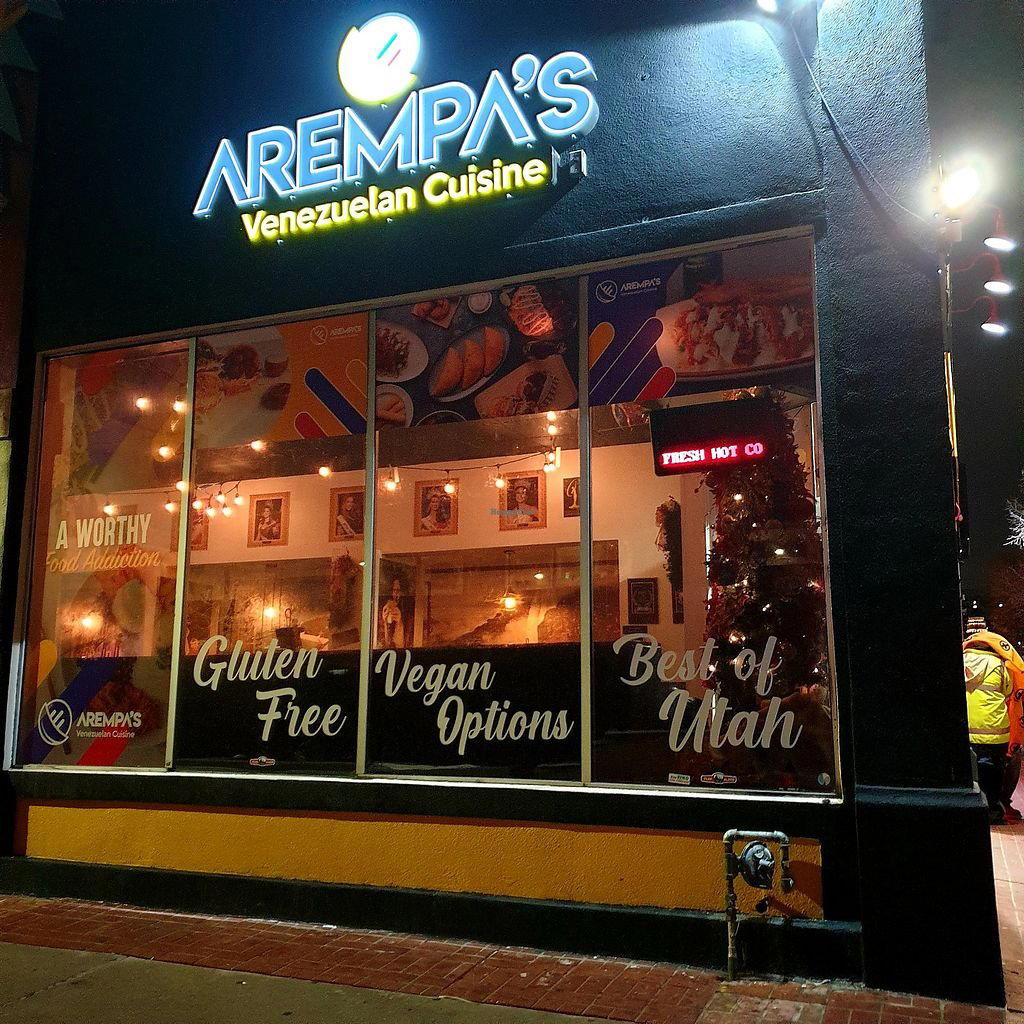
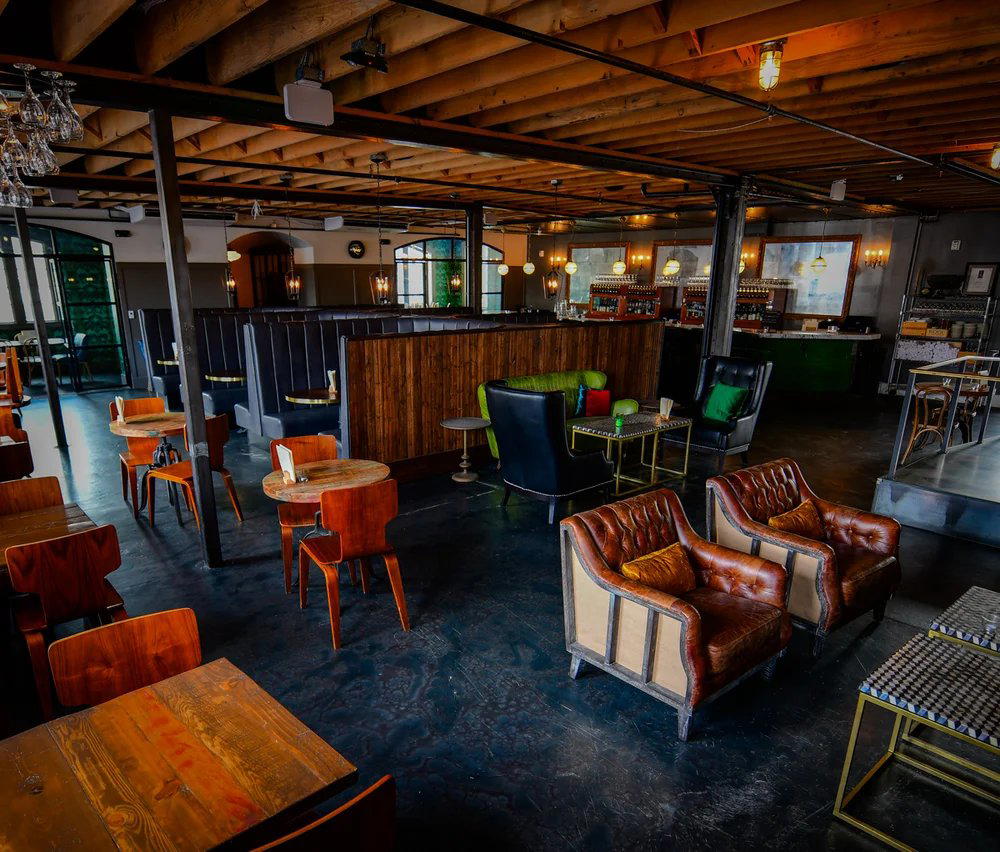
Hotels in Salt Lake City
Browse all →

Wineries in Salt Lake City
Browse all →
At a Glance
- Lively
- Trendy
- Casual Hangout
- Standalone
- Tequila
Current opening hours
- Monday
- Closed
- Tuesday
- 11 AM–9 PM
- Wednesday
- 11 AM–9 PM
- Thursday
- 11 AM–9 PM
- Friday
- 11 AM–11 PM
- Saturday
- 12–11 PM
- Sunday
- 12–11 PM
Hours can change for holidays and private events. Last verified .
Bar-like vibe with fairly loud music playing, creating a fun but not quiet atmosphere.