Spencer's for Steaks and Chops

Among Salt Lake City's downtown steakhouses, Spencer's for Steaks and Chops occupies a different register from the city's newer farm-to-table independents, operating from the heart of the hotel corridor on West Temple Street. The format is classic American chophouse, the kind of room where the beef takes precedence and the wine list runs deep. It sits in a tier defined by occasion dining rather than casual neighborhood eating.
Pearl is the En Primeur Club membership app — saves, bookings, and concierge access live there. Same editors, same standards.
- Address
- 255 S W Temple St, Salt Lake City, UT 84101
- Phone
- +18012384748
- Website
- spencersslc.com
- Directions
- Get directions
 Saves & bookings on Pearl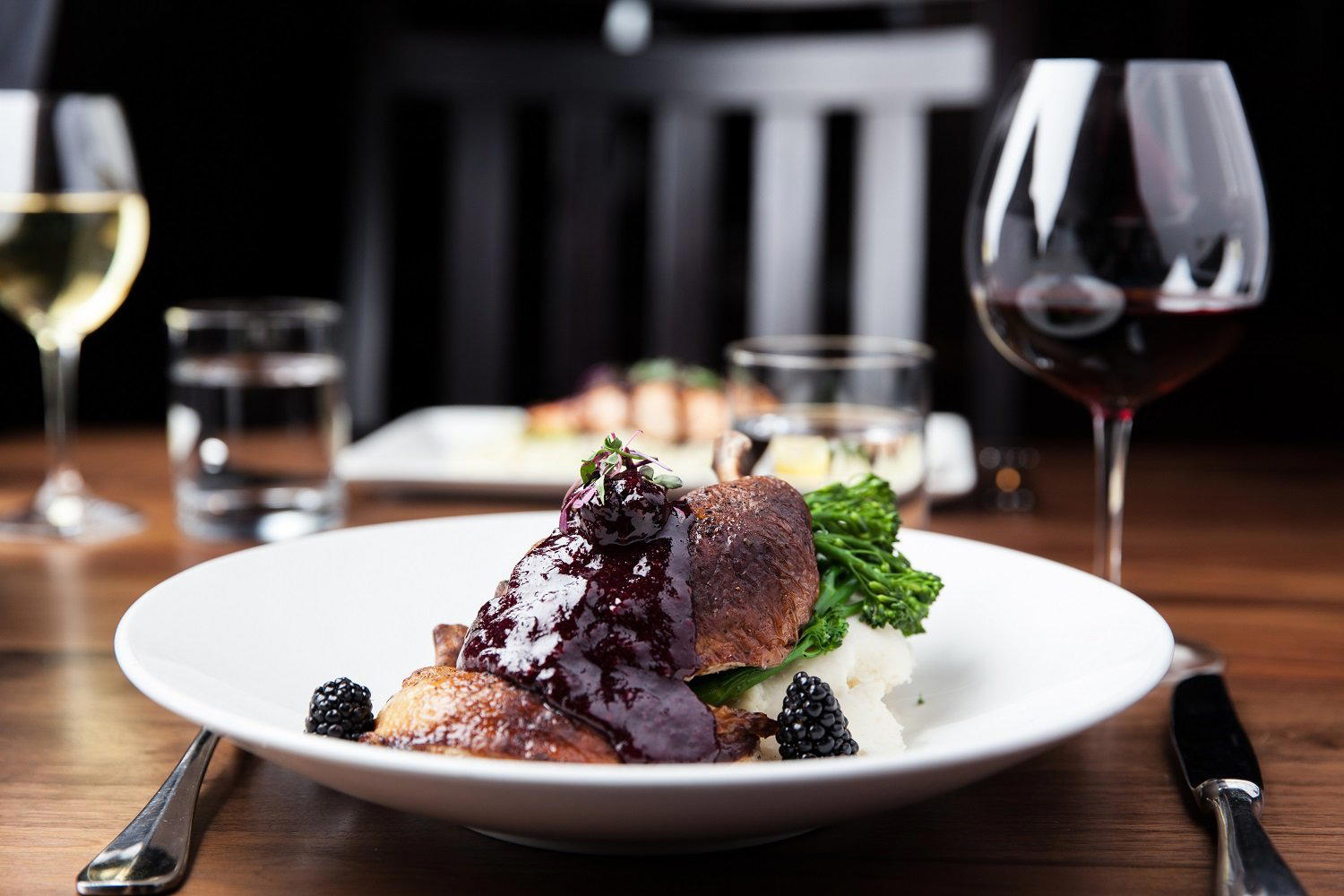
The American Chophouse in a City That Has Changed Around It
Salt Lake City's dining scene has moved fast in the past decade. The stretch of downtown that once revolved around hotel restaurants and conventional steakhouses has seen a steady influx of chef-driven independents, tasting menus, and concept-forward bars. Against that backdrop, the traditional American chophouse has had to answer a question that every format eventually faces: does it adapt, resist, or find a third path? Spencer's for Steaks and Chops, positioned on West Temple Street at 255 S W Temple St, sits inside that longer story. It operates from what was always a hotel-corridor address, the kind of location that once defined downtown dining in mid-sized American cities before independent neighborhoods emerged as the preferred destination.
That shift in the city's center of gravity matters because it reframes how a venue like this functions. Where once the hotel steakhouse was the default answer for a serious dinner, it now competes with rooms like Adelaide, Arlo Restaurant, and Avenues Proper, each of which operates on a different logic entirely. The comparison illuminates something about the chophouse format itself: it endures not because it evolves aggressively, but because a section of diners consistently prefers the known quantities it delivers. Dry-aged beef, classic sides, tableside preparations, and a wine list organised around Cabernet-heavy American producers are a durable proposition regardless of what is happening outside.
What the Room Says Before You Order Anything
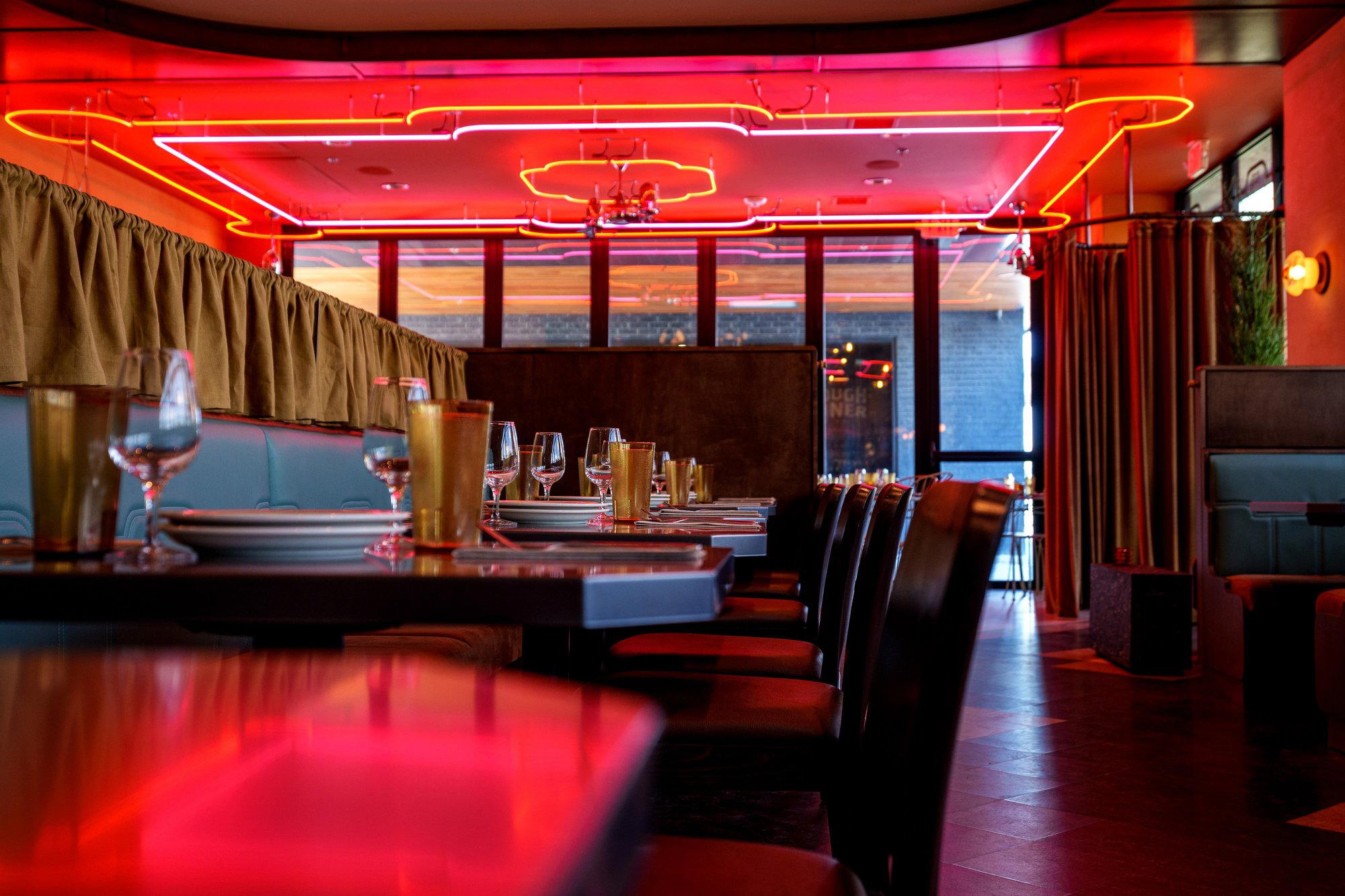
The physical environment at a steakhouse communicates expectations before service begins. Dark panelling, booth seating, warm lighting at low levels, and the ambient noise of a room built for conversation rather than performance cooking: these are the signals that distinguish the American chophouse from the open-kitchen tasting-menu format that has come to dominate the aspirational dining bracket in cities like Chicago, where Alinea operates at one extreme, or San Francisco, where Lazy Bear has reshaped expectations around communal formality. Spencer's works from a different set of priorities. The room signals continuity, occasion, and a transaction where the guest is broadly in charge of the pace.
That physical confidence is part of what makes the format legible to a specific type of diner: the traveller staying in the hotel corridor, the executive hosting a team dinner, the couple marking an anniversary with something that does not require decoding. For those guests, the steakhouse's resistance to reinvention is not a failing. It is the point.
The Chophouse in the Context of American Fine Dining
To understand where Spencer's sits relative to American dining at the highest level, it helps to map the distance. The tasting-menu end of the American market, represented by venues like The French Laundry in Napa, Providence in Los Angeles, Blue Hill at Stone Barns in Tarrytown, or Addison in San Diego, operates on entirely different coordinates: season-driven menus, ingredient sourcing as narrative, and a progression format that asks the guest to surrender control of the meal's direction. The chophouse operates at the opposite end of that axis. The guest arrives knowing what they want, orders from a stable menu, and expects the kitchen to execute against a consistent standard.
That consistency is what the format lives or dies by. At venues like Le Bernardin in New York City or Emeril's in New Orleans, consistency is built around a defined culinary identity and verifiable critical recognition. At the steakhouse, it is built around the beef program, the quality of the cut, and the kitchen's ability to hit a temperature accurately across a busy service. Those are different skills, but they are not lesser ones.
Within Salt Lake City's dining bracket, the comparison set is more immediate. Bambara Salt Lake City occupies a similarly hotel-adjacent position but operates with a broader American brasserie format. Blind Rabbit Kitchen works from a different register altogether. Spencer's is the format in its clearest expression: beef-forward, format-defined, and consistent about what it is not trying to be.
Evolution Without Abandonment
The American steakhouse has gone through several phases since the post-war era of white tablecloths and cigarette smoke. The 1990s and early 2000s brought a wave of national chains that standardised the format and pushed independent chophouses into a defensive position. The decade after that saw the craft-butchery movement enter the conversation, with a new generation of restaurants emphasising heritage breed cattle, dry-aging programs, and smaller, more precise cuts over the volume-driven approach of the previous era. That shift changed what guests expect from a serious beef restaurant, regardless of whether it operates as a hotel steakhouse or a standalone room.
Where Spencer's fits in that arc depends on which aspects of the format it has absorbed and which it has held constant. The address on West Temple places it within the downtown hotel circuit, a location that naturally anchors its guest profile toward hotel visitors and downtown corporate diners. That demographic has its own pressures: business travel patterns have changed since 2020, the hotel meeting has partly migrated online, and the mid-week expense-account dinner is no longer as predictable a foundation as it was a decade ago. A steakhouse in that position either broadens its appeal to local residents or accepts a narrower operating window. Salt Lake City's growth as a destination, driven by both technology sector expansion and its position as a gateway to outdoor recreation, gives venues in the downtown corridor access to a larger incoming visitor pool than the city had ten years ago.
For broader context on how the city's dining options have evolved across neighborhoods and formats, the EP Club Salt Lake City restaurants guide maps the full range, from hotel-corridor institutions to independent neighborhood rooms. Globally, the steakhouse format has also demonstrated resilience across competitive markets: at the level of technical precision and format ambition represented by venues like Atomix in New York City, Single Thread Farm in Healdsburg, or The Inn at Little Washington, the chophouse occupies a parallel track that answers different needs without competing directly. Even internationally, at a venue like 8 1/2 Otto e Mezzo Bombana in Hong Kong, what persists is the primacy of a well-defined format executed with conviction.
Planning Your Visit
Spencer's is located at 255 S W Temple St in downtown Salt Lake City, within the hotel corridor that sits within walking distance of the city's main convention infrastructure. As with most steakhouses in this tier, weekday evenings during convention season and weekend dinner service tend to fill earliest.
Recognition history
Dated appearances from independent guides and award organizations, with the underlying list record or original source where available.
Wine Spectator Award of Excellence
Wine Spectator
Continue exploring
More in Salt Lake City
Restaurants in Salt Lake City
Browse all →
Bars in Salt Lake City
Browse all →
Hotels in Salt Lake City
Browse all →
Wineries in Salt Lake City
Browse all →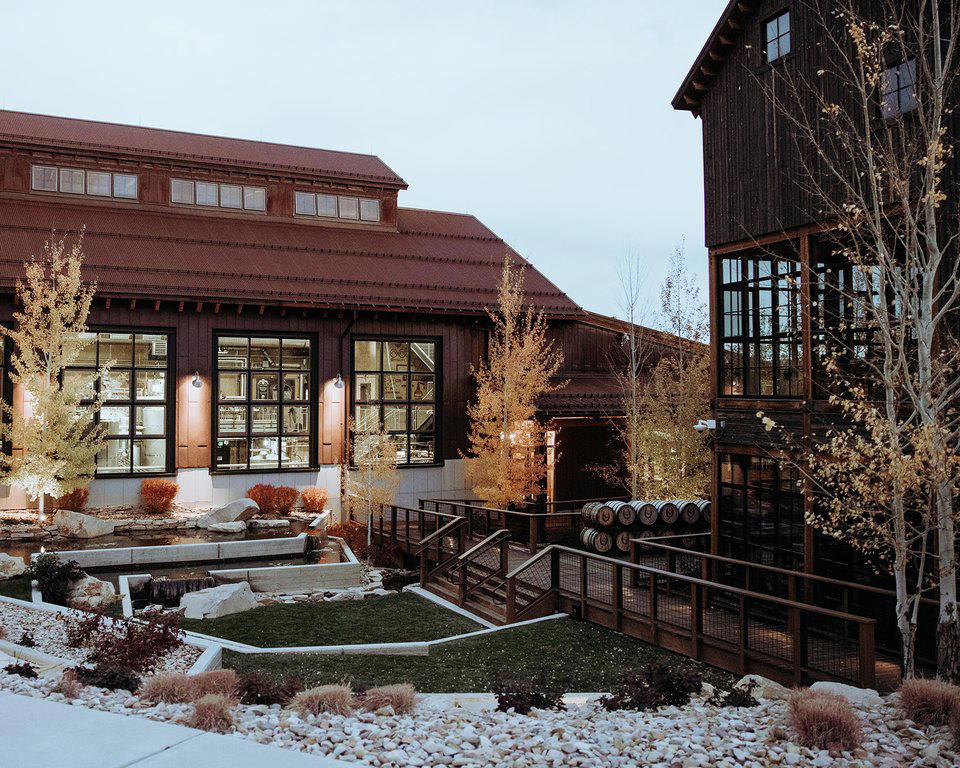
At a Glance
- Elegant
- Sophisticated
- Classic
- Intimate
- Date Night
- Business Dinner
- Special Occasion
- Private Dining
- Hotel Restaurant
- Extensive Wine List
- Craft Cocktails
Current opening hours
- Monday
- 11:30 AM–10 PM
- Tuesday
- 11:30 AM–10 PM
- Wednesday
- 11:30 AM–10 PM
- Thursday
- 11:30 AM–10 PM
- Friday
- 11:30 AM–10 PM
- Saturday
- 4–10 PM
- Sunday
- 4–10 PM
Hours can change for holidays and private events. Last verified .
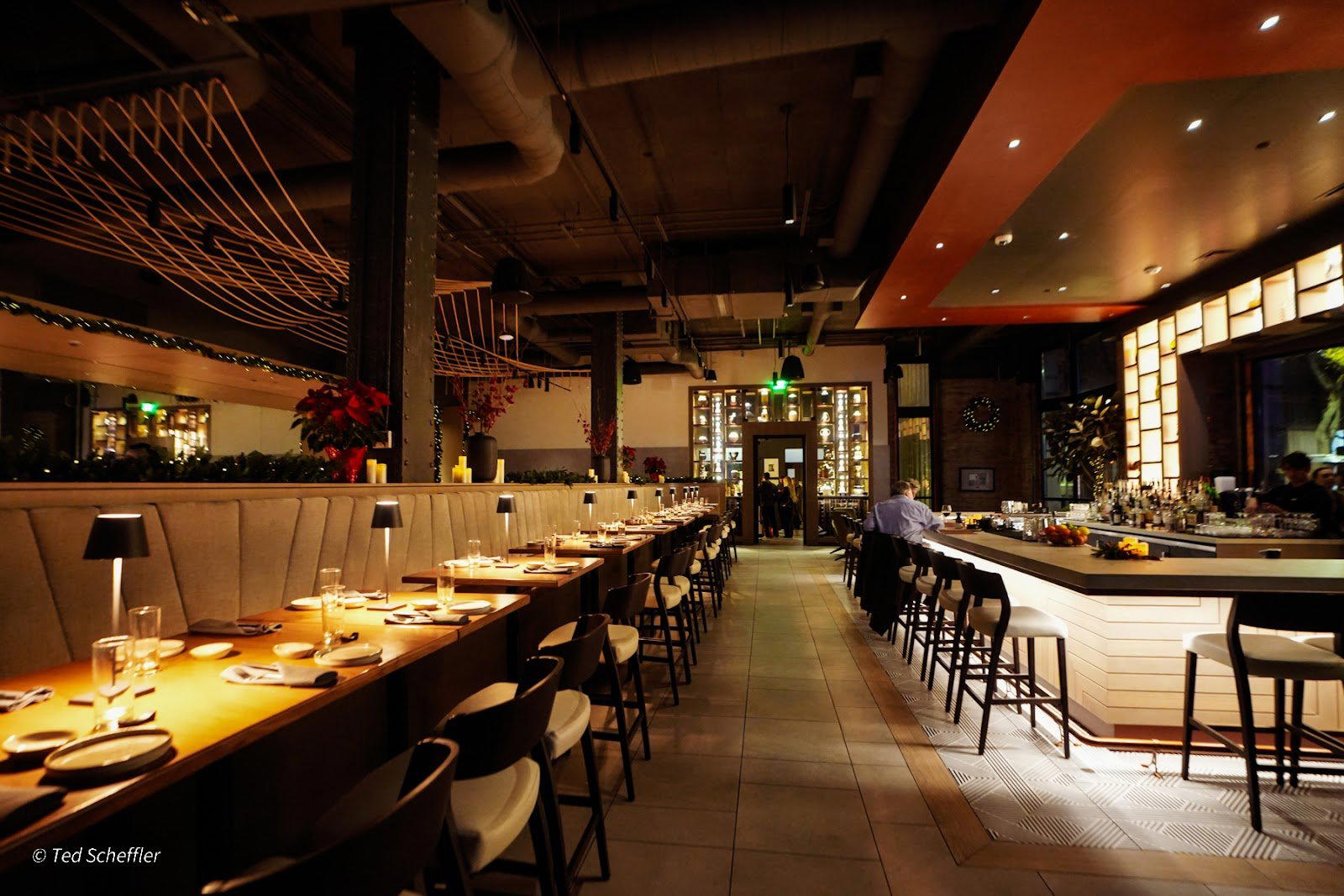
Dim lighting, wood tones, neutral tones with rich color pops, moody and calming with private seating banquettes.
Know Before You Go
- Getting there
- 255 S W Temple St, Salt Lake City, UT 84101