Hamachi Sushi Bar
Hamachi Sushi Bar sits on the eastern edge of downtown Salt Lake City, occupying a corner of the 100 South corridor where Japanese bar culture intersects with Utah's evolving drinks scene. The room rewards those who pay attention to what's in the glass as much as what's on the plate. For a city still writing the rules of its premium dining tier, Hamachi represents a particular kind of ambition.
Pearl is the En Primeur Club membership app — saves, bookings, and concierge access live there. Same editors, same standards.
- Address
- 488 E 100 S, Salt Lake City, UT 84111
- Phone
- +1 801 359 2092
- Website
- hamachisushibar.com
- Directions
- Get directions
 Saves & bookings on Pearl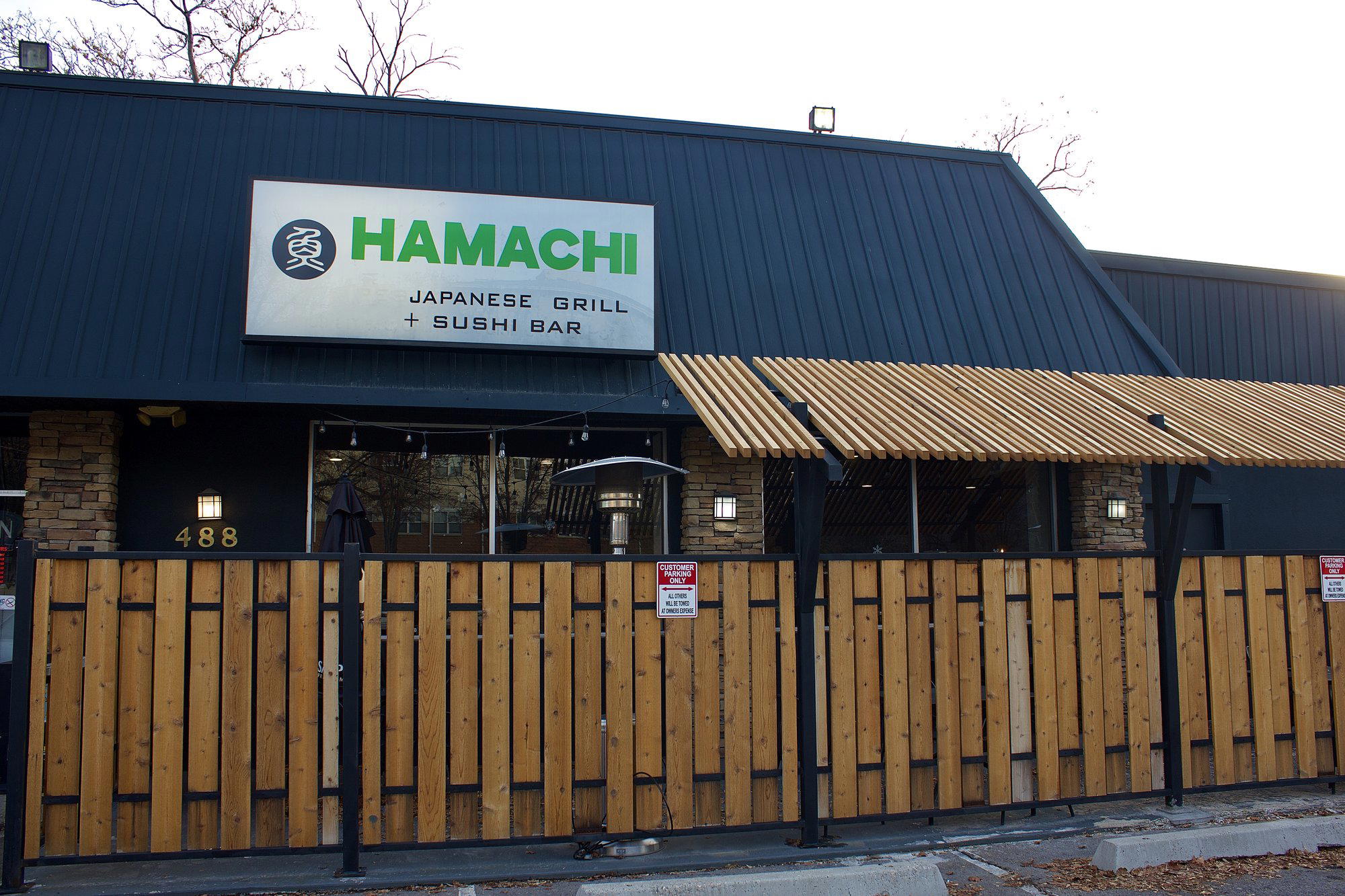
A Bar Counter in a City Finding Its Footing
Salt Lake City's dining and drinking scene has shifted considerably over the past decade. Liquor law reforms, a growing resident base with international palates, and a wave of operators trained elsewhere have collectively pushed the city's hospitality offering past its regional-underdog reputation. The stretch of 100 South between Main Street and 500 East now hosts some of the most considered bar programs in the Mountain West, and Hamachi Sushi Bar, at 488 E 100 S, occupies a specific position in that geography: close enough to the central business core to draw after-work traffic, far enough east to sit in a quieter residential-commercial mix that sets a different tempo from the loud blocks near Temple Square.
Approaching from the west along 100 South, the building sits in a zone where the street narrows and the noise of the convention-district hotels falls away. That transition matters because it shapes who walks through the door and at what speed. Guests arriving here tend to be deliberate rather than incidental, and the room responds accordingly. This is not the kind of venue you stumble into from a conference; it is one you plan around.
The Drinks Programme as Primary Lens
In cities like Salt Lake City, the cocktail programme at a Japanese-concept bar carries particular weight. Utah's state-controlled alcohol system, with its specific licensing tiers and historic restrictions on spirits service, has historically pushed creative operators toward wine and beer by default. Bars that have built genuine spirits-forward programmes have had to be deliberate about it, sourcing within the state's distribution framework while still expressing a coherent creative point of view. The leading examples in the city, including Avenues Proper and Bar Nohm, have done this by anchoring their lists in technique and sourcing specificity rather than relying on high-volume label recognition.
Japanese bar culture, imported earnestly into American cities over the past fifteen years, maps onto that discipline well. The highball format, popularized in Japan through the precise dilution of whisky with chilled, pressurized water and served long over clear ice, demands restraint and repetition rather than showmanship. Where some American interpretations of Japanese cocktail culture have turned that restraint into a performance of its own, the more grounded versions simply let the quality of the base spirit and the accuracy of the build carry the glass. At Hamachi, the bar counter becomes the focal point rather than a service station, a format that aligns the space with Japanese bar archetypes where the bartender's workspace is visible, ordered, and part of the hospitality itself.
For broader comparison points on how Japanese-influenced bar formats work at their highest expression, Kumiko in Chicago sets the reference standard in the Midwest, with a programme built around Japanese distillates and seasonal modifiers. On the West Coast, ABV in San Francisco demonstrates what a technically serious American bar looks like when it absorbs influence without mimicking it. In the South, Jewel of the South in New Orleans and Julep in Houston show how regional identity and cocktail rigour coexist. In the Pacific, Bar Leather Apron in Honolulu operates at the intersection of Japanese bar culture and Hawaiian terroir in a way that offers a useful frame for what the format can become in the right hands. Internationally, The Parlour in Frankfurt on the Main and Superbueno in New York City represent the range of what modern bar programmes can accomplish when they commit to a clear identity.
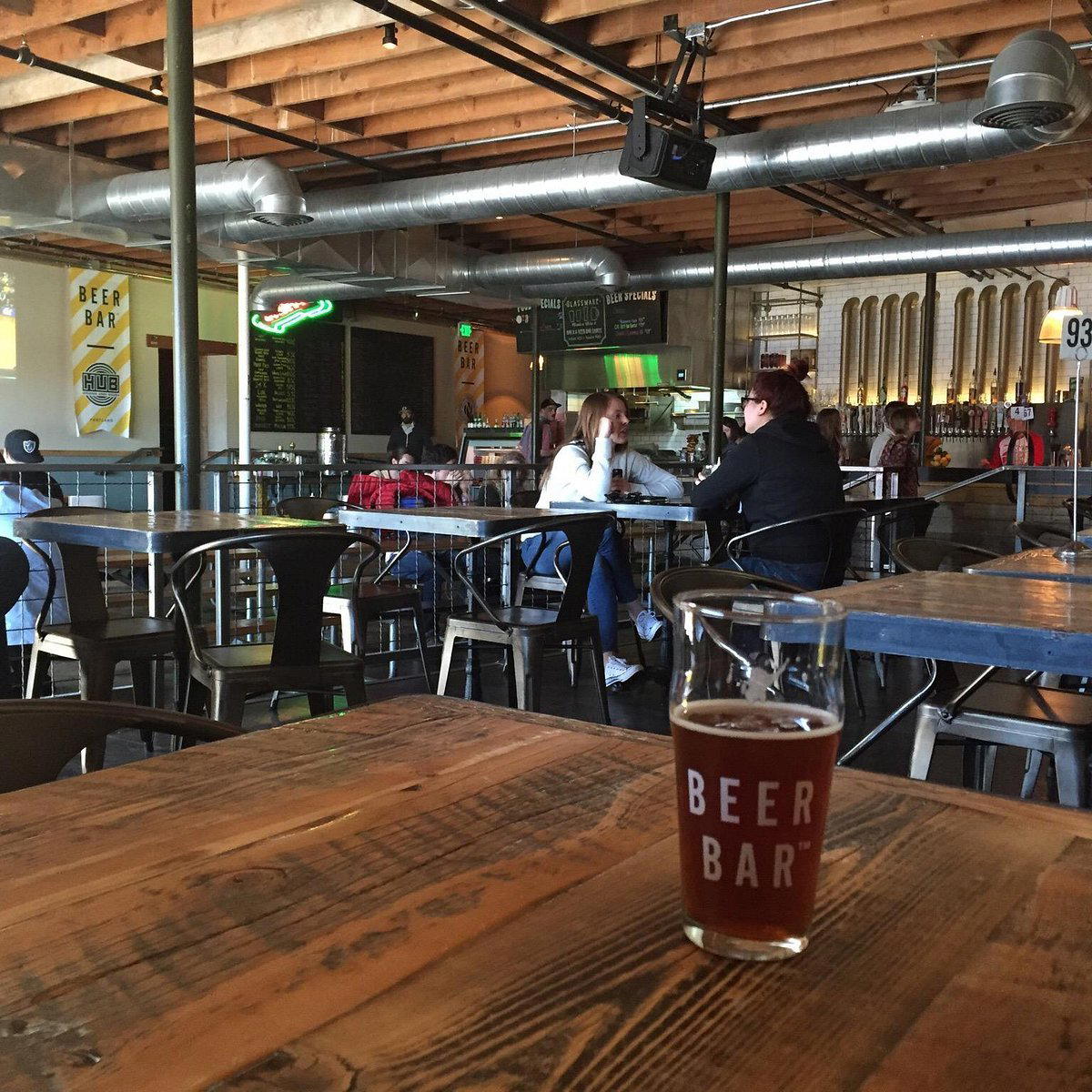
Within Salt Lake City itself, Hamachi occupies a different tier and register from the beer-focused Beer Bar or the broader food-and-drinks format at Aker Restaurant and Lounge. The Japanese sushi bar format, with its counter service, precise knife work, and the expectation that the drink in your hand complements the fish in front of you, asks something different of both operator and guest.
The Sushi Counter as Social Architecture
In the broader American dining context, the omakase-to-a-la-carte spectrum for sushi has sorted itself into fairly legible tiers. At the lower end, accessible casual conveyor-belt and menu-order formats prioritize throughput. At the higher end, the counter format locks in an intimate relationship between the person preparing the fish and the person eating it. Salt Lake City, with a population that skews younger and increasingly international due to university and tech-sector growth, has developed an appetite for mid-tier and upper-mid-tier Japanese dining that extends beyond the teriyaki and tempura formats that dominated the previous generation. Hamachi, positioned on the 100 South corridor in a part of the city that attracts residents rather than tourists, fits into that evolving demand rather than simply serving the existing one.
The 100 South address places the bar within walking distance of Capitol Hill apartment buildings and the dense residential fabric east of downtown. Evening service draws a different crowd than the lunch-rush office workers who might stop in near Main Street. In a city where the dining and drinking scene clusters into a handful of walkable nodes, location within the right node matters considerably for what a venue becomes over time.
Planning a Visit
Hamachi Sushi Bar is located at 488 E 100 South, in the lower downtown grid that sits between the State Capitol to the north and the University of Utah corridor to the east. For those coming from out of town, the address is a ten-to-fifteen minute drive from Salt Lake City International Airport and sits close to several hotel corridors. Specific hours, pricing, and reservation availability are best confirmed directly with the venue, as Salt Lake City's mid-tier dining scene has seen considerable volatility in operating schedules since 2020. For a broader orientation to what the city offers across restaurants, bars, and hotel dining, the full Salt Lake City guide maps the scene in detail.
Continue exploring
More in Salt Lake City
Bars in Salt Lake City
Browse all →
Restaurants in Salt Lake City
Browse all →
Hotels in Salt Lake City
Browse all →
Wineries in Salt Lake City
Browse all →
At a Glance
- Modern
- Lively
- Casual Hangout
- Group Outing
- Standalone
- Seated Bar
- Counter Only
- Sake
Current opening hours
- Monday
- 11:30 AM–2:30 PM, 4–9:30 PM
- Tuesday
- 11:30 AM–2:30 PM, 4–9:30 PM
- Wednesday
- 11:30 AM–2:30 PM, 4–9:30 PM
- Thursday
- 11:30 AM–2:30 PM, 4–9:30 PM
- Friday
- 12–9:30 PM
- Saturday
- 12–9:30 PM
- Sunday
- 12–9:30 PM
Hours can change for holidays and private events. Last verified .
Contemporary sushi bar with a focused, professional atmosphere emphasizing quality craft and fresh ingredients.
Know Before You Go
- Getting there
- 488 E 100 S, Salt Lake City, UT 84111