Pokhara Nepali Kitchen und Take Away
Pokhara Nepali Kitchen und Take Away on Thunstrasse 93 in Bern serves authentic Nepali food, with momos and thali for lunch or dinner.
Pearl is the En Primeur Club membership app — saves, bookings, and concierge access live there. Same editors, same standards.
- Address
- Thunstrasse 93, 3006 Bern, Switzerland
- Phone
- +41313129393
- Website
- pokharakitchen.ch
- Directions
- Get directions
 Saves & bookings on Pearl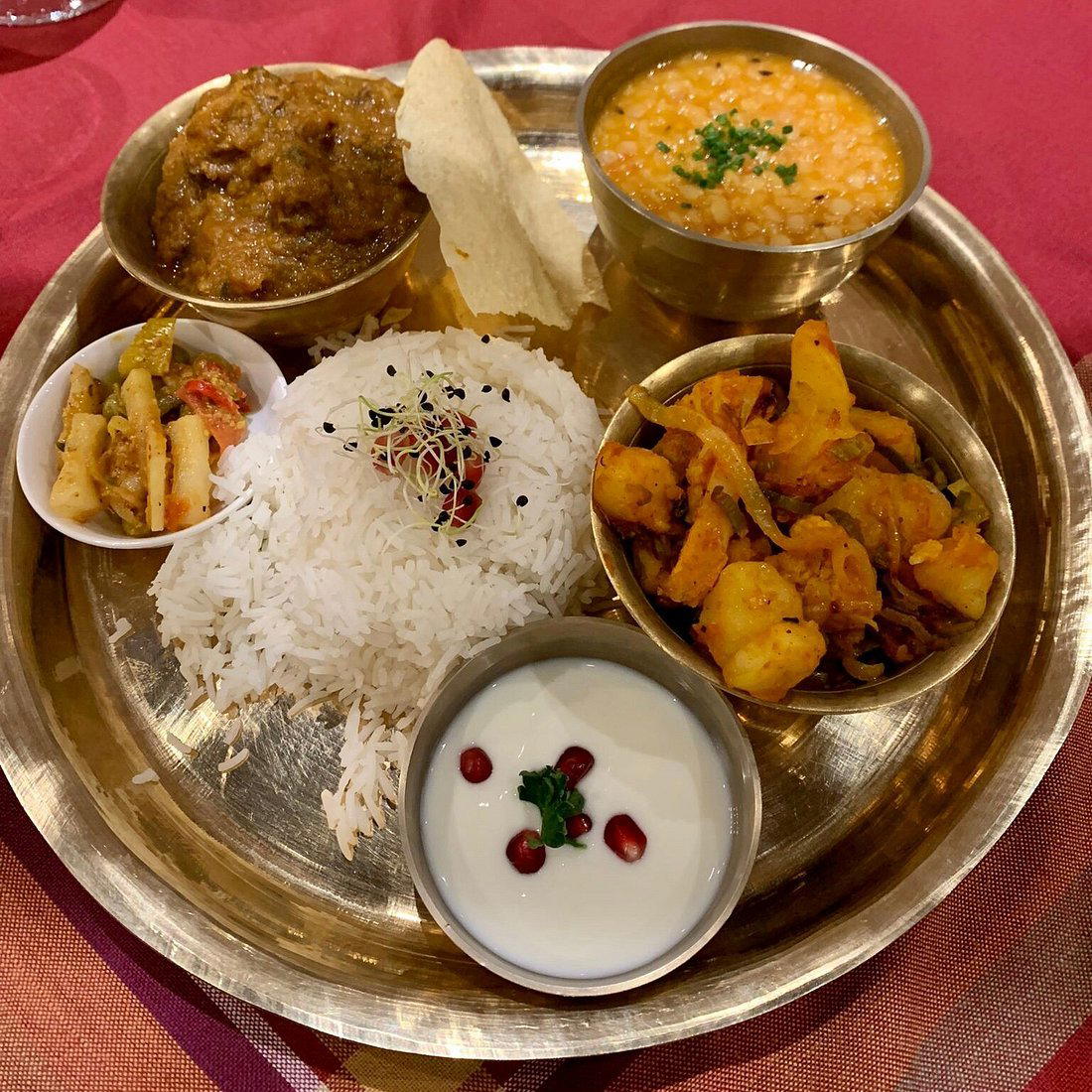
Nepali Cooking in the Swiss Capital: Where Bern's Ethnic Dining Fills Its Gaps
Bern's restaurant scene is weighted heavily toward modern European formats. The city's higher-profile addresses, from the creative kitchen at Steinhalle to the modern cuisine at Wein & Sein, operate at the upper end of the price spectrum and reflect a broadly Franco-Swiss culinary inheritance. What Bern lacks, relative to Zurich or Geneva, is depth in South and Central Asian cooking. Nepali cuisine occupies a particularly sparse corner of that gap. Pokhara Nepali Kitchen und Take Away, at Thunstrasse 93 in the 3006 district, is one of the few addresses in the city working seriously within that tradition.
The Menu as a Map of Nepali Cooking Traditions
Understanding what a Nepali menu communicates requires separating it from the Indian subcontinent category with which it is often conflated. Nepal's cooking draws from both Tibetan and North Indian influences but is distinct in its restraint with heavy spicing and its emphasis on fermented and dried ingredients, lentil-based preparations, and dishes designed around altitude-adapted staples. The canonical Nepali format is dal bhat: steamed rice, lentil soup, and rotating accompaniments that shift by season and region. Where Indian restaurant menus in Switzerland typically lead with tandoor preparations and curry house standards calibrated for European palates, a Nepali menu structured around dal bhat, momos, and gundruk signals a different culinary logic altogether.
Momos are especially internationally recognised Nepali preparation and function as a useful barometer for how authentically a kitchen is operating. The dough-to-filling ratio, the choice of meat or vegetable filling, and the accompanying dipping sauce each carry regional information. A kitchen that produces momos consistent with Nepali street preparation, rather than adapting them toward a Chinese dumpling or South Asian samosa format, is working from a different starting point than one chasing broad appeal.
The take-away format noted in the name is significant in terms of menu architecture. Kitchens operating across both dine-in and take-away formats face pressure to build a menu with items that travel without degrading. In Nepali cooking, this tends to favour rice-based sets, momos packaged separately from their sauce, and dry preparations over broth-heavy dishes. The result is a menu that can read as restrained compared to an elaborate restaurant service, but which, when executed with attention to the base preparations, accurately reflects how Nepali food is actually eaten in daily life rather than in a set-piece restaurant context.
Thunstrasse 93 and the Kirchenfeld Context
The 3006 postal district covers the Kirchenfeld neighbourhood, a quarter defined by its embassy presence, the Museum of Fine Arts (Kunstmuseum), and residential streets that sit at some distance from the tourist-facing Old Town. Dining in Kirchenfeld skews toward local regulars rather than visitors, which tends to mean less menu adaptation for outside expectations and more consistency in preparation. For a Nepali kitchen serving a neighbourhood audience, that context matters: the customer base is likely familiar with the format and returning for specific preparations rather than sampling out of novelty.
Address on Thunstrasse places the venue on one of the area's main arterial roads, well connected by public transport from Bern's central station. For visitors staying in the city centre, the journey is manageable and puts the restaurant within reach of an evening or lunchtime visit without significant detour. Those planning around Bern's other dining options can anchor a broader itinerary using our full Bern restaurants guide, which covers the full range of formats from neighbourhood-level kitchens through to the city's most formal rooms. For reference on what formal dining looks like at the Swiss level, addresses such as Hotel de Ville Crissier in Crissier and Schloss Schauenstein in Fürstenau set the upper tier benchmark, as does Cheval Blanc by Peter Knogl in Basel.
Bern's mid-range dining includes several formats worth mapping against Pokhara Nepali Kitchen. ZOE operates at the vegetarian end, with a menu built around plant-based preparations at the €€€ tier. Al Toque and Azzurro - Terra e Mare represent the city's European and Mediterranean registers. None of these operate within the South Asian culinary tradition. In that sense, Pokhara Nepali Kitchen is not competing within a crowded field in Bern. It occupies a category with thin local representation, which makes it a functional reference point rather than one option among many.
The take-away component also positions it differently from the sit-down formats listed above. Take-away Nepali cooking in a European city serves a dual function: it reaches the Nepali and broader South Asian diaspora community seeking familiar preparations, and it opens the cuisine to a wider local audience that might approach it more readily through an informal format than a full restaurant service. In Swiss cities, this two-audience dynamic is common among ethnic kitchens operating outside the mainstream restaurant tiers represented by addresses like Memories in Bad Ragaz or 7132 Silver in Vals.
Planning a Visit
The safest approach is to visit in person during expected service hours or to cross-reference current information through Google Maps or local listings before travelling specifically for a meal. The take-away format suggests the kitchen operates without a reservation requirement, at least for that service mode, but confirmation on dine-in availability and capacity is advisable before planning a group visit.
For comparison across Switzerland's broader dining range, further references include Colonnade in Lucerne, Da Vittorio - St. Moritz, Einstein Gourmet in Sankt Gallen, focus ATELIER in Vitznau, and IGNIV Zürich by Andreas Caminada in Zurich. For those whose reference points extend to international fine dining, Le Bernardin in New York City and Atomix in New York City illustrate how ethnic culinary traditions can be positioned at the highest formal tier when kitchen depth and front-of-house investment align.
How Pokhara Nepali Kitchen und Take Away Bern compares with similar nearby venues.
| Venue | Cuisine | Price |
|---|---|---|
| Casa Novo | Mediterranean Cuisine | €€ |
| moment | Creative | €€ |
Continue exploring
More in Bern
Restaurants in Bern
Browse all →
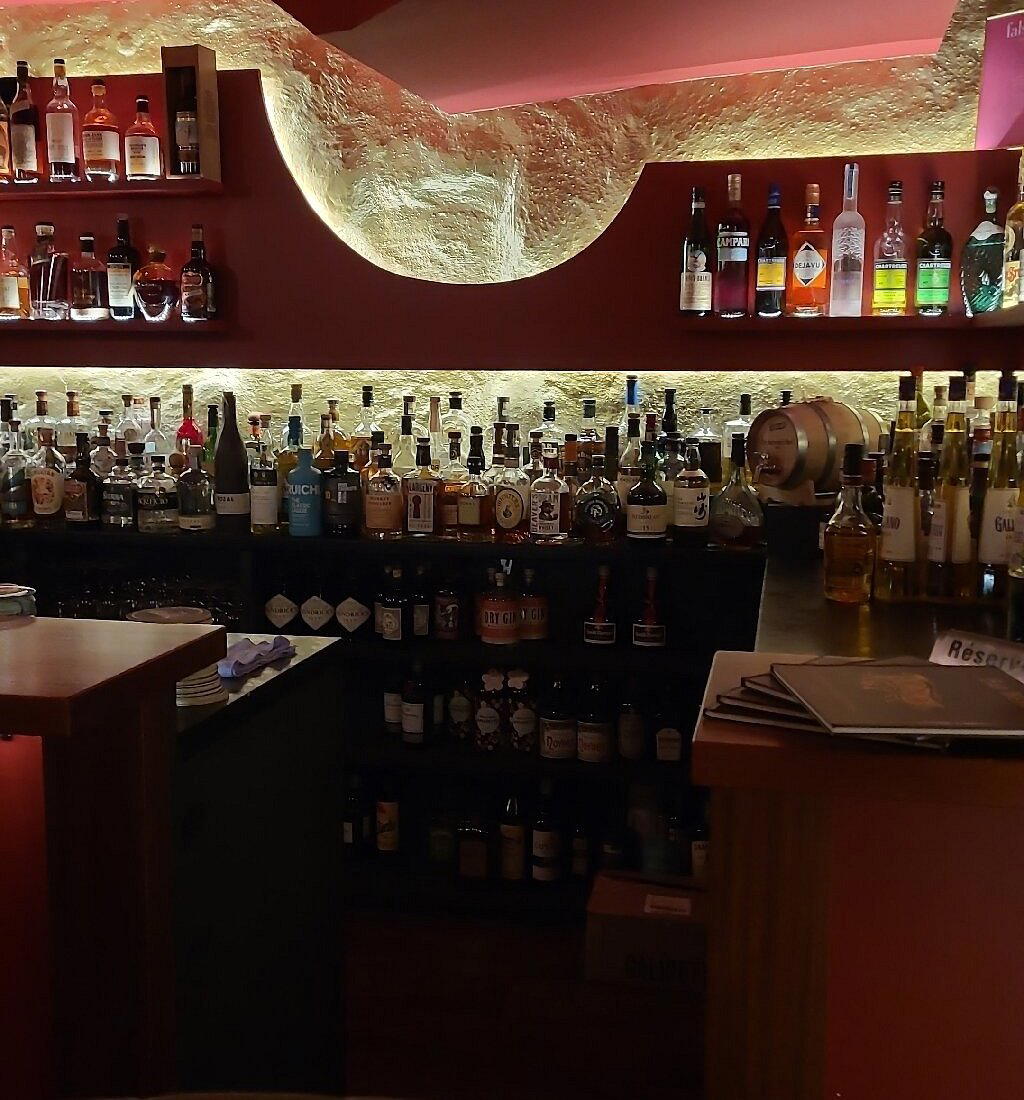
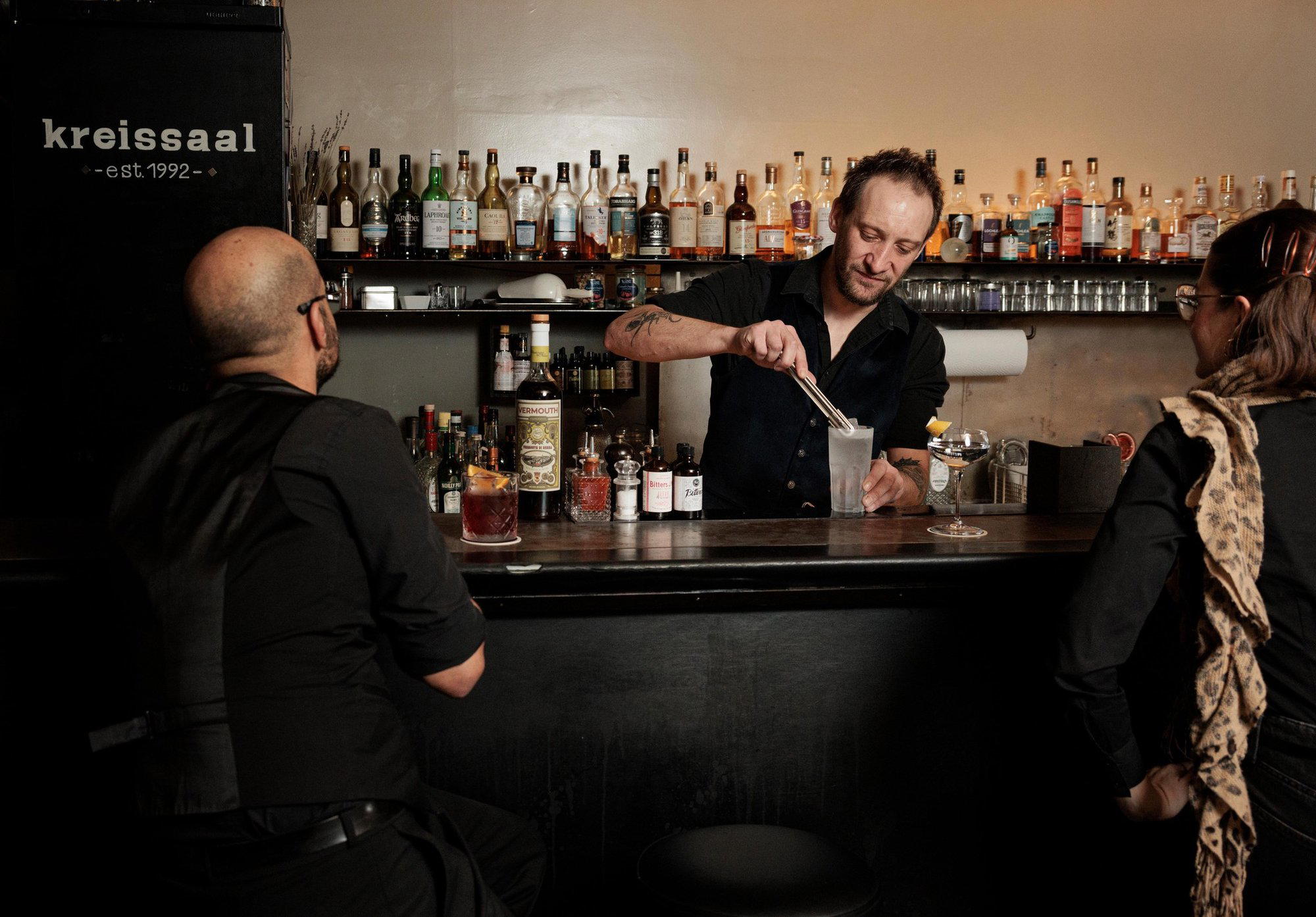
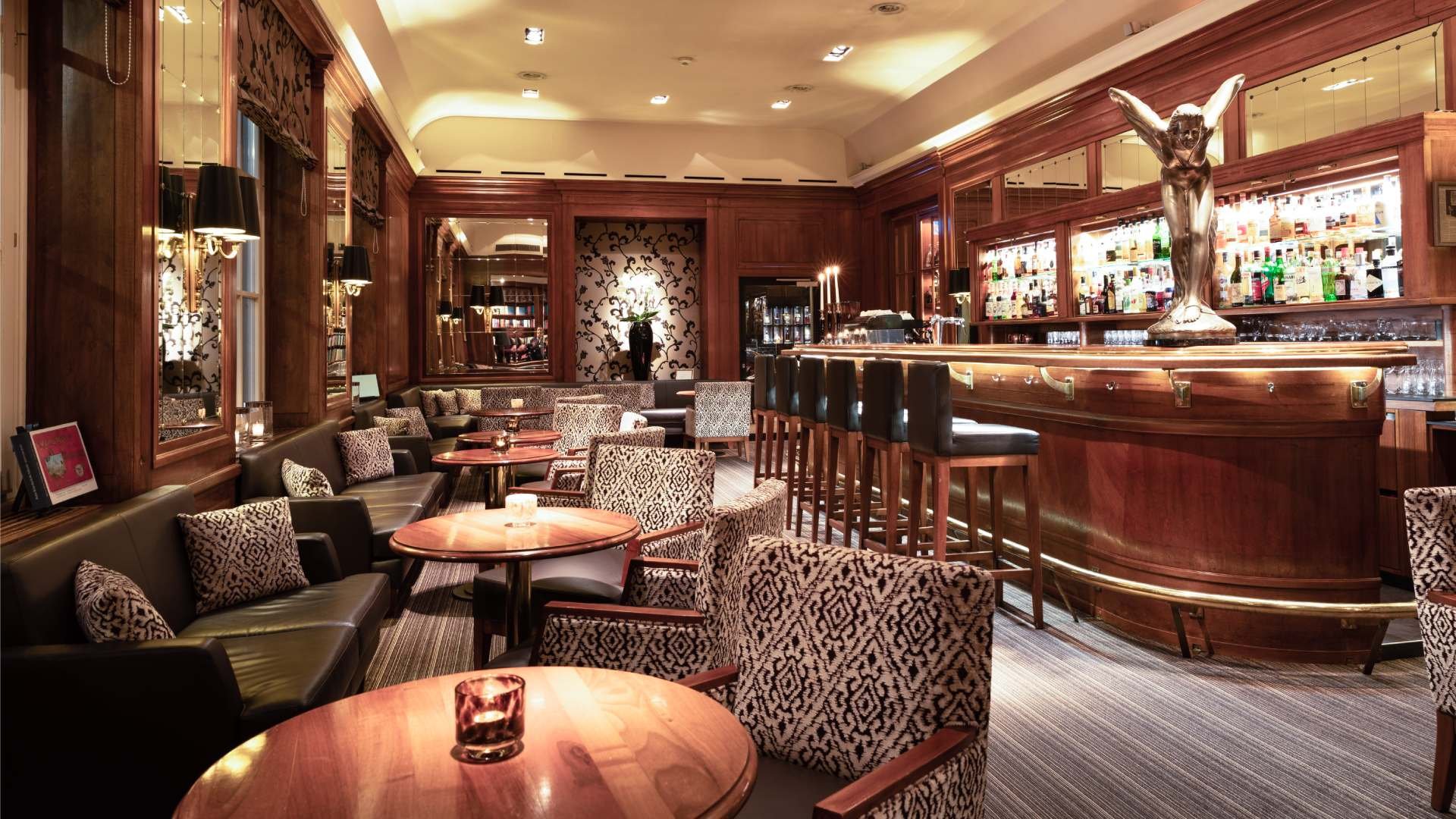
Bars in Bern
Browse all →
Hotels in Bern
Browse all →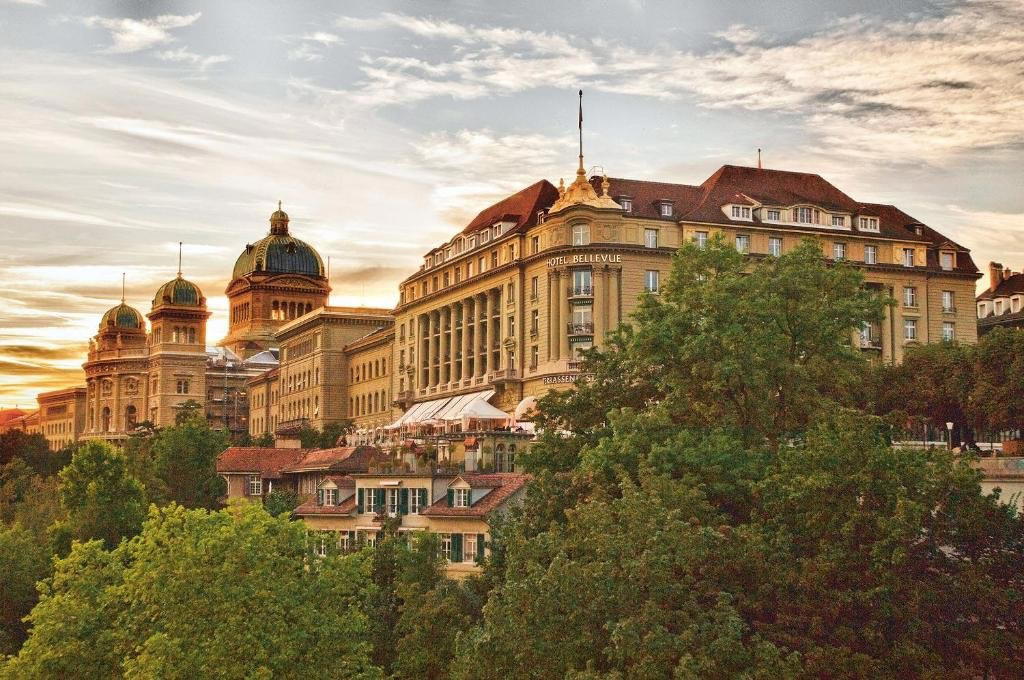

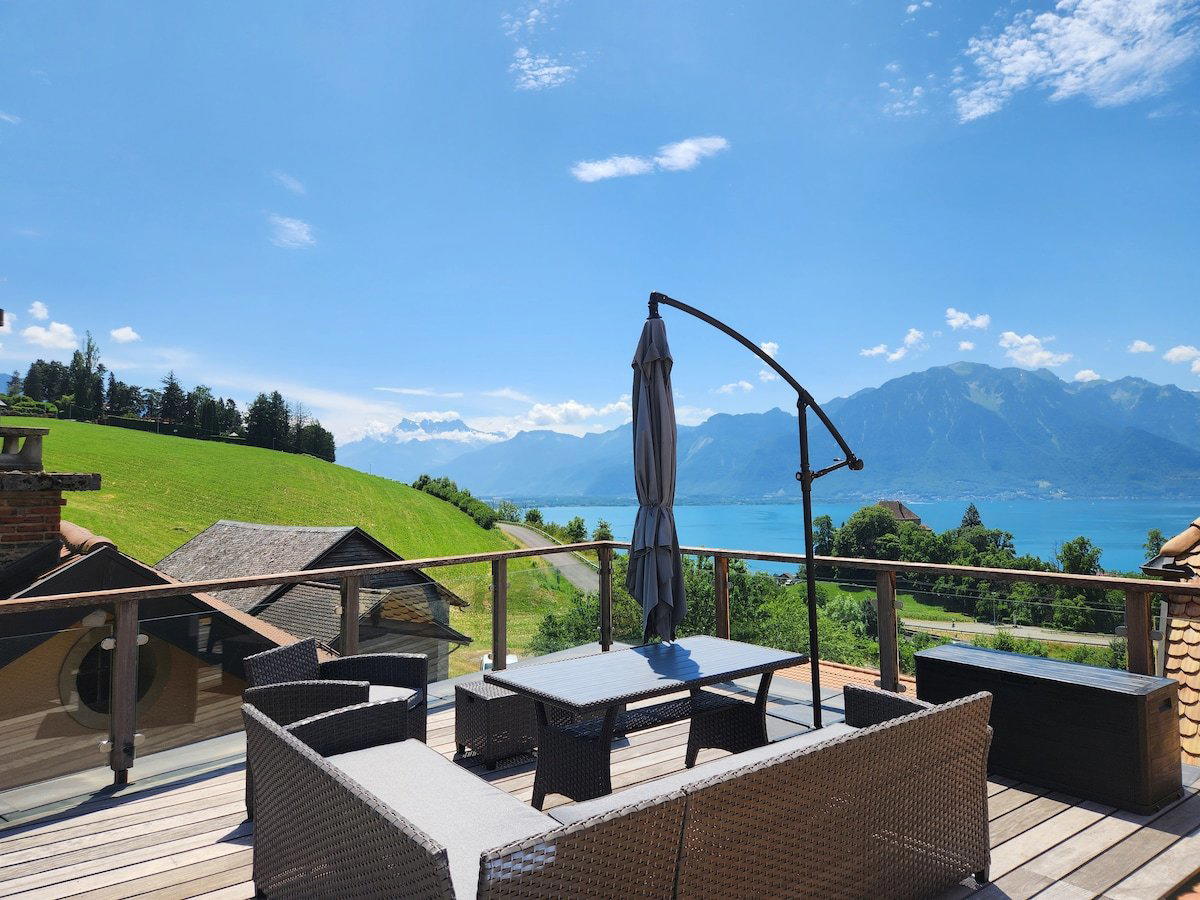
At a Glance
- Cozy
- Rustic
- Casual Hangout
- Family
- Standalone
Current opening hours
- Monday
- 11:30 AM–2 PM
- Tuesday
- 11:30 AM–2 PM, 6–10 PM
- Wednesday
- 11:30 AM–2 PM, 6–10 PM
- Thursday
- 11:30 AM–2 PM, 6–10 PM
- Friday
- 11:30 AM–2 PM, 6–10 PM
- Saturday
- 6–10 PM
- Sunday
- Closed
Hours can change for holidays and private events. Last verified .
Warm and hospitable family-run atmosphere with fresh authentic Nepali flavors.