Poeta
Poeta brings a modern Italian sensibility to East Austin's restaurant corridor, where the aperitivo tradition, small plates, considered pours, and an unhurried pace before the main event, shapes the rhythm of the evening. The room sits within a neighbourhood that has become Austin's most restless dining district, making it a natural stop for those tracing the city's shift toward European-influenced formats.
 Discover on Pearl
Pearl is the En Primeur Club membership app — saves, bookings, and concierge access live there. Same editors, same standards.
East Austin and the Italian Slow Hour
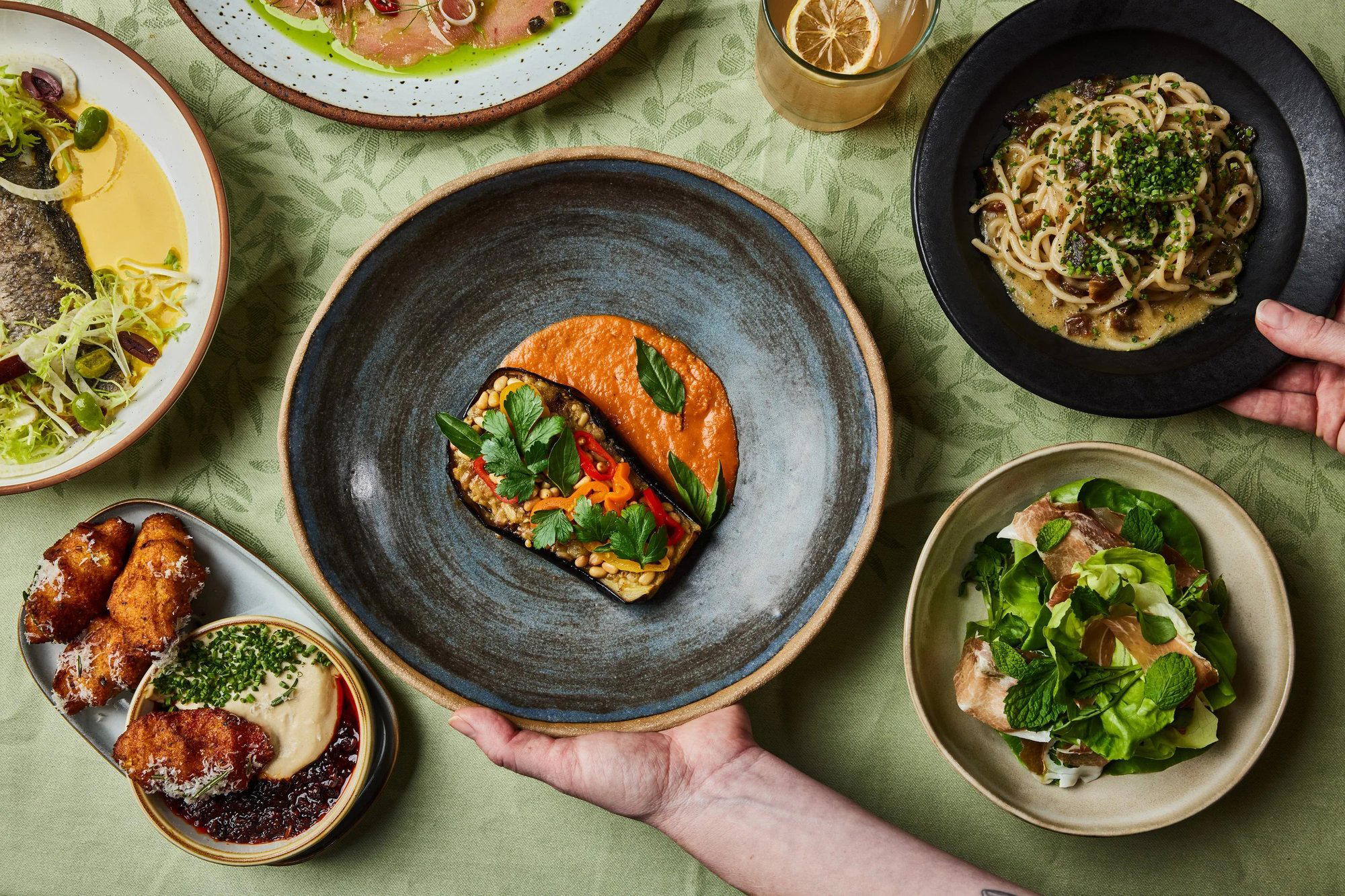
Poeta is a restaurant in East Austin serving Seasonal Italian cooking, with reservations recommended and an average spend of about $50 per person. The aperitivo hour, that Italian practice of small, savory plates and low-proof drinks designed to stretch the gap between work and dinner, has found its footing here partly because the neighbourhood rewards lingering. East Austin's restaurant corridor runs through blocks that mix converted warehouses with newer builds, and the tempo of the street invites exactly the kind of unhurried arrival that aperitivo culture depends on.
Poeta positions itself inside that rhythm. Modern Italian cooking in an American context frequently collapses into one of two poles: the red-sauce institution or the hyper-minimal pasta showcase. What the aperitivo framing does, when a kitchen commits to it, is open a third lane, small plates that read as Italian in structure but are responsive to local produce and the particular informality that Austin dining rooms tend to carry.
The Aperitivo Frame and What It Demands
Aperitivo culture as a restaurant format is more disciplined than it appears. The Milanese model, most often cited as the template, treats the pre-dinner spread as an implicit contract: the drinks are priced to include access to the food, the food is calibrated to sharpen appetite rather than satisfy it, and the whole arrangement is social first, gastronomic second. Transplanted into an American dining room, that contract shifts. Cover charges, à la carte small plates, and tasting structures all compete to replicate the same ritual, and the kitchen has to decide which version of the format it's actually running.
In cities like New York and San Francisco, modern Italian restaurants have largely resolved this by anchoring the experience in a defined drinks program, amaro-forward, spritz-driven, or focused on lesser-known northern Italian whites, with food that tracks alongside rather than leading. The plate sizes stay modest, the pacing stays generous, and the room is expected to turn slowly. Austin has been slower to adopt this model wholesale, which is part of what makes venues that commit to it notable.
Modern Italian in a Texas Context
Italian cooking's relationship to local American ingredients has become one of the more interesting fault lines in contemporary dining. At the high end, places like Le Bernardin in New York City and Alinea in Chicago demonstrate how European frameworks can absorb American produce without losing structural coherence. Closer to the casual Italian register, the more useful comparison is how a kitchen decides which Texas ingredients are worth foregrounding and which Italian preparations they serve leading.
Texas has a short-window spring and an extended growing season for peppers, alliums, and stone fruit that maps reasonably onto southern Italian pantry logic. The question for a modern Italian kitchen in Austin is whether it leans into that convergence or imports European ingredients wholesale. Either is a defensible choice, but the former tends to produce menus that read with more specificity, dishes that couldn't exist in quite the same form anywhere else, which is a different value proposition from executing an Italian canon faithfully.
Austin's dining comparable set has been pushing in the specificity direction across multiple cuisines. Hestia built its reputation on live-fire technique applied to American ingredients with serious intent. Barley Swine operates in the contemporary New American tier with a similar commitment to ingredient-led cooking. A modern Italian room that takes the same approach to its sourcing occupies a coherent position in that company, even if the culinary tradition it draws from is different.
Where Poeta Sits in East Austin's Current Moment
East Austin has developed enough dining density that a new room's competitive context is now primarily internal to the neighbourhood rather than city-wide. The area runs from casual barbecue, la Barbecue being the anchor reference on that end, through izakaya formats and into the higher-price tiers. What it has been adding most recently is the European-influenced mid-to-upper-casual format: rooms where the check lands in the $60–$90 per person range before wine, the service is knowledgeable without being stiff, and the kitchen is doing something more considered than the neighbourhood's earlier, more direct dining.
Poeta occupies space in that tier. Modern Italian at this level of the market tends to price its aperitivo-style small plates at $14–$22 each, with pasta courses in the $24–$32 range and a wine list weighted toward Italian regions, Friuli, Campania, and Etna getting more attention than the Tuscany-and-Piedmont default that dominated American Italian lists a decade ago.
Planning a Visit
East Austin restaurants at this level generally recommend booking two to three weeks out on weekends; weekday evenings tend to have more availability, and the aperitivo format rewards arriving early enough to work through the small plates at a pace that isn't pressured by a late-seating queue behind you. Spring evenings in Austin, roughly March through early May, give the leading version of the outdoor-to-indoor transition that the neighbourhood's architecture supports, before the summer heat makes outdoor seating impractical after 7pm.
Craft Omakase and InterStellar BBQ represent the range of the city's current ambitions across formats, and both are worth building around if you have multiple evenings. Those interested in how Austin compares to destination-level American dining should note that the city's mid-tier has narrowed the gap considerably with rooms like Lazy Bear in San Francisco, Single Thread Farm in Healdsburg, and The French Laundry in Napa remaining the benchmark for what serious American tasting-room dining looks like at the high end. For reference points in other international registers, Atomix in New York City, Emeril's in New Orleans, and Alain Ducasse at Louis XV in Monte Carlo define the wider spectrum against which Austin's upward trajectory makes sense.
Peers Worth Knowing
Comparable venues nearby, for context on price, style, and recognition.
| Venue | Cuisine | Price | Notes |
|---|---|---|---|
| PoetaThis venue — the venue you are viewing | Seasonal Italian | $$$ | |
| Sammie's Italian | Classic Italian-American Red Sauce | $$$ | Market District |
| Siena Restaurant | Authentic Tuscan Italian | $$$$ | West Austin |
| Happy Slice Pizza | Elevated Pizza | $$ | Meadows of Brushy Creek |
| Via 313 Pizza | Genuine Detroit-Style Pizza | $$ | Heritage |
| La Traviata | Classic Italian Trattoria | $$$ | East Oak Hill |



At a Glance
- Cozy
- Intimate
- Romantic
- Trendy
- Date Night
- Special Occasion
- Garden
- Open Kitchen
- Extensive Wine List
- Craft Cocktails
- Farm To Table
- Local Sourcing
- Garden
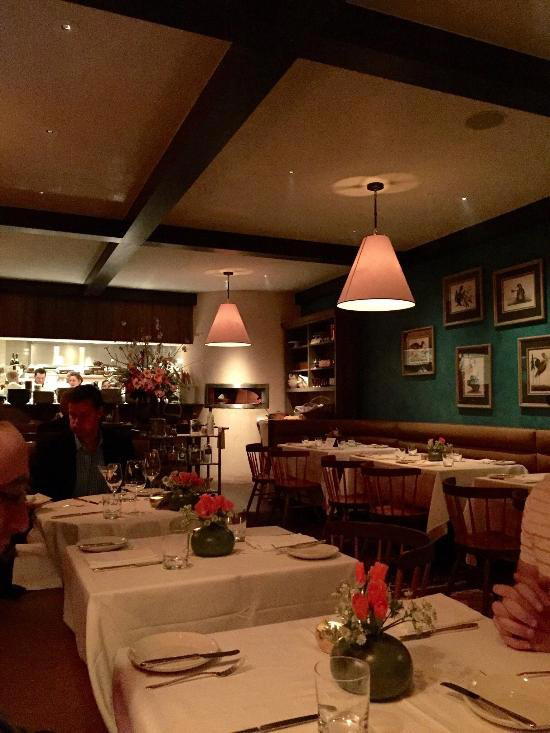
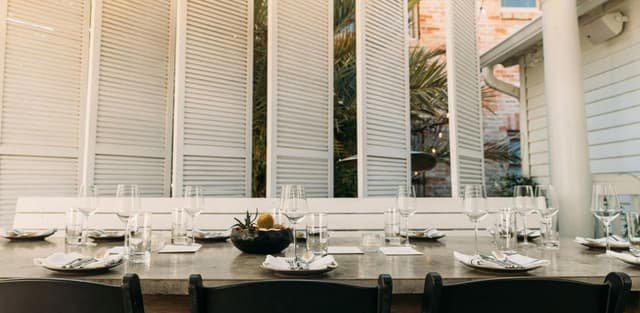
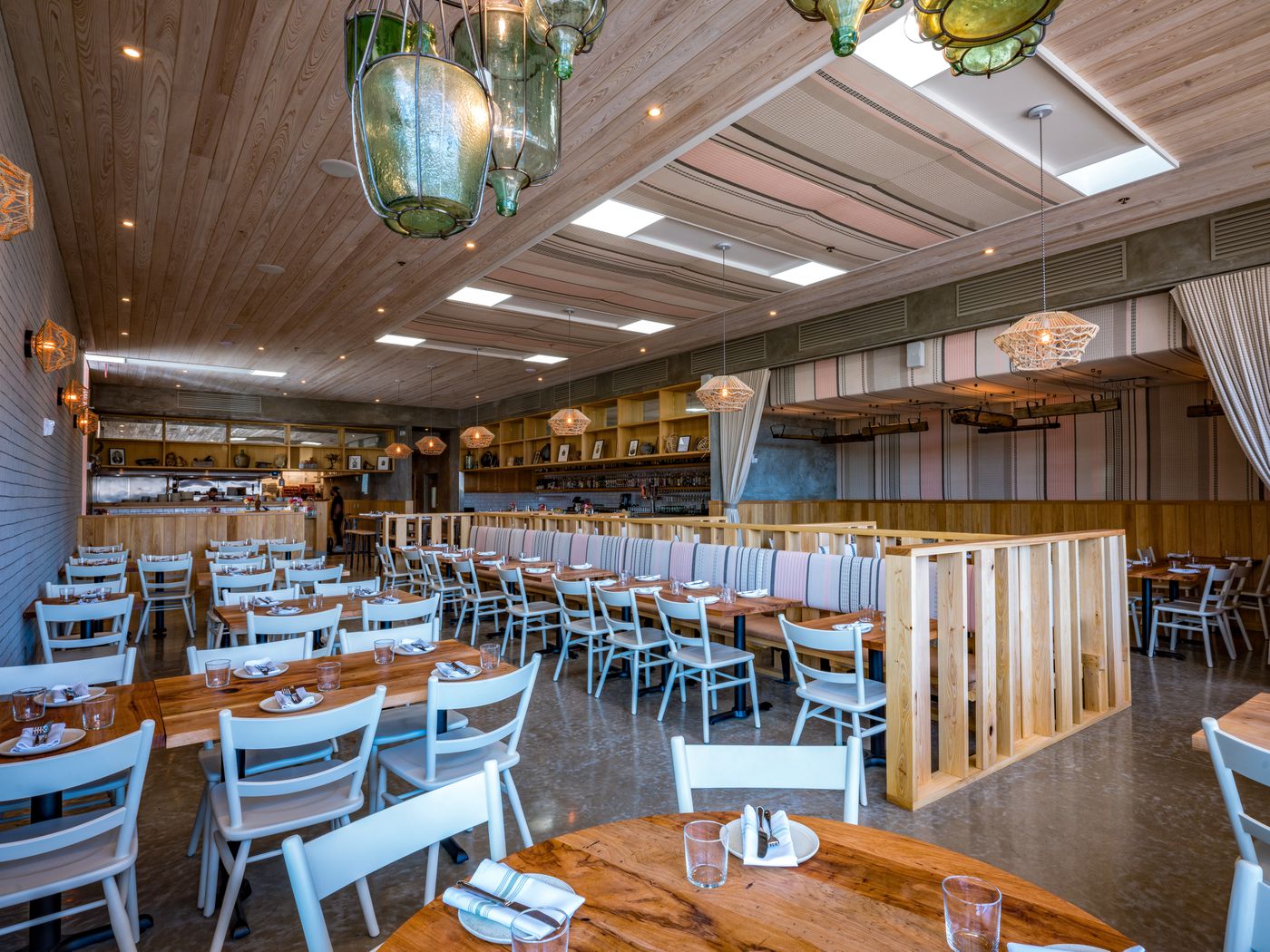
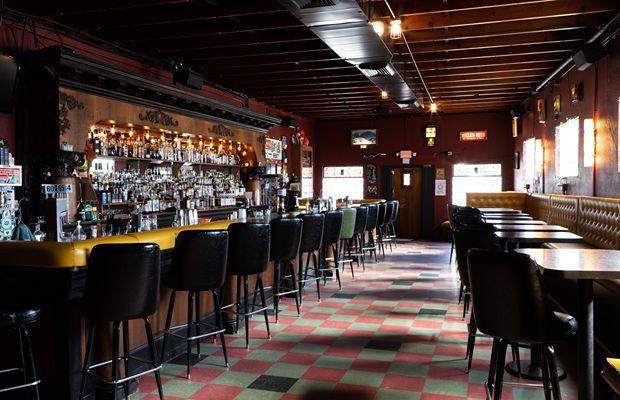
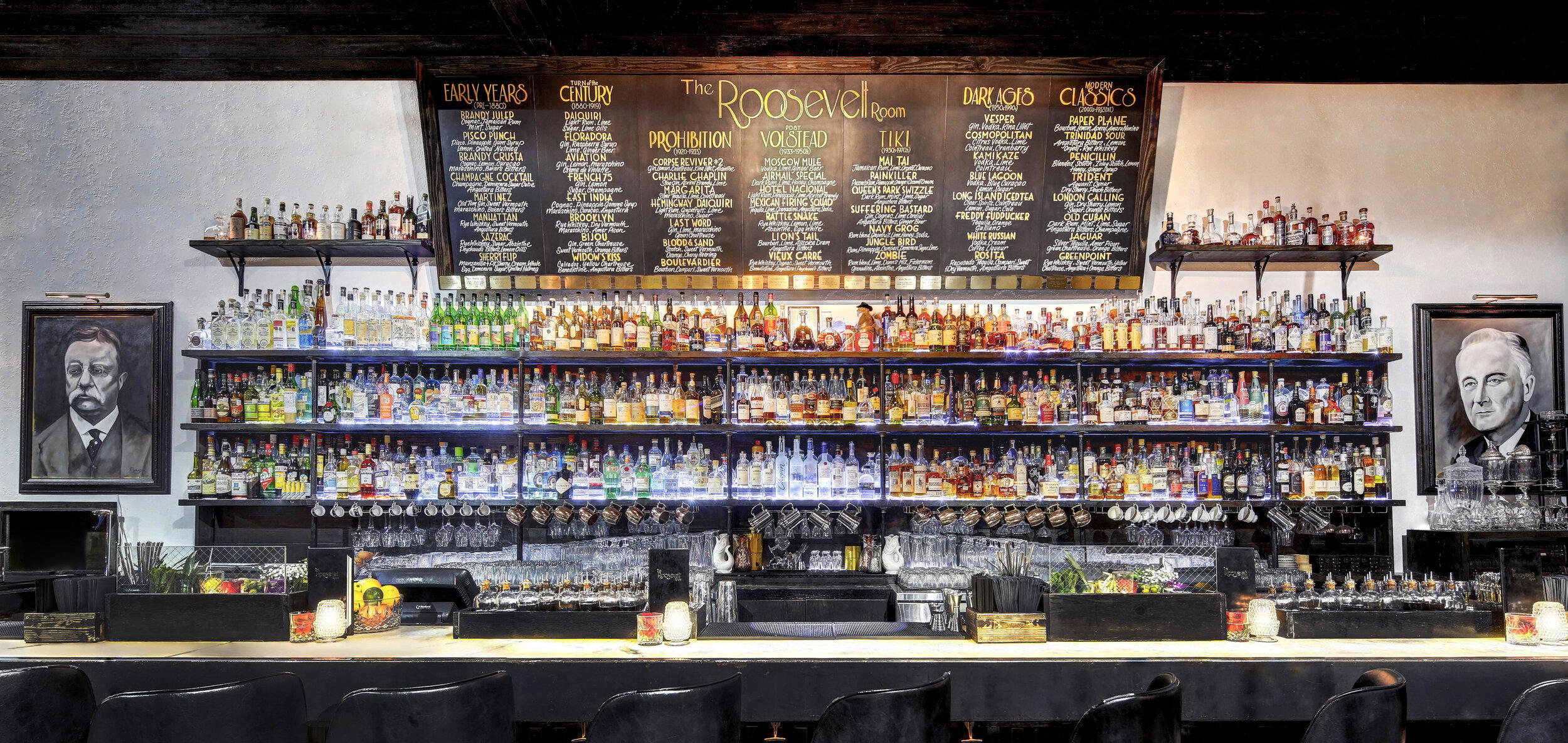
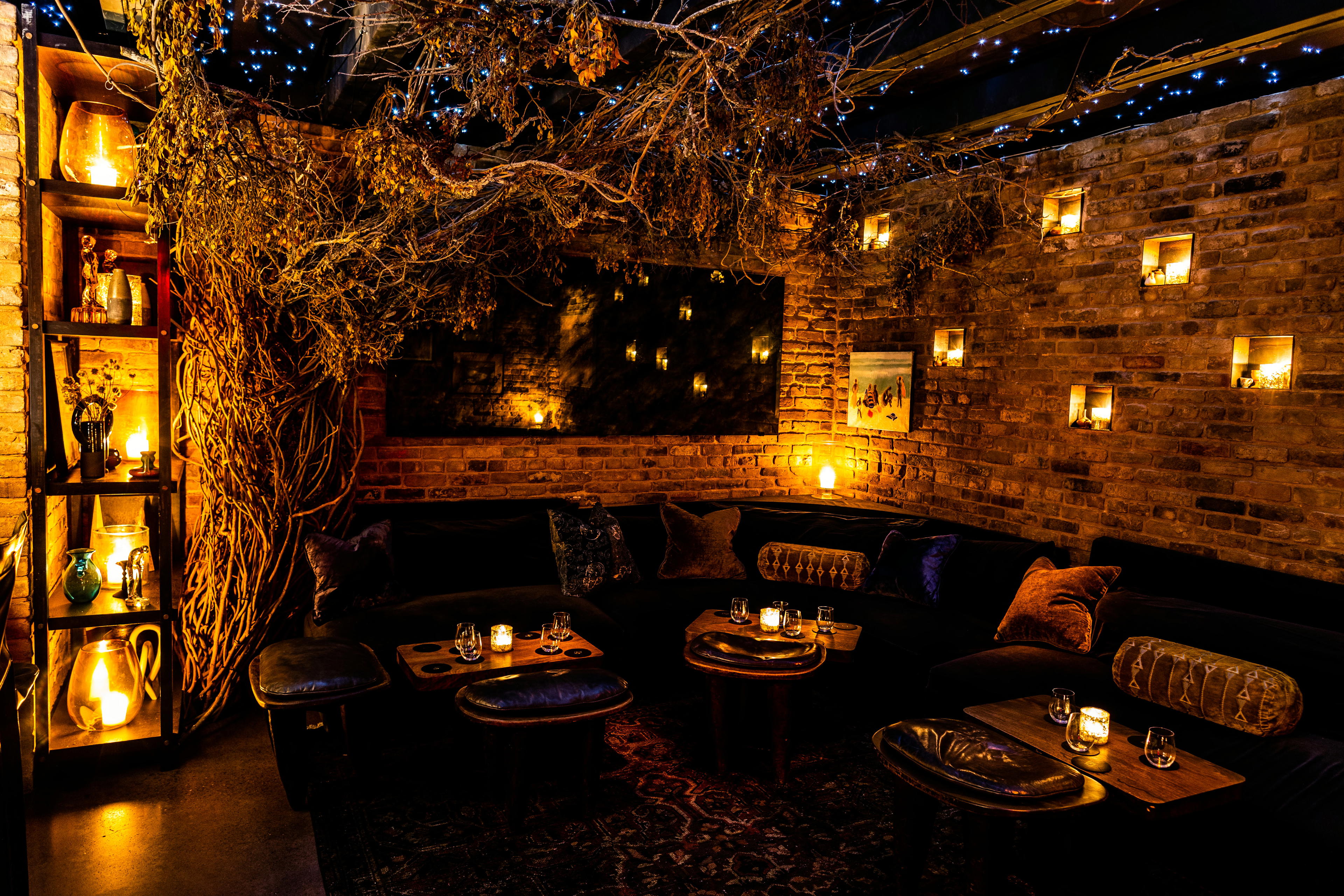
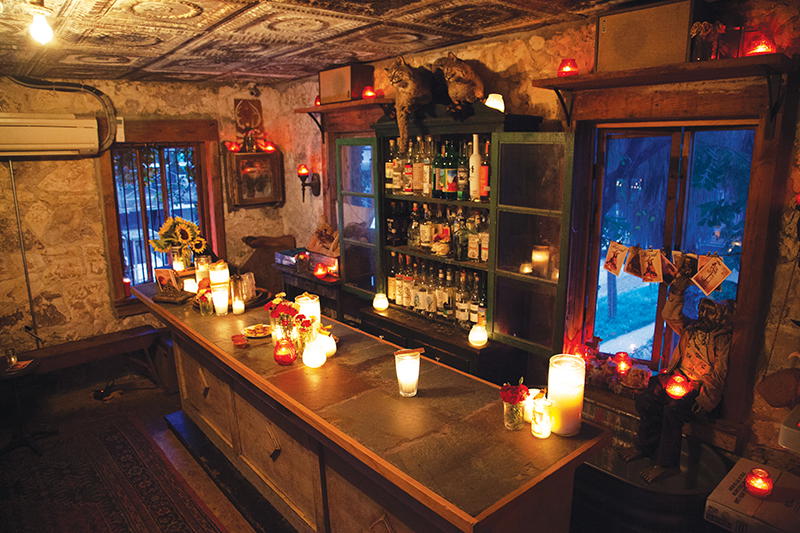
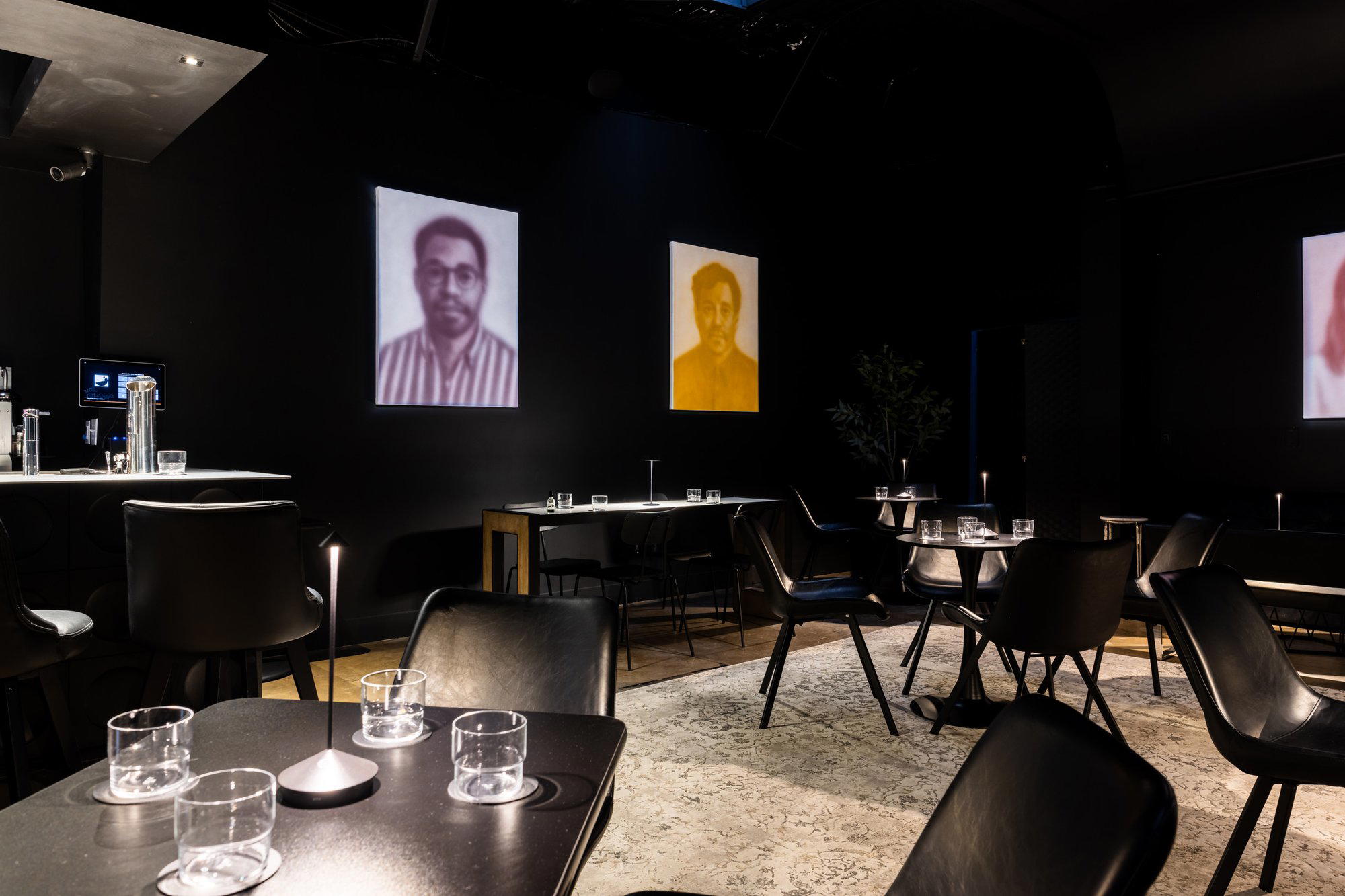
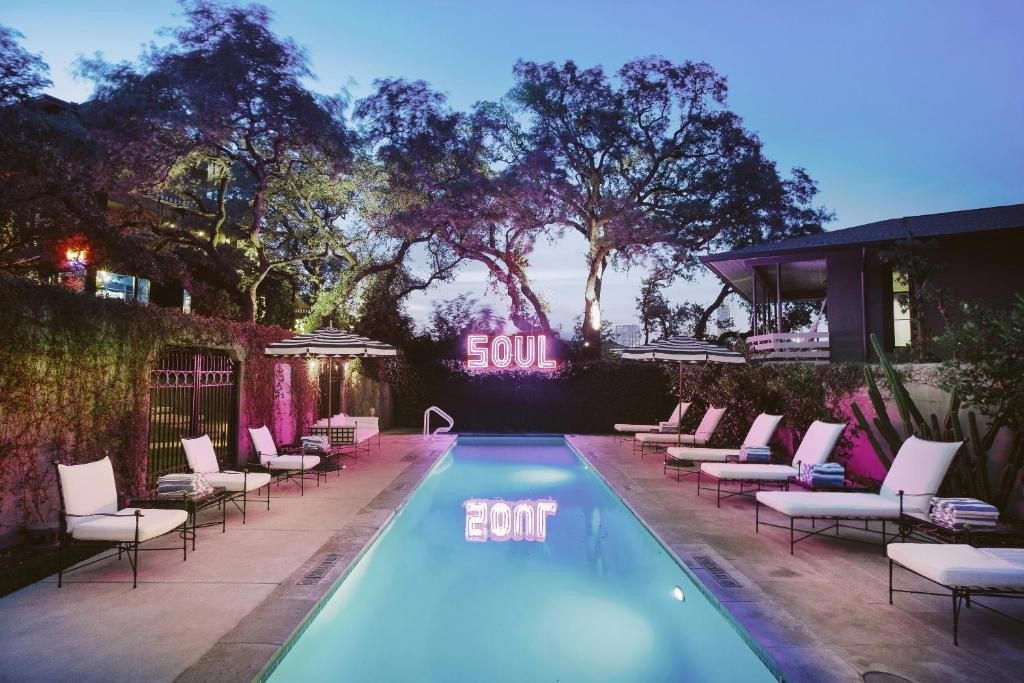
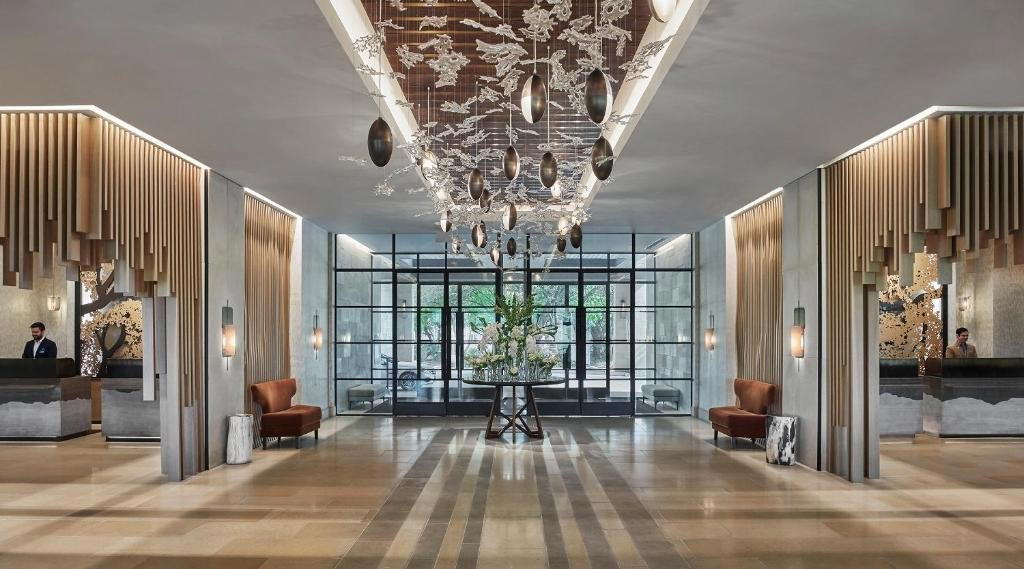
Warm, cozy Victorian-style interior with wooden floors, lush garden patio, and romantic, intimate atmosphere.