Sammie's Italian


Wine Spectator Best of Award of Excellence · OpenTable Top 100 Restaurants
Our verdict
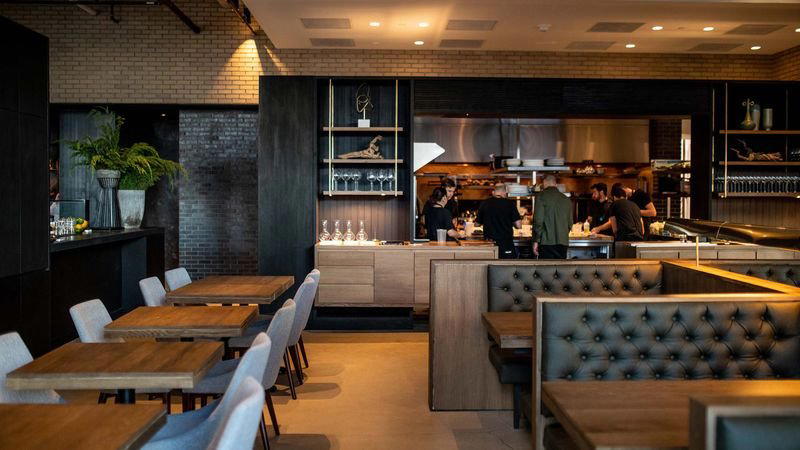
Sammie's Italian plants a red-sauce flag on West 6th Street, drawing on the Italian-American dining tradition that shaped neighborhood restaurants across the American Northeast and Midwest. The menu reads as a deliberate throwback: the kind of food that arrived with immigrant families and stayed because it worked. Named for the matriarch of the Joseph family, it sits in Austin's growing roster of restaurants that trade in comfort and nostalgia rather than innovation.

Pearl is the En Primeur Club membership app, where members save venues, book tables and use the concierge.
The menu
What to order
- Lasagna
- Chicken parm
- Rigatoni bolognese
- Mozzarella sticks
The Red-Sauce Tradition and What It Actually Means
Italian-American cuisine occupies a peculiar position in the American dining conversation. Critics spent decades dismissing it as lesser than its regional Italian sources, then spent the next decade rediscovering it as a legitimate culinary tradition in its own right. The red-sauce joints that defined Italian-American dining from the mid-twentieth century onward drew from southern Italian immigrant kitchens, adapted to American pantries and appetites, and eventually became institutions. Checkered tablecloths, candles in wine bottles, Frank Sinatra on the speakers: these were not affectations but the genuine markers of a working dining culture that fed families across American cities for generations.
That tradition is exactly what Sammie's Italian on West 6th Street is referencing. In a city better known for smoked brisket and the slow fire of the pit, a restaurant that plants its flag in Italian-American nostalgia is making a deliberate choice about where it sits in the dining culture. Austin's food scene has tilted heavily toward the ambitious and the contemporary, represented by restaurants like Hestia and its live-fire New American approach, or Barley Swine at the refined end of local sourcing. Sammie's reads as the counterpoint to that forward movement: a room that asks you to stop chasing the new and eat something that has already proven itself over seventy years.
What the Throwback Format Signals About the Food
The red-sauce canon is more codified than its casual presentation suggests. Dishes like Sunday gravy, baked ziti, chicken parmigiana, and veal marsala follow logics developed in specific regional Italian traditions, then modified through American ingredient substitution and the economics of running a family restaurant in a mid-century American city. The tomato sauces tend toward long-cooked and deeply reduced. The proteins are often breaded and fried before finishing in sauce. Pasta is typically served as a substantial course rather than a delicate first plate. Portions are generous by design, because generosity was always part of the message.
For a restaurant framing itself as a celebration of that tradition, sourcing choices matter more than the throwback aesthetic might initially suggest. The Italian-American kitchen was historically built on pantry staples: San Marzano tomatoes, dried pasta from semolina flour, olive oil, canned anchovies, hard cheeses like Parmigiano-Reggiano and Pecorino Romano. The quality variation between an ordinary red-sauce restaurant and a serious one often comes down to exactly those commodity ingredients. Whether Sammie's engages with that sourcing distinction is a question the menu will answer more directly than the decor.
The broader context matters here: Italian-American restaurants operating in cities without deep Italian-American community histories face a different challenge than their northeastern counterparts. In New York or Boston, a red-sauce restaurant exists in dialogue with decades of neighborhood memory. In Austin, the same format is more curatorial, a conscious assembly of that tradition for a dining public that mostly encountered it elsewhere. Done with care, that can produce something worthwhile. The operations that treat the format as pure costume tend to fall apart quickly when the cooking is scrutinized against the originals. At the level of fine dining, Italian cooking finds its most rigorous expressions at places like 8 1/2 Otto e Mezzo Bombana in Hong Kong, but Sammie's is operating in an entirely different register, one where warmth and familiarity are the primary currencies.
Where It Sits in the Austin Dining Map
West 6th Street in Austin is primarily an entertainment corridor, lined with bars and mid-range restaurants serving a neighborhood that skews younger and transient. It is not where you go looking for serious tasting menus: that category is covered elsewhere in the city by operations like Craft Omakase. The location places Sammie's in a walk-in and drop-by category, a restaurant more likely to fill on a Tuesday night because of its neighborhood position than because of advance booking pressure.
The Italian-American format is well-suited to that positioning. Red-sauce dining has never been primarily about scarcity or exclusivity: it is about accessibility, abundance, and a specific kind of warmth that more formal Italian restaurants rarely achieve. In that respect, Sammie's slots into Austin's dining week differently from the destination restaurants that require planning. It is the kind of place that works for a spontaneous weeknight dinner, a family gathering, or a first date where you want good food without the performance of a tasting menu. Compare it with the far end of the Austin ambition spectrum, where Hestia requires booking well in advance, and the contrast clarifies the category Sammie's occupies.
For context on how Italian-American restaurants have found their footing in major American cities, the comparison set extends beyond Austin. Le Bernardin in New York represents the French fine-dining tradition at its most serious. Emeril's in New Orleans built a regional identity around Louisiana cooking traditions in a way that Italian-American restaurants at their leading do for their own source material. The model of honoring a culinary lineage without pretending to reinvent it is a legitimate approach, and the restaurants that execute it well tend to develop loyal followings over long periods.
The Named Tribute and What It Implies
Naming a restaurant for a family matriarch carries specific implications about intent. It positions the food as inherited rather than invented, as something passed down rather than developed through professional training and experimentation. That framing shifts how a diner should read the menu: not as a chef's creative expression, but as a set of dishes that derive authority from family repetition and accumulated adjustment over time. The Joseph family connection gives Sammie's a story that the red-sauce format already tells through its cooking, a belief that certain recipes do not need improving, only good execution.
For the Austin dining public, which encounters restaurants named for investors and concepts as often as for people, a matriarch tribute carries a different register. It is an assertion of personal history against the background of a food scene that is often more about ambition than memory. Whether that assertion holds up in the cooking is the real question, but the framing is clear and the intent is consistent with what the format historically does at its finest.
For a broader picture of what Austin offers across all dining categories, the full Austin restaurants guide covers the range from barbecue institutions to contemporary fine dining. Those planning a longer stay will also find the Austin hotels guide, Austin bars guide, and Austin experiences guide useful for building out the trip.
Know Before You Go
- Address: 807 W 6th St, Austin, TX 78703
- Cuisine: Italian-American red-sauce tradition
- Neighborhood: West 6th Street corridor, central Austin
- Booking: Contact the restaurant directly; walk-ins likely available given the neighborhood format
- Dress code: Casual; the throwback format does not impose formality
- Leading for: Weeknight dinners, family meals, groups seeking comfort over innovation
Frequently asked questions
Does Sammie's Italian work for a family meal?
The Italian-American red-sauce format that Sammie's is built around was designed for exactly this context. Generous, shareable portions and familiar dishes across a casual, throwback atmosphere on West 6th Street make it a practical choice for groups of varying ages. The restaurant's own description leans into the communal, old-school spirit that defined the original neighborhood joints this format draws from.
Is Sammie's Italian formal or casual?
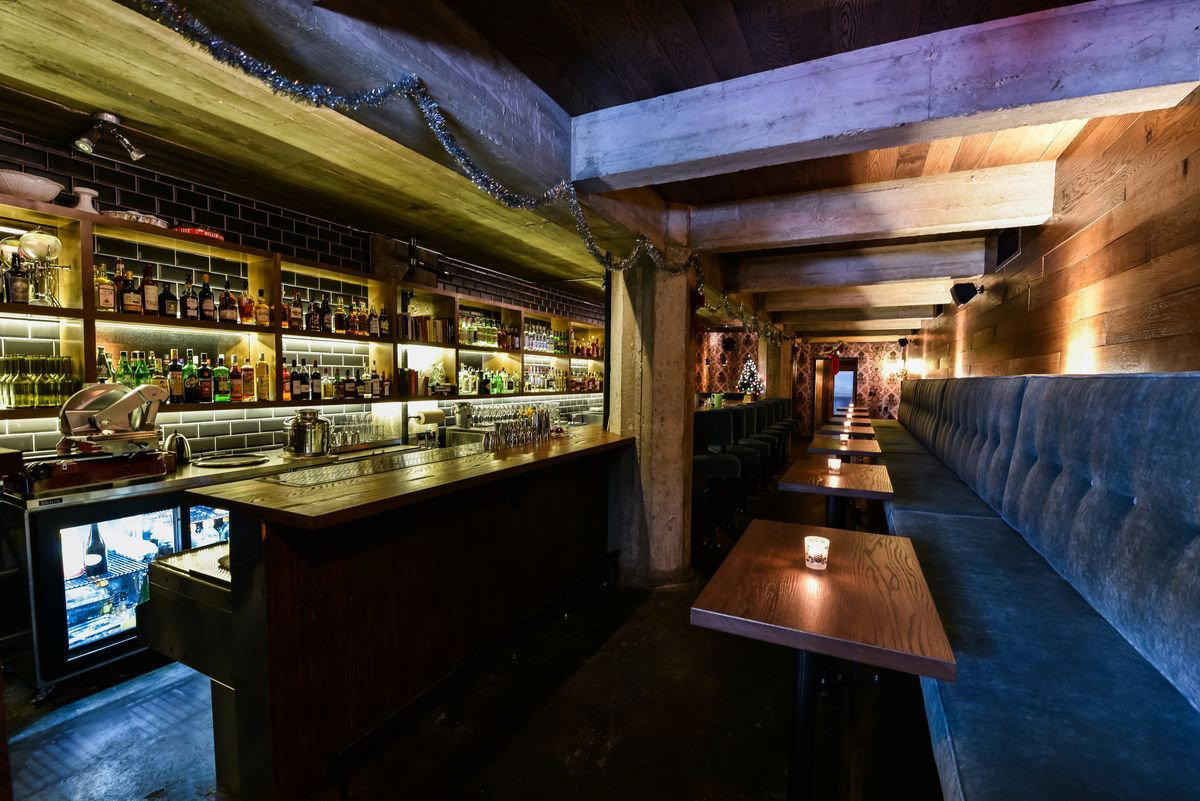
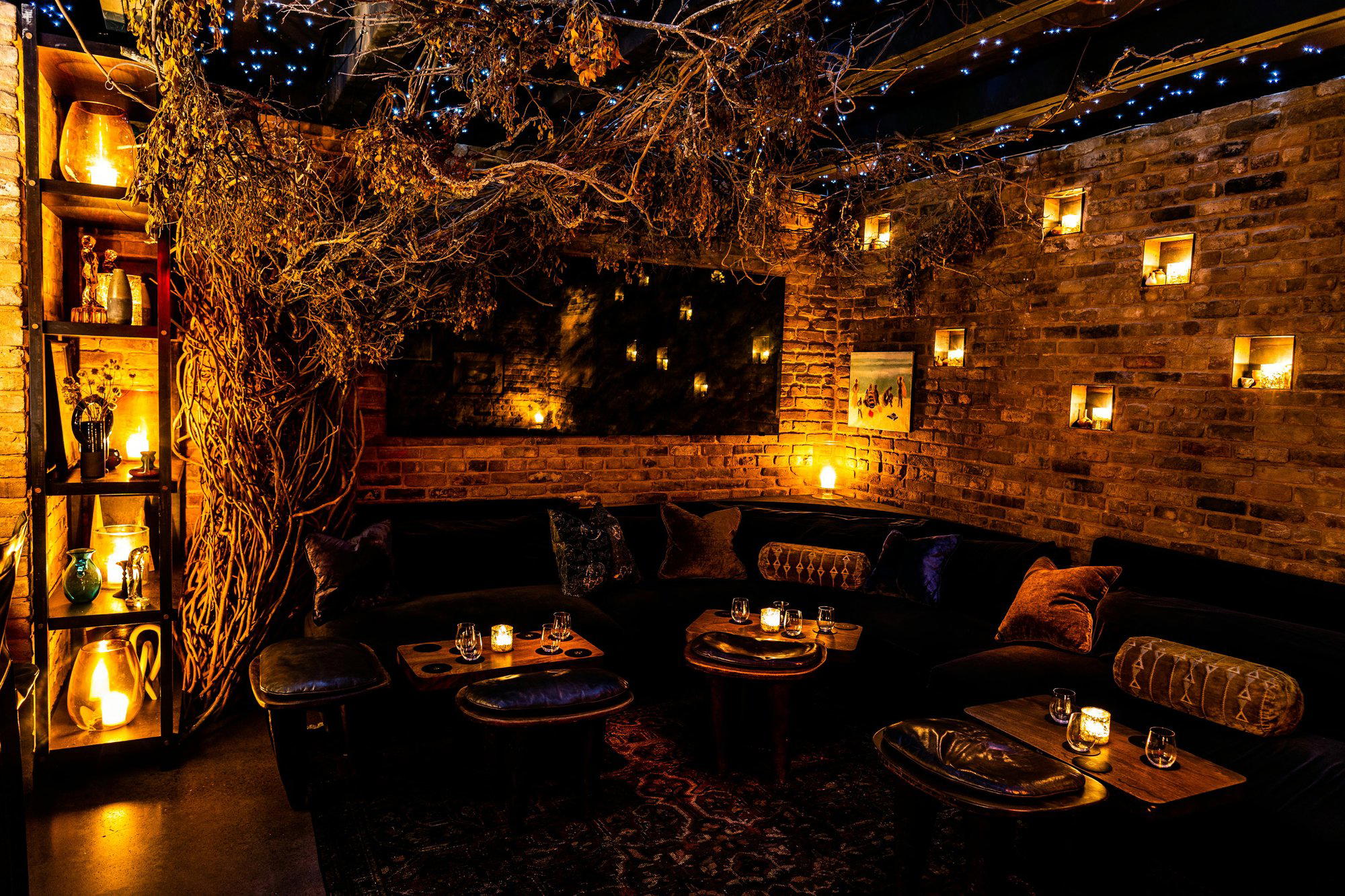
Casual, by deliberate design. Sammie's describes its atmosphere as old-school with a swingin' vibe, which places it squarely in the relaxed, come-as-you-are tradition of classic Italian-American dining rooms rather than anything resembling a white-tablecloth setting. West 6th Street, an entertainment-driven corridor in Austin, reinforces that register.
Does Sammie's Italian have a Michelin star or similar recognition?
Sammie's Italian has received recognition including: Sammie's Italian is a nostalgic take on the 'red sauce' joints of yesteryear, celebrating the great Italian-American institution with a throwback menu of favorites and a swingin' old school vibe. Named for the matriarch of the Joseph Family….
What's the must-try dish at Sammie's Italian?
What Sammie's does confirm is a throwback menu built around the Italian-American red-sauce canon, the tradition that produced Sunday gravy, baked ziti, and chicken parmigiana as its pillars. That framework gives you a reasonable guide to where the kitchen's focus lies.
What's Sammie's Italian's location?
Sammie's Italian is located at 807 W 6th St, Austin, TX 78703, Austin.
What's the best way to book Sammie's Italian?
For a casual red-sauce spot on West 6th Street in Austin, walk-in availability is a reasonable starting point, though weekend evenings on that corridor tend to draw crowds. Checking the restaurant directly at 807 W 6th St, Austin, TX 78703 is the most reliable approach.
How It Stacks Up
| Venue | Cuisine | Price | Awards | Notes |
|---|---|---|---|---|
| Sammie's ItalianThis venue (the venue you are viewing) | Classic Italian-American Red Sauce | $50–100 | Wine Spectator Best of Award of Excellence · OpenTable Top 100 Restaurants | Not listed |
| Barley Swine | Modern American Fine Dining | $100–150 | 1 Michelin Star · James Beard Award Semi Finalist | New American, Contemporary |
| la Barbecue | Texas Barbecue | $50–100 | 1 Michelin Star · James Beard Award Semi Finalist | Barbecue |
| Olamaie | Modern Southern | $100–150 | 1 Michelin Star | Southern |
| Jeffrey's | Modern American Steakhouse | $150–200 | Michelin Plate · Wine Spectator Best of Award of Excellence | French - Steakhouuse, Contemporary |
| Kemuri Tatsu-ya | Japanese-Texas BBQ Izakaya | $50–100 | Michelin Bib Gourmand | Izakaya |
Recognition history
Dated appearances from independent guides and award organizations, with the underlying list record or original source where available.
Wine Spectator Best of Award of Excellence
Wine Spectator
OpenTable Top 100 Restaurants
OpenTable