

Michelin Plate · Macarfi 7.4 Food Rating
Our verdict
Pocavergonya holds a Michelin Plate (2025), placing it among Girona's more considered mid-range options. The kitchen works an à la carte format with daily suggestions that fold local Catalan produce into Asian technique, served partly at a Japanese-inspired counter where the chef finishes dishes tableside. Seasonal ingredients like sea cucumbers and teardrop peas signal when to visit.

Pearl is the En Primeur Club membership app — saves, bookings, and concierge access live there. Same editors, same standards.
The menu
What to order
- Tuna_tartare
- Braised_ox_tail
- Octopus
A Counter in the Old Quarter
Girona's medieval core has developed a dining identity that operates in the long shadow of El Celler de Can Roca, the city's three-Michelin-star anchor and one of the most discussed restaurants in Spain. What that shadow produces, paradoxically, is a mid-tier scene with above-average ambition. Visitors arrive in Girona food-curious, and the restaurants that sit at the €€ price point have learned to reward that curiosity rather than coast on tourist traffic. Pocavergonya, on Plaça Poeta Marquina, is the clearest expression of that dynamic: a room that reads as relaxed bistro on the surface but operates with a seriousness of technique that belongs to a different bracket.
The physical arrangement tells you something before a dish arrives. A Japanese-inspired counter runs through the space, and the chef moves between it and the dining room, completing plates in front of guests rather than behind closed kitchen doors. This format has become a signature of a certain style of European restaurant that borrows Japanese counter culture without committing to omakase pricing or ritual. The effect is transparency: you watch the work, you understand the intention, and the theatre is incidental rather than performed. At the €€ price range, this is a considered choice, not a given.
Where the Cuisine Sits
The fusion category in Spain has a complicated reputation. At the upper end, restaurants like DiverXO in Madrid and Disfrutar in Barcelona have redefined what Spanish-Asian crossover can mean at tasting-menu level, while in the Basque Country, Arzak in San Sebastián has spent decades integrating international reference points into a fundamentally Basque identity. Lower down the price spectrum, the category often collapses into superficial East-meets-West plating with little coherence underneath. Pocavergonya avoids that trap by grounding its Asian influences in a local Catalan core: the daily suggestions rotate with what is available from the region, and the Asian techniques serve as method rather than theme.
Approach places it in a peer group closer to Ajonegro in Logroño than to the tasting-menu fusion houses operating several price brackets above. Within Girona itself, the comparison set differs sharply. Massana and Divinum both carry stronger formal credentials and price accordingly at €€€€ and €€€ respectively. Cipresaia and Nexe operate in the contemporary register but without Pocavergonya's specific fusion angle. The Michelin Plate recognition in both 2024 and 2025 places it in Michelin's acknowledged tier below starred restaurants, a designation that signals consistent quality without the prestige pricing of a star. At €€, consecutive Plates represent good value positioning against the city's broader offer.
Sensory Anchors: What the Room Communicates
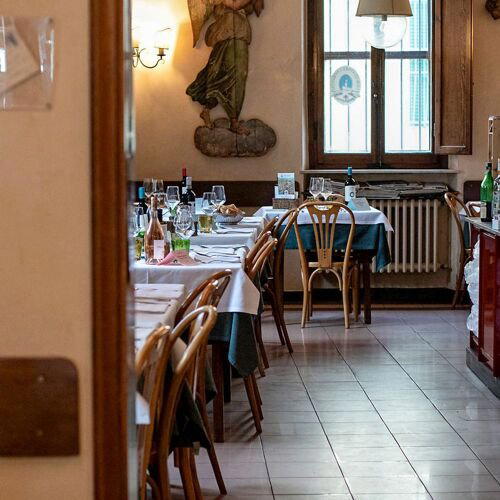
Restaurant's name, roughly translated, carries an irreverent edge, and the dining room reflects that register: this is not a temple experience. The atmosphere is engaged rather than hushed. Conversations carry across the room. The counter format means there is visible movement and sound from the kitchen side, and the practice of tableside finishing adds an element of proximity to the cooking that changes how you read each plate. You are close enough to observe the temperature of a dish, the precision of a final seasoning, the texture of something applied at the last moment.
For a city that draws serious food travellers, Pocavergonya functions as a place where the experience is participatory without being demanding. The venue's own framing describes it as keen to include diners in the creative process, and the counter-plus-tableside format operationalises that intention in a way that feels considered rather than performative.
What to Order and When to Visit
The à la carte format gives the kitchen flexibility that a fixed tasting menu cannot, and the daily suggestions are where the seasonal logic becomes visible. Sea cucumbers and teardrop peas are specifically flagged as worth ordering when in season, which points toward spring and early summer as a period when the menu reflects local produce at its most expressive. Catalan teardrop peas (known locally as pèsols de llàgrima) have a short window and appear on serious menus across the region during that period; their presence on a daily suggestion list is a signal about sourcing rather than a menu decoration.
The inclusion of sea cucumbers, a less common ingredient on Spanish menus at this price tier, signals the Asian influence operating at an ingredient level rather than just at the level of sauce or technique. In restaurants working across Japanese and local Catalan reference points, like Arkestra in Istanbul, which navigates a similar East-meets-local fusion discipline, the coherence between the two influences is what separates a serious program from a theme exercise. The ingredient choice here suggests the same intent.
Planning a Visit
Pocavergonya sits at Plaça Poeta Marquina, 1, in the 17002 postal zone, within walking distance of Girona's old town core. The city is accessible by high-speed train from Barcelona in around 37 minutes, which makes it a realistic day trip destination, though the concentration of dining options rewards an overnight stay. The €€ price positioning means a meal here fits naturally into a broader Girona itinerary without the advance planning required for the city's starred establishments, though given the 4.6 rating and the relatively small format implied by the counter arrangement, booking ahead remains advisable.
For broader orientation in the city, see our full Girona restaurants guide, which covers the complete spectrum from El Celler de Can Roca down to neighbourhood staples. If you are extending the trip, our Girona hotels guide, bars guide, wineries guide, and experiences guide cover the wider picture. Elsewhere in Spain, the fusion register appears at different price points and formats at Aponiente in El Puerto de Santa María, Quique Dacosta in Dénia, and Azurmendi in Larrabetzu, each useful reference points for understanding where Pocavergonya sits in the national conversation about technique and terroir.
Frequently asked questions
Is Pocavergonya good for families?
The à la carte format works in favour of mixed groups, as it lets each diner order independently rather than committing to a fixed tasting menu. The dining room carries an irreverent, relaxed register rather than a formal one, which eases the pressure for families with older children. The Michelin Plate recognition signals kitchen seriousness without the ceremony that often accompanies starred venues.
What should I expect atmosphere-wise at Pocavergonya?
The room is shaped around a Japanese-inspired counter where the chef works in view of the dining room, occasionally stepping out to finish dishes tableside. The name itself carries a playful, irreverent edge, and the space follows suit — this is not a white-tablecloth temple. Expect an engaged, participatory format where the kitchen's creative process is part of what you're watching.
What distinctions does Pocavergonya have?
Pocavergonya has received recognition including: A contemporary restaurant that is keen to include diners in the entire creative process. The cuisine on offer here is centred around à la carte dining that occasionally surprises, and features enticing daily suggestions that combine local t….
What do people recommend at Pocavergonya?
The venue's own guidance points directly to the sea cucumbers and teardrop peas, both listed as seasonal dishes worth ordering when available. Beyond those, the daily suggestions are where the kitchen's local-meets-Asian logic is most legible, sitting alongside the core à la carte menu. The Michelin Plate listings for 2024 and 2025 confirm the kitchen's consistency across both formats.
Side-by-Side Snapshot
A quick peer list to put this venue’s basics in context.
| Venue | Cuisine | Price | Awards | Notes |
|---|---|---|---|---|
| PocavergonyaThis venue — the venue you are viewing | Japanese-Mediterranean Fusion Bistro | Not listed | Michelin Plate · Macarfi 7.4 Food Rating | Not listed |
| El Celler de Can Roca | Creative Catalan Fine Dining | $300–500 | 3 Michelin Stars · World's 50 Best #2 | Progressive Spanish, Creative |
| Massana | Modern Catalan Fine Dining | $100–150 | 1 Michelin Star · Macarfi 7.8 Food Rating | Modern Spanish, Modern Cuisine |
| Divinum | Modern Catalan Fine Dining | $100–150 | 1 Michelin Star · Guía Repsol 1 Sol | Modern Cuisine |
| Rocambolesc | Creative Ice Cream & Sweets | $1–10 | Macarfi 6.5 Food Rating | Gelato |
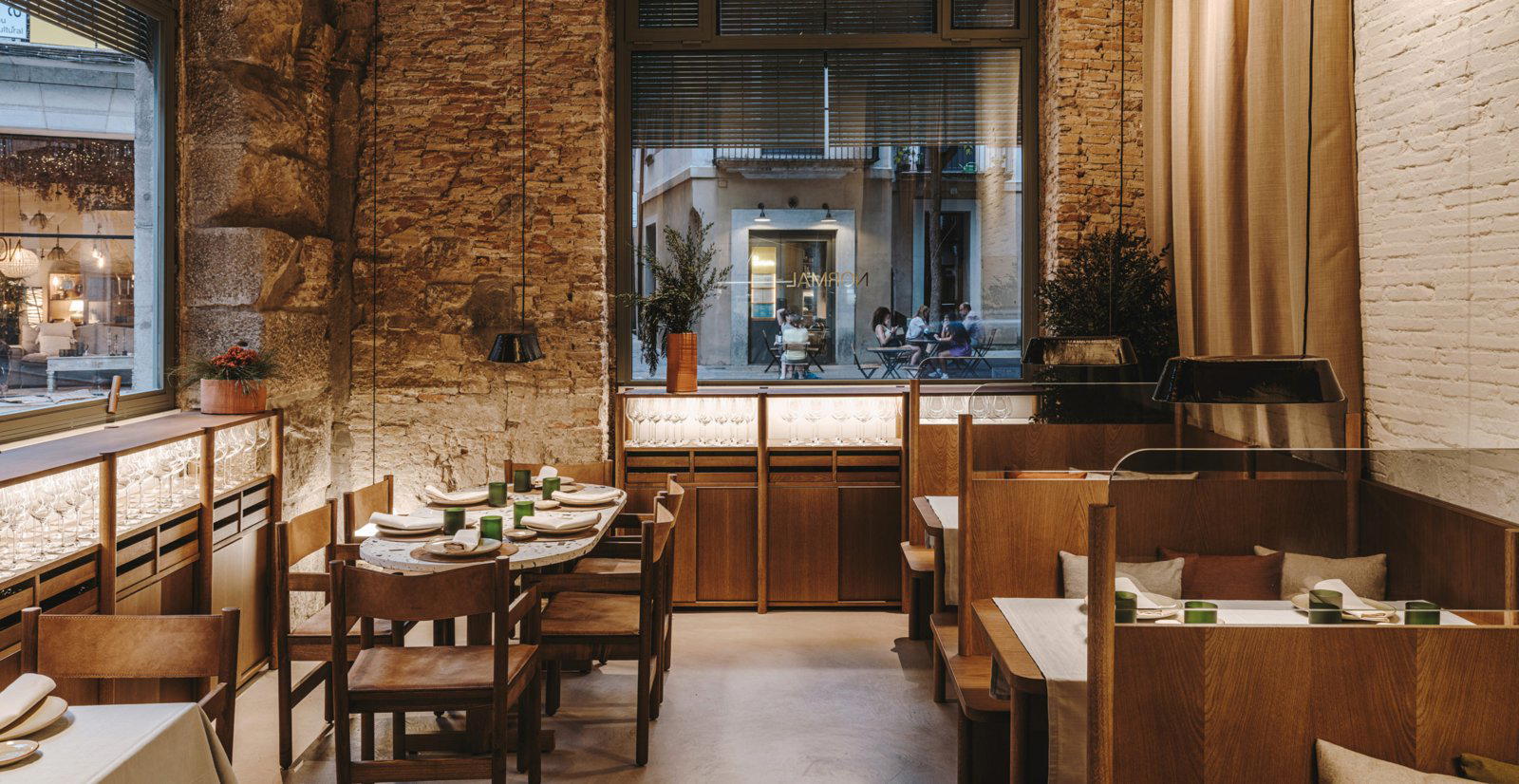
| Normal | Modern Catalan | $30–50 | Michelin Plate · Guía Repsol 1 Sol | Traditional Cuisine |
Recognition history
Dated appearances from independent guides and award organizations, with the underlying list record or original source where available.
Michelin Plate
Michelin
Macarfi 7.4 Food Rating
Macarfi
Full recognition history (4 entries)
Michelin Plate
Michelin
Michelin Plate
Michelin
Continue exploring
More in Girona
Restaurants in Girona
All restaurants in Girona →
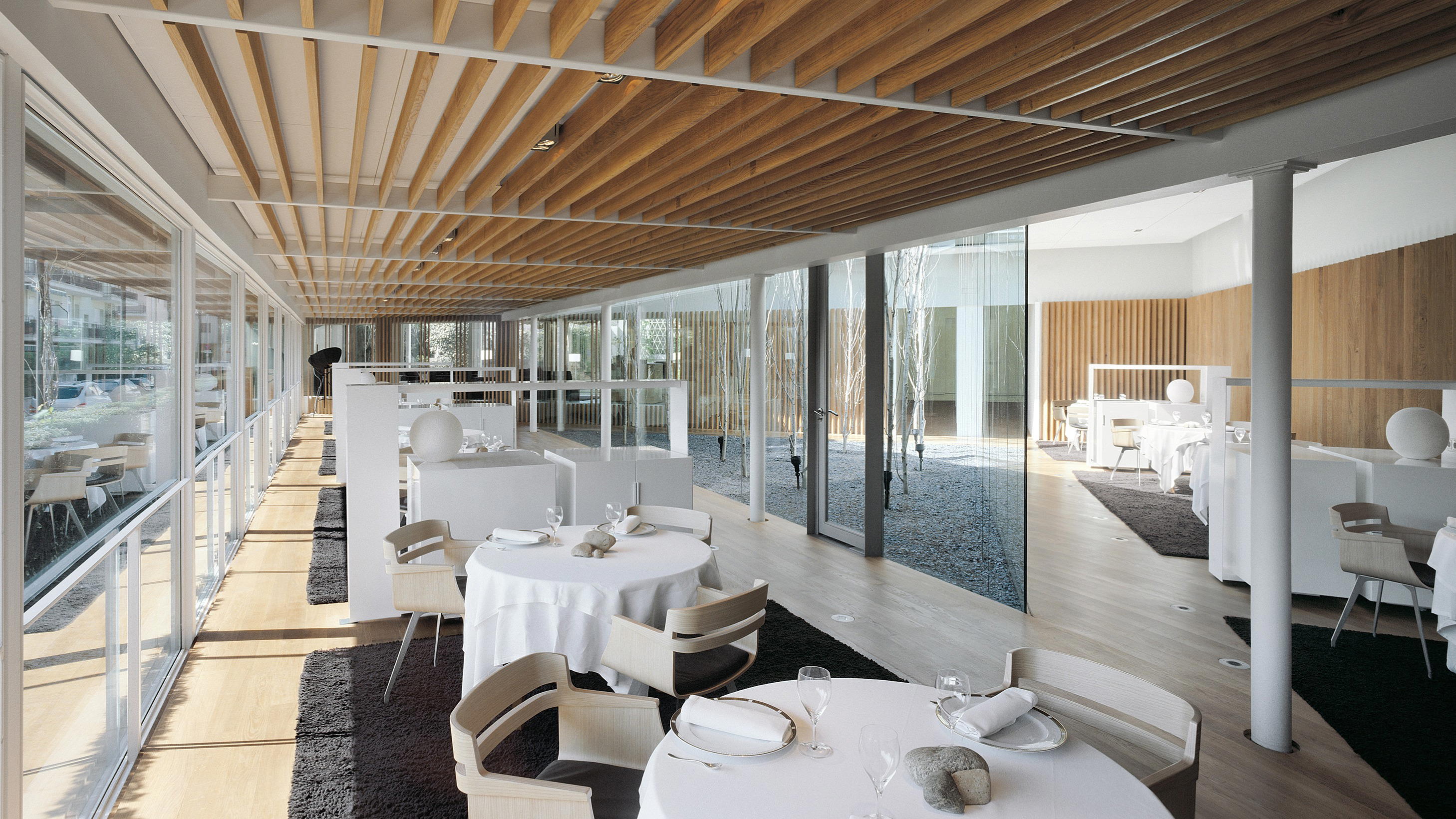
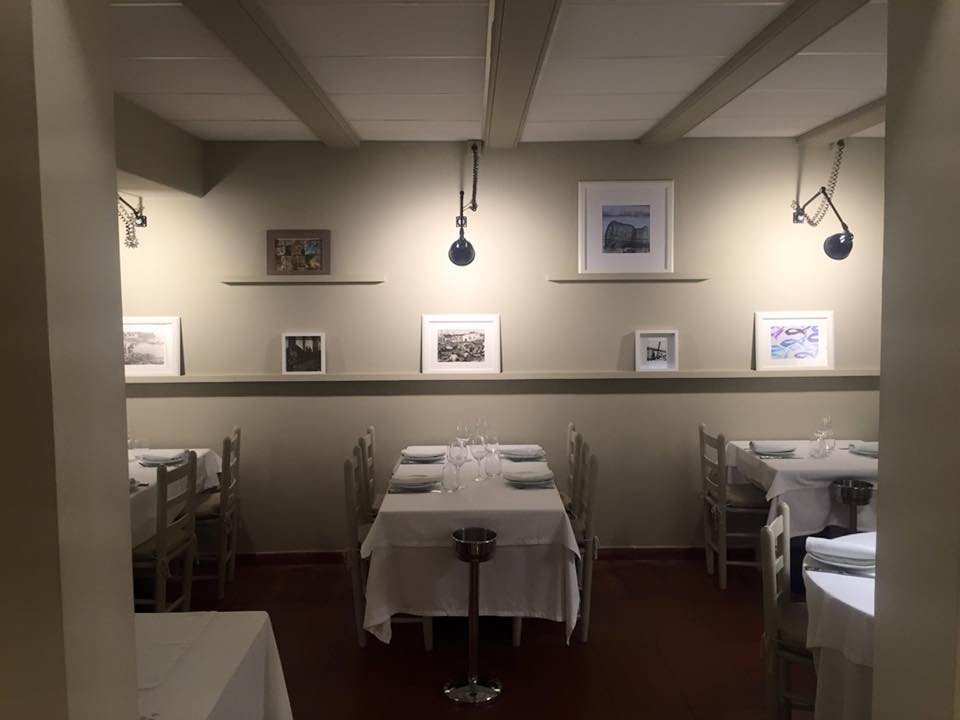
Bars in Girona
All bars in Girona →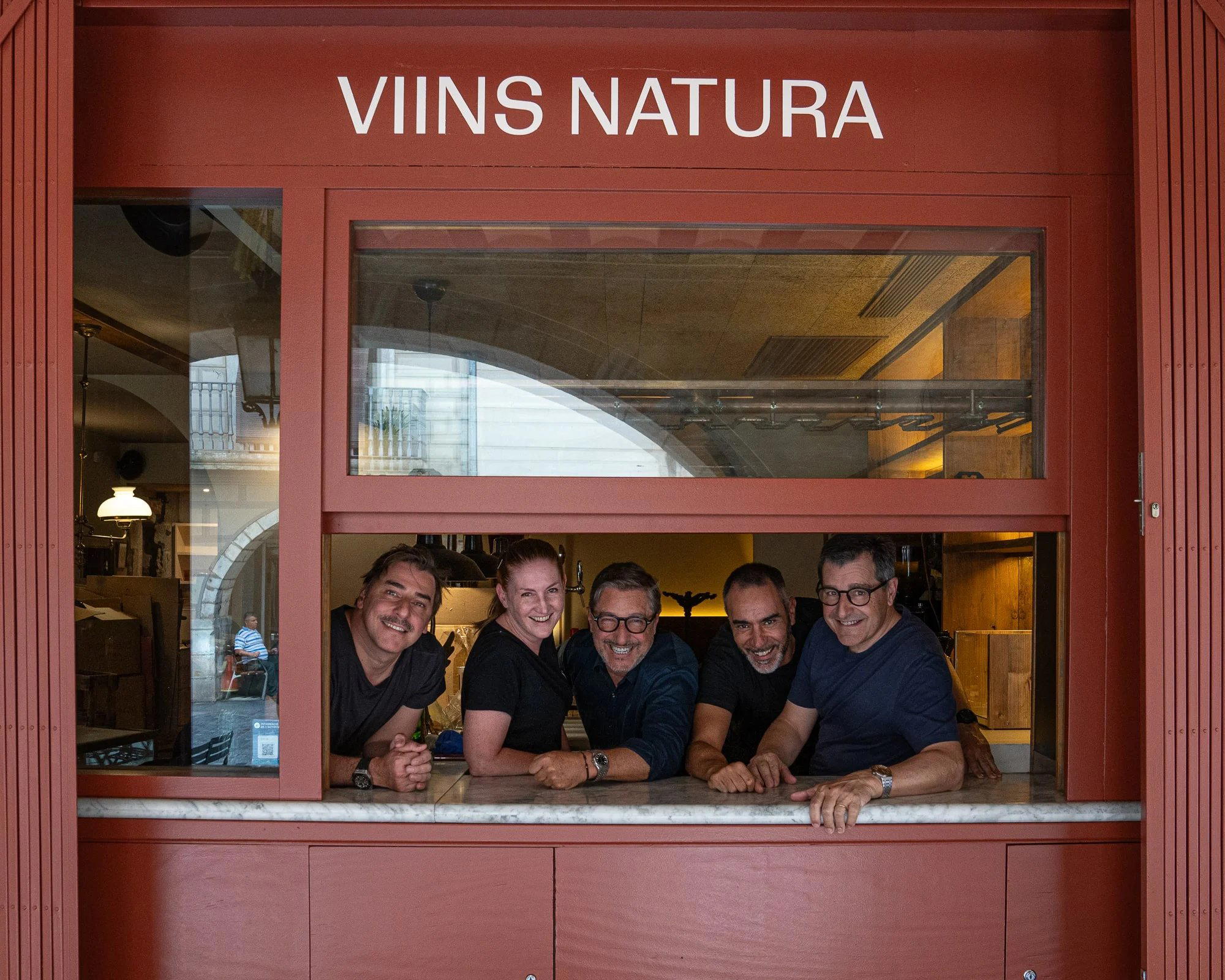
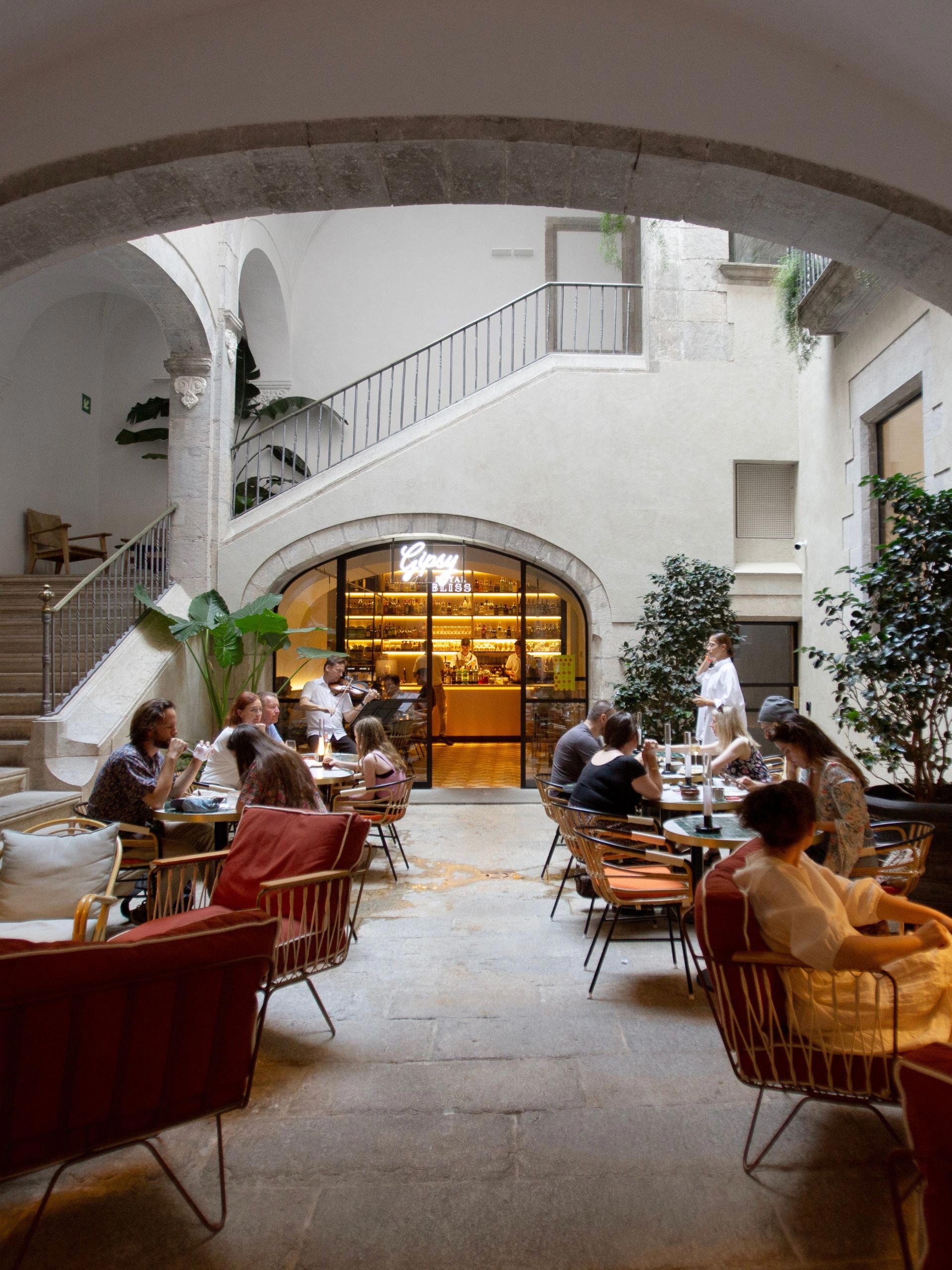

Details
- Cozy
- Intimate
- Modern
- Date Night
- Special Occasion
- Open Kitchen
- A La Carte
- Small Plates
Current opening hours
- Monday
- Closed
- Tuesday
- 1:15–3:30 PM, 8:15–10:15 PM
- Wednesday
- 1:15–3:30 PM, 8:15–10:15 PM
- Thursday
- 1:15–3:30 PM, 8:15–10:15 PM
- Friday
- 1:15–3:30 PM, 8:15–10:15 PM
- Saturday
- 1:15–3:30 PM, 8:15–10:15 PM
- Sunday
- Closed
Hours can change for holidays and private events. Last verified .
Cozy and intimate atmosphere with relaxed lighting, allowing guests to watch the chef's creative process at the counter.