

Six tables, two chefs, and a menu that scales from six to twelve courses: Terram operates on Carrer de Santa Llúcia in Girona's quieter residential edge, running an entirely chef-led service rooted in local producer relationships. Plant-based adaptations are handled without hesitation, and the format, from recycled scaffolding-board tables to shared cutlery rests made from reclaimed kitchen tiles, reflects a consistent set of material choices rather than a decorative gesture.
Pearl is the En Primeur Club membership app — saves, bookings, and concierge access live there. Same editors, same standards.
- Address
- Carrer de Santa Llúcia, 2, 17007 Girona, Spain
- Phone
- +34 872 02 68 65
- Website
- terramrestaurant.cat
- Directions
- Get directions
 Saves & bookings on Pearl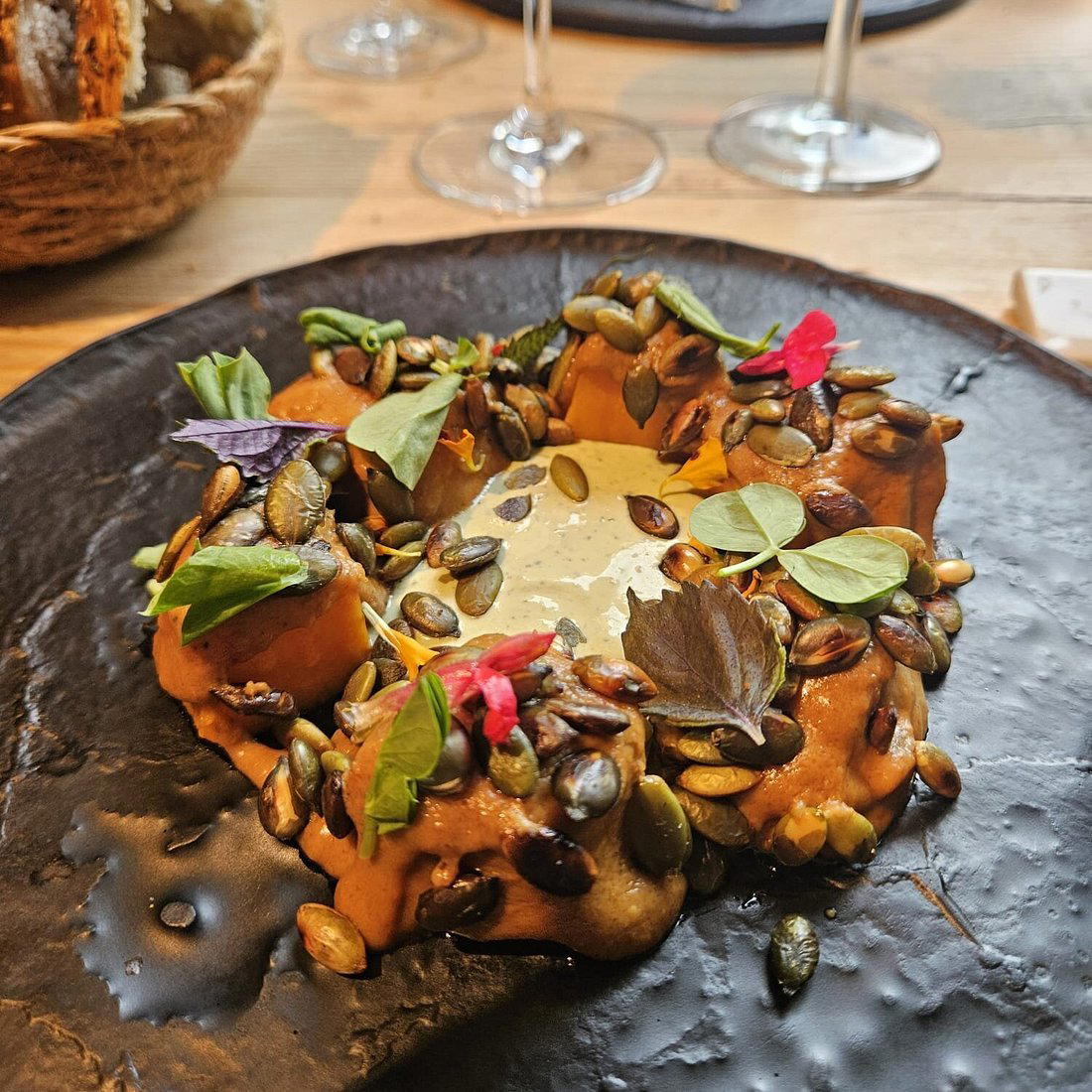
A Quiet Street and What It Signals
Terram is a restaurant in Girona serving Modern Catalan Mediterranean cooking at a smart-casual, reservation-recommended address. That gravity has created a secondary effect: smaller, more personal restaurants operating in the city's less-trafficked quarters, running on producer relationships and format discipline rather than ceremony or scale. Terram sits on Carrer de Santa Llúcia, a calm street in the older part of the city, and its six-table room makes the restaurant's operating logic clear before you've looked at a menu. This is not a large-format tasting room built for volume. It runs on compression: two chefs, a small dining room, and a format where the kitchen controls nearly every variable.
That model has precedent in Spain's broader evolution toward stripped-back, chef-driven dining. Where places like Azurmendi in Larrabetzu or Arzak in San Sebastián represent full-scale tasting institutions with deep brigade support, a different tier has emerged: smaller operations where the chef is also the host, the sourcing relationship is direct, and the menu reflects what the local growing season actually produces rather than what a large kitchen can render at scale.
Producer-Rooted Cooking in Catalonia
Catalan cuisine has long maintained a closer relationship with its agricultural hinterland than Spain's more urbanised food cultures. The Costa Brava interior, the Empordà plains, and the markets of Girona itself supply an ingredient base that serious kitchens here have always had access to, but the way that access is used varies considerably. At one end, Massana and Divinum operate modern menus with strong regional grounding at the upper price tier. At the other end, Cipresaia holds to a more traditional register. Terram positions itself differently: the sourcing is direct and named, the format is tasting-menu-only, and the relationship with local producers is treated as a structural feature rather than a marketing footnote.
The bread served at Terram is a case in point. It comes from an artisanal baker using local wheat from the Santa Cristina d'Aro area, a specific sourcing decision that connects the restaurant to a named place and a named supply chain. This kind of specificity, common in Catalonia's better kitchens, is part of what separates producer-rooted cooking from restaurants that simply list regional provenance on the menu without the underlying relationships to support it.
The Format: Six, Nine, or Twelve Courses
Terram offers three menu lengths: six, nine, or twelve courses. The choice is made at the time of reservation, which means the kitchen knows before service what it is cooking for each table. At nine courses, the portions are described as full-grown plates rather than tasting-menu snacks, a distinction that matters when evaluating value against the city's other multi-course options. The flavours are reported as bold and clear in signature, which in practice means the kitchen is not hedging toward crowd-pleasingness but cooking toward a specific, defined point of view.
The plant-based request, confirmed as accommodatable without hesitation at the reservation stage, reflects either a genuinely flexible kitchen or a menu built with sufficient vegetable-forward logic that the adjustment is not structurally disruptive. Given the sourcing context, the latter seems more probable. Seasonal vegetable cooking in Catalonia draws on a tradition that pre-dates the contemporary plant-based movement, rooted in the region's historical use of legumes, wild herbs, and market produce as primary rather than supporting ingredients.
Across Spain's most serious tasting-format kitchens, from Aponiente in El Puerto de Santa María to Cocina Hermanos Torres in Barcelona, the ability to pivot on dietary requirements without a drop in quality has become a baseline expectation rather than a selling point. Terram appears to operate at that standard at a fraction of the price and with considerably fewer covers per service.
Material Choices as Editorial Decisions
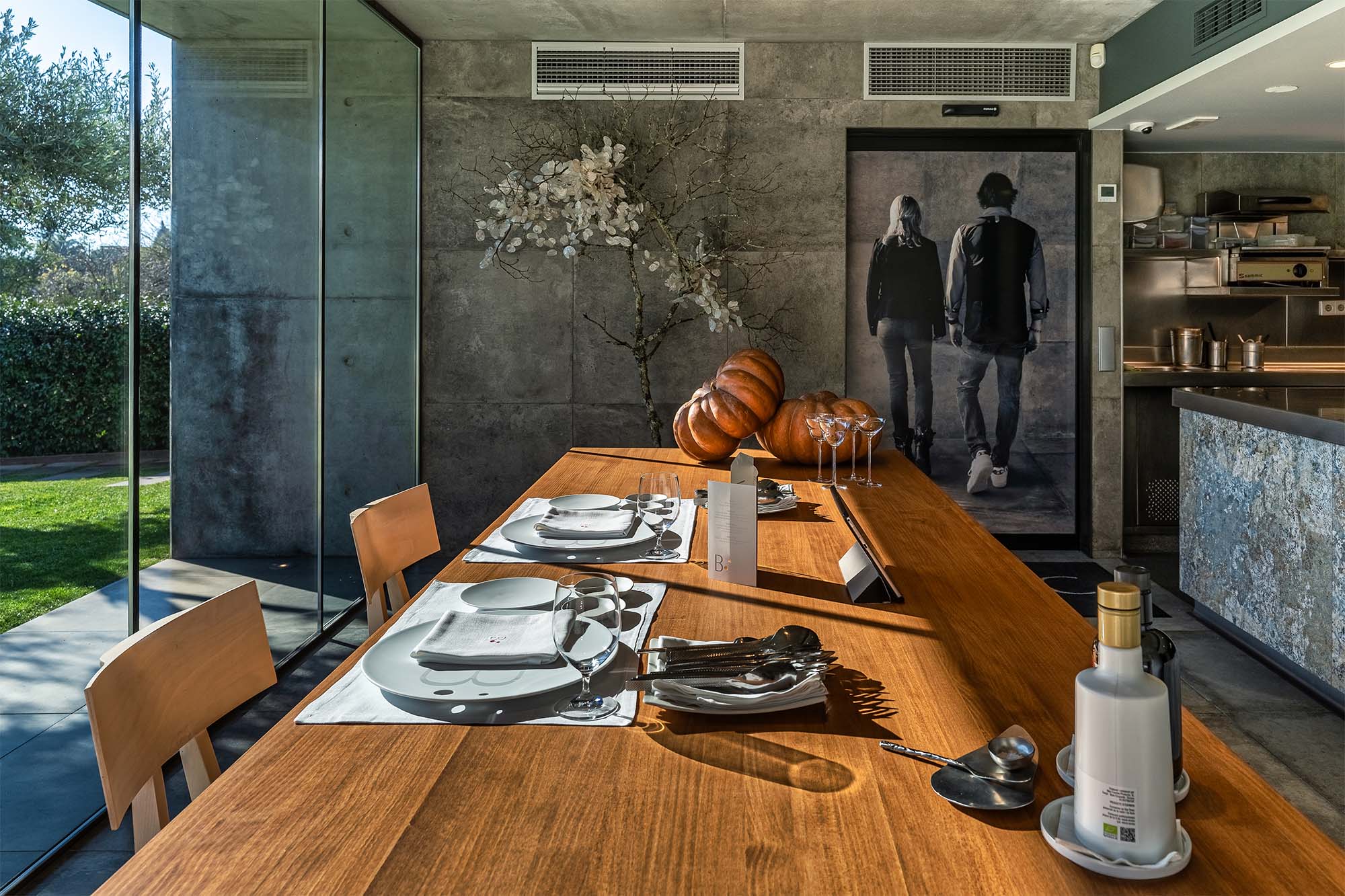
The tables at Terram are made from recycled scaffolding boards. The rests for knives and forks are half-tiles reclaimed from the kitchen. These are not incidental design features; they reflect a specific decision to treat material sourcing across the entire operation, not just the plate, as part of the restaurant's identity. The tile rests also serve a practical function: they allow cutlery to be placed between courses without being replaced, reducing the volume of washing and the use of energy and water across a service.
In the context of Girona's dining scene, which includes a broad spread of restaurants from the casual neighbourhood register of BionBo to the full technical apparatus of El Celler, Terram occupies a position where the physical room and the cooking share a consistent set of values. That coherence is rarer than it sounds. Many restaurants with sustainability-oriented menus operate out of conventional dining rooms with standard linen and glassware. The decision to extend the material logic through the furniture and service tools is an editorial position, not a budget constraint.
Service and Atmosphere
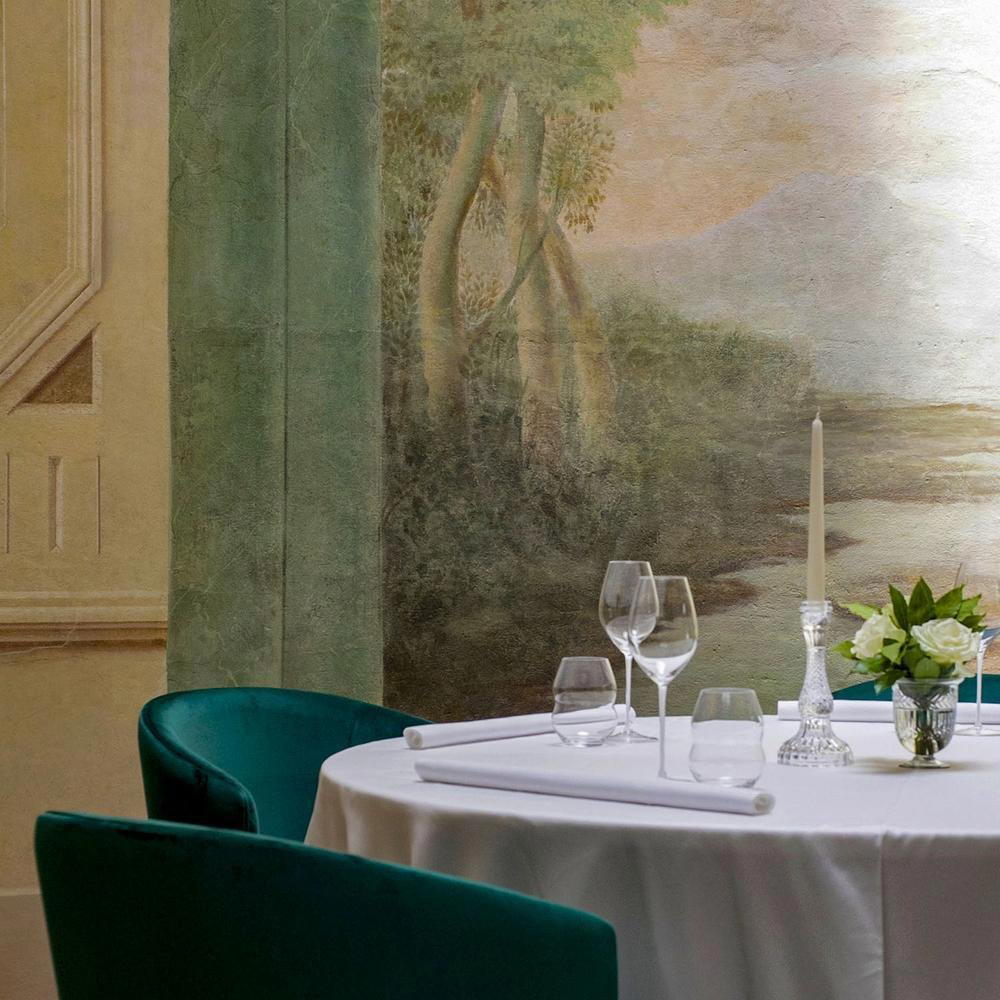
With two chefs running six tables, the service at Terram is chef-led at the table. The chef explains dishes directly, which in small-format restaurants typically produces either a lecture or a conversation, depending on the kitchen's temperament. The accounts from the room suggest the latter: the service is described as personal rather than formal, and the room itself as quiet. For diners accustomed to the ambient noise and pacing of larger tasting rooms, that quietness is worth noting as a feature of the experience rather than an absence.
This positions Terram in a different register from Girona's mid-size modern restaurants, where a more conventional front-of-house structure creates a clearer separation between kitchen and dining room. The two-person operation compresses that separation significantly, which either appeals to a diner or does not. If the theatre of a large brigade or a dedicated sommelier program is part of what you want from a tasting menu, Terram is not structured to provide it. If direct contact with the people cooking your food is part of what you value, the format is coherent.
Planning a Visit
Terram is located at Carrer de Santa Llúcia, 2, in the 17007 postcode of Girona. The restaurant runs six tables and is operated by two chefs, which means covers per service are strictly limited. Booking in advance is advisable, particularly during the spring and summer season when Girona draws visitors from across Europe and the broader tourism pressure on the city's serious restaurants increases. The menu length is confirmed at reservation, so it is worth deciding between the six-, nine-, or twelve-course format before booking rather than on arrival. Dietary requirements, including a fully plant-based menu, are accommodated with advance notice at the reservation stage.
Pricing, Compared
Comparable venues nearby, for context on price, style, and recognition.
| Venue | Cuisine | Price | Awards | Notes |
|---|---|---|---|---|
| TerramThis venue — the venue you are viewing | Not listed | $$$$ | Not listed | Not listed |
| SiNoFos | Eixample, Modern Mediterranean Fusion | $$$ | Michelin Plate | Not listed |
| BionBo | Not listed | $$$ | Not listed | Old Town Girona, Modern Mediterranean Prebiotic Tasting Menu |
| La força vella | Força Vella, Spanish Tapas | $ | Not listed | Not listed |
| Rocambolesc | Old Town, Creative Ice Cream & Sweets | $$ | Not listed | Not listed |
| Nexe | Not listed | $$$ | Michelin Plate | Barri Vell, Modern Catalan with Asian Fusion |
Recognition history
Dated appearances from independent guides and award organizations, with the underlying list record or original source where available.
Macarfi 7.8 Food Rating
Macarfi
We're Smart World 3 Radishes
We're Smart World
Continue exploring
More in Girona
Restaurants in Girona
Browse all →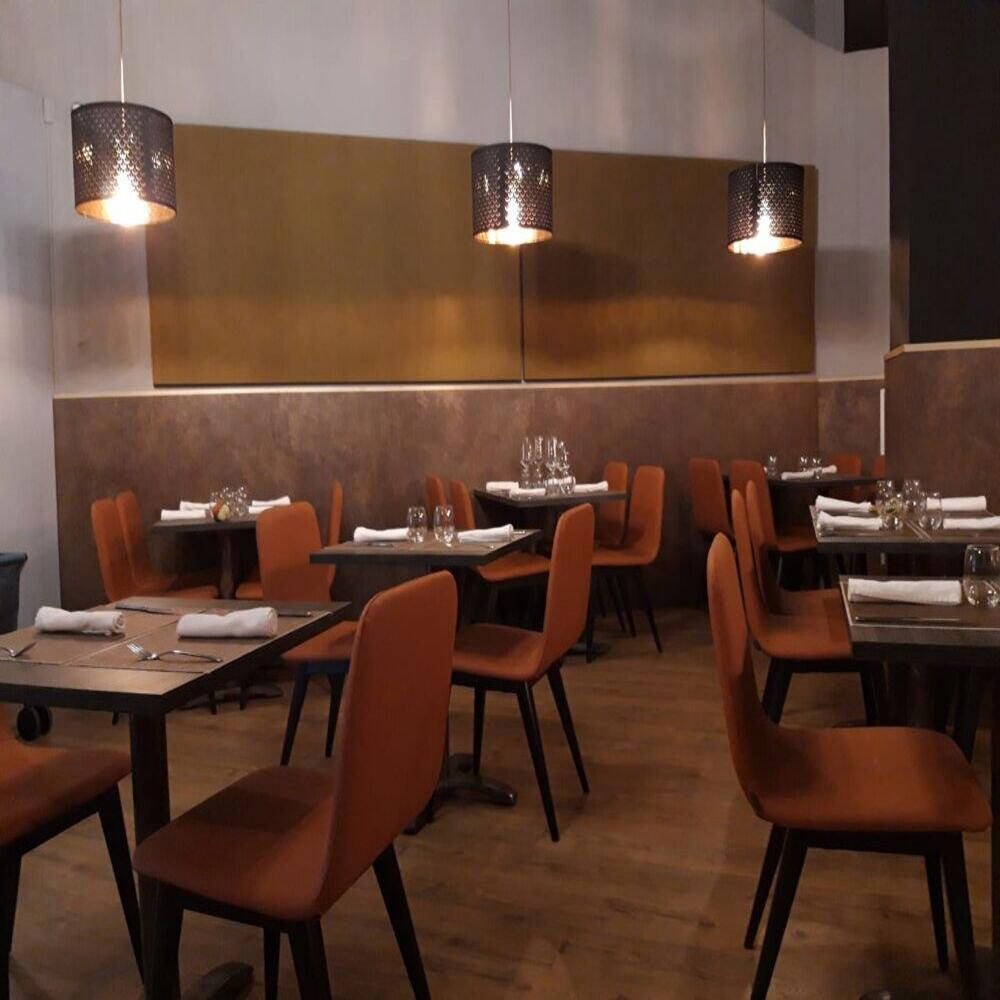
Bars in Girona
Browse all →
Hotels in Girona
Browse all →

At a Glance
- Cozy
- Elegant
- Intimate
- Sophisticated
- Date Night
- Special Occasion
- Open Kitchen
- Local Sourcing
Current opening hours
- Monday
- Closed
- Tuesday
- 1:30–3:30 PM, 8:30–10 PM
- Wednesday
- 1:30–3:30 PM, 8:30–10 PM
- Thursday
- 1:30–3:30 PM, 8:30–10 PM
- Friday
- 1:30–3:30 PM, 8:30–10 PM
- Saturday
- 1–3:30 PM, 8:30–10 PM
- Sunday
- 1–3:30 PM
Hours can change for holidays and private events. Last verified .
Small, cozy, and welcoming atmosphere with an elegant yet relaxed mood that makes guests feel at ease.