Esperit Roca




1 Michelin Star · Wine Spectator Best of Award of Excellence · Guía Repsol 2 Soles
Our verdict
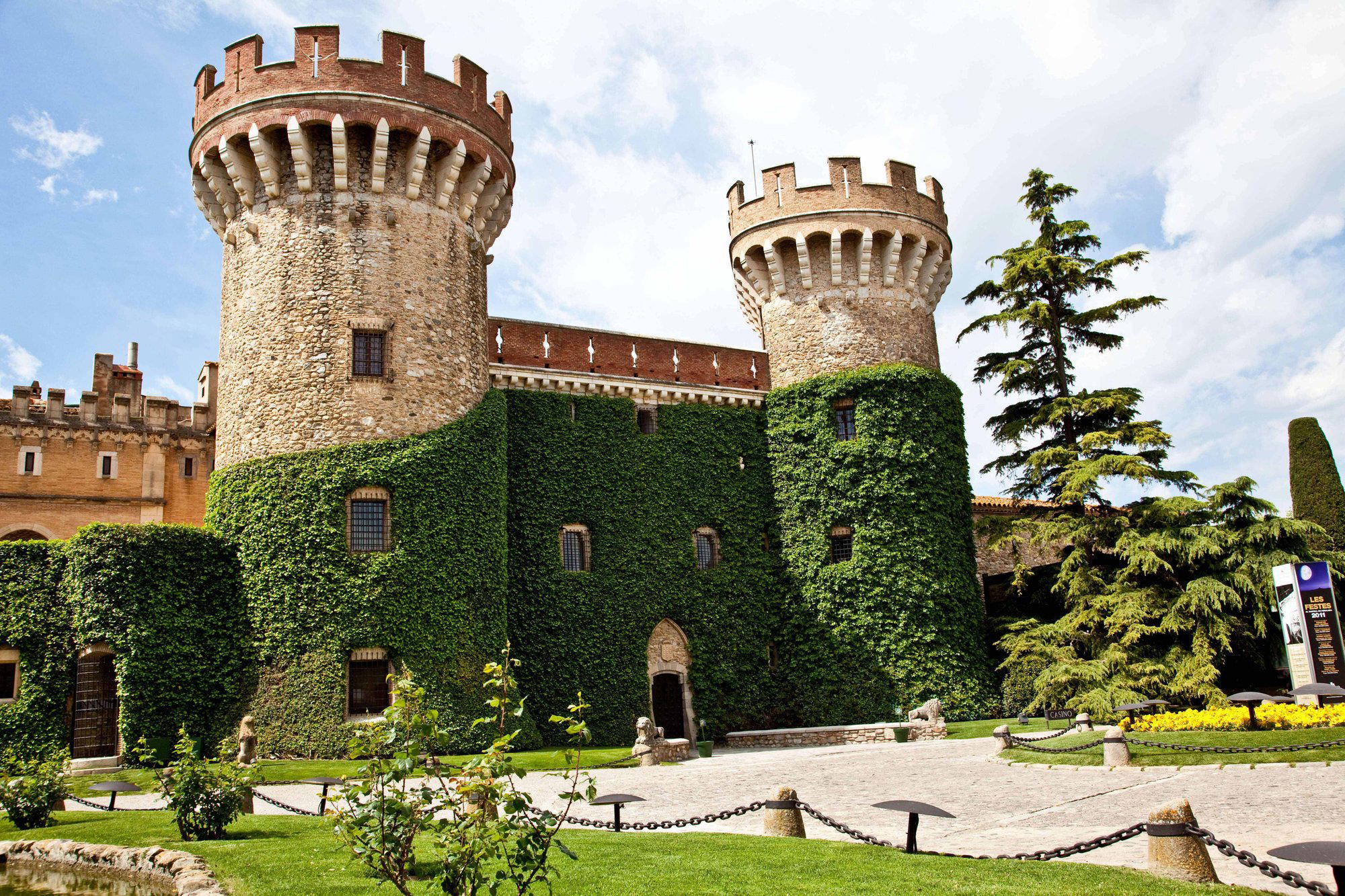
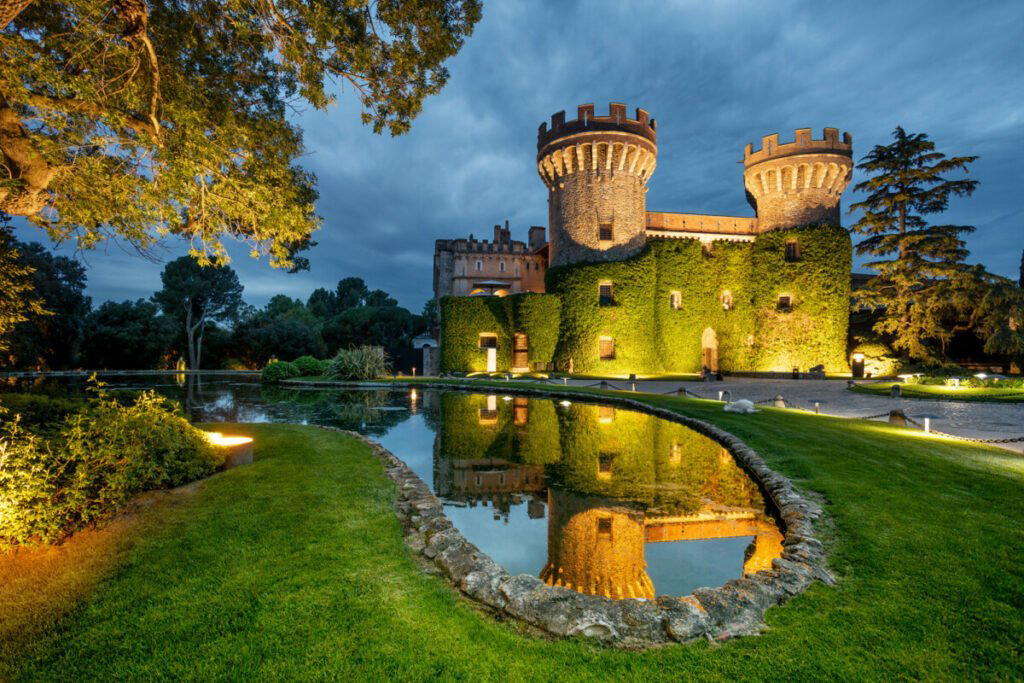
Occupying a converted military fortress 10km from Girona, Esperit Roca is the Roca brothers' food and cultural centre at the Castillo de Sant Julià de Ramis. The restaurant earned a Michelin star in 2024 and offers two structurally inventive tasting menus alongside à la carte dishes drawn from the El Celler de Can Roca canon, set within a wine cellar holding over 80,000 bottles and an on-site distillery that doubles as the kitchen's R&D space.

Pearl is the En Primeur Club membership app — saves, bookings, and concierge access live there. Same editors, same standards.
- Address
- Carrer Major, Entrada 1, 17481 Sant Julià de Ramis, Girona, Spain
- Phone
- +34 872 20 14 43
- Hours
- Mon 1–2:30 PMTue–Wed ClosedThu 1–2:30 PMFri–Sat 1–2:30 PM, 7:30–10 PMSun 1–2:30 PM
- Website
- esperitroca.com
- Directions
- Get directions
A Fortress Repurposed Around a Kitchen Philosophy
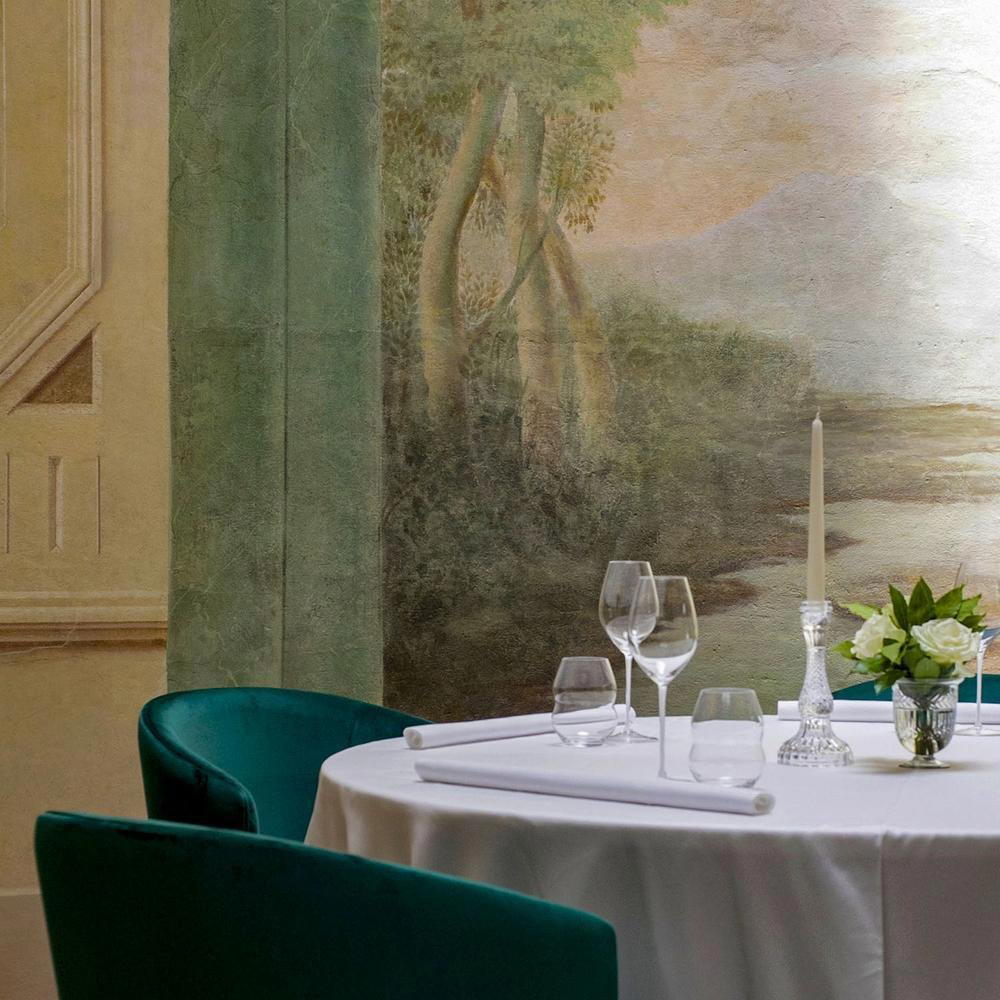
Approaching Castillo de Sant Julià de Ramis along the road from Girona, the site reads less like a restaurant arrival and more like an approach to a cultural institution. The old military fortress sits on a ridge above the Ter valley, its stone mass visible well before the entrance. That sense of scale is intentional. When the Roca brothers chose this site, they were not looking for a secondary dining room — they were constructing a full infrastructure for creative inquiry: a hotel, an academy-library, a distillery, a wine cellar of substantial depth, and a CCR exhibition tracing the working methods of El Celler de Can Roca in Girona. The restaurant sits inside that broader project, which changes how you read every element of the meal.
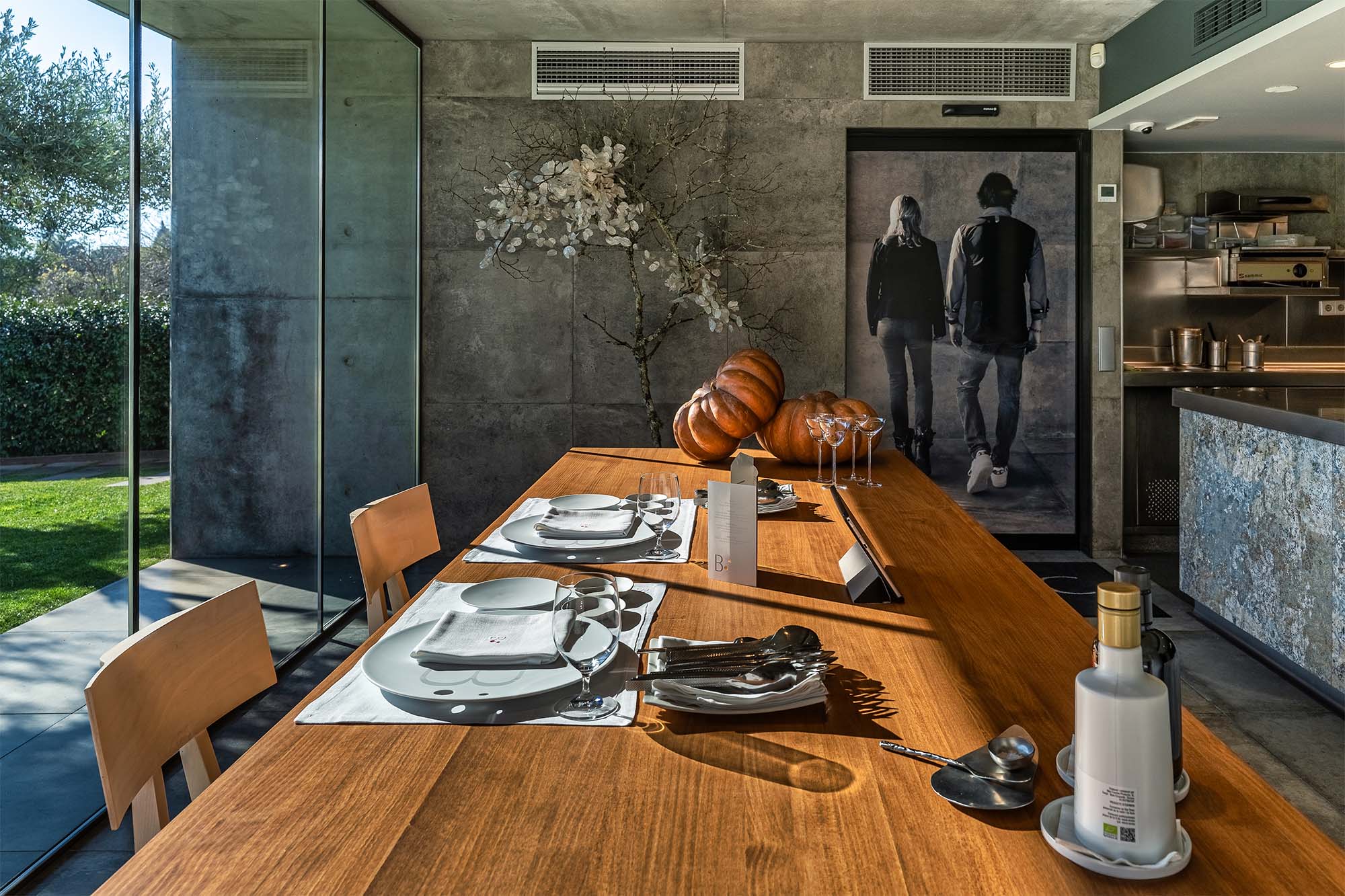
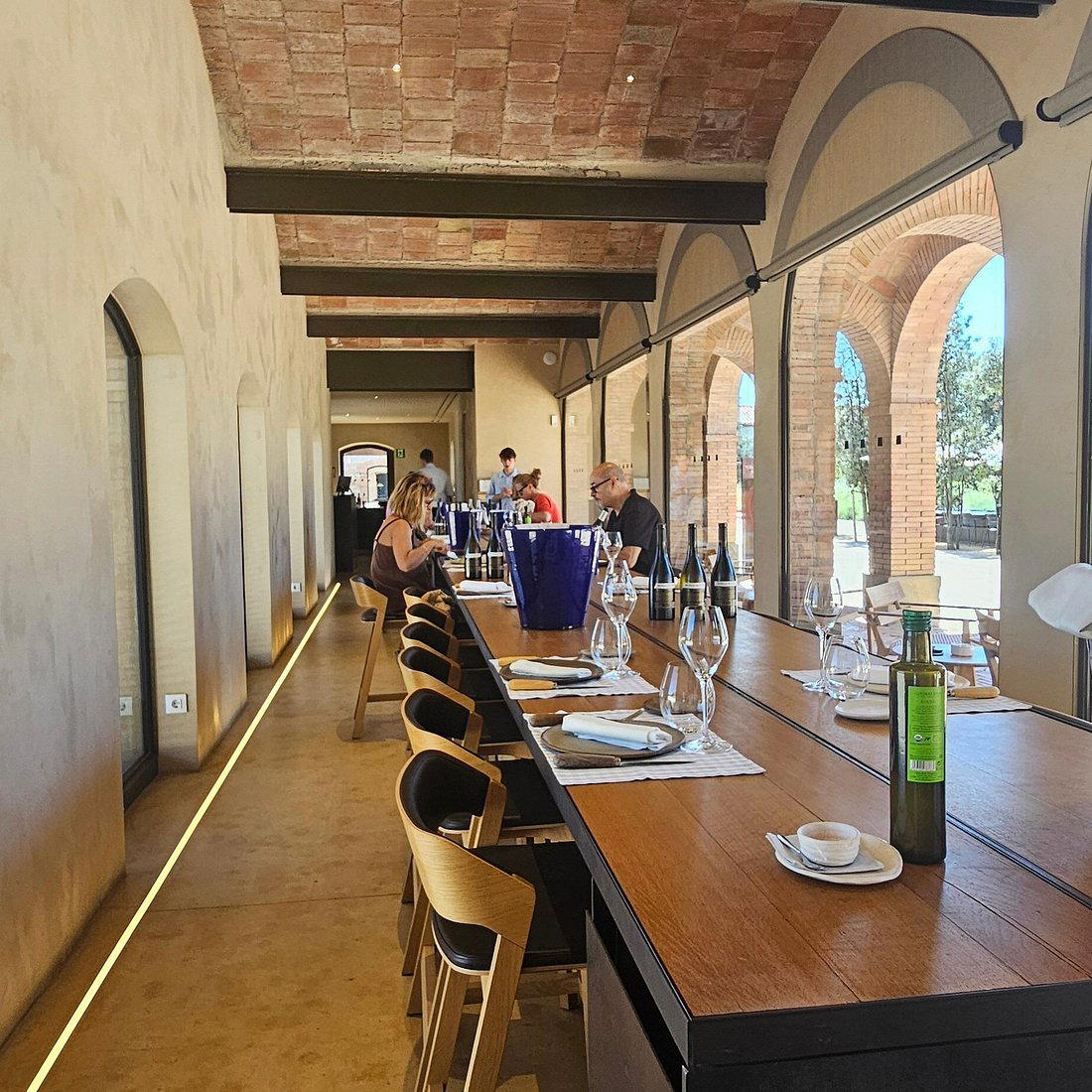
The dining room itself uses cement and concrete as primary materials, a deliberate choice in a space that could easily have leaned toward rustic stone surfaces. Large picture windows pull the surrounding landscape into the room, connecting the food to the agricultural terrain and woodland that feeds it. In a region defined by its proximity to the Pyrenean foothills, the Empordà plain, and the coastline of the Costa Brava, that visual connection to the land carries real weight.
Where the Ingredients Come From and Why That Shapes the Menu
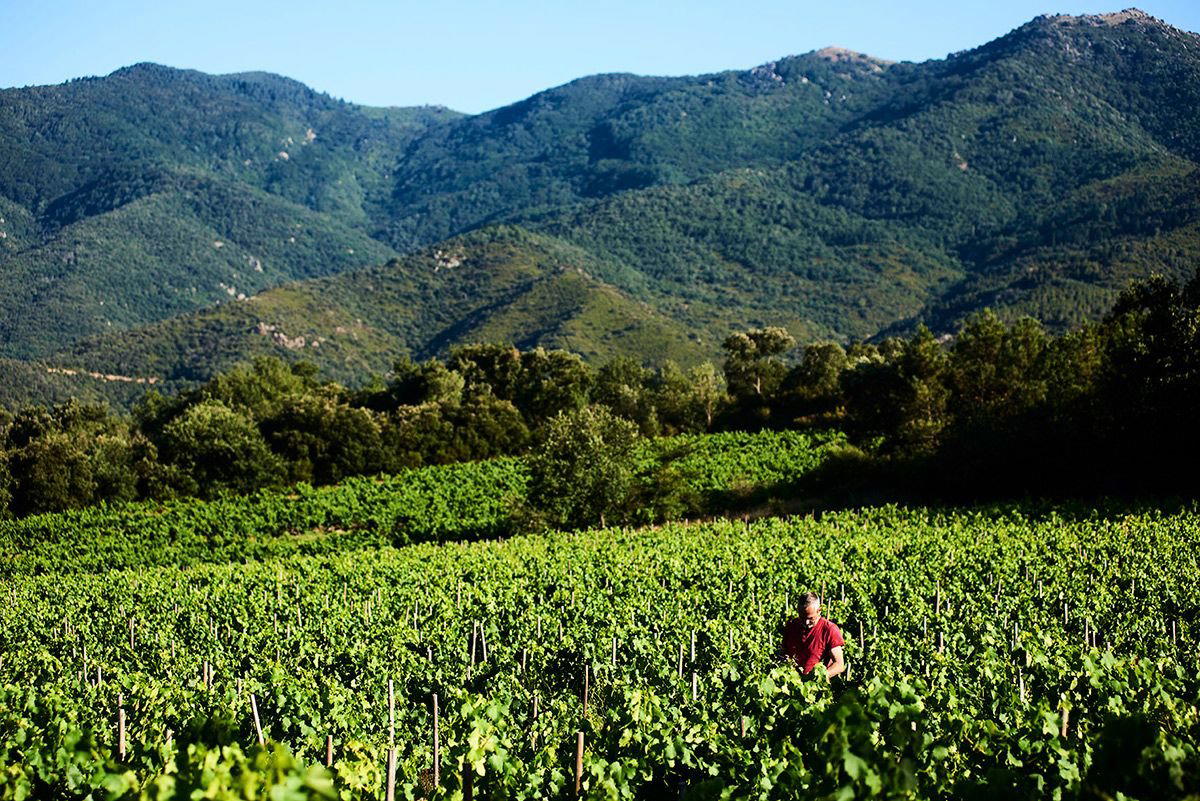
Catalonia occupies a particularly privileged position in European ingredient geography. Within a two-hour radius of Sant Julià de Ramis, you have access to the vegetable producers of the Empordà, the fishing fleets of Roses and Palamós, the wild mushroom harvests of the Garrotxa, and the cured meat traditions of the inland comarcas. This density of primary producers at different elevations and in different micro-climates is part of what made Girona a plausible destination for serious cooking in the first place.
At Esperit Roca, the à la carte draws on classic recipes from the El Celler archive, but the context changes the relationship between dish and ingredient. Where El Celler operates within a three-Michelin-star frame — one of Spain's most demanding fine dining environments alongside Arzak in San Sebastián, Azurmendi in Larrabetzu, and Martin Berasategui in Lasarte-Oria, Esperit Roca operates with more structural freedom. The recipes arrive with what the kitchen describes as its own personality: adaptations that reflect the specific site, the on-site distillery's research, and the shifting seasonal availability of the surrounding territory.
The distillery is not decorative. It functions as the restaurant's R&D; department, a space where the kitchen explores fermentation, extraction, and flavour transformation in ways that feed directly back into the menus. This model, where production infrastructure and dining operate on the same site, connects Esperit Roca to a broader tendency in high-end Spanish cooking toward closed-loop ingredient systems. Azurmendi in Larrabetzu runs its own greenhouse and kitchen garden; Aponiente in El Puerto de Santa María maintains marine farms for its sea-creature sourcing. Esperit Roca's answer is the distillery, a place where ingredients become techniques.
Two Menus That Split the Savory and Sweet Axes
The most structurally original aspect of the restaurant's menu design is its two tasting formats: Espíritu Salado, which offers six savoury dishes and two desserts, and Espíritu Dulce, which inverts that logic with two savoury dishes and six desserts. This is not a novelty format. It reflects a genuine belief, traceable through the Roca brothers' work, that pastry and dessert deserve parity with savoury cooking, a conviction that has shaped their output at El Celler de Can Roca in Girona for decades.
In the broader context of Spanish creative cooking, this kind of structural inversion is rare. The tasting menus at DiverXO in Madrid, Mugaritz in Errenteria, and Quique Dacosta in Dénia each have strong individual identities, but none divide the savoury-sweet axis as the primary structural variable. Espíritu Dulce, in particular, signals that the restaurant sees its pastry program as something worth the full weight of a meal rather than its conclusion. For diners who have already explored the savoury architecture at El Celler, this format opens a different dimension of the same creative lineage.
The Wine Cellar and Cultural Infrastructure
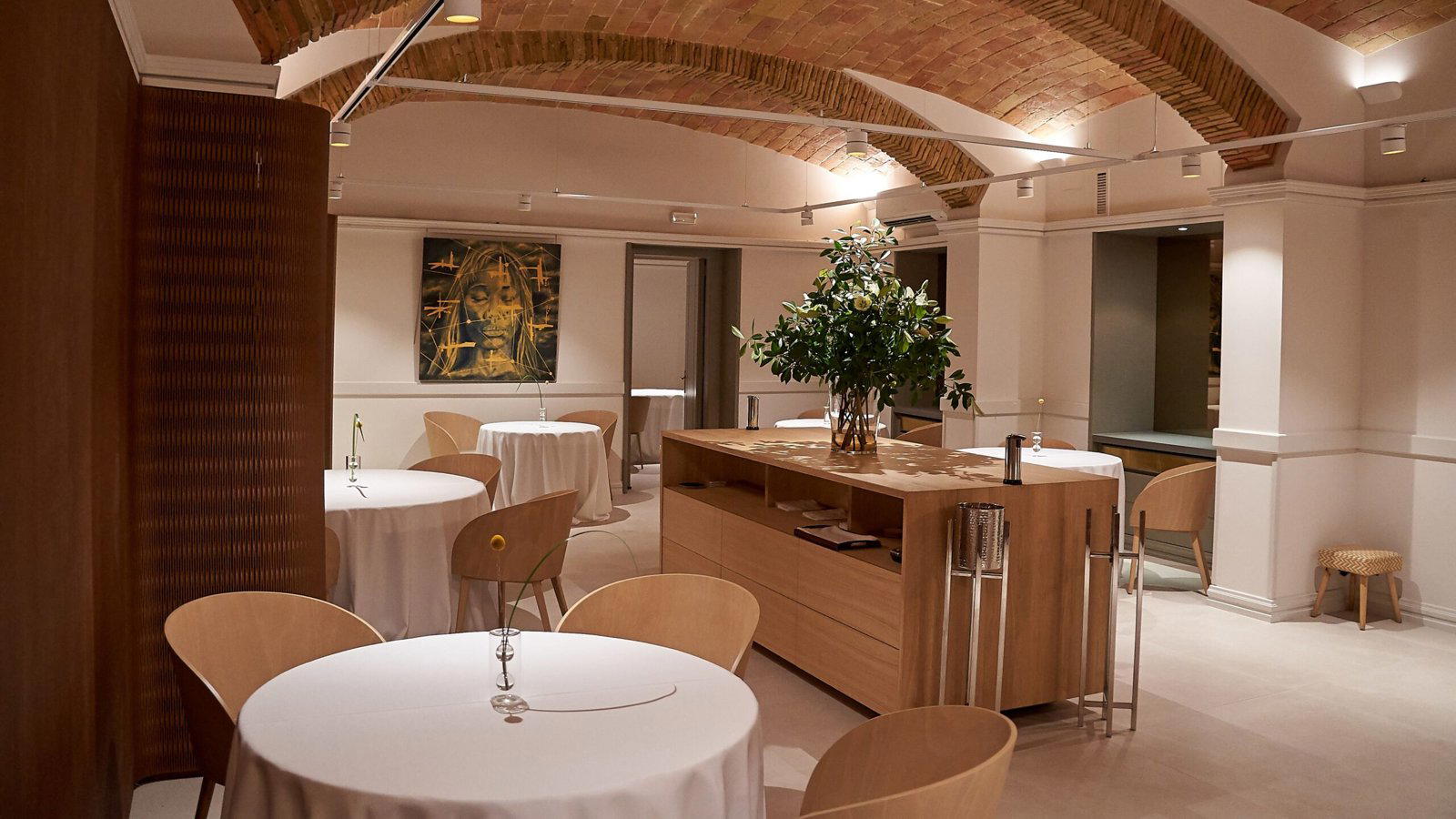
The cellar at Esperit Roca holds over 80,000 bottles under a dome that is, in architectural terms, the most dramatic space on the property. A collection of that scale, in a single-site cellar rather than distributed across a group portfolio, reflects a specific philosophy of depth over breadth, the kind of vertical holdings that allow a sommelier team to pour decade-spanning references from Catalonia, Priorat, Penedès, and beyond, as well as the classical European benchmarks that the Roca brothers have assembled across their careers.
This wine infrastructure puts Esperit Roca in a different tier from the majority of one-Michelin-star restaurants in Spain and signals peer alignment with the highest levels of Spanish fine dining. For context, Ricard Camarena in València and Cocina Hermanos Torres in Barcelona each carry significant cellar programs, but neither operates within a fortress with 80,000 bottles housed beneath a dedicated dome. The scale here is a function of the site as much as the philosophy.
Entry to the restaurant passes through the CCR exhibition, a curated explanation of El Celler de Can Roca's creative processes. This is not an accidental sequencing. It frames the meal before it begins, positioning what you are about to eat within a documented tradition of culinary research rather than as a standalone dining event. It is closer in spirit to the approach taken at venues like Alléno Paris au Pavillon Ledoyen or Arpège in Paris, where the institutional weight of the kitchen's history is part of the visitor experience, than to a typical regional restaurant with a well-regarded chef.
Planning a Visit: Logistics and Context
Sant Julià de Ramis sits approximately 10km north of Girona, a city with a high-speed rail connection to Barcelona (roughly 38 minutes on AVE services) and its own airport with European connections. The castle site includes a hotel, which makes an overnight stay a practical option rather than a luxury indulgence, particularly if you are considering the Espíritu Dulce menu, which warrants a slow exit rather than a drive back to Girona immediately after dessert course six. Pricing sits at the €€€€ level, consistent with the Michelin one-star tier across Spain, though the site's cultural infrastructure arguably makes the total proposition closer to a half-day visit than a two-hour dinner.
For those building a broader Girona itinerary, Fontané is the other restaurant worth noting in Sant Julià de Ramis. The area's hospitality scene remains thin outside the castle complex, so planning ahead matters. See our full Sant Julià de Ramis restaurants guide, our full Sant Julià de Ramis hotels guide, our full Sant Julià de Ramis bars guide, our full Sant Julià de Ramis wineries guide, and our full Sant Julià de Ramis experiences guide for the complete picture.
Frequently asked questions
Does Esperit Roca work for a family meal?
The setting — a converted military fortress with a hotel, cultural exhibition spaces, and a 80,000-bottle wine cellar — is genuinely engaging beyond the plate, which helps with mixed-interest groups. That said, the €€€€ price point and the structured tasting menu formats (Espíritu Salado and Espíritu Dulce) make this a deliberate dining occasion rather than a casual family outing. Families with older children who appreciate creative cuisine in the El Celler de Can Roca tradition are better placed than those with young children expecting an informal meal.
How would you describe the vibe at Esperit Roca?
The dining room is cement and concrete throughout, with large picture windows framing the surrounding Catalan countryside — the aesthetic is architectural and considered rather than warm or intimate. Before you reach your table, you pass through a CCR exhibition documenting the creative processes of El Celler de Can Roca, and the distillery that now functions as the restaurant's R&D; space is visible as part of the property. The overall register is serious but curious: a cultural institution that happens to hold one Michelin star, not a restaurant that happens to be in a castle.
Does Esperit Roca have a Michelin star or similar recognition?
Esperit Roca has received recognition including: An old military fortress provides the backdrop for this Roca brothers venture, occupying the imposing Castillo de Sant Julià de Ramis, barely 10km from Girona, which they have transformed into a leading food and cultural centre. In this set….
What should I eat at Esperit Roca?
The menu structure here is the most deliberate choice to make before arriving. The à la carte draws on classic El Celler de Can Roca recipes adapted with Esperit Roca's own inflection, while the two tasting formats split along an unusual axis: Espíritu Salado concentrates on six savoury dishes with two desserts, and Espíritu Dulce inverts that ratio with two savoury dishes and six desserts. If your interest runs toward pastry and sugar-led creativity — a discipline the Roca family has always treated as a serious course category — Espíritu Dulce is the more distinctive choice and harder to replicate elsewhere at this level.
How It Stacks Up
| Venue | Cuisine | Awards |
|---|---|---|
| Esperit RocaThis venue — the venue you are viewing | Modern Creative Spanish | 1 Michelin Star · Wine Spectator Best of Award of Excellence |
| Aponiente | Progressive - Seafood, Creative | Michelin 3 Star |
| Arzak | Modern Basque, Creative | Michelin 3 Star |
| DiverXO | Progressive - Asian, Creative | Michelin 3 Star |
| El Celler de Can Roca | Progressive Spanish, Creative | Michelin 3 Star |
| Quique Dacosta | Creative | Michelin 3 Star |
Recognition history
Dated appearances from independent guides and award organizations, with the underlying list record or original source where available.
Michelin 1 Star
Michelin
Guía Repsol 2 Soles
Guía Repsol
Opinionated About Dining Newly Added European Restaurants
Opinionated About Dining
Wine Spectator Best of Award of Excellence
Wine Spectator
Full recognition history (8 entries)
Opinionated About Dining Top Restaurants in Europe Recommended
Opinionated About Dining
Opinionated About Dining Top New Restaurants in Europe Ranked #8
Opinionated About Dining
Michelin 1 Star
Michelin
Michelin 1 Star
Michelin
Continue exploring
More in Sant Julià de Ramis
Restaurants in Sant Julià de Ramis
Browse all →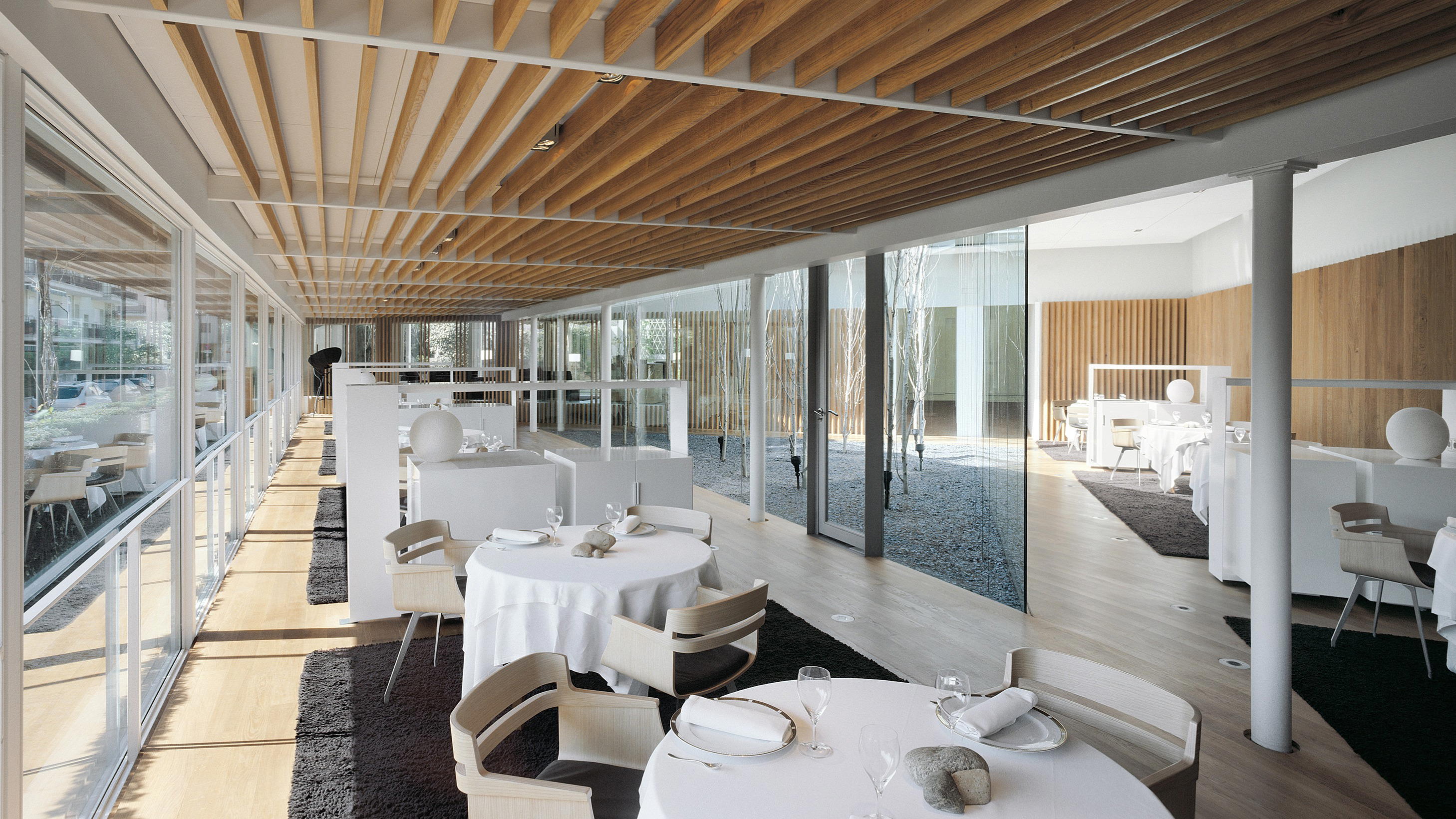
Bars in Sant Julià de Ramis
Browse all →
Hotels in Sant Julià de Ramis
Browse all →

Details
- Elegant
- Sophisticated
- Modern
- Scenic
- Date Night
- Special Occasion
- Celebration
- Panoramic View
- Wine Cellar
- Open Kitchen
- Historic Building
- Extensive Wine List
- Local Sourcing
- Mountain
- Tasting Menu
- A La Carte
- Allergy Accommodating
Current opening hours
- Monday
- 1–2:30 PM
- Tuesday
- Closed
- Wednesday
- Closed
- Thursday
- 1–2:30 PM
- Friday
- 1–2:30 PM, 7:30–10 PM
- Saturday
- 1–2:30 PM, 7:30–10 PM
- Sunday
- 1–2:30 PM
Hours can change for holidays and private events. Last verified .
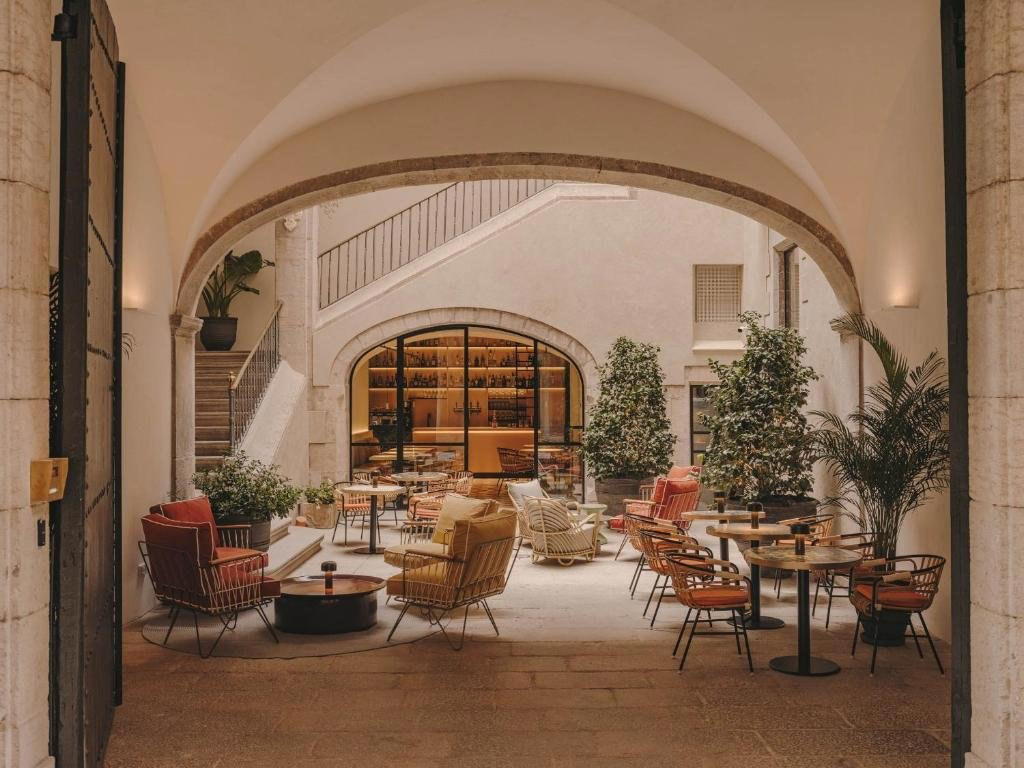
Modern dining room with cement and concrete materials, large picture windows bringing in surrounding natural landscapes, elegant and light-filled atmosphere.