Platform
Our verdict
Platform sits at 8850 Washington Blvd in Culver City, occupying a stretch of the city's evolving dining corridor where ingredient sourcing and kitchen transparency have become the organizing principles of a new generation of restaurants. It belongs to a Culver City scene increasingly defined by producers, provenance, and deliberate restraint.

Pearl is the En Primeur Club membership app, where members save venues, book tables and use the concierge.
In Los Angeles specifically, the sourcing conversation has intensified. Providence in Los Angeles has built two Michelin stars in part on the credibility of its seafood sourcing network, which reaches into sustainable fisheries and small-boat suppliers. The access Southern California has to year-round local agriculture, Pacific seafood, and cross-cultural producer communities gives kitchens here a sourcing range that is difficult to replicate in most other American cities. It is quieter, more residential in feel as the boulevard extends west, and the dining operations here tend to draw customers with a specific purpose rather than foot-traffic walk-ins. That pattern favors restaurants with something specific to say about their food and how it is made. It filters for a clientele that has sought the place out rather than stumbled onto it, which in turn allows a kitchen to operate with more specificity and less compromise on sourcing decisions that might not translate to a broader casual audience.enprimeurclub.enprimeurclub.enprimeurclub. Platform sits in a different register from all three, less defined by format or atmosphere than by its position in the sourcing-forward tier of the corridor. The same agricultural access that underpins The French Laundry in Napa and Le Bernardin in New York City and Atomix in New York City both work at the level of sourcing specificity, but they are doing so without California's year-round growing seasons and proximity to multiple distinct agricultural zones. Emeril's in New Orleans draws on Gulf seafood and Louisiana agriculture as its regional sourcing spine; Lazy Bear in San Francisco operates a collaborative, California-produce-driven format that has held two Michelin stars. The point is that California sourcing is a structural advantage, not a marketing posture, and restaurants that use it well earn a credibility that is hard to fake.
Frequently asked questions
Where exactly is Platform?
Platform is located at 8850 Washington Blvd, Culver City, CA 90232, Culver City.
How does Platform fit into the broader Culver City restaurant scene compared to more established LA dining destinations?
Platform occupies a quieter register than the main Culver City restaurant strip, positioned on Washington Boulevard rather than the higher-foot-traffic downtown blocks. That placement puts it closer to the working-neighbourhood model of dining than to a scene-driven address, which tends to attract a more deliberate, repeat-visit clientele. Within the regional context, Culver City draws from the same Central Valley and coastal California agricultural network that supplies ingredient-focused kitchens across Los Angeles.
What should I eat at Platform?
The most direct approach is to ask the kitchen what has come in most recently from its supply network, at restaurants organized around sourcing specificity, that question gets the most accurate answer. Platform sits on Washington Boulevard in Culver City, a corridor where the better kitchens let incoming product shape the daily offer rather than running a fixed menu. Arriving without a locked-in dish agenda is the right posture here.
Is Platform reservation-only?
The address sits outside Culver City's main after-work foot-traffic strip, which typically means the room is not absorbing walk-in overflow the way higher-visibility blocks do.
What's the signature at Platform?
No fixed signature dishes are documented in the current public record for Platform. In kitchens where sourcing drives the menu rather than the reverse, the answer shifts with the season and the supplier. What holds constant is the underlying framework: ingredient provenance as the primary editorial decision, which is increasingly the distinguishing mark across the better end of the Culver City dining corridor.
Do they accommodate allergies at Platform?
California restaurants operating at the sourcing-conscious tier on Washington Boulevard typically work closely with guests on dietary needs, given that menus are often built around daily supply rather than rigid formulations. Flagging requirements when you contact or visit 8850 Washington Blvd directly will give you the most accurate picture.
In Context: Similar Options
| Venue | Cuisine | Price |
|---|---|---|
| PlatformThis venue (the venue you are viewing) | Coastal Mediterranean with California Ingredients | $50–100 |
| ALMOST FAMOUS CHAI + FOOD BOUTIQUE | Indian Fusion with New American Brunch | $30–50 |
| Annapurna Cuisine | Authentic South Indian Vegetarian | $20–30 |
| Bacari Culver City | Venetian-Inspired Mediterranean Small Plates | $30–50 |
| Cafe Vida | Healthy California with Latin Influences | $20–30 |
| City Tavern | American Gastropub | Not listed |
Continue exploring
More in Culver City
Restaurants in Culver City
All restaurants in Culver City →
Bars in Culver City
All bars in Culver City →
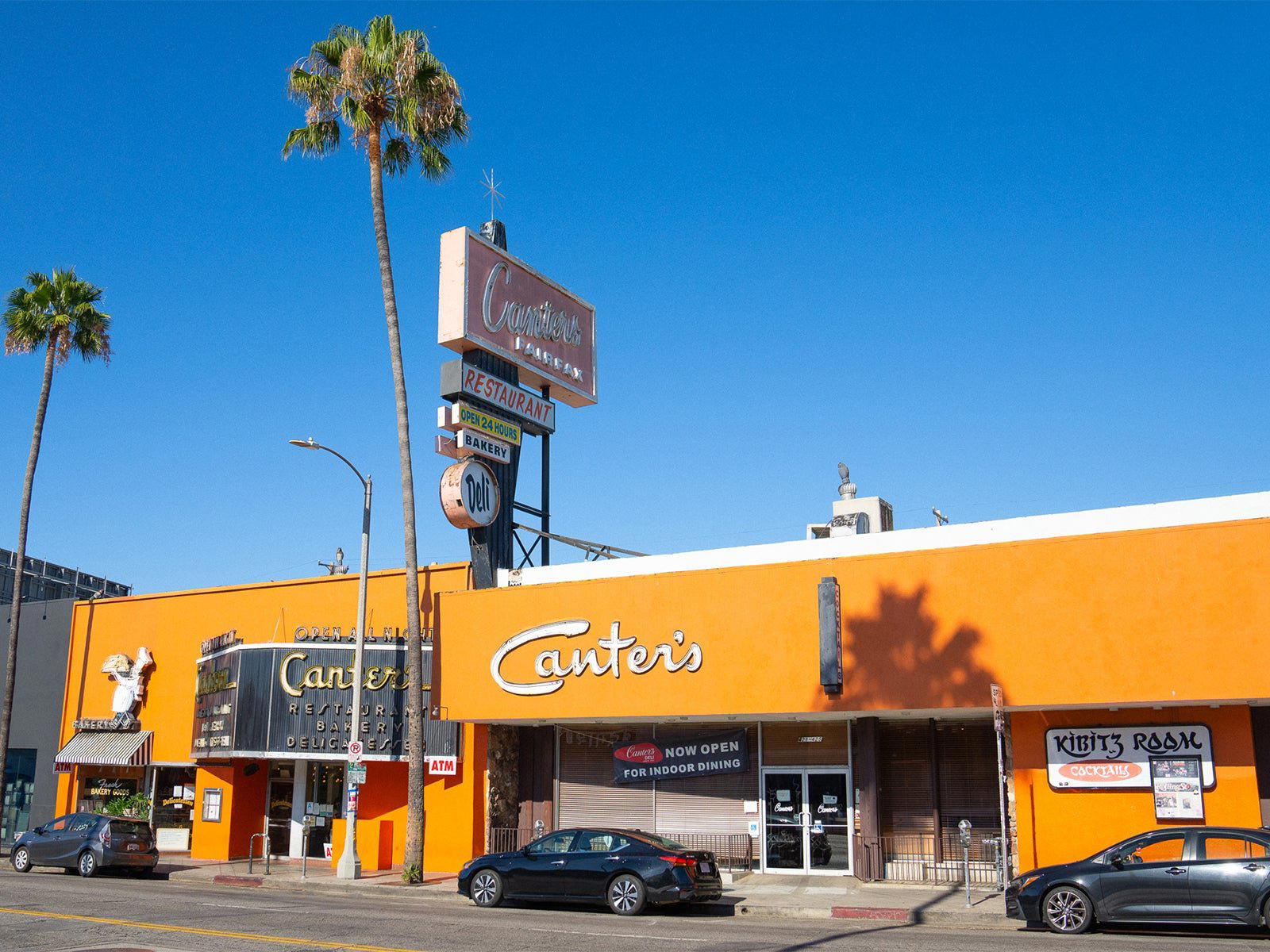
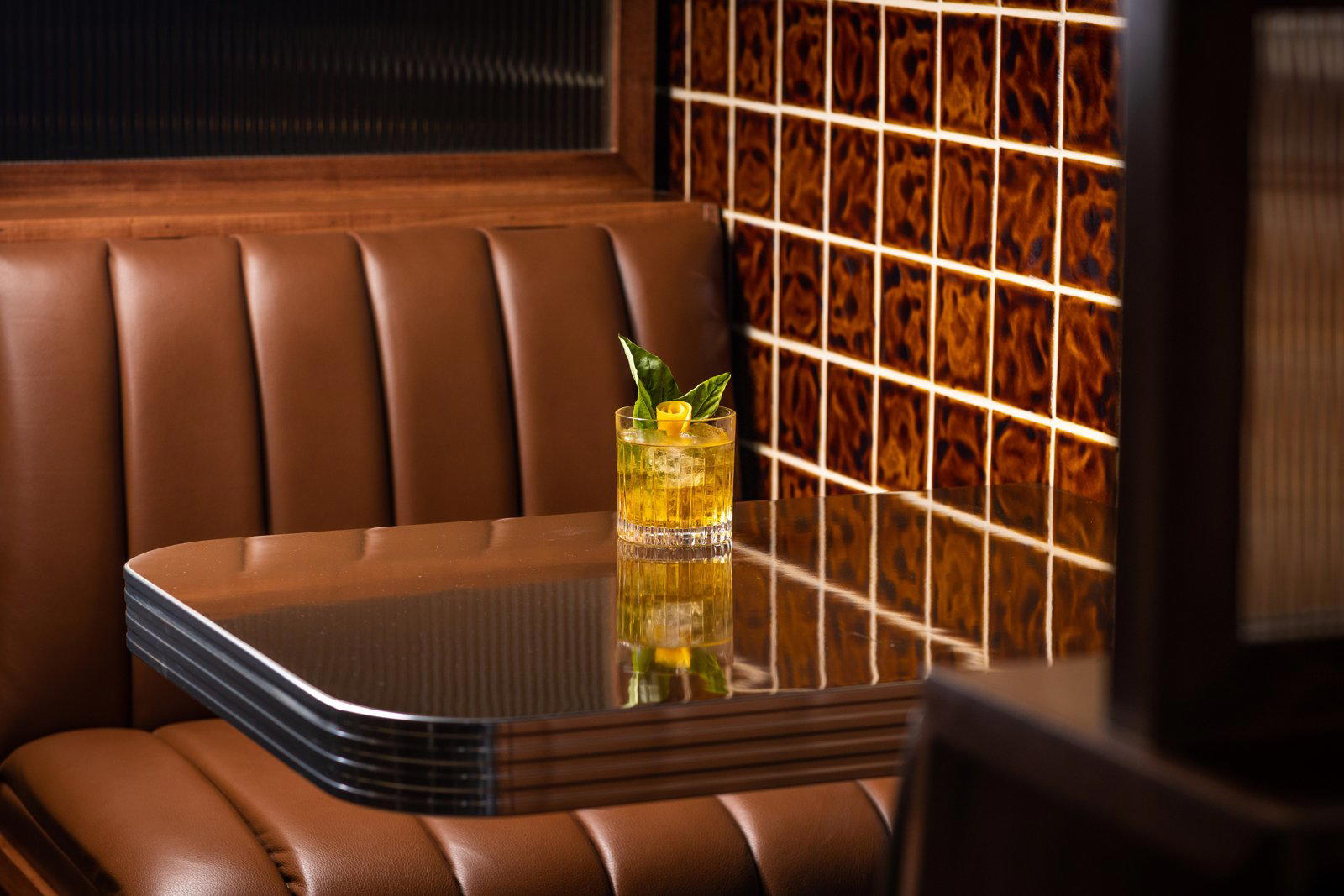
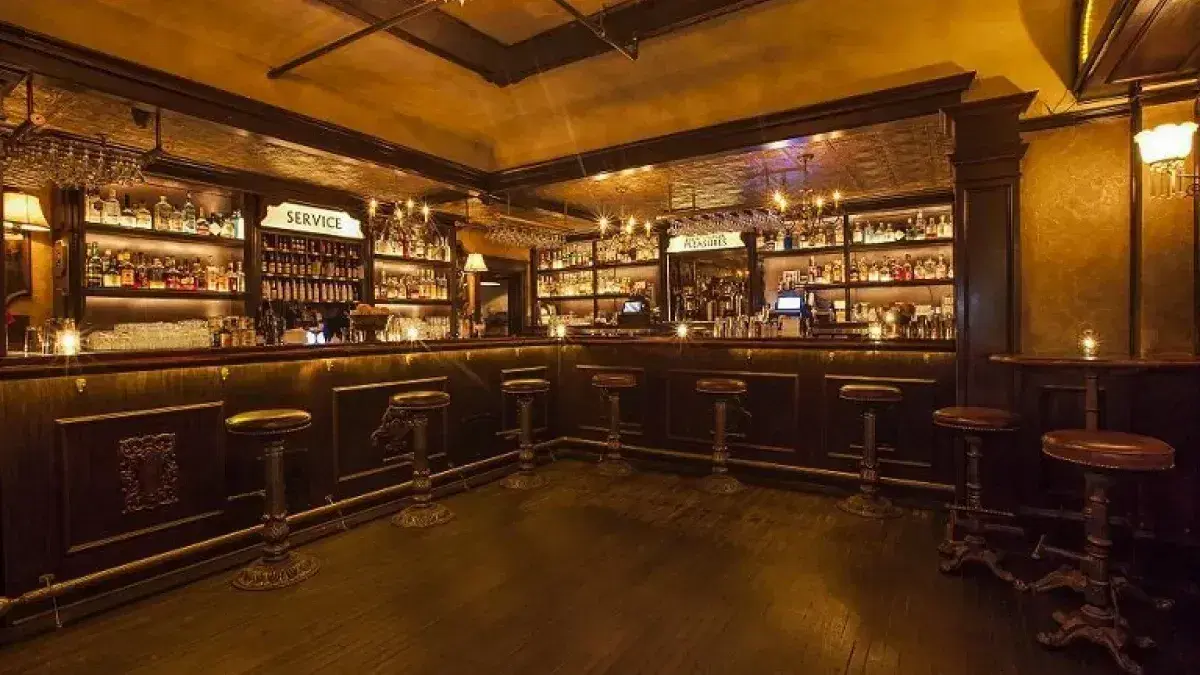
Hotels in Culver City
All hotels in Culver City →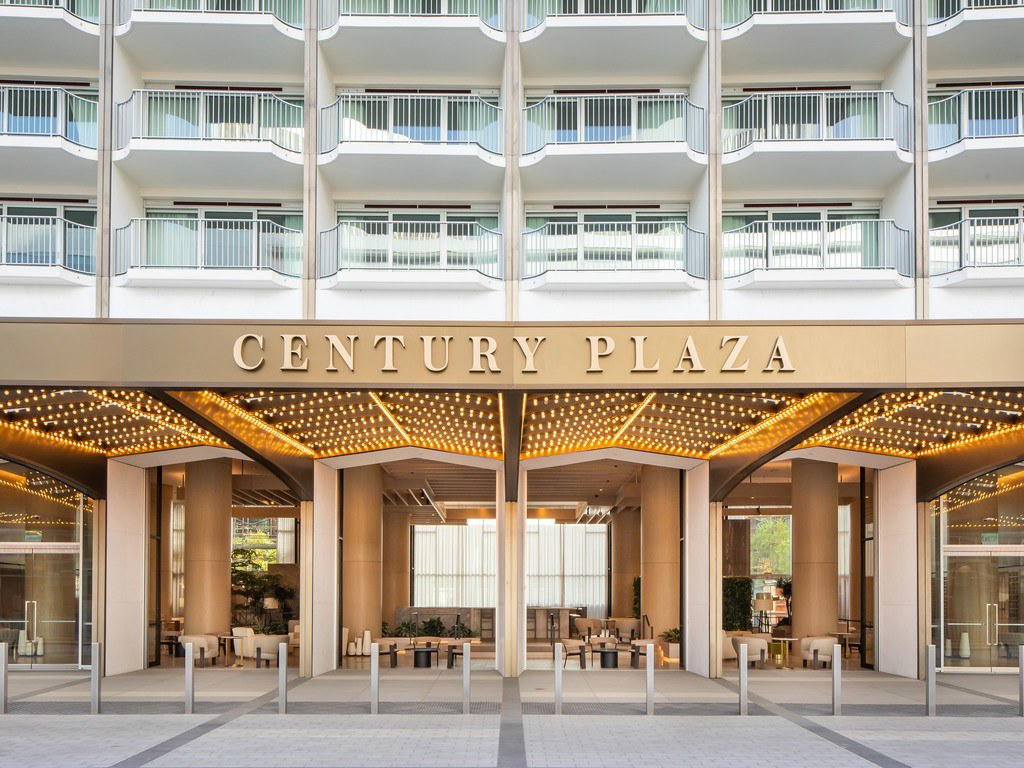
Wineries in Culver City
Browse all →
Details
- Scenic
- Elegant
- Modern
- Lively
- Date Night
- Group Dining
- Celebration
- Special Occasion
- After Work
- Rooftop
- Panoramic View
- Standalone
- Craft Cocktails
- Local Sourcing
- Farm To Table
- Skyline
- A La Carte
- Small Plates
- Regional Wines
- Craft Cocktails
- Vegetarian Friendly
Current opening hours
- Monday
- 7 AM–10 PM
- Tuesday
- 7 AM–10 PM
- Wednesday
- 7 AM–10 PM
- Thursday
- 7 AM–10 PM
- Friday
- 7 AM–10 PM
- Saturday
- 7 AM–10 PM
- Sunday
- 7 AM–10 PM
Hours can change for holidays and private events. Hours as of .
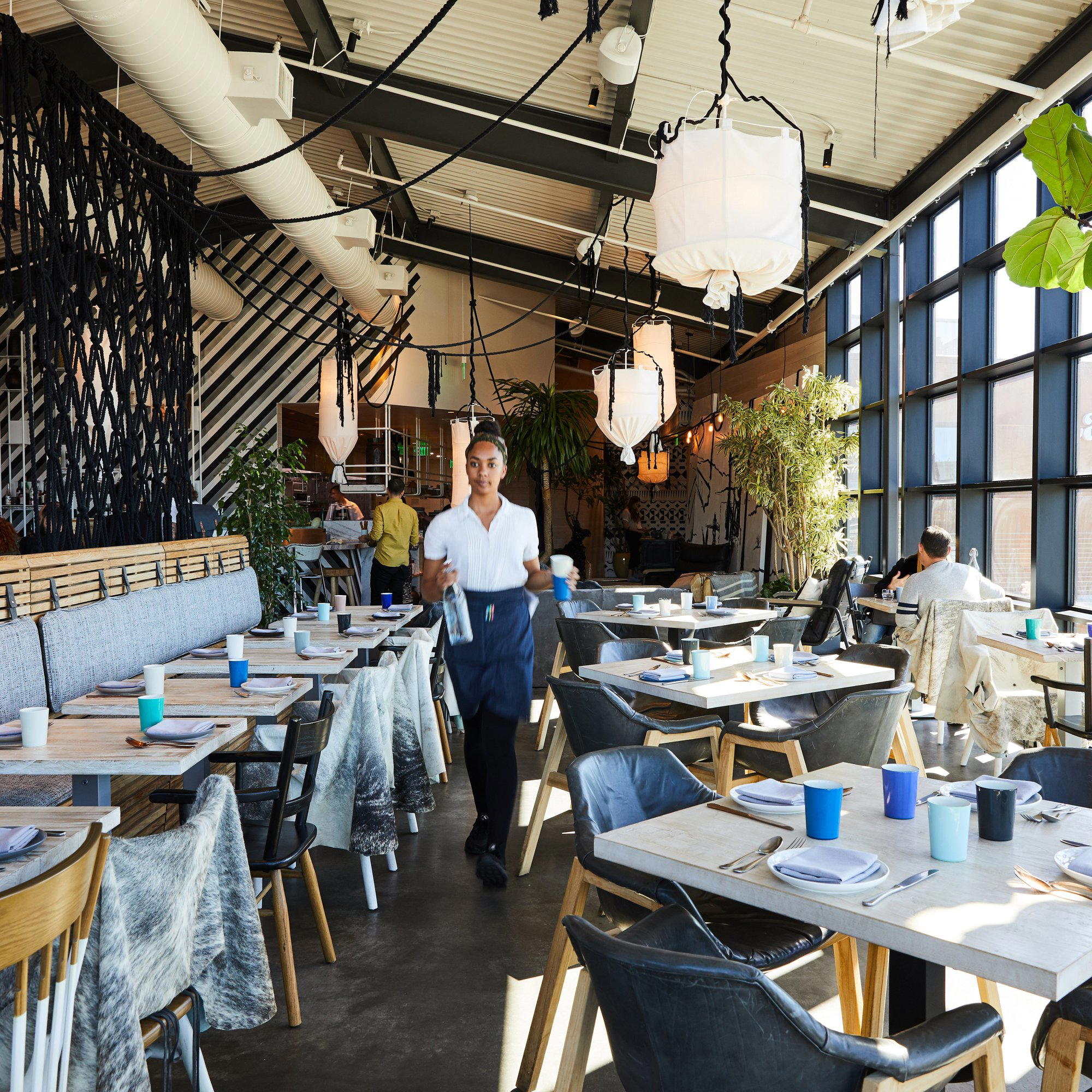
Elegant rooftop setting with flowing bar and plentiful outdoor space, well-suited for sunset drinks and convivial meals year-round.