Pizzeria Irene
Our verdict
Pizzeria Irene brings a straightforward, ingredient-driven approach to pizza in Orange, Texas, a city whose dining scene is quietly broadening beyond its Gulf Coast comfort-food roots. The kitchen draws on sourcing choices that reflect both regional producers and Italian-American tradition. For Orange, it represents a notable point of difference in a market where casual dining options still dominate.

Pearl is the En Primeur Club membership app, where members save venues, book tables and use the concierge.
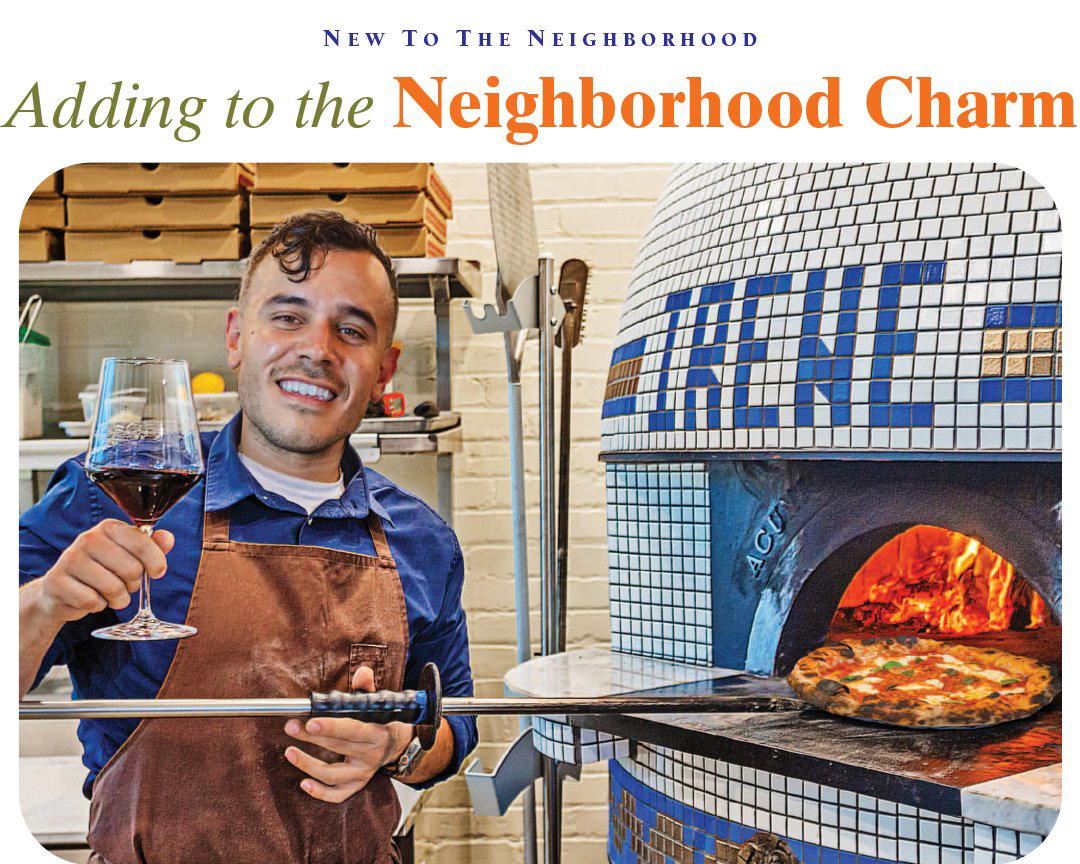
The menu
What to order
- Bianca
- Calabrese
Pizza in the Piney Woods: Where Orange, Texas Fits In
Orange, Texas occupies a particular position in the broader Southeast Texas dining picture. Sitting at the Louisiana border along the Sabine River, the city has long leaned into its Gulf Coast and Cajun-inflected food culture, with crawfish, catfish, and boudin defining the local palate far more than any Italian-American tradition. That context makes a dedicated pizzeria here a more deliberate choice than it might be in a larger metro, and at Pizzeria Irene, the operating logic appears to be rooted in specificity rather than volume. In a city where casual chains absorb most of the pizza demand, a named, independent pizzeria signals something different about intent.
The contrast with Orange's other independent restaurants is instructive. Gabbi's Mexican Kitchen has built its identity around regional Mexican sourcing and family recipes, while Ohshima operates within the discipline-heavy traditions of Japanese sushi. Each represents a kitchen with a defined point of view about ingredients and technique. Pizzeria Irene belongs to the same pattern: independent operators in Orange who are making deliberate choices about what goes on the plate and where it comes from, rather than defaulting to broadline distributor standards.
The Sourcing Argument for Pizza
Pizza is one of the most ingredient-transparent dishes in any cuisine. With only a handful of components on any given slice, flour, water, salt, yeast, tomato, cheese, and a topping or two, there is almost no room to hide the quality gap between sourced-with-care ingredients and commodity substitutes. The crust tells you how the dough was handled, which is itself a function of flour quality and fermentation time. The sauce tells you whether the tomatoes were selected or merely available. The cheese tells you whether the kitchen ordered from a specialty purveyor or the nearest cash-and-carry.
This is why sourcing-forward pizza programs have gained ground in American independent dining over the past decade. Operators from Lazy Bear in San Francisco to Single Thread Farm in Healdsburg have demonstrated that ingredient provenance at the fine-dining level reshapes what a dish can do. The logic has filtered down: even in mid-tier independent restaurants, the question of where the mozzarella comes from, or whether the tomatoes are San Marzano-certified, has become part of how kitchens differentiate themselves. In Southeast Texas, that conversation is still arriving, and Pizzeria Irene is operating inside it.
The regional agriculture of East Texas and the Louisiana border zone adds an interesting dimension. The Gulf Coast grows excellent produce across certain categories, and local dairy and charcuterie operations, though small, have expanded in number over the past several years. A pizza kitchen in Orange has the option to draw on regional supply chains that a comparable operation in a major metro would rarely bother with. Whether Pizzeria Irene takes that approach in full or in part remains specific to the kitchen's own sourcing choices, but the geographic opportunity exists in a way that is worth noting for a region often overlooked in Texas food coverage.
Setting and Atmosphere
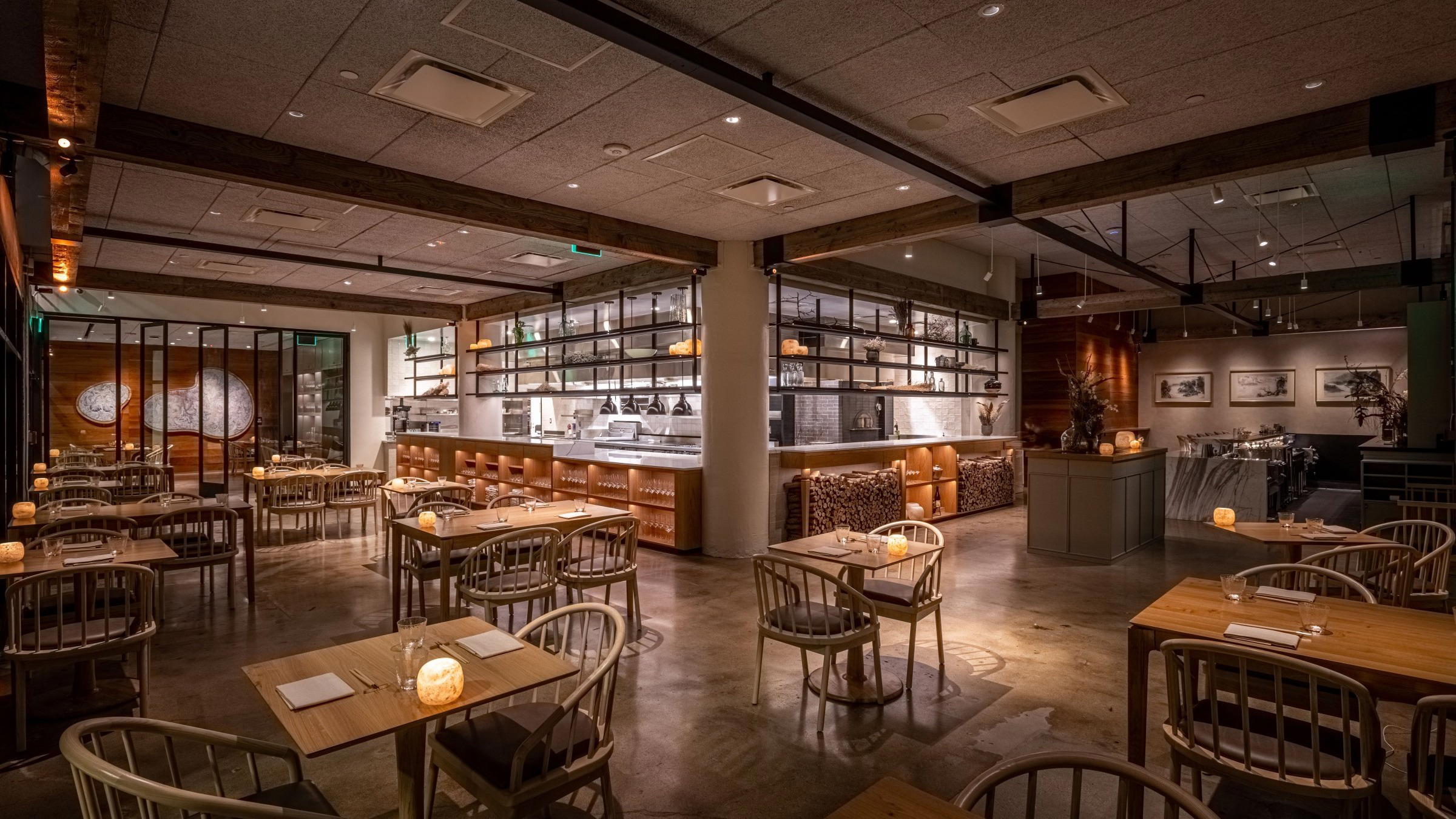
Independent pizzerias in small-to-mid-sized American cities tend to occupy one of two registers: the family dining room with red-checked tablecloths and a jukebox, or the stripped-back, flour-dusted counter operation where the oven is the visual anchor. Both have merit, and both make different promises to the guest walking through the door. The first promises comfort and nostalgia. The second promises craft and focus. Orange's food scene, which includes the sharper, more composed kitchen energy of Charred Kitchen and Bar, has been moving incrementally toward the latter register, and Pizzeria Irene sits within that shift.
For visitors arriving from outside Southeast Texas, the city itself requires a small mental recalibration. Orange is not a tourist destination in the conventional sense, and its restaurant culture reflects a local clientele first. That means the atmosphere at a place like Pizzeria Irene is shaped more by neighborhood rhythm than by any hospitality formula designed for out-of-town guests. This is, in practice, often the condition that produces the most reliable food: kitchens cooking to earn repeat business from people who will come back next week, not just once on a road trip.
For those traveling the I-10 corridor between Houston and New Orleans, Orange represents a legitimate stop rather than a compromise. The city sits roughly 110 miles east of Houston and about 30 miles west of Lake Charles, Louisiana, making it a practical midpoint with its own dining character rather than merely a gas station interruption. A deliberate pizzeria at that junction has a natural audience beyond its immediate zip code.
Placing Pizzeria Irene in a Wider Frame
The broader American pizza scene has split meaningfully in recent years. On one end sit the high-concept Neapolitan and Roman programs at restaurants like Le Bernardin-adjacent tasting rooms and the ingredient-obsessive kitchens found at places like Atomix in New York City or Alinea in Chicago, where fermentation programs and heritage grain sourcing inform everything on the menu. On the other end sit the volume operations. Independent pizzerias in regional American cities that survive and build reputations tend to occupy the informed middle: technically sound, sourcing-conscious, priced for repeat use rather than occasion dining.
Pizzeria Irene, operating in a city where the alternative dining options include the Provençal-influenced cooking of Le Mas des Aigras - Table du Verger in Orange, France as a distant referent for what ingredient-led European kitchen culture looks like, represents a local version of that informed middle ground. It does not need to compete with The French Laundry in Napa or Providence in Los Angeles to be significant in its own context. Its significance is local and practical: it gives Orange a pizza kitchen with a point of view, and in a city of this size, that is a meaningful addition to the dining map.
For a fuller picture of what Orange's independent restaurant scene offers, see our full Orange restaurants guide. Those planning a longer stay can also consult our full Orange hotels guide, our full Orange bars guide, our full Orange wineries guide, and our full Orange experiences guide for broader planning context.
Planning Your Visit
Orange's independent restaurant scene is active but not always consistent with posted online hours, particularly for smaller operations. Visiting on a weekday evening tends to offer a more relaxed experience across most of the city's independent dining options, with Friday and Saturday nights drawing the heaviest local traffic. If you are driving through on the I-10 corridor, building in a stop at a confirmed-open time rather than arriving speculatively is the practical approach.
Frequently asked questions
Is Pizzeria Irene suitable for children?
Pizza is one of the more family-compatible formats in any dining room, and independent pizzerias in cities like Orange, Texas typically serve a broad mix of ages. Confirm seating arrangements and hours directly with the venue before visiting with a group.
What's the vibe at Pizzeria Irene?
Orange's independent dining scene runs neighborhood-local rather than destination-tourist, and Pizzeria Irene fits that register. Expect a relaxed, community-oriented room rather than a high-concept or chef-driven production. The city's position at the Texas-Louisiana border gives the local dining culture a distinctly regional character that shapes even non-Cajun spots.
How does Pizzeria Irene compare to other pizza options in Orange, Texas?
Orange sits in a Gulf Coast corridor where seafood and Cajun-influenced cooking have historically dominated local menus, making a dedicated pizza operation a distinct category choice in the city. The American pizza scene has split between high-concept Neapolitan programs and straightforward neighborhood spots; independent pizzerias in cities of Orange's size typically land in the latter camp.
What do people recommend at Pizzeria Irene?
Pizza as a format puts ingredient quality front and center, flour, sauce, and cheese choices define the experience more visibly than in most cuisines. Check recent local reviews or ask staff directly for what's currently drawing repeat customers.
Quick Comparison
Comparable venues nearby, for context on price, style, and recognition.
| Venue | Cuisine | Price | Awards | Notes |
|---|---|---|---|---|
| Pizzeria IreneThis venue (the venue you are viewing) | Neapolitan Pizza and Wine Bar | $30–50 | Not listed | Not listed |
| Renata's Cafe Italiano | Traditional Italian Trattoria | $20–30 | Not listed | Old Towne Orange |
| Anepalco | Modern Mexican-French Fusion | $30–50 | Not listed | Downtown Orange |
| Francoli Gourmet | Northern Italian | $30–50 | Wine Spectator Award of Excellence | Old Towne Orange |
| Ohshima | Traditional Japanese Omakase | $50–100 | Not listed | Tustin Street area |
| Market Broiler Orange | Fresh Seafood and Steakhouse | $30–50 | Not listed | Outlets at Orange |
Continue exploring
More in Orange
Restaurants in Orange
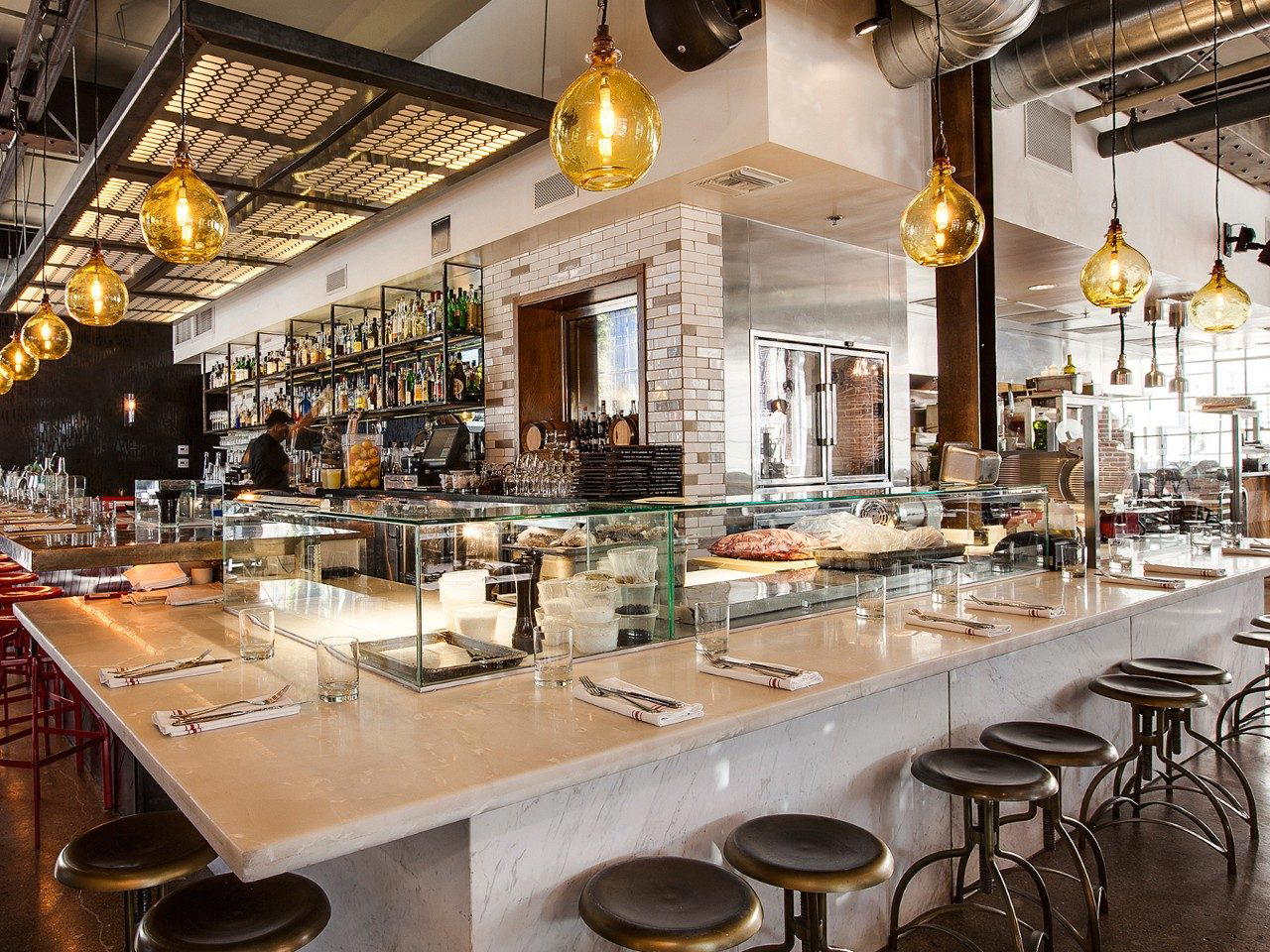
All restaurants in Orange →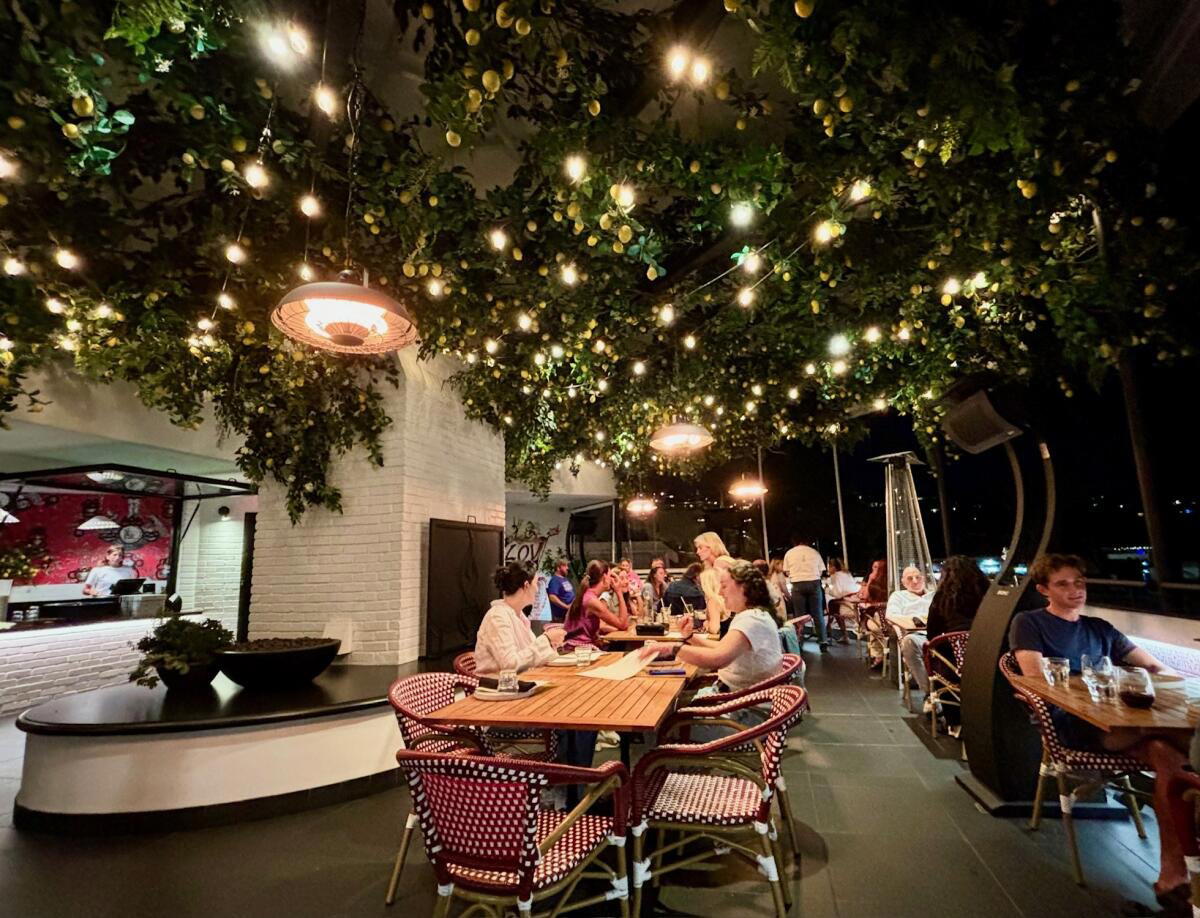
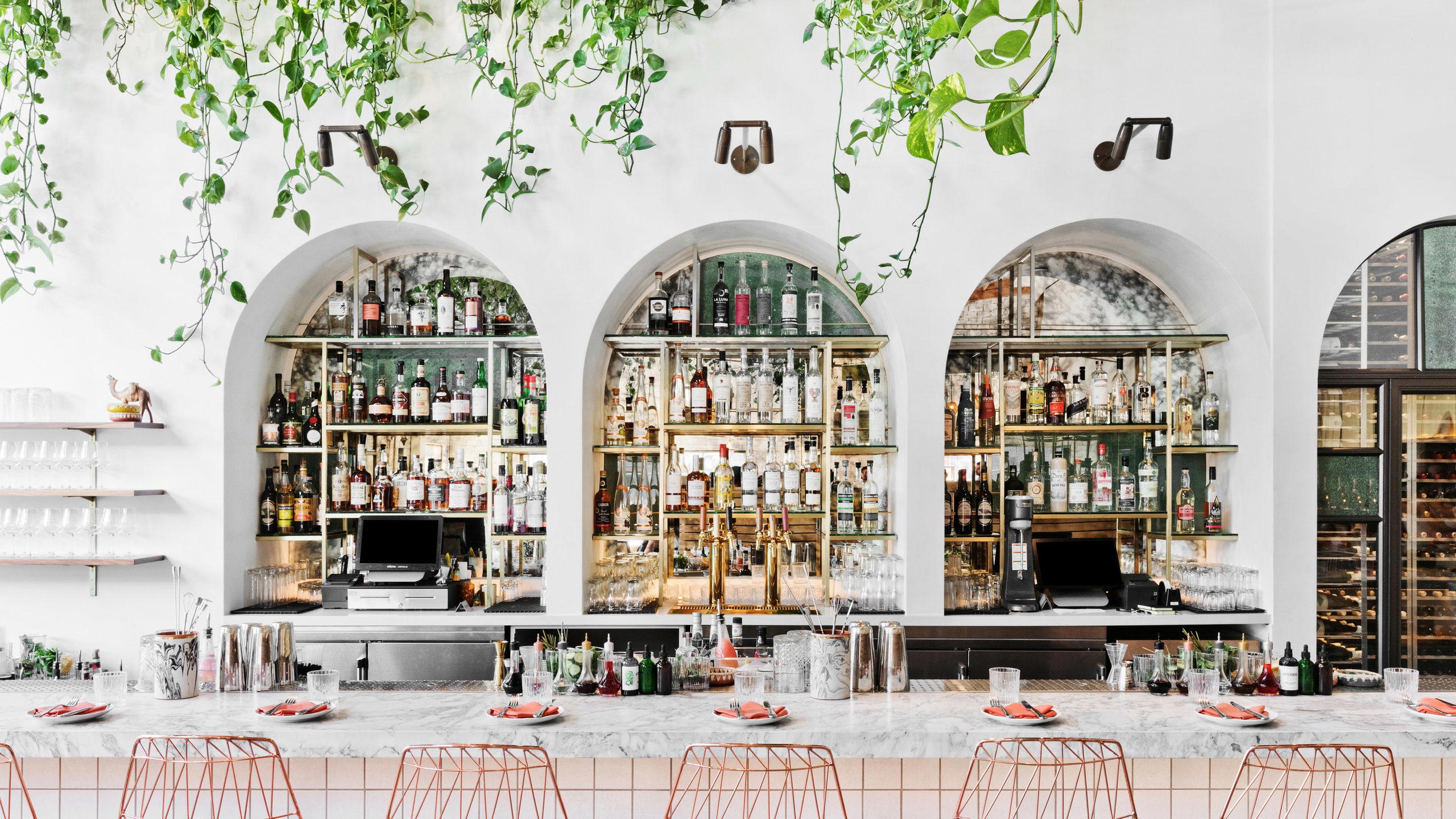
Bars in Orange
All bars in Orange →
Hotels in Orange
All hotels in Orange →


Wineries in Orange
Browse all →
Details
- Cozy
- Rustic
- Trendy
- Casual Hangout
- Date Night
- Open Kitchen
- Extensive Wine List
- Street Scene
- A La Carte
- Wine
Current opening hours
- Monday
- Closed
- Tuesday
- 5–9 PM
- Wednesday
- 5–9 PM
- Thursday
- 5–9 PM
- Friday
- 12–3 PM, 5–9 PM
- Saturday
- 12–3 PM, 5–9 PM
- Sunday
- 12–3 PM, 4–8 PM
Hours can change for holidays and private events. Hours as of .
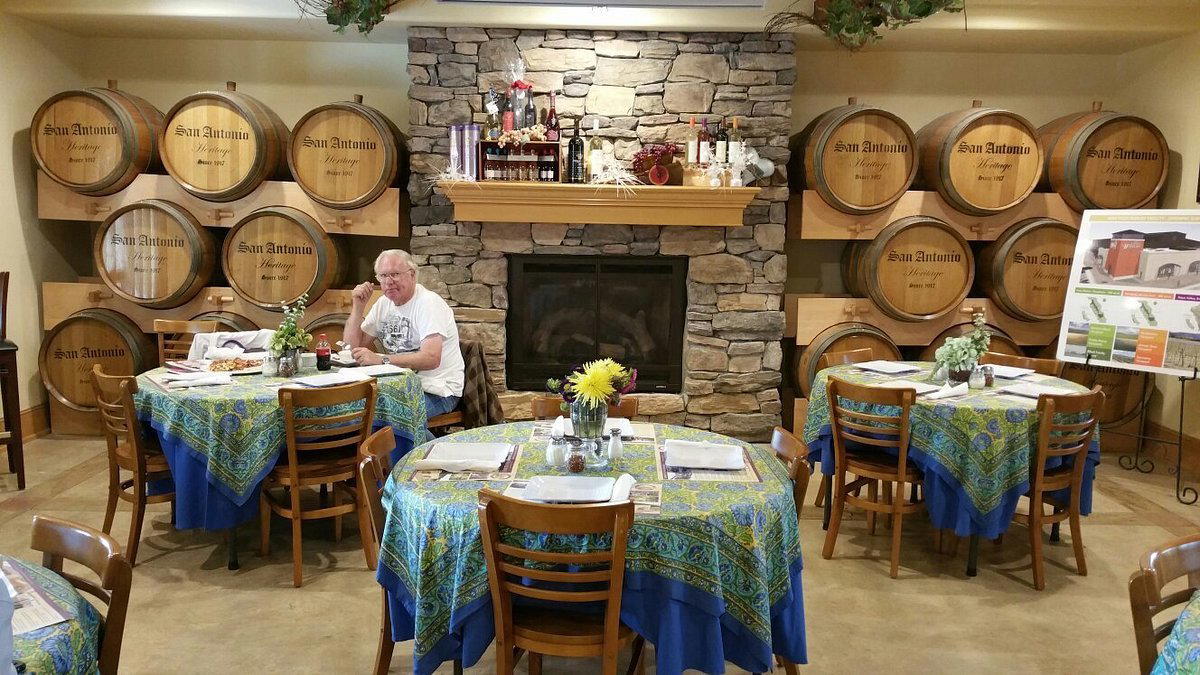
Cozy wood-fired pizzeria atmosphere with a neighborhood buzz, drawing long lines for dinner.