Pittaria
Pittaria sits at Falkenplatz 1 in Bern's Länggasse quarter, a neighbourhood where the city's university crowd and professional class share the same streets and, increasingly, the same tables. The address places it in a district where casual format and considered cooking have long coexisted, making it a useful lens through which to read how Bern's mid-register dining scene has been quietly evolving.
Pearl is the En Primeur Club membership app — saves, bookings, and concierge access live there. Same editors, same standards.
- Address
- Falkenpl. 1, 3012 Bern, Switzerland
- Phone
- +41313016555
- Website
- pittaria.ch
- Directions
- Get directions
 Saves & bookings on Pearl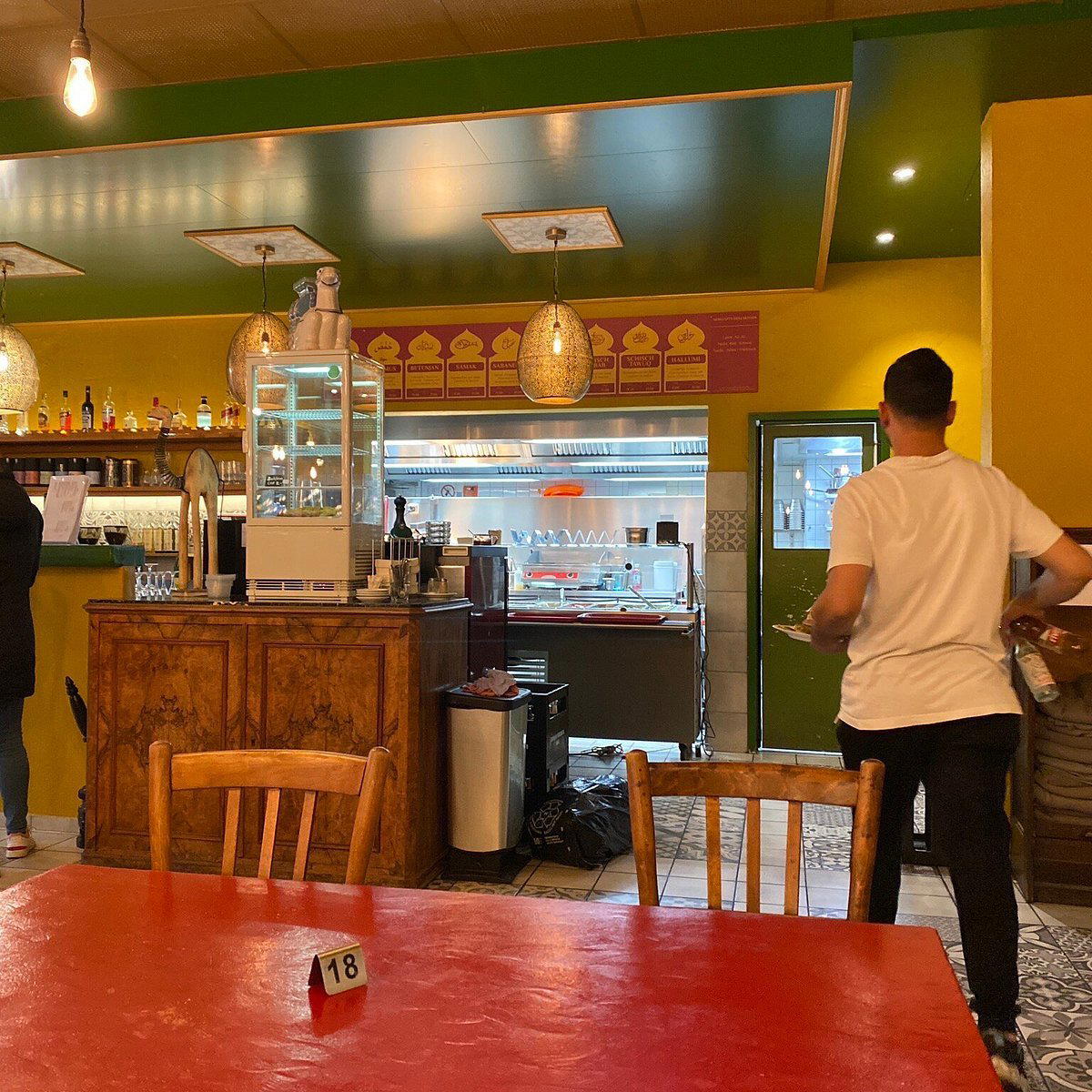
Falkenplatz and the Neighbourhood It Feeds
Bern's Länggasse district operates differently from the medieval arcade streets of the Altstadt. The federally protected old town draws tourists and expense-account dinners; Länggasse draws the University of Bern's academic staff, the city's younger professional cohort, and the kind of local who eats out three times a week without making a production of it. Falkenplatz sits near the district's western edge, and the addresses around it reflect that demographic mix: bakeries open at six, wine bars that stay lit past midnight, and a growing cluster of restaurants whose ambitions exceed their price points. Pittaria, at Falkenpl. 1, occupies one of those addresses.
That positioning matters editorially. Bern is not Zurich or Geneva. The Swiss capital lacks the financial-sector dining culture that sustains a dense tier of destination restaurants in those cities, and it lacks the tourist volume that keeps high-turnover Mediterranean dining profitable in Lucerne. What Bern has instead is a stable, educated, locally rooted dining public that rewards consistency and specificity over spectacle. The restaurants that thrive here tend to do one thing with conviction rather than many things with ambiguity.
A City Between Two Dining Registers
Switzerland's most celebrated kitchens cluster elsewhere. Cheval Blanc by Peter Knogl in Basel and Memories in Bad Ragaz operate in the same upper register. Bern contributes to Switzerland's dining conversation at a different frequency: the city's better restaurants serve as reliable neighbourhood institutions rather than destination pilgrimages.
Within Bern itself, the clearer reference points are Wein & Sein at the modern cuisine and four-price-bracket end, and Steinhalle in the creative category at the same tier. ZOE holds the vegetarian position at three brackets. Pittaria sits in a neighbourhood where those comparisons are felt rather than calculated: diners in Länggasse are aware of what the city offers, and they make choices based on mood, format, and occasion as much as cuisine category.
Format and the Question of Drink
In Swiss casual dining, the wine list is frequently an afterthought: a page of regional Fendant, a token Bordeaux, perhaps a Pinot Noir from Graubünden that arrived because the sales rep came on the right Tuesday. The gap between a restaurant's kitchen ambition and its cellar curation is one of the most reliable quality signals available to a first-time visitor, and in Bern it remains wider than in, say, Basel or Zurich's Kreis 4.
The restaurants in Bern that take their wine programs seriously tend to cluster around the modern cuisine format, where the food's precision demands a matching level of selection discipline. Wein & Sein's name is itself a declaration: wine and being, the pairing as philosophy rather than afterthought. That kind of commitment signals a particular type of guest relationship, one where the list is built to extend conversation rather than merely accompany food.
For restaurants operating in more casual or counter-service formats, the wine calculus shifts. The question becomes not cellar depth but curation intelligence: can a shorter list, selected with specificity, tell the guest something about the kitchen's point of view? A well-chosen eight-bottle selection from Swiss producers the guest has never encountered is more useful than a fifty-label list assembled by reflex. Pittaria's format and address place it in a district where that kind of edited approach has an audience.
Across Switzerland, a number of properties have demonstrated that ambitious wine thinking and non-destination formats are not mutually exclusive. 7132 Silver in Vals and focus ATELIER in Vitznau both operate within hotel contexts where the cellar is curated as seriously as the kitchen. Colonnade in Lucerne, Da Vittorio in St. Moritz, and Einstein Gourmet in Sankt Gallen each occupy different price tiers but share an understanding that the wine program is an extension of editorial identity. IGNIV Zürich by Andreas Caminada has demonstrated that sharing-format restaurants can sustain serious wine conversations without defaulting to the tasting-menu-and-sommelier formality that typically supports them.
Bern's Casual Register and Where Pittaria Sits Within It
The Falkenplatz corridor has accumulated a particular dining character over the past decade. It is not a destination strip in the way that parts of Zurich's Langstrasse or Geneva's Plainpalais have become, but it functions as a genuine neighbourhood dining zone where regulars outnumber newcomers and where restaurants earn their clientele through repetition rather than opening-week press. That dynamic tends to produce a different kind of quality: quieter, more consistent, less concerned with the theatrics that attract first visits and more attentive to the small details that bring people back on a Tuesday.
The comparison set at the casual-to-mid tier in Bern also includes Al Toque and Azzurro – Terra e Mare, both of which serve the city's appetite for specific, non-generic cuisine in formats that do not require event-level planning to attend. The market for that kind of offer in Bern is real and growing, fed in part by a population accustomed to the quality standards that come with living in one of Europe's highest-income cities, and in part by the creeping influence of Zurich and Basel dining culture on what Bernese diners now expect at every price point.
Internationally, the trajectory from casual format to serious drink program has been well documented. Le Bernardin in New York City and Atomix in New York City both demonstrate, at their respective levels, that curation consistency across food and drink is what separates a restaurant from a meal provider. The principle scales down: even at Pittaria's neighbourhood register, the gap between a considered wine approach and a perfunctory one is felt by the guest, even if they cannot name why.
Planning a Visit
Pittaria is located at Falkenpl. 1, 3012 Bern, within walking distance of the Länggasse tram stops on the number 9 line, which connects the district to Bern Hauptbahnhof in under ten minutes. The neighbourhood is pedestrian-friendly and the address is accessible without a car. Bern's dining scene is quietest in August, when the academic calendar pauses and parts of the city depopulate; the autumn and spring months, when the university is in session and the city's professional life runs at full speed, tend to be the more reliable windows for neighbourhood restaurants in this district. For broader context on where Pittaria sits within the city's dining offer, the EP Club Bern restaurants guide maps the full range from neighbourhood casual to the city's upper tier.
Continue exploring
More in Bern
Restaurants in Bern
Browse all →
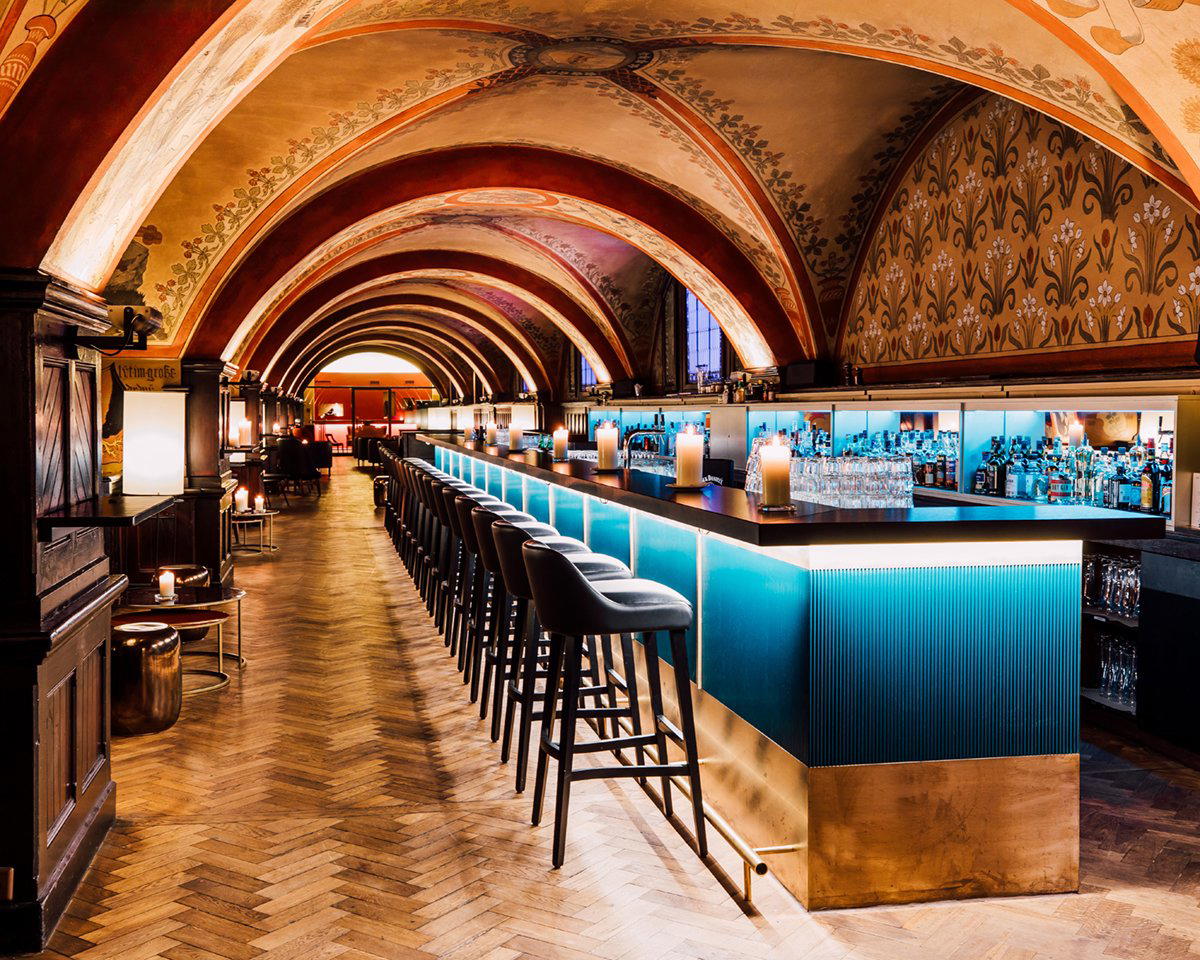
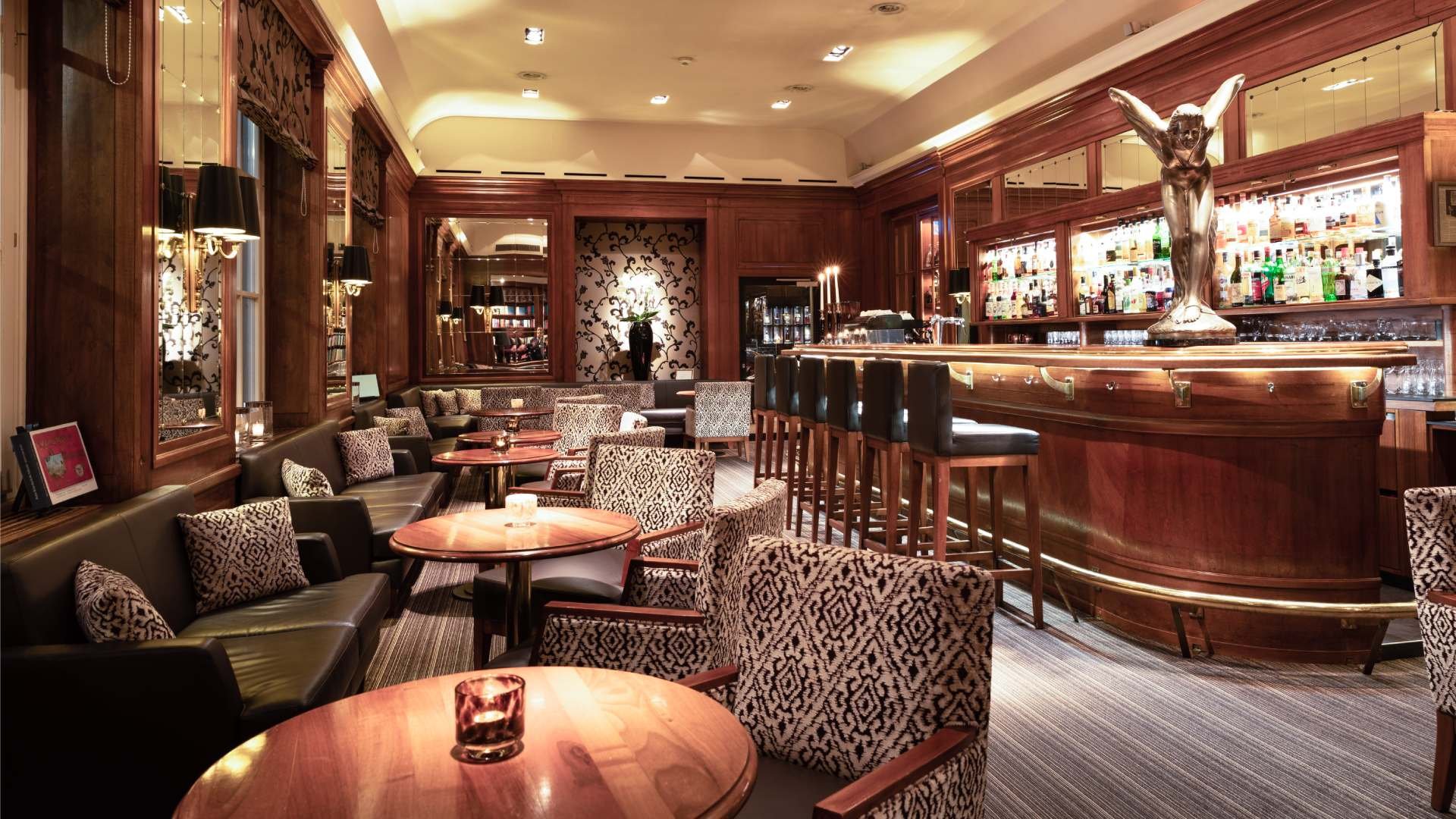
Bars in Bern
Browse all →
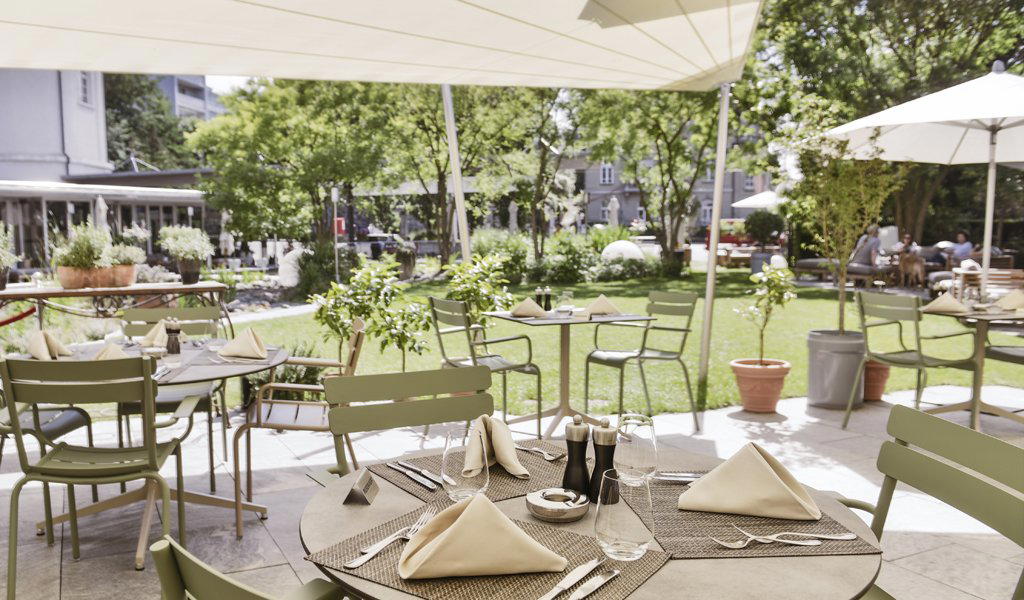
Hotels in Bern
Browse all →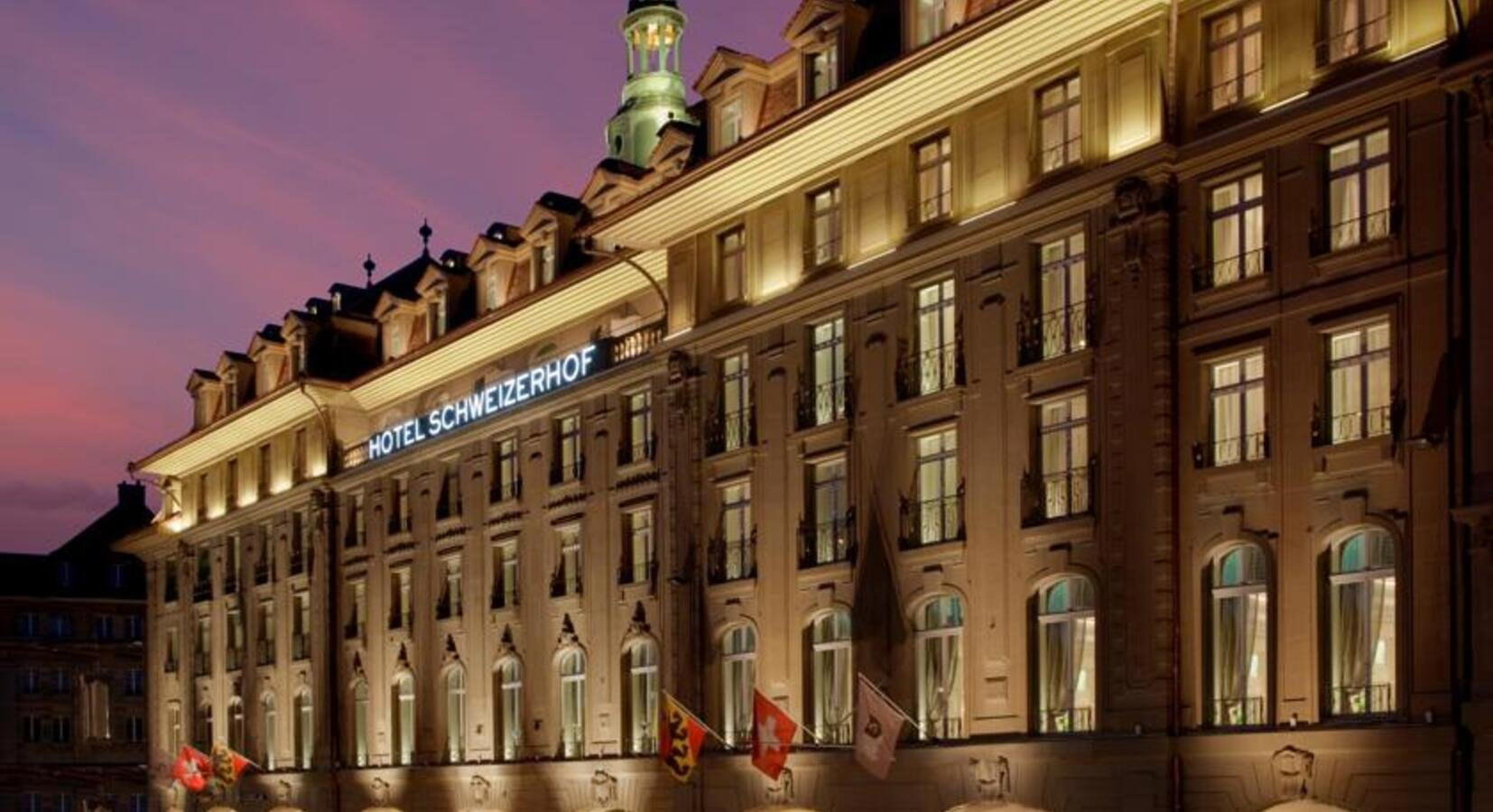

At a Glance
- Cozy
- Trendy
- Casual Hangout
- Open Kitchen
- Local Sourcing
Current opening hours
- Monday
- 11 AM–3 PM, 5–10:30 PM
- Tuesday
- 11 AM–3 PM, 5–10:30 PM
- Wednesday
- 11 AM–3 PM, 5–10:30 PM
- Thursday
- 11 AM–3 PM, 5–10:30 PM
- Friday
- 11 AM–3 PM, 5–10:30 PM
- Saturday
- 11:30 AM–10:30 PM
- Sunday
- Closed
Hours can change for holidays and private events. Last verified .
Casual oriental atmosphere with youthful decor, fun colors, simple tables, and chairs.
Know Before You Go
- Getting there
- Falkenpl. 1, 3012 Bern, Switzerland