Musigbistrot
A neighbourhood bistrot on Mühlemattstrasse, Musigbistrot occupies the quieter residential fringe of Bern's dining scene, away from the tourist-facing addresses concentrated in the Altstadt. The format sits in the informal, community-anchored tier of Swiss city dining, where repeat locals rather than passing visitors set the tone. For travellers who want to read a city through its everyday restaurant culture, it offers a different register than Bern's more formal options.
Pearl is the En Primeur Club membership app — saves, bookings, and concierge access live there. Same editors, same standards.
- Address
- Mühlemattstrasse 48, 3007 Bern, Switzerland
- Phone
- +41313721032
- Website
- musigbistrot.ch
- Directions
- Get directions
 Saves & bookings on Pearl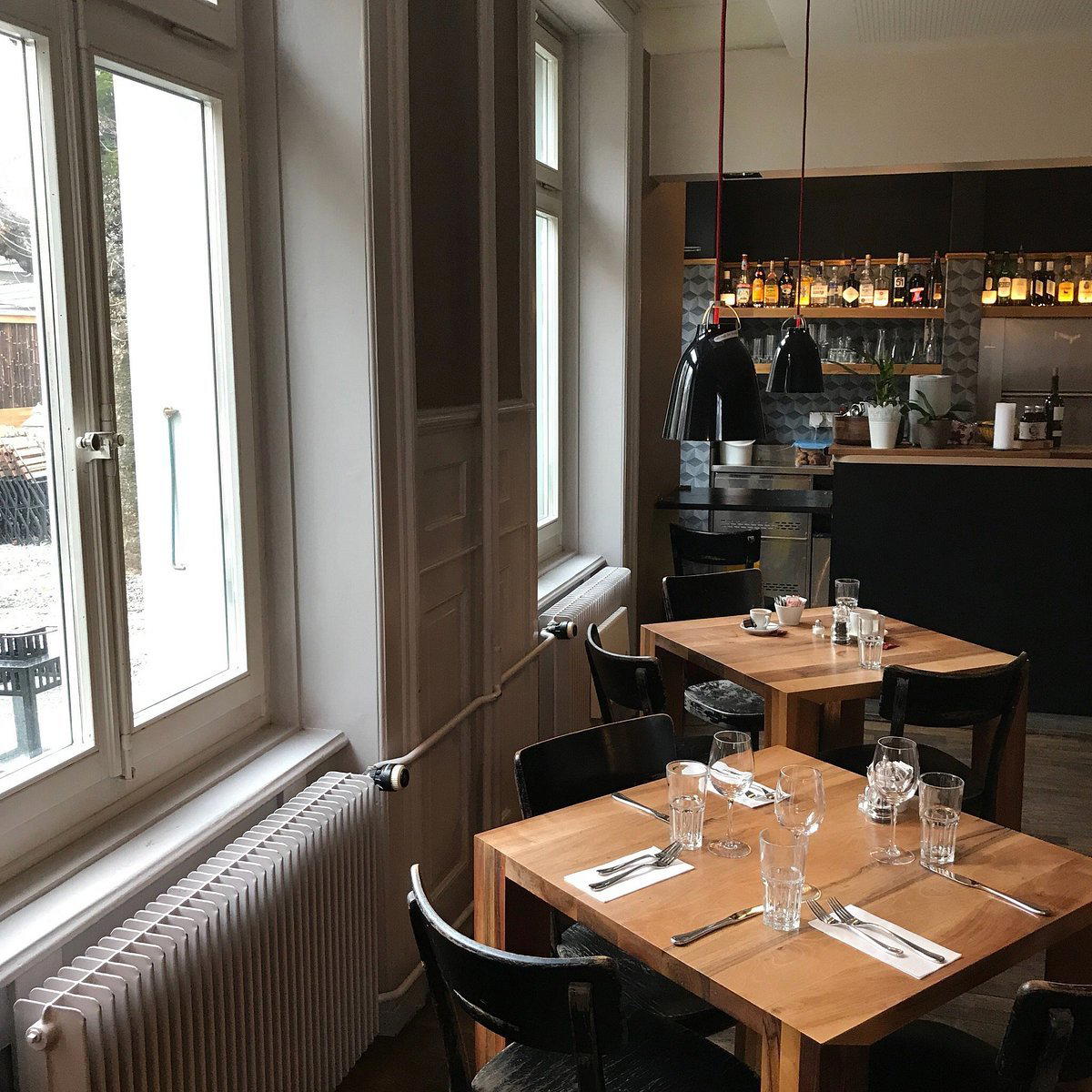
The Residential Bistrot Tier in a Federal City
Bern's restaurant geography divides more cleanly than most Swiss capitals. The Altstadt corridor, with its sandstone arcades and UNESCO visibility, draws the obvious concentration of formal dining rooms and tourist-facing menus. Below that layer sits a quieter infrastructure: neighbourhood-anchored bistrots in residential quarters that function less as destinations and more as annexes to local life. Musigbistrot, at Mühlemattstrasse 48 in the 3007 postcode, belongs to this second tier. The address places it south of the old city centre, in a district characterised by apartment blocks, commuter rhythms, and the kind of foot traffic that comes from people who actually live nearby rather than people consulting a map.
This residential positioning is itself an editorial statement. In cities where fine dining competes for the same central square footage, the bistrot that migrates outward tends to be making a deliberate choice about its audience and its pace. That pattern runs across European dining culture: the arrondissement bistrot in Paris, the trattoria di quartiere in Milan, the Beizli in Zurich. Bern has its own version of this format, and Musigbistrot occupies that space on the city's southern residential edge.
How the Format Has Shifted
The Swiss neighbourhood bistrot has been through a recognisable arc over the past two decades. Through the 1990s and early 2000s, the category was defined by fixed menus, predictable wine lists drawn from Swiss German négociant stock, and a service style inherited from the old Gasthof tradition. Then a generation of younger operators, trained through Swiss hospitality schools or stints in more progressive European kitchens, began reimagining what a local restaurant could be without abandoning its neighbourhood function. The result, across Bern and Zurich alike, was a wave of places that kept the informality and the pricing logic of the bistrot format but sharpened the cooking and, more often than not, the wine selection.
Where Musigbistrot sits within that evolution is a question the sparse public record leaves open. The name itself, combining the German Musik with the French bistrot, signals a bilingual cultural sensibility that maps onto Bern's position as the hinge point between German-speaking and French-speaking Switzerland. What it does suggest is a venue that has, at some point, thought about how it wants to present itself within the broader Bern dining conversation — and that presentation leans away from the purely Teutonic Gasthof register toward something more hybrid.
Placing Musigbistrot in Bern's Current Dining Context
To understand where Musigbistrot sits, it helps to map the tiers above and below it. At the formal end of Bern dining, venues like Wein & Sein (Modern Cuisine) and Steinhalle (Creative) operate at the €€€€ price point, with cooking that positions them against Switzerland's broader fine-dining circuit. ZOE (Vegetarian) occupies the €€€ band with a plant-focused format that has found consistent traction among younger professional diners. Across town, Al Toque and Azzurro – Terra e Mare extend the mid-range conversation in different directions. Musigbistrot's residential address and bistrot framing suggest it operates below the formal tier, in the everyday category where price accessibility and neighbourhood loyalty carry more weight than tasting-menu ambition.
That positioning matters more than it might appear. Switzerland's restaurant culture is not uniform: the same country that produces Hotel de Ville Crissier in Crissier and Schloss Schauenstein in Fürstenau at the haute-cuisine end also sustains a dense, functional bistrot culture that does most of the daily work of feeding people well. Cheval Blanc by Peter Knogl in Basel, Memories in Bad Ragaz, 7132 Silver in Vals, and focus ATELIER in Vitznau occupy the prestige tier; venues like Musigbistrot occupy the tier that makes a city's dining culture feel inhabited rather than performed.
The Mühlemattstrasse Address and What It Implies
Arriving at a residential bistrot like this one via the 3007 postcode puts the visitor immediately outside the tourist-facing loop. The street has the character of a functional neighbourhood thoroughfare rather than a destination strip: apartment buildings, local services, the occasional specialty shop. For a bistrot, this kind of address is both a constraint and an asset. It limits walk-in traffic from visitors who navigate by recommendation app, but it builds a local clientele that returns with regularity and keeps the room's energy anchored to neighbourhood life rather than event dining.
This dynamic appears across Swiss cities. In Zurich, IGNIV Zürich by Andreas Caminada operates at the prestige end with a format designed for occasion dining, while the Kreis 4 and Kreis 5 bistrots function as the city's daily fabric. Bern's equivalent grain runs through neighbourhoods like the 3007 district. For visitors willing to cross the threshold of the obvious, these addresses tend to deliver the most honest read on what a city actually eats on a Tuesday evening. Einstein Gourmet in Sankt Gallen, Colonnade in Lucerne, and Da Vittorio - St. Moritz in St. Moritz each serve their own distinct tier and audience; the neighbourhood bistrot serves a different purpose entirely.
Planning a Visit
Given the absence of confirmed booking data, contacting the venue directly before visiting is the practical approach, particularly for groups or weekend evenings when neighbourhood spots at this scale typically fill from regulars. The Mühlemattstrasse address is reachable by tram from Bern's central station, with the 3007 postcode sitting within the city's well-connected public transport grid — a journey of ten to fifteen minutes from the Altstadt by standard city routes. Those planning a broader Bern dining itinerary can use our full Bern restaurants guide to map Musigbistrot alongside the city's other tiers. For the wider Swiss context, the contrast between this neighbourhood format and destination restaurants elsewhere in the country, from Le Bernardin in New York City-calibre ambition to the local-focused approach of addresses like this one, illustrates how broad the Swiss dining conversation has become. Atomix in New York City represents one end of the global dining spectrum; Musigbistrot, in its residential quarter, occupies a register that is no less considered for being quieter.
Continue exploring
More in Bern
Restaurants in Bern
Browse all →
Bars in Bern
Browse all →
Hotels in Bern
Browse all →

At a Glance
- Cozy
- Intimate
- Casual Hangout
- Date Night
- Live Music
- Open Kitchen
- Local Sourcing
- Garden
Current opening hours
- Monday
- 10 AM–11 PM
- Tuesday
- 10 AM–11 PM
- Wednesday
- 10 AM–11 PM
- Thursday
- 10 AM–11 PM
- Friday
- 10 AM–11 PM
- Saturday
- 6–11 PM
- Sunday
- Closed
Hours can change for holidays and private events. Last verified .
Cozy garden under trees in summer with eclectic interior featuring wooden tables, ethnic furnishings, plants, and low-hanging lamps creating a warm, relaxed atmosphere.
Know Before You Go
- Getting there
- Mühlemattstrasse 48, 3007 Bern, Switzerland