Chu Garden
Chu Garden serves Korean BBQ with Chinese influences at Seftigenstrasse 47 in Bern, with an open kitchen, terrace, and a casual, conversational pace for lunch or dinner.
Pearl is the En Primeur Club membership app — saves, bookings, and concierge access live there. Same editors, same standards.
- Address
- Seftigenstrasse 47, 3007 Bern, Switzerland
- Phone
- +41313728686
- Website
- chugarden.com
- Directions
- Get directions
 Saves & bookings on Pearl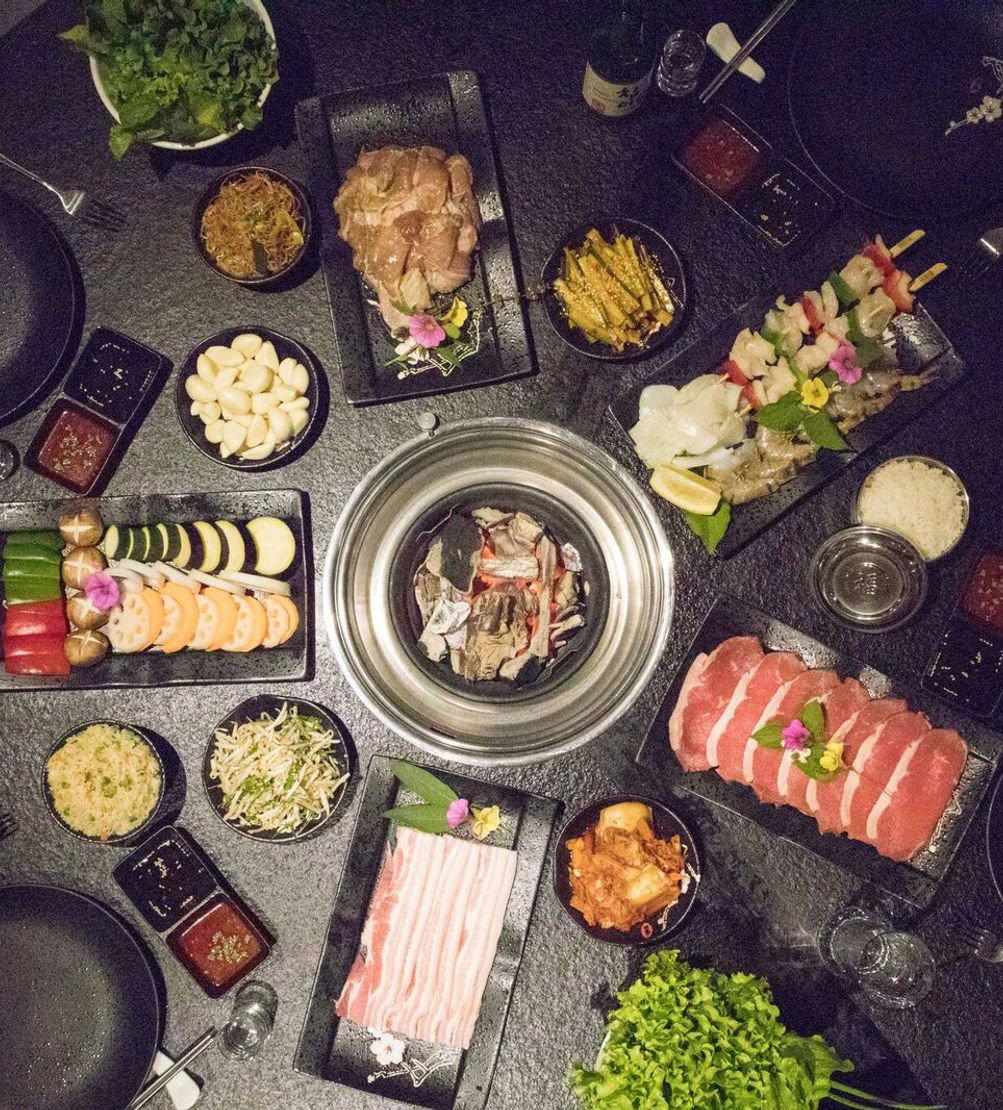
A Garden Address on Seftigenstrasse
Seftigenstrasse cuts through one of Bern's quieter residential quarters, south of the Bundeshaus and away from the arcade-lined streets of the old town. The area draws a local crowd rather than a tourist one, and restaurants along this corridor tend to reflect the neighbourhood's preference for substance over spectacle. Chu Garden sits at number 47, a modest address that gives little away from the outside. The name signals Chinese cooking in a city where that category spans an enormous range, from fast-casual to something considerably more considered. Where Chu Garden lands on that spectrum is the relevant question for anyone arriving with specific expectations.
What Chinese Dining Looks Like in Bern
Bern's restaurant scene has developed a sharper identity over the past decade, with creative kitchens like Steinhalle and modern-cuisine rooms like Wein & Sein establishing a tier of serious, destination dining within the city. Vegetarian and produce-led concepts such as ZOE have added further range. Chinese cooking occupies a separate lane entirely, one that in many Swiss cities has remained caught between the set-menu lunch trade and the broader casualisation of Asian dining. The more interesting Chinese kitchens in Switzerland have tended to push toward regional specificity, whether Cantonese dim sum discipline, the numbing heat of Sichuan peppercorn, or the braised depth of Shanghainese tradition. These regional distinctions matter because they determine everything from sourcing and technique to the kind of diner the kitchen is actually trying to reach.
In Bern specifically, the competition set for Chinese restaurants remains relatively underdeveloped compared to Zurich, where a larger expat population and higher dining turnover have supported more ambitious Asian kitchens. That gap creates an opportunity for any operator willing to commit to a clearer regional identity. It also means that diners expecting the precision and density of a major-city Chinatown will need to calibrate accordingly. The neighbourhood context at Seftigenstrasse 47 suggests a room oriented toward regulars and local professionals rather than out-of-town visitors making a special trip.
Atmosphere and the Sensory Register
The name Chu Garden carries a particular sensory promise. Gardens in Chinese culinary tradition are rarely literal; they evoke a quality of care, of cultivation, of something tended over time. In Hong Kong and Taipei, restaurant names invoking garden imagery have historically been associated with Cantonese banquet formats, where the pacing is long and the table is arranged for sharing. Whether that association applies here is a matter for the room itself to confirm, but the framing sets an expectation of composed hospitality rather than hurried service.
Chinese restaurants in European cities at this address type, residential street-level in a mid-sized capital, typically offer the kind of atmosphere that prioritises warmth over drama. The visual register tends toward amber light, dark wood or lacquer surfaces, and the ambient sound of a half-full dining room rather than the high-energy circulation of a large-format venue. That atmosphere, when it works, produces a specific kind of ease: a room where the food is allowed to do the talking without the dining experience being engineered into spectacle. This is a different proposition from Bern's more theatrical dining rooms, and it appeals to a different kind of evening.
Placing Chu Garden in Switzerland's Wider Chinese Dining Context
Switzerland's highest-profile dining happens at addresses like Hotel de Ville Crissier in Crissier, Schloss Schauenstein in Fürstenau, and Cheval Blanc by Peter Knogl in Basel. These are European fine-dining institutions operating in the Swiss luxury tier, and they represent one end of the country's hospitality ambition. Further along the spectrum are technically serious rooms like Memories in Bad Ragaz, 7132 Silver in Vals, and Colonnade in Lucerne. Chinese cooking has not yet placed at this level of recognition in Switzerland, though that reflects the structure of European fine-dining recognition systems as much as the quality of the cooking itself. Michelin's Swiss coverage has historically been French-technique-weighted, and regional Asian cuisines have rarely received the same critical infrastructure in continental Europe that they do in the UK or Australia.
The more relevant comparison set for Chu Garden is the community of neighbourhood Chinese restaurants across Bern and its surrounding cantons, where consistency, value, and a reliable kitchen are the defining metrics. Restaurants like Al Toque and Azzurro - Terra e Mare occupy adjacent positions in Bern's mid-to-upper neighbourhood dining tier, each with a specific cuisine anchor and a local clientele. The dynamic across Bern's international kitchens reflects the city's function as a working federal capital rather than a leisure or tourist destination, and that shapes what gets rewarded over time.
For broader Swiss restaurant context, the EP Club Bern restaurants guide maps the full range of the city's dining options across price tiers and cuisine categories. Internationally, the kind of Chinese fine dining that has attracted significant critical attention in recent years has come from kitchens in New York, where restaurants like Atomix have demonstrated how rigorous Asian culinary traditions can be presented in a fine-dining register. Closer to the French-technique end of New York's spectrum, Le Bernardin offers a useful reference point for what sustained critical recognition looks like when a kitchen commits fully to its identity over decades. Back in Switzerland, the ambition at IGNIV Zürich by Andreas Caminada, Da Vittorio in St. Moritz, Einstein Gourmet in Sankt Gallen, and focus ATELIER in Vitznau underscores how seriously the country's kitchen culture has developed across multiple formats.
Planning a Visit
The restaurant is located at Seftigenstrasse 47, 3007 Bern, reachable by tram from the city centre in under ten minutes. The residential character of the street means parking is typically easier than in the old town, and the area is quiet enough that arriving on foot from the nearest stop is a direct approach. Because verified booking details, hours, and pricing are not publicly confirmed in EP Club's database at this time, contacting the restaurant directly before your visit is advisable, particularly for larger groups or dietary requirements. Bern restaurants in this neighbourhood tier generally operate Tuesday through Saturday dinner service, but confirmation is worth the extra step. For allergy-specific queries or questions about walk-in availability, reaching out in advance will give you a clearer picture of what the kitchen can accommodate on a given evening.
How Chu Garden Bern compares with similar nearby venues.
| Venue | Cuisine | Price |
|---|---|---|
| Essort | International | €€€ |
| Landhaus Liebefeld | Classic French | €€ |
Continue exploring
More in Bern
Restaurants in Bern
Browse all →
Bars in Bern
Browse all →
Hotels in Bern
Browse all →

At a Glance
- Lively
- Cozy
- Group Dining
- Family
- Celebration
- Open Kitchen
- Terrace
Current opening hours
- Monday
- 11:30 AM–2:30 PM, 5:30–11 PM
- Tuesday
- Closed
- Wednesday
- 5:30–11 PM
- Thursday
- 11:30 AM–2:30 PM, 5:30–11 PM
- Friday
- 11:30 AM–2:30 PM, 5:30–11 PM
- Saturday
- 11:30 AM–2:30 PM, 5:30–11 PM
- Sunday
- 11:30 AM–2:30 PM, 5:30–11 PM
Hours can change for holidays and private events. Last verified .
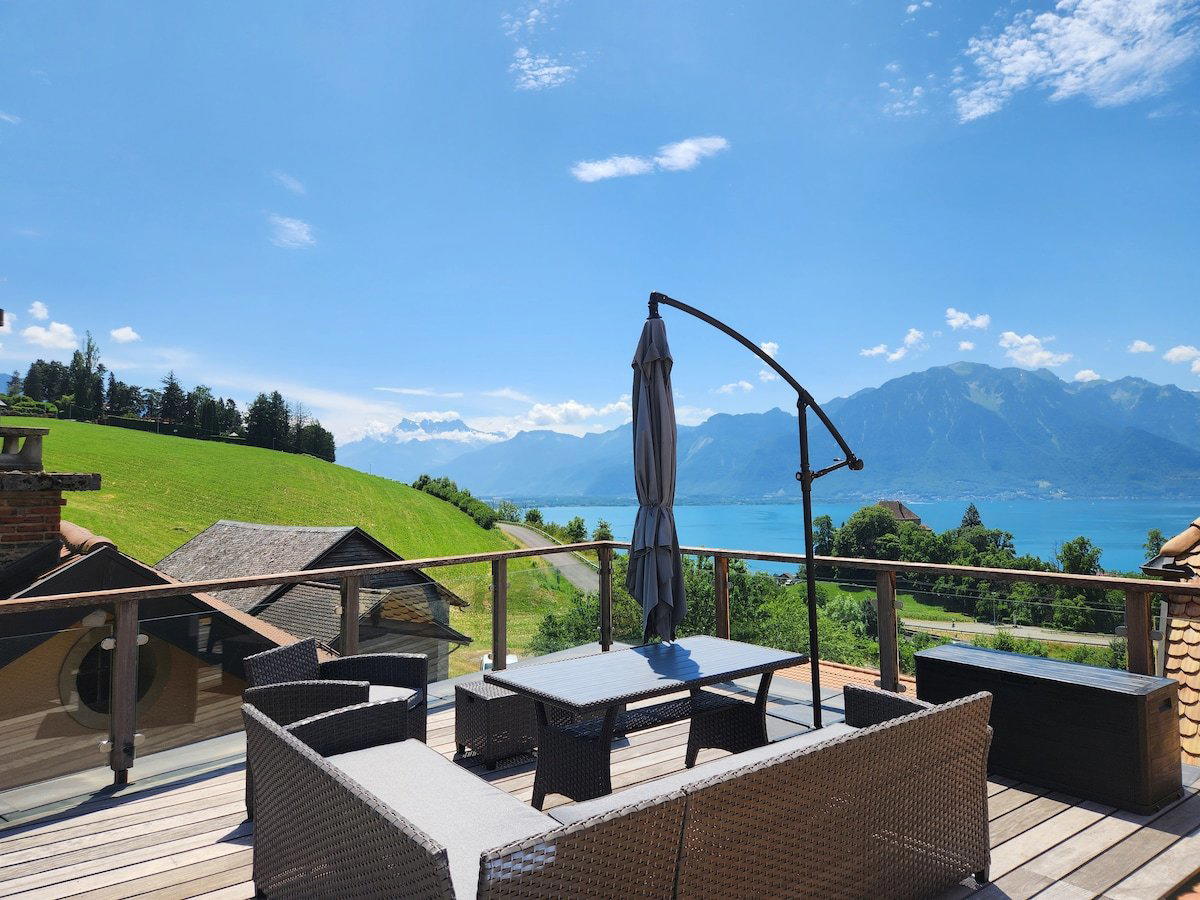
Casual and interactive atmosphere with table-side grilling and summer terrace seating.