Pithos sits on Ul. Jurja Žerjavića in Zagreb's quieter residential fringe, operating in a category of Croatian dining that treats sustainability not as a marketing position but as a structural commitment. Where Zagreb's upper tier tends toward modern European technique, Pithos narrows its focus to ethical sourcing and waste-conscious kitchen practice, placing it in a distinct niche within the city's growing serious-dining scene.
Pearl is the En Primeur Club membership app — saves, bookings, and concierge access live there. Same editors, same standards.
- Address
- Ul. Jurja Žerjavića 7, 10000, Zagreb, Croatia
- Phone
- +38514854382
- Website
- pithos.hr
- Directions
- Get directions
 Saves & bookings on Pearl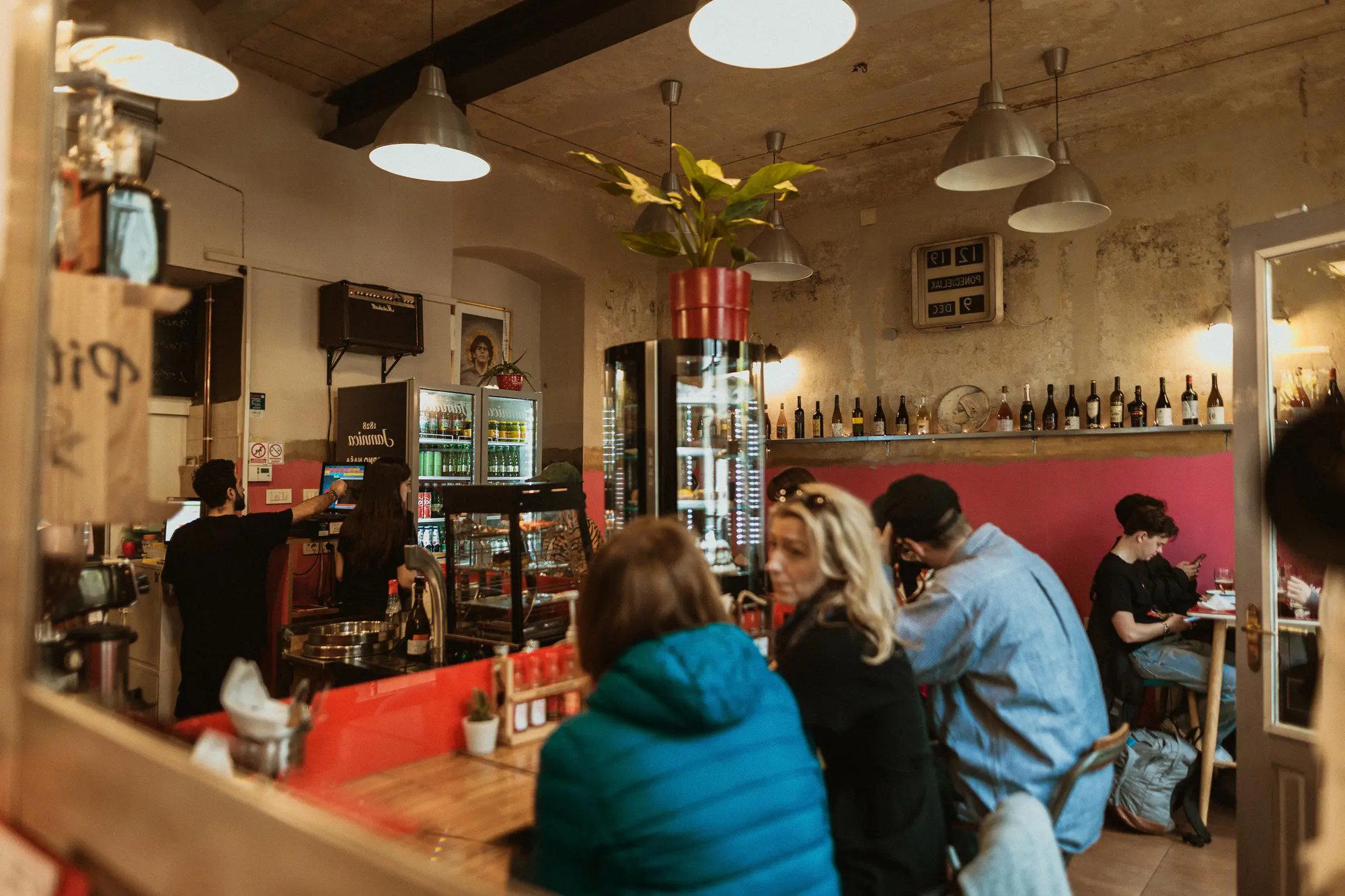
A Zagreb Address Where the Philosophy Precedes the Menu
Zagreb's serious dining scene has spent the last decade sorting itself into recognisable tiers. At one end sit the grand-gesture restaurants, long tasting menus, imported technique, Michelin attention, represented locally by addresses like Noel, which operates at the €€€€ ceiling and signals ambition through format as much as ingredient. At the other end, neighbourhood spots hold the middle ground with familiar Croatian produce and modest pricing. Pithos is a restaurant serving homemade Croatian food at Ul. Jurja Žerjavića 7, Zagreb. Its address sits in a quieter residential corridor away from the Gornji Grad tourist drag, and the kitchen operates with a set of priorities, ethical sourcing, waste reduction, ecological coherence, that separate it from both the showcase dining of the city's most decorated tables and the casual pragmatism of its cheaper end.
In European dining broadly, the sustainability conversation has matured past the point of novelty. Restaurants that built identities around organic credentials in the early 2010s now compete with kitchens where low-intervention supply chains and nose-to-tail discipline are simply assumed. Croatia has been slower to formalise this shift than Scandinavia or the Basque Country, but pockets of genuine commitment exist. Pithos belongs to that pocket.
What the Name Signals
A pithos is a large ceramic storage vessel used across the ancient Mediterranean, the kind used to ferment, preserve, and age food and wine before the logic of refrigeration existed. The choice of name is not decorative. It points toward a set of kitchen values: patience in production, respect for preservation, and an interest in the metabolic relationship between food and time. Restaurants in Croatia and across the Adriatic that lean into this register, Boskinac in Novalja and Pelegrini in Sibenik both work with deep-rooted Croatian ingredient traditions, tend to treat their supply geography as a point of editorial integrity rather than a promotional asset. That distinction matters in how the food reads on the plate.
Sustainability as Structure, Not Signage
Particularly substantive sustainability commitments in contemporary dining are invisible to the diner at the table. They exist in supplier contracts, in how kitchen prep is scheduled to reduce spoilage, in whether off-cuts are composted or incorporated. Restaurants in Croatia's coastal fine dining circuit, Agli Amici Rovinj and LD Restaurant in Korčula among them, have built reputations partly on provenance transparency. Zagreb, being inland, operates with a different supply reality: less direct access to Adriatic seafood at source, more dependency on continental Croatian produce, Slavonian grain, and upland livestock.
For a Zagreb restaurant committed to ethical sourcing, that geography is both a constraint and a clarifying force. The Adriatic drama of fresh-off-the-boat fish is unavailable as a default. What remains is a tighter focus on what the Croatian interior actually produces well: aged cheeses, foraged herbs, cured meats, freshwater fish from rivers like the Sava and Kupa, and seasonal vegetables from the market networks that still run through Dolac and its regional equivalents. This is not second-leading; it is a different register entirely, and Pithos appears to work within it rather than around it.
Zagreb's dining scene has peers worth mapping against for context. Dubravkin Put operates at the €€€ tier with a Mediterranean emphasis and a long-established reputation in the city's park-adjacent upper neighbourhoods. Izakaya occupies the affordable end with Japanese contemporary format. Al Dente and Amfora fill out the mid-range. Pithos does not fit neatly into any of these categories, which is itself an editorial signal about where its priorities lie.
The Broader Croatian Context
Croatia's restaurant culture has developed unevenly across geography. The coast and islands attract disproportionate critical attention, Restaurant 360 in Dubrovnik, Krug in Split, and Nebo by Deni Srdoč in Rijeka all operate within view of the sea and benefit from the seasonal tourism economy that funds ambition in coastal kitchens. Zagreb operates on different terms: a year-round city restaurant economy, a local professional clientele rather than a rotating tourist one, and less access to the kind of ingredient theatre that saltwater geography enables.
That year-round pressure can produce more rigorous cooking. When a restaurant cannot rely on summer visitors cycling through, its regulars become its critics, and consistency matters more than spectacle. Addresses like Korak in Jastrebarsko, working just outside the Zagreb orbit, have built reputations on exactly this logic: a committed local audience, deep supplier relationships, and food that improves incrementally across seasons rather than resetting each June.
Pithos operates in this same tradition. The name and address suggest a restaurant interested in slow processes and patient sourcing rather than seasonal reinvention for its own sake. In a European context where restaurants built around ecological commitment, think of the farm-to-table infrastructure behind addresses like Alfred Keller in Mali Lošinj or the ingredient discipline at BioMania Bistro Bol, are beginning to define a recognisable Croatian alternative to the coast-and-fish default, Pithos fits a pattern that is gathering momentum.
Planning Your Visit
Pithos is located at Ul. Jurja Žerjavića 7 in Zagreb, a short distance from the city's tram network, which makes it accessible from the centre without requiring a car. The address sits in a residential zone that functions more as a neighbourhood restaurant than a destination dining address in the conventional sense, which tends to mean a quieter room and a more settled pace than the centre's busier dining corridors. Pithos is walk-in friendly, open Monday through Friday from 9 AM to 5 PM, and closed on Saturdays and Sundays.
A Tight Comparison
Comparable venues nearby, for context on price, style, and recognition.
| Venue | Cuisine | Price | Notes |
|---|---|---|---|
| PithosThis venue — the venue you are viewing | Zagreb, Homemade Croatian | $$ | Not listed |
| Market street food & drinks | City Centre, Modern Croatian Bistro | $$ | Not listed |
| Arepera Maracay | Not listed | $$ | Zagreb City Center, Venezuelan Street Food |
| Wirtshaus | Gračani, Austrian | $$ | Not listed |
| Reunion POP | Not listed | $$ | City Centre, Modern Croatian Mediterranean |
| Kod Pere | Gornji Grad, Traditional Croatian | $$ | Not listed |
Continue exploring
More in Zagreb
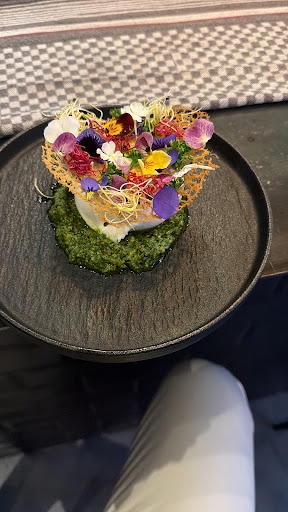
Restaurants in Zagreb
Browse all →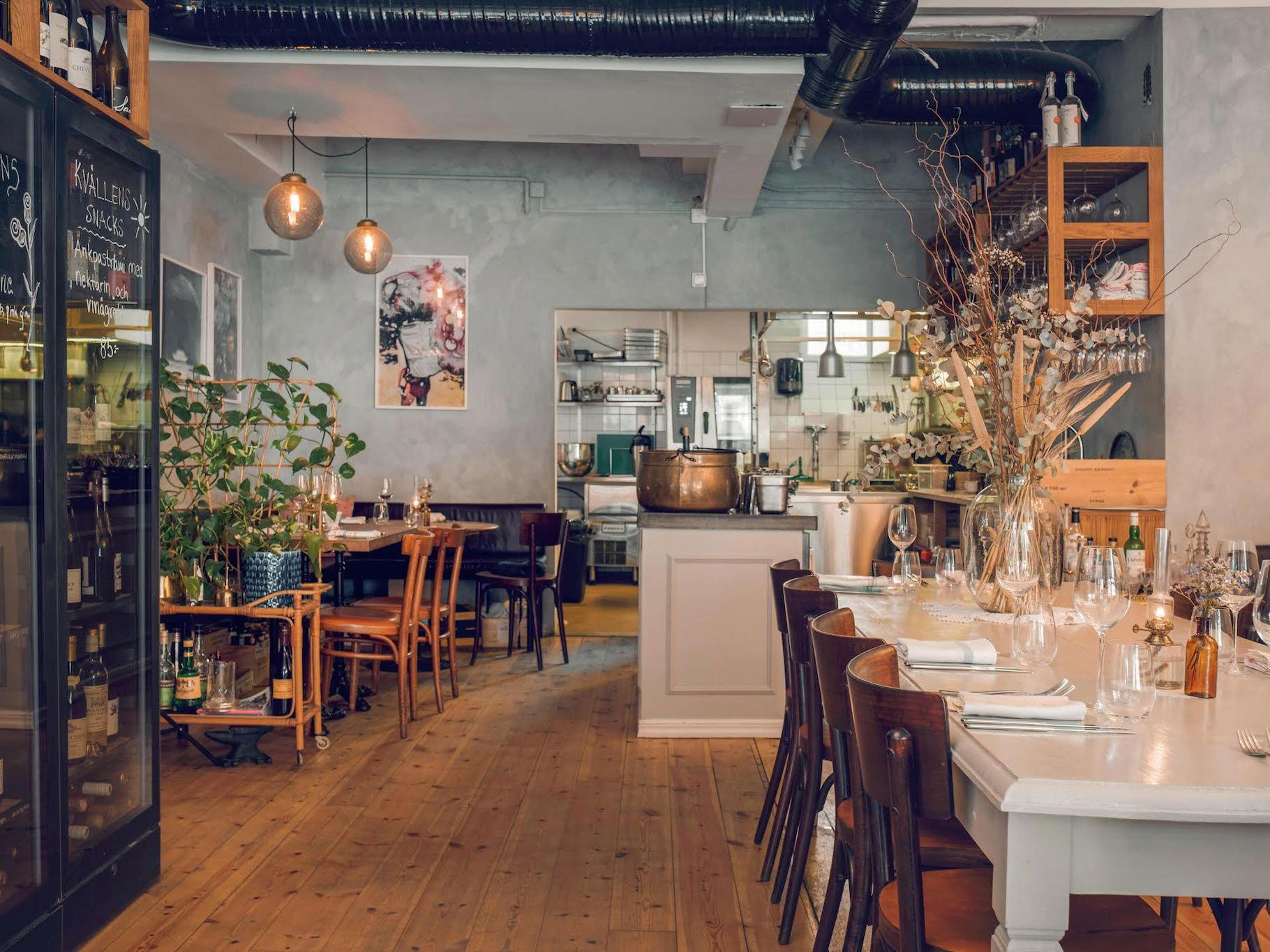
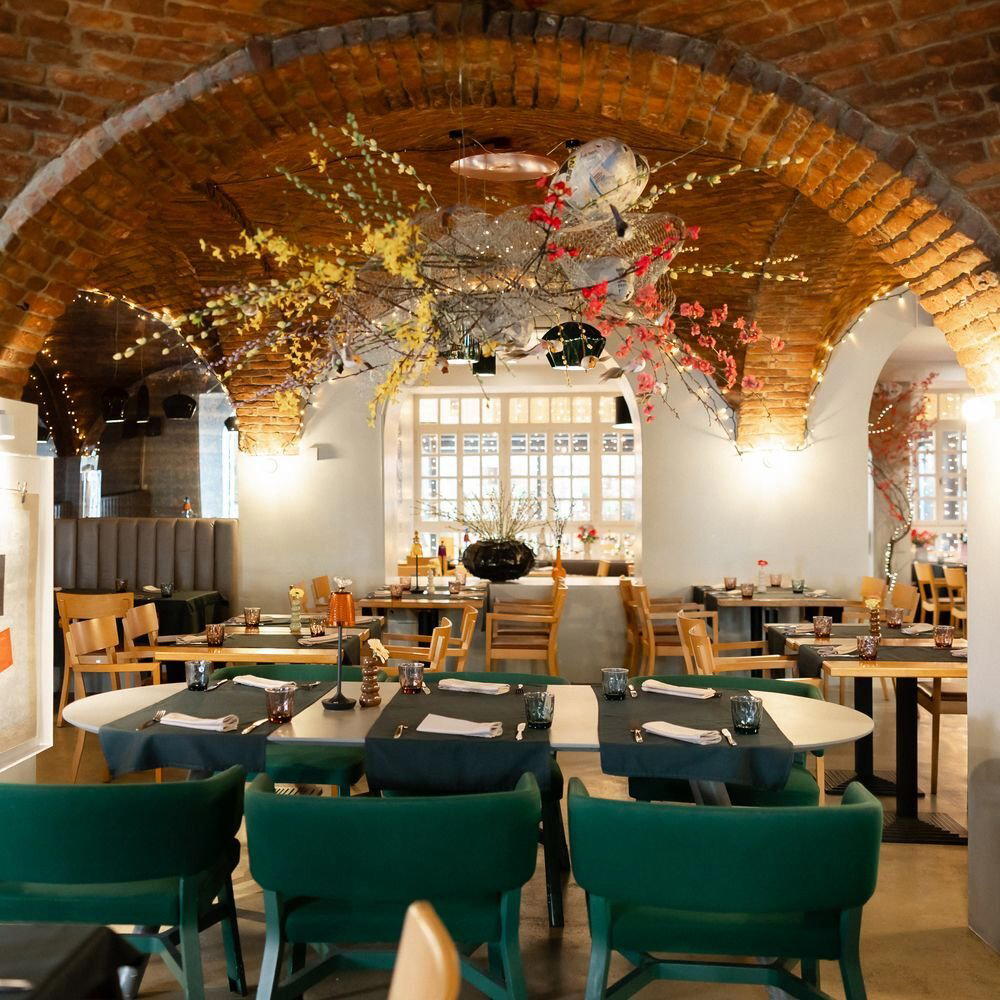
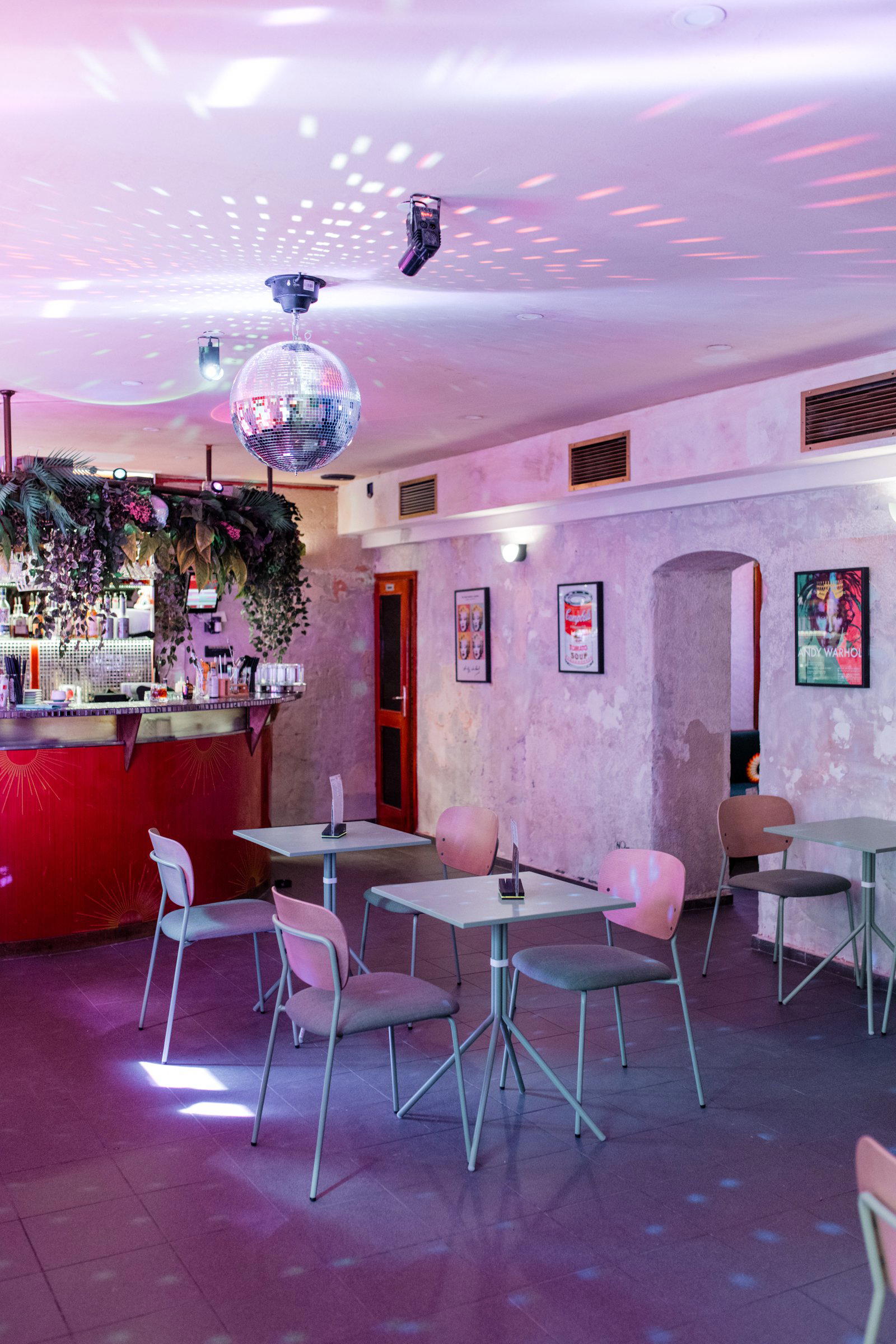
Bars in Zagreb
Browse all →

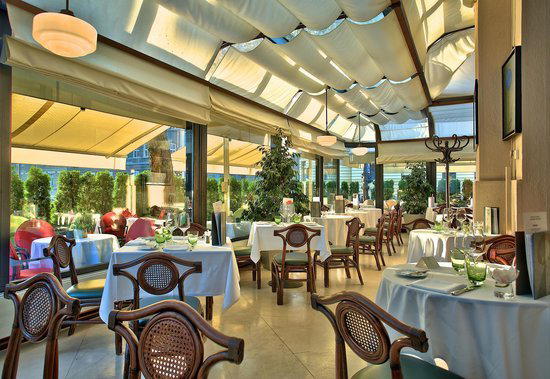
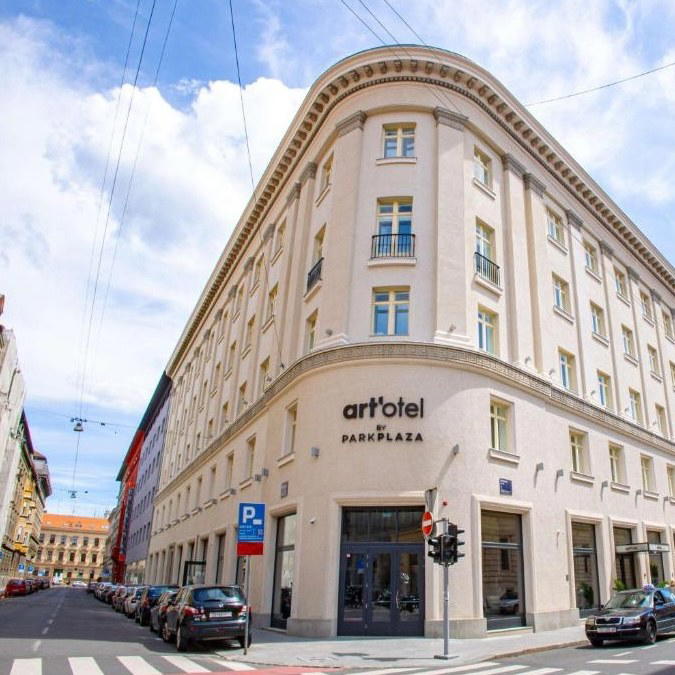
Hotels in Zagreb
Browse all →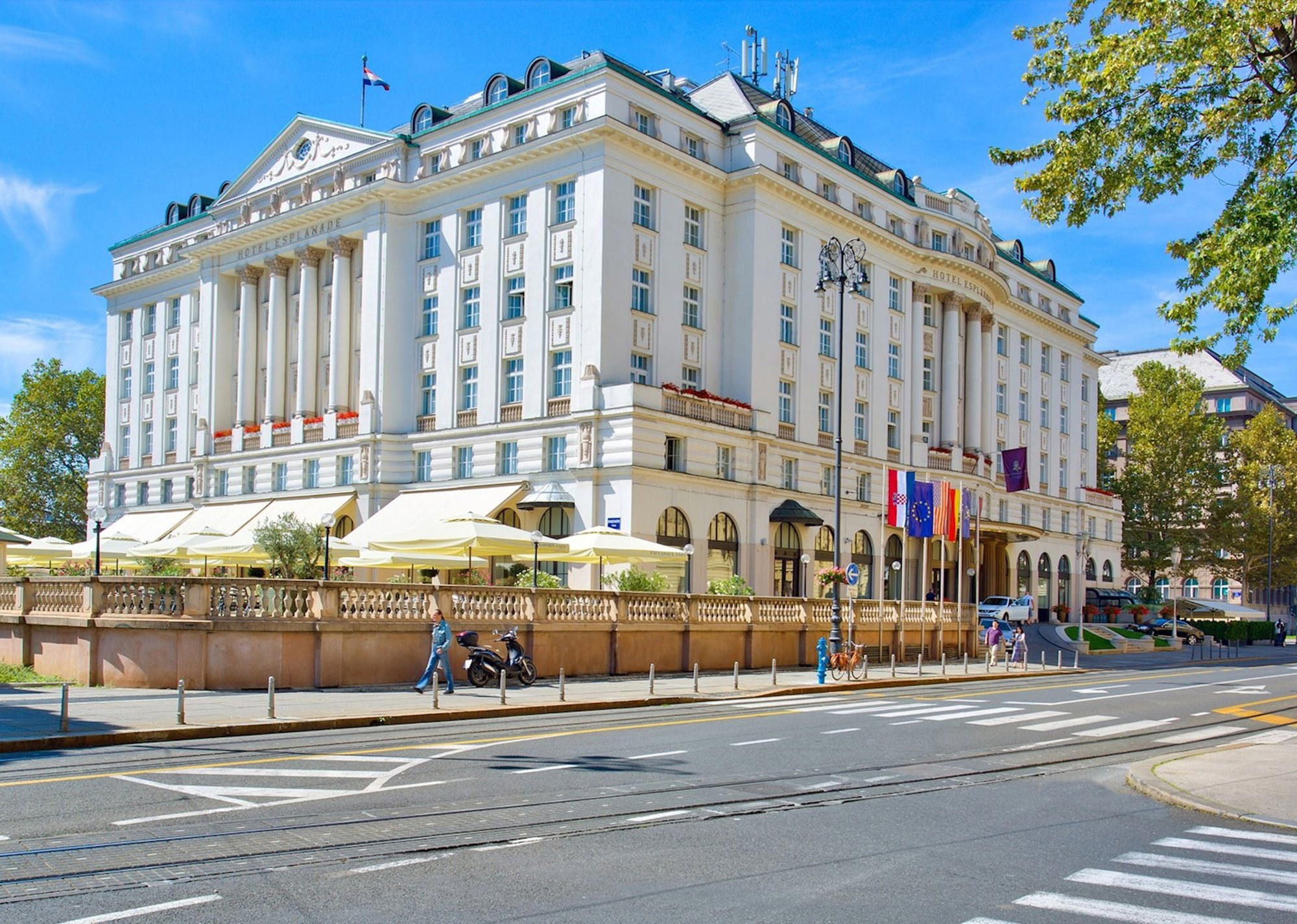


At a Glance
- Cozy
- Rustic
- Casual Hangout
- Open Kitchen
- Natural Wine
- Local Sourcing
- Organic
Current opening hours
- Monday
- 9 AM–5 PM
- Tuesday
- 9 AM–5 PM
- Wednesday
- 9 AM–5 PM
- Thursday
- 9 AM–5 PM
- Friday
- 9 AM–5 PM
- Saturday
- Closed
- Sunday
- Closed
Hours can change for holidays and private events. Last verified .
Cozy, cheerful home-like atmosphere with funky decor, good music, and warm lighting that makes guests feel right at home.