Google: 4.6 · 5,512 reviews
Pineapples Island Fresh Cuisine
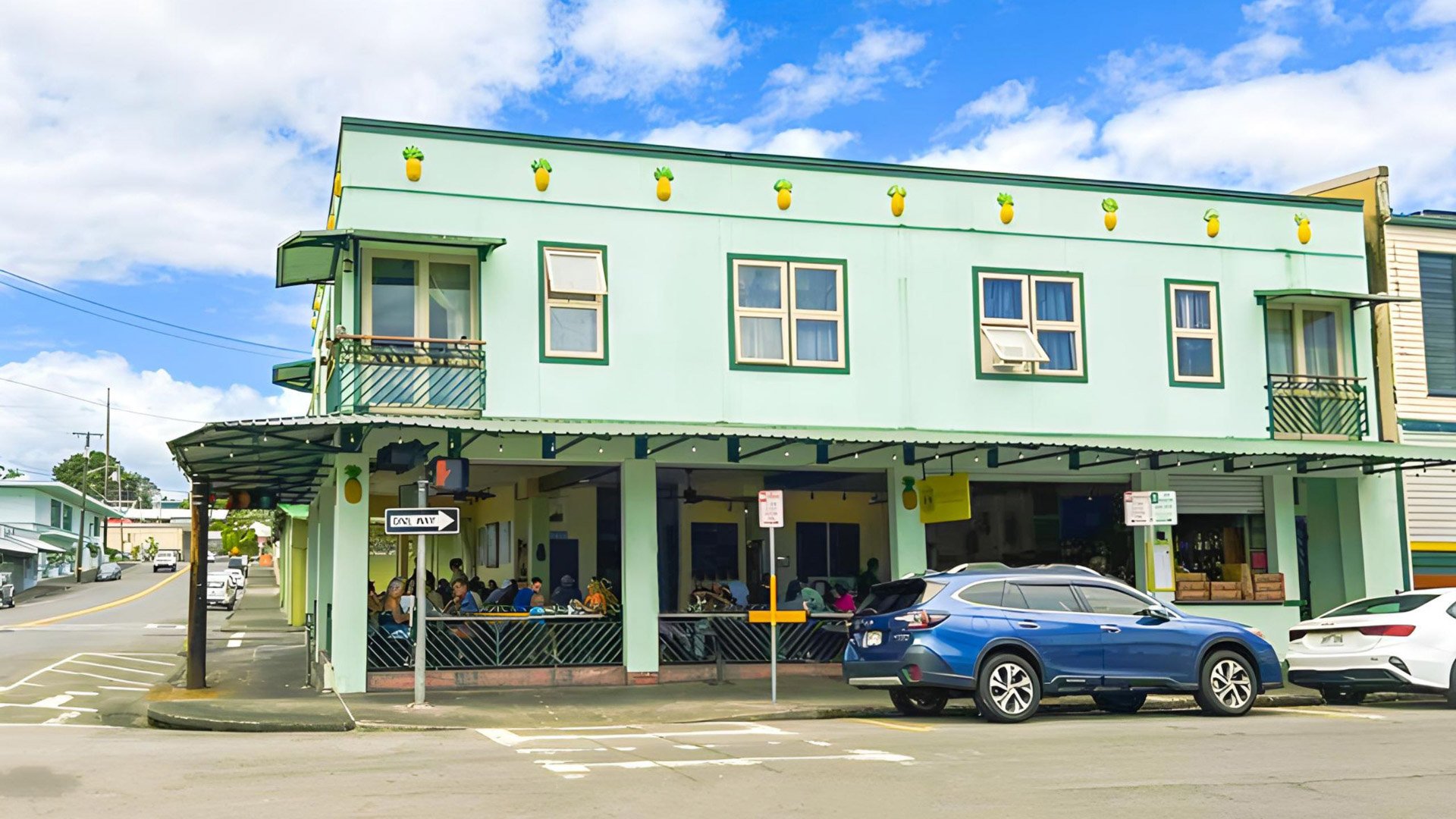
On Keawe Street in downtown Hilo, Pineapples Island Fresh Cuisine sits inside a dining scene that prioritizes local sourcing and Pacific Rim flavors over imported fine-dining formats. The restaurant draws from Hawaii Island's agricultural depth, placing it in the informal-but-serious tier that defines Hilo's most representative tables. It is the kind of address that rewards visitors willing to look beyond the resort corridor.
 Discover on Pearl
Pearl is the En Primeur Club membership app — saves, bookings, and concierge access live there. Same editors, same standards.
Hilo's Dining Character and Where Pineapples Fits
Hilo operates on a different frequency from the resort towns on Hawaii Island's west side. Kailua-Kona and Waikoloa draw visitors with ocean-view properties and menus engineered for tourist volume. Hilo, by contrast, has always fed itself first: farmers' markets at the waterfront on Wednesday and Saturday mornings, a tight grid of downtown storefronts, and restaurants that source from the Hamakua Coast and Puna district because the supply chain is short and the produce is genuinely better. That context matters when you sit down at Pineapples Island Fresh Cuisine at 332 Keawe Street, because the address is not an outlier — it is a logical product of the town around it.
Keawe Street anchors Hilo's compact downtown, running close enough to Hilo Bay that the salt air carries through open windows on humid evenings. The streetscape mixes plantation-era buildings with working storefronts, and the dining corridor there does not perform for tourism in the way resort strips do. Tables fill with a mix of island residents and visitors who have made the deliberate choice to spend time in a town where the pace is slower and the food conversation is more grounded. For a broader map of what the Hilo dining scene offers, our full Hilo restaurants guide covers the range from waterfront bars to focused neighborhood kitchens.
The Physical Register: What the Space Communicates
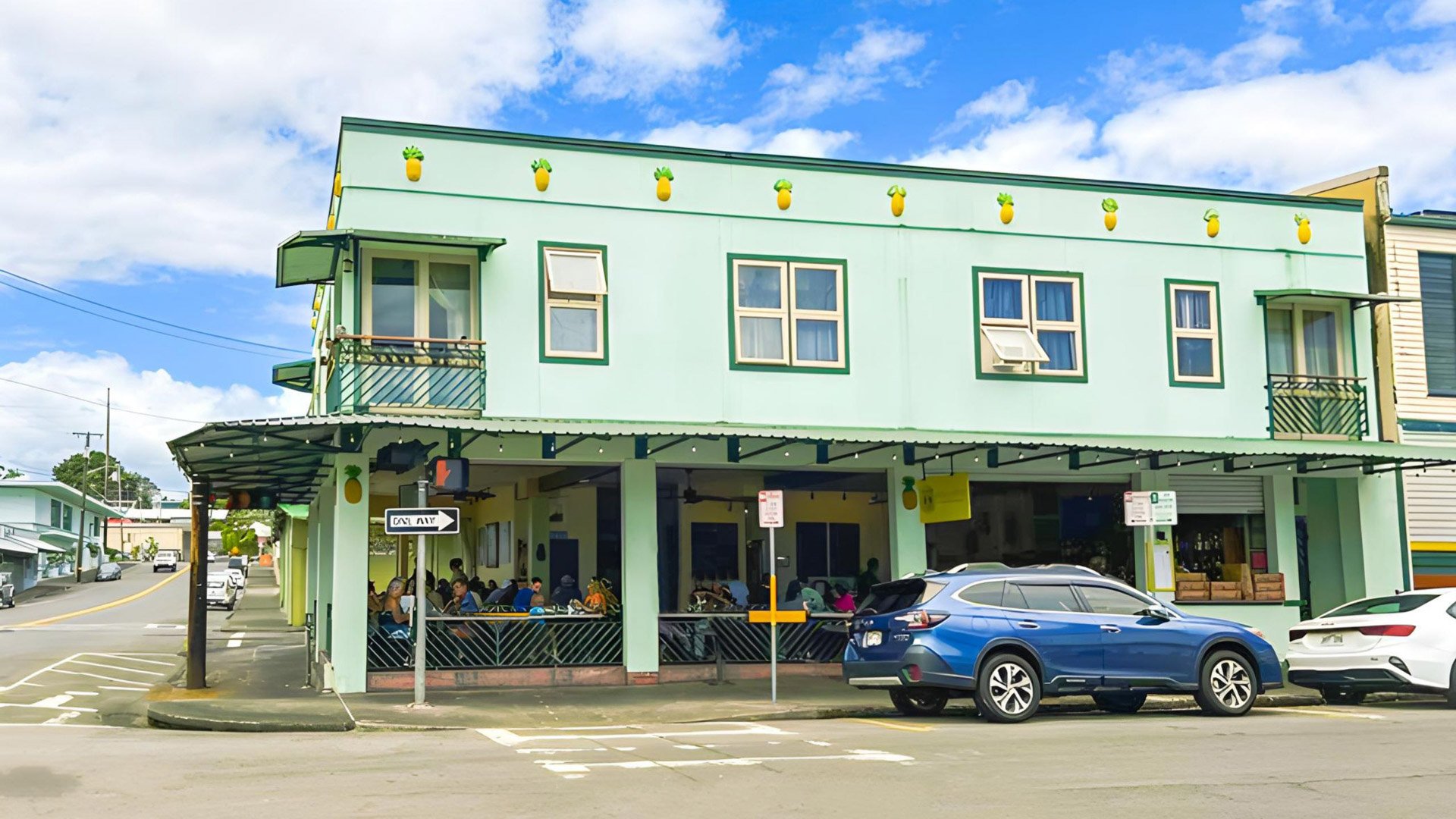
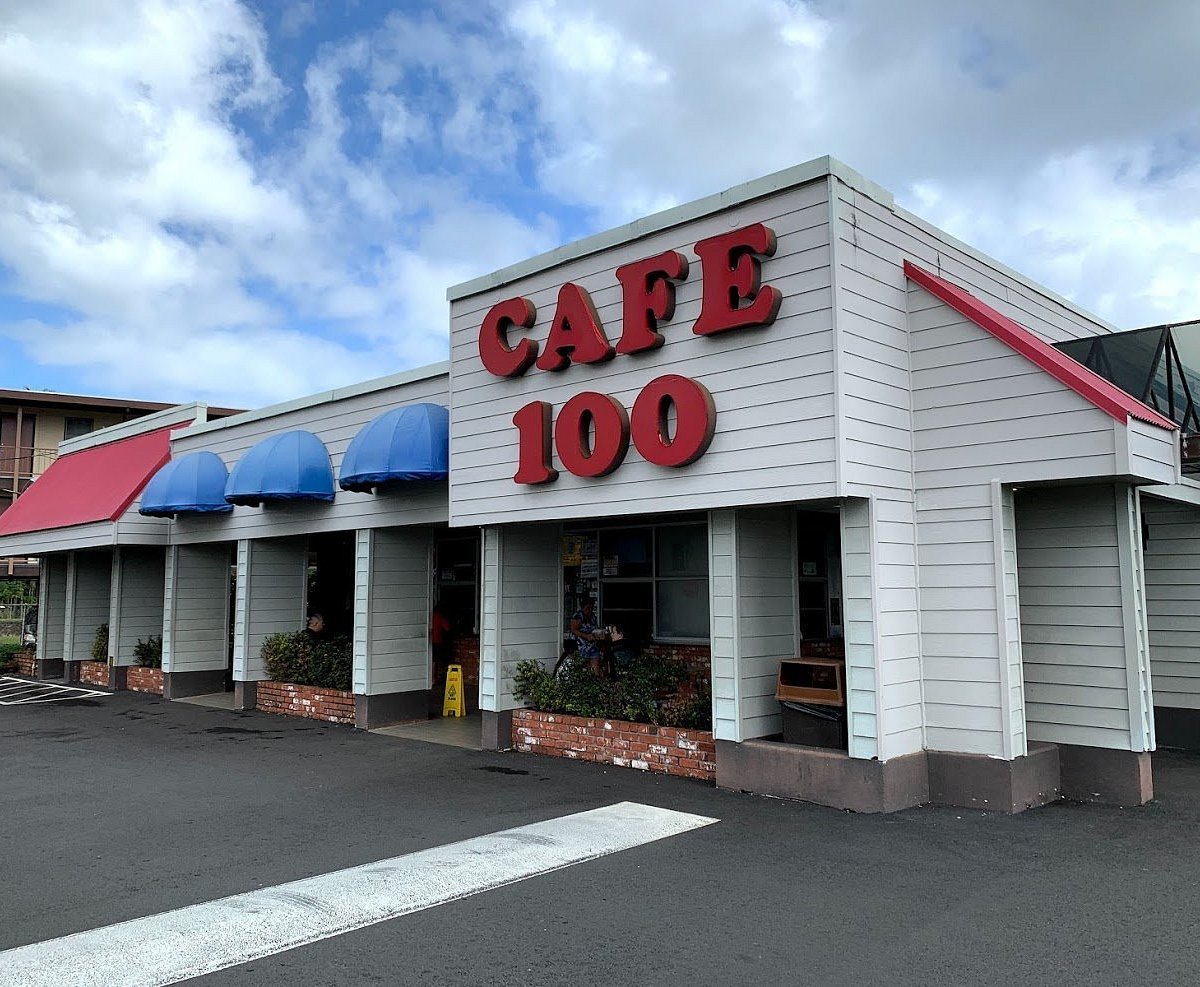
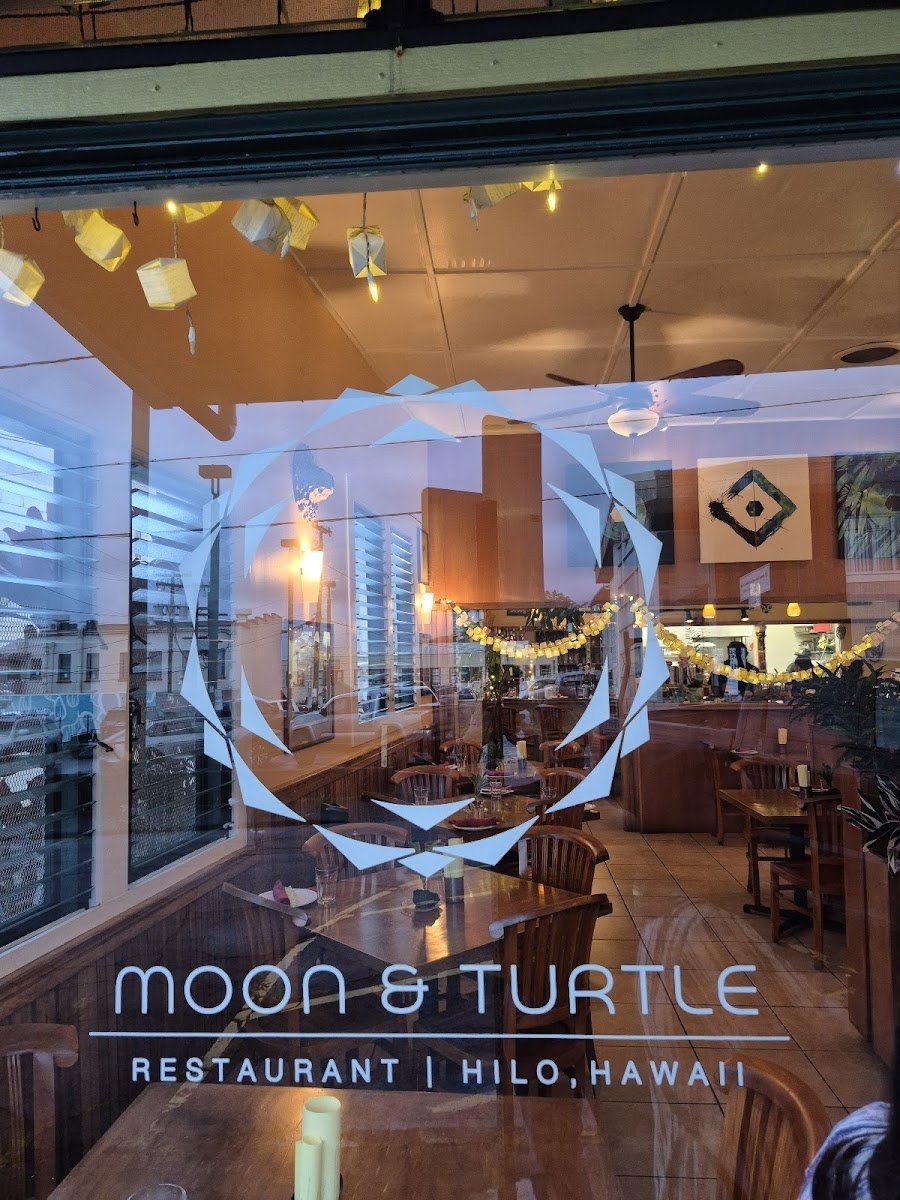
Restaurants on Keawe Street tend to occupy adapted commercial spaces rather than purpose-built dining rooms, and Pineapples fits that pattern. The interior signals a deliberate informality — the kind that comes from confidence in the food rather than from indifference to setting. In Hilo's climate, the boundary between inside and outside is often porous: ceiling fans, natural light from street-facing windows, and an absence of the sealed, over-conditioned atmosphere common to resort dining rooms all contribute to a room that feels like it belongs to the island rather than hovering above it.
That physical looseness is consistent with how the better independent restaurants in mid-size Hawaiian towns present themselves. The emphasis is on the plate and the conversation at the table, not on lighting rigs or tablecloth geometry. Travelers arriving from Honolulu's more polished cocktail culture , places like Bar Leather Apron in Honolulu, where the physical environment is itself an editorial statement , will notice the contrast immediately. Hilo's better tables make a different argument: that the environment earns its credibility through the agricultural connection outside the door, not the design decisions inside it.
Island Fresh as a Culinary Position
The phrase "island fresh" in the restaurant's name carries actual operational meaning in Hilo's context. Hawaii Island is one of the most agriculturally diverse counties in the United States, producing everything from coffee and macadamia nuts to grass-fed beef and tropical fruit varieties that rarely leave the archipelago. Restaurants that commit to sourcing within that system make a different set of trade-offs than those running import-dependent kitchens: seasonal availability shapes the menu more directly, relationships with specific farms matter, and the food's identity is tied to geography in a way that is difficult to replicate elsewhere.
Pacific Rim cuisine as a category has evolved considerably since the 1990s fusion wave. In its current, more disciplined form, it draws on Japanese, Filipino, Korean, Chinese, and Polynesian techniques without forcing them into artificial synthesis. Hilo's demographic history , decades of plantation-era migration from across the Pacific , makes this approach feel like documentation rather than invention. The cooking at restaurants in this mode tends to reward curiosity about Hawaii's actual food culture rather than nostalgia for a mai tai and a sunset.
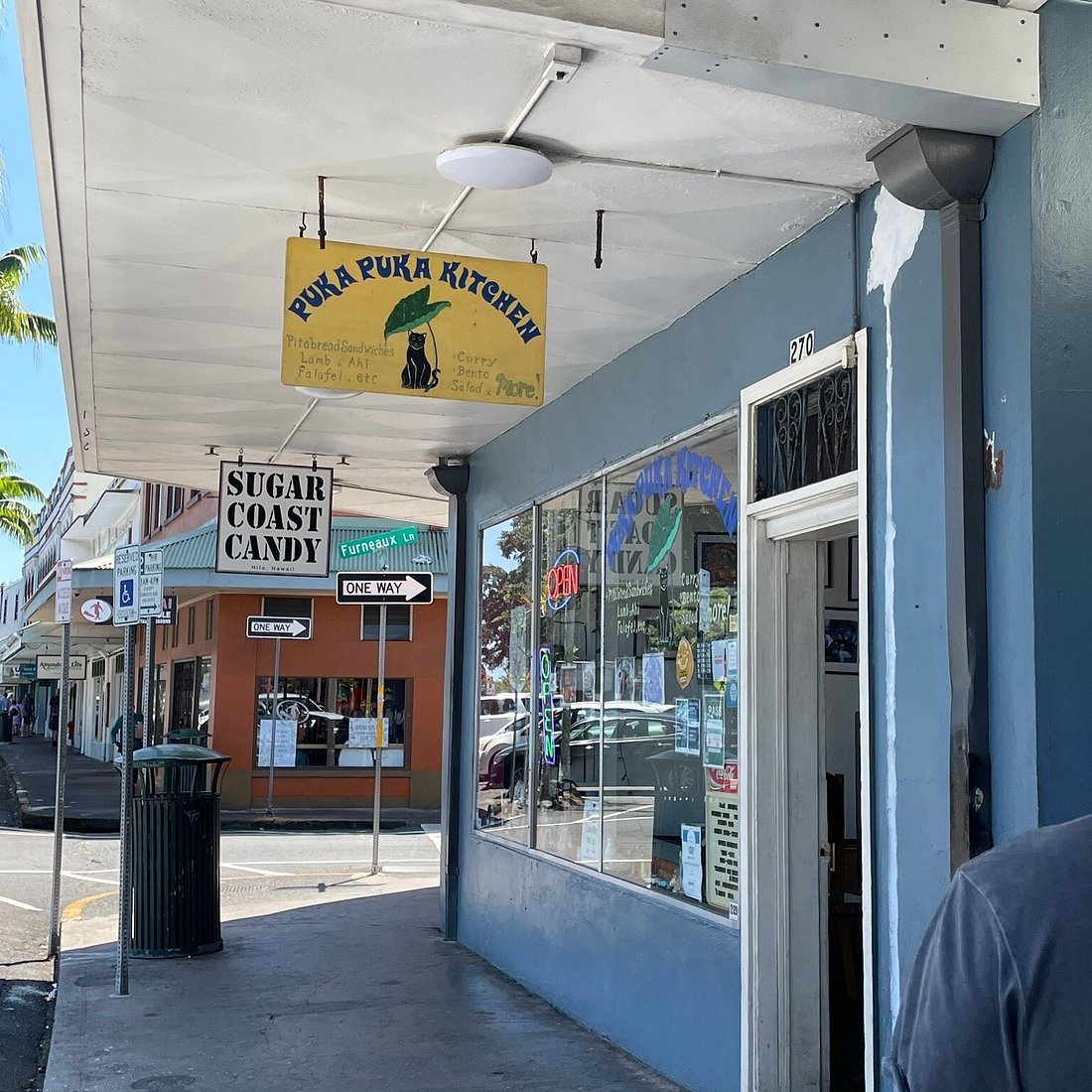
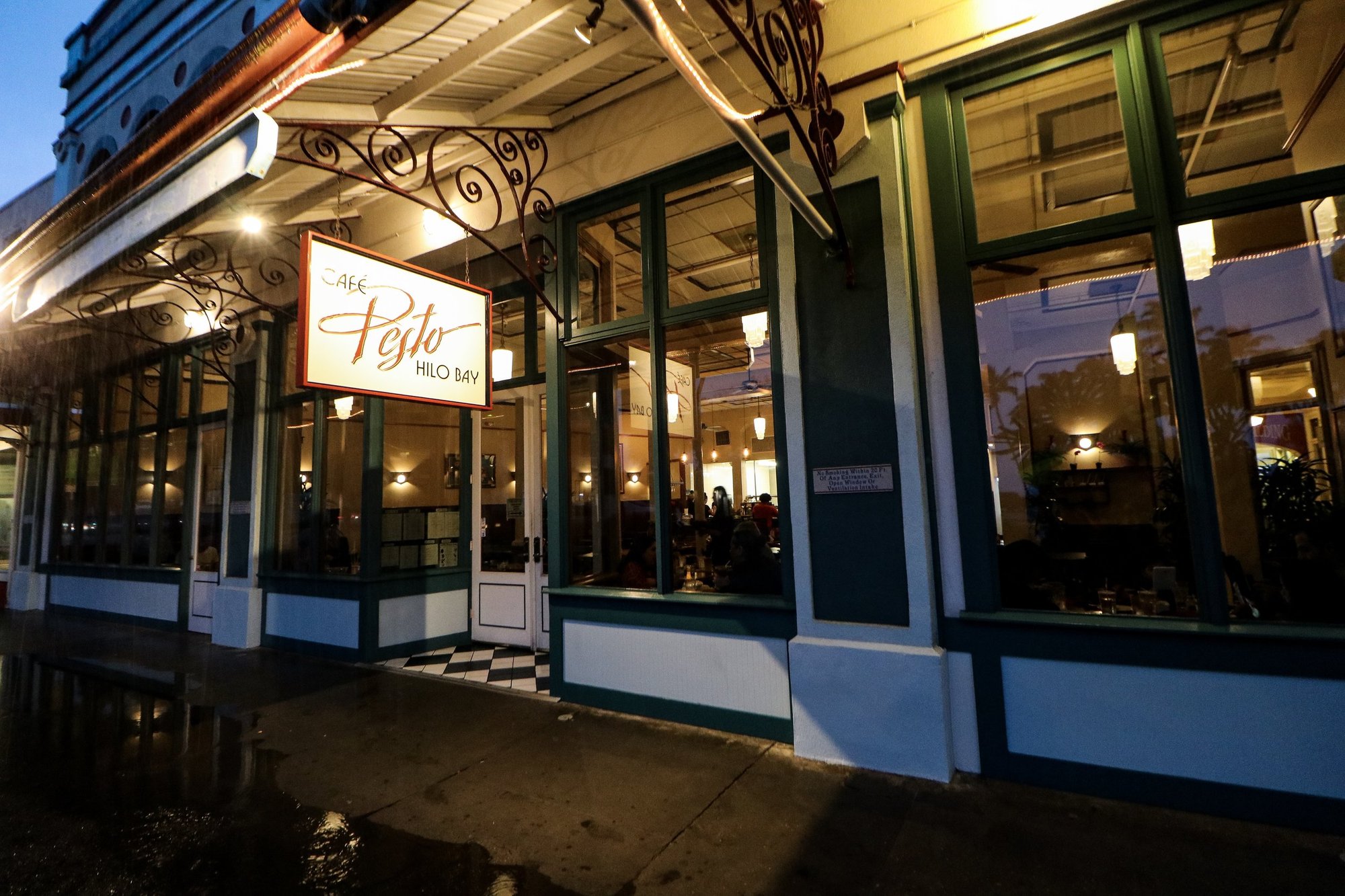
Two other Hilo addresses worth noting for comparison: Hilo Bay Cafe and Moon and Turtle both operate in the downtown-adjacent zone and represent the range of approaches to locally sourced cooking that has made Hilo a more interesting dining destination than its size would suggest.
Hilo Against a Wider Frame
For visitors calibrating expectations against bar programs and restaurants they know from the mainland, a few reference points are useful. The cocktail-forward, technique-driven programs at places like Kumiko in Chicago, ABV in San Francisco, or Superbueno in New York City represent a category of venue where the environment and the program are inseparable from each other's identity. Hilo's better independents, including Pineapples, occupy a different register: the program earns its credibility through provenance and culinary honesty rather than through formal technique signals or award infrastructure.
That is not a limitation , it is a different value proposition. The farm-to-table arguments that can feel performative in urban contexts carry genuine weight in a place where the taro field or the coffee farm is a twenty-minute drive away. Visitors who have spent time at design-forward bars like Allegory in Washington, D.C. or Jewel of the South in New Orleans will find Hilo's approach bracingly untheatrical in comparison. Equally, those familiar with the warm, neighborhood-scaled hospitality of Julep in Houston, Bar Kaiju in Miami, or The Parlour in Frankfurt on the Main will recognize the underlying ethos: places that prioritize the guest's comfort over their own mystique.
Planning a Visit
Pineapples Island Fresh Cuisine is at 332 Keawe Street in downtown Hilo, within walking distance of the bayfront and the farmers' market site. Hilo's downtown is compact and navigable on foot; parking is available along the surrounding streets. Current hours, pricing, and booking details are leading confirmed directly with the restaurant before visiting, as independent operators in Hilo sometimes adjust their schedules seasonally. No formal dress code applies , Hilo's dining culture is casual by default, and the room reflects that.

At a Glance
- Lively
- Scenic
- Cozy
- Casual Hangout
- Group Outing
- Live Music
- Street Scene
Vibrant open-air atmosphere with live music, breezy ventilation, and a fun island vibe praised by guests.