Piloersemaborg

We're Smart World 2 Radishes
Our verdict
A 1633 farmhouse that is the last of its kind in Groningen, Piloersemaborg operates as both restaurant and guest accommodation in Den Ham. Chef Dick Soek builds his menus around a documented network of local suppliers, keeping preparations spare enough that the ingredients carry the weight. The setting alone, all historic timber and agricultural quiet, shapes the experience before the food arrives.

Pearl is the En Primeur Club membership app, where members save venues, book tables and use the concierge.
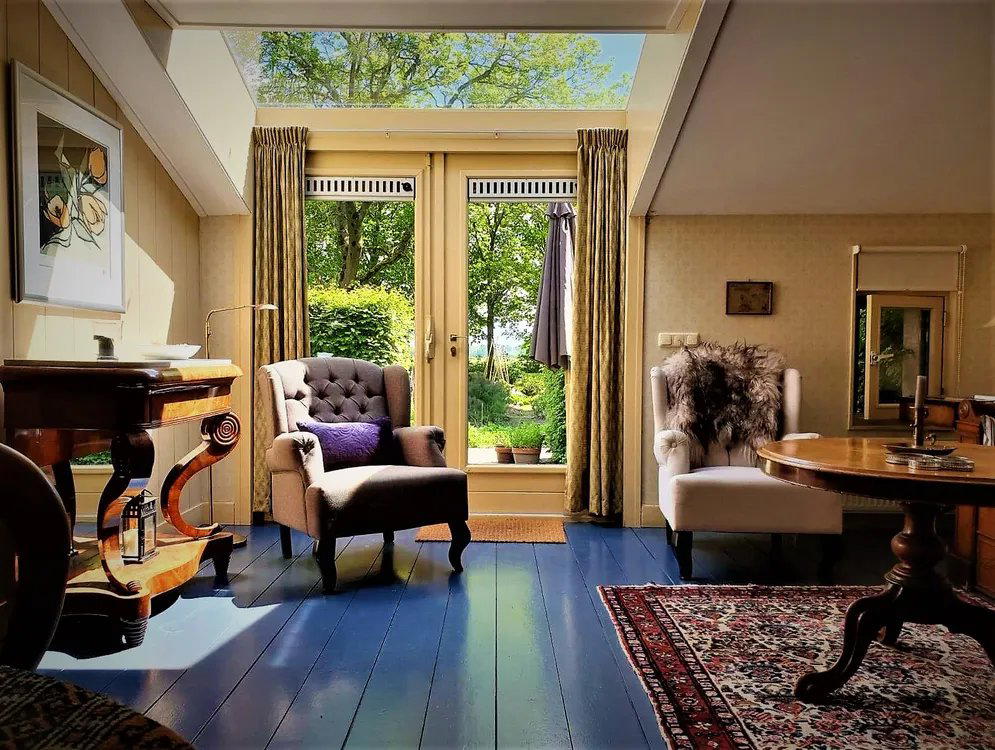
Where the Building Sets the Terms
Approaching Piloersemaborg along Sietse Veldstraweg in Den Ham, the premise announces itself through architecture before anything else. The farmhouse dates from 1633 and is, by documented record, the only surviving structure of its type in the province of Groningen. That distinction is not incidental to the dining experience: it determines the scale, the pace, and the physical character of everything that follows. Historic Dutch farmhouse dining occupies a particular register, one defined by low ceilings, working-farm proportions, and a quietness that city restaurants spend considerable money trying to manufacture. Here it is structural.
Groningen's restaurant scene concentrates largely in the provincial capital, leaving the rural villages around it to a smaller tier of places where setting and sourcing tend to do the work that kitchen theatrics do elsewhere. Piloersemaborg sits inside that pattern, combining overnight accommodation with a restaurant that draws on the surrounding agricultural land rather than working against it. For readers building a longer itinerary through the northeast Netherlands, our full Den Ham hotels guide maps the accommodation options, while our full Den Ham restaurants guide places Piloersemaborg among its local peers.
The Sourcing Logic and Why It Shapes the Plate
Dutch cuisine has, over the past two decades, moved toward a serious engagement with local provenance. That shift is most visible at the high-end urban end, where restaurants like De Nieuwe Winkel in Nijmegen have built nationally recognised programs around organic and foraged sourcing, or at Michelin-level addresses like De Librije in Zwolle and 't Nonnetje in Harderwijk, where the competitive pressure drives ingredient sourcing into the fine-dining conversation. Piloersemaborg operates at a different register but within the same broader current.
What distinguishes the approach here is transparency and density of connection. The supplier list on the kitchen's website functions less like a credits page and more like an argument: every named farm and producer represents a deliberate choice to keep supply chains short, legible, and rooted in Groningen's specific agricultural output. Chef Dick Soek's cooking philosophy, as evidenced by that list, is not about transformation for its own sake. Garden vegetables arrive as garden vegetables, prepared in ways that acknowledge rather than redirect their character. A preparation of garden vegetables with goat cheese curd, cited in documentation of the kitchen's approach, illustrates the method: the restraint is the technique. Nothing in that dish asks the ingredients to become something else.
This positions Piloersemaborg in a peer group defined less by price tier or award count and more by intent. Across the Netherlands, a cohort of restaurant-estate hybrids has developed around similar principles, where the land itself becomes both supplier and context. De Treeswijkhoeve in Waalre and De Lindenhof in Giethoorn occupy related territory, where setting and sourcing are inseparable from the food being served. Brut172 in Reijmerstok and De Groene Lantaarn in Staphorst represent the same instinct applied to different regional contexts.
The Case for Ingredient-Led Cooking in a Historic Setting
There is a broader argument, relevant across European dining, about what happens when cooking prioritises fidelity over elaboration. At the technical summit of the Dutch scene, places like Ciel Bleu in Amsterdam, Aan de Poel in Amstelveen, De Bokkedoorns in Overveen, and De Lindehof in Nuenen demonstrate what skill looks like when applied to maximising complexity. Piloersemaborg does not compete in that register and does not appear to want to. The ambition is different: to make the provenance of each ingredient the primary experience, with preparation serving clarity rather than complication.
That approach demands a particular kind of confidence in suppliers, and confidence in the diner's willingness to follow. Outside the Netherlands, kitchens with comparable philosophies, from rural French auberges to farm-to-counter spots in the American South like Emeril's in New Orleans, have found that restraint-led cooking requires the supply chain to be immaculate, because there is nowhere to hide. The supplier transparency at Piloersemaborg reads as an acknowledgement of exactly that pressure.
Planning a Visit
Den Ham sits in the municipality of Westerkwartier in the province of Groningen, a rural area that rewards deliberate travel rather than impulse detours. The address at Sietse Veldstraweg 25 places Piloersemaborg outside the village proper, consistent with a working agricultural setting. Because the property includes guest accommodation alongside the restaurant, it suits an overnight stay rather than a day trip from Groningen city, particularly for those combining the restaurant with broader exploration of the province. Our full Den Ham experiences guide and our full Den Ham bars guide cover the surrounding area for those building a longer visit. Readers looking for wine-focused stops in the region can also consult our full Den Ham wineries guide.
For context on the broader Dutch fine-dining circuit that Piloersemaborg exists outside of but in dialogue with, the EP Club coverage of De Lindehof in Nuenen and Le Bernardin in New York City maps the wider range of ingredient-led approaches across different price points and ambitions.
Frequently asked questions
Would Piloersemaborg be comfortable with kids?
The setting is a 1633 historic farmhouse, the only surviving structure of its kind in Groningen province, and the kitchen operates at a pace and register that rewards patience and attention. Younger children may find little to hold their interest here. Older children who engage with quiet surroundings and ingredient-focused cooking will fit the room better.
Is Piloersemaborg better for a quiet night or a lively one?
The architecture and the kitchen's ethos both point in the same direction: this is a place for a deliberate, unhurried evening. Chef Dick Soek's cooking is built on restraint and local provenance, and the 1633 farmhouse in rural Den Ham does not compete with urban energy. If noise and pace matter more than the plate, this is not the right choice.
Does Piloersemaborg have a Michelin star or similar recognition?
Piloersemaborg has received recognition including: The Piloersemaborg dates from 1633 and is the only remaining historic farmhouse of that kind in the province of Groningen. The dramatic setting accommodates a restaurant and guest accommodation. Almost all ingredients used in the kitchen ar….
What's the best thing to order at Piloersemaborg?
The documented standout is the vegetable preparation from the garden with goat cheese curd, which the kitchen uses as a direct expression of Dick Soek's sourcing philosophy. The extensive supplier list published on the website gives context to every plate, so dishes drawn from that local network tend to show the kitchen at its most coherent.
How do I find Piloersemaborg?
Piloersemaborg is located at Sietse Veldstraweg 25, 9833 TA Den Ham, Netherlands, Den Ham.
Comparable Spots, Quickly
Comparable venues nearby, for context on price, style, and recognition.
| Venue | Cuisine | Price | Awards | Notes |
|---|---|---|---|---|
| PiloersemaborgThis venue (the venue you are viewing) | French-Dutch Fine Dining | $100–150 | We're Smart World 2 Radishes | Not listed |
| Huiskamerrestaurant De Kleine Heerlijkheid | Modern French Huiskamerrestaurant | $50–100 | Not listed | Binnenstad |
| Tolhuis vijf | Classic French with Worldly Twists | Not listed | Not listed | Arnhemseweg |
| Restaurant de Koetsier | Modern French-Dutch Bistro | Not listed | Not listed | Boxtel |
| Het Gouden Kalf | French-Dutch Brasserie with Seasonal Focus | $50–100 | Star Wine List | Scheveningen |
| Kwartelenmarkt 11 op 3 | French-Dutch Fine Dining with Local Flavors | $50–100 | Not listed | centrum |
Recognition history
Dated appearances from independent guides and award organizations, with the underlying list record or original source where available.
We're Smart World 2 Radishes
We're Smart World
Continue exploring
More in Den Ham
Restaurants in Den Ham
All restaurants in Den Ham →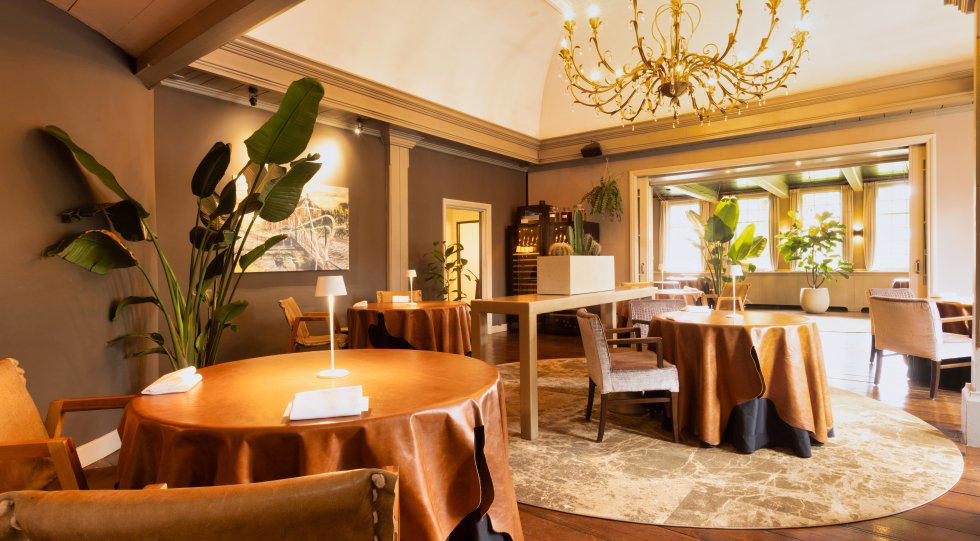
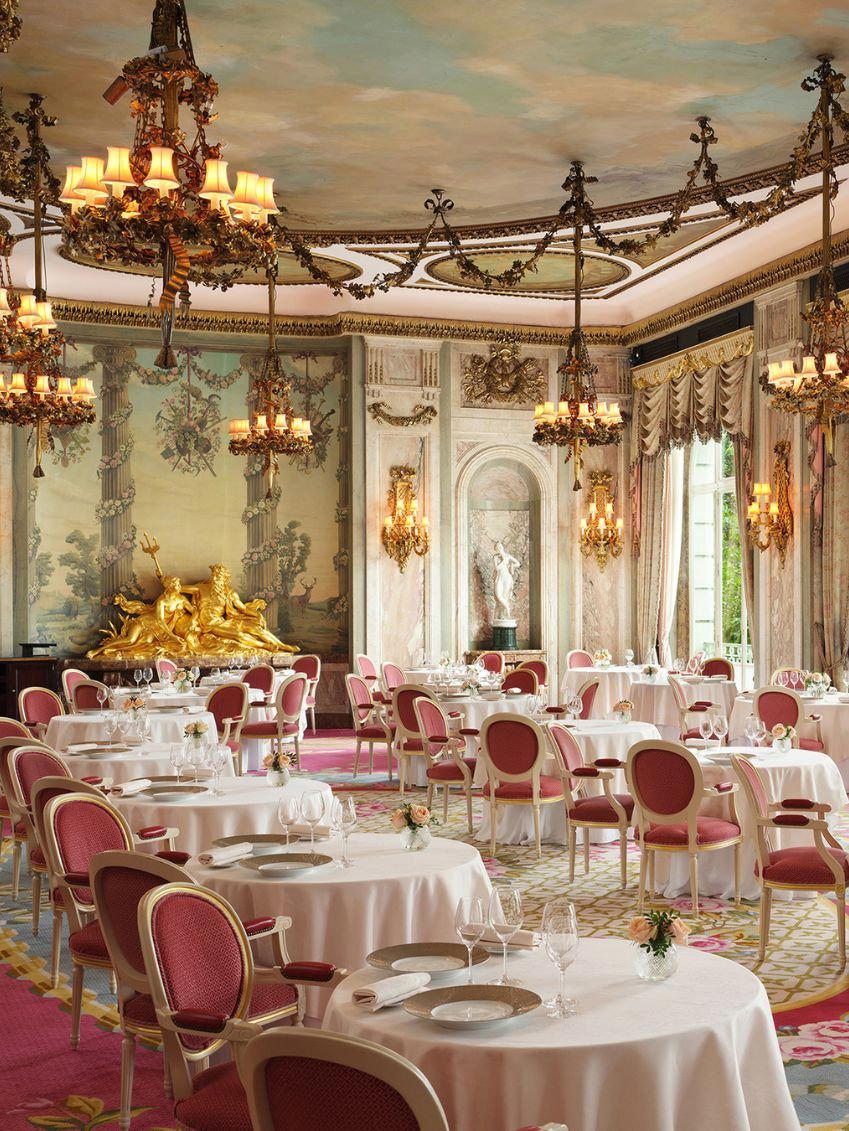
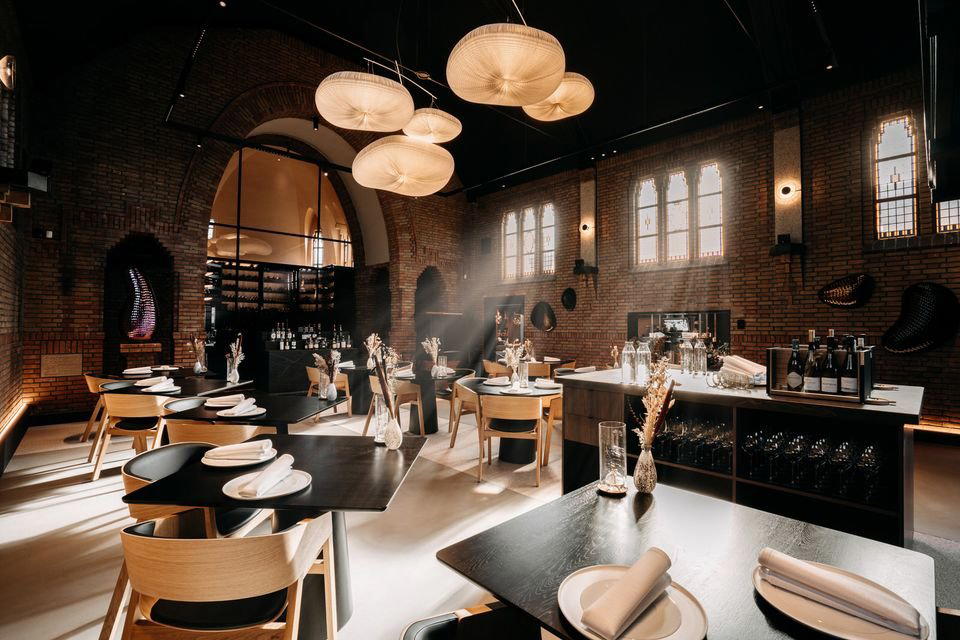
Details
- Romantic
- Cozy
- Rustic
- Historic
- Intimate
- Elegant
- Date Night
- Special Occasion
- Historic Building
- Garden
- Extensive Wine List
- Local Sourcing
- Garden
- Prix Fixe
- Vegetarian Friendly
- Gluten Free Options
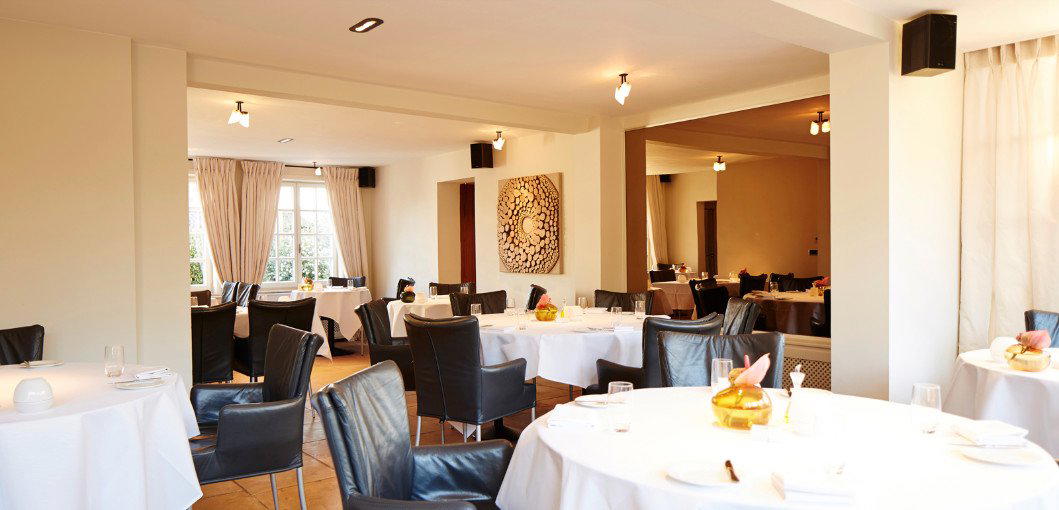
Relaxed and friendly atmosphere in a simple, historic interior with an oase of rust surrounded by meadows and a moat.