

1 Michelin Star
Our verdict
A Michelin Plate holder in the 15th arrondissement, Pilgrim has climbed Opinionated About Dining's European rankings consecutively since its debut recommendation in 2023, reaching #339 in 2024 and #387 in 2025. Chef Terumitsu Saito works within the contemporary French idiom, bringing a cross-cultural sensibility to a neighbourhood that rewards those willing to look beyond the tourist circuit. Weekday-only service keeps the room focused and bookings purposeful.

Pearl is the En Primeur Club membership app, where members save venues, book tables and use the concierge.
The menu
What to order
- Hay_smoked_beef_tartare
- Tempura_onion_with_soft_egg
Where the 15th Arrondissement Earns Its Attention
Paris has a long tradition of serious cooking operating at some remove from the city's most photographed streets. The 15th arrondissement, dense with residents and short on tourist traffic, has always hosted this kind of restaurant: technically serious, professionally run, and answerable to a local audience rather than a passing one. Pilgrim, open since 2023 on Rue Nicolas Charlet, belongs to that category. Its Michelin Plate recognition and a climbing position in Opinionated About Dining's European rankings confirm what neighbourhood regulars identified early: this is cooking that merits a deliberate trip across the city, not just a convenient booking.
The OAD trajectory tells a compressed story of institutional attention. A recommended listing in OAD's Leading New Restaurants in Europe for 2023 became a ranked position at #339 in 2024, then #387 in 2025 as the list expanded and competition deepened.
The Franco-Japanese Line in Contemporary Paris
Chef Terumitsu Saito's name situates Pilgrim within a specific tradition in Paris dining: Japanese chefs who have absorbed classical French technique and produce work that reads as French first, cross-cultural second. This is not a recent phenomenon. The connection between Japanese precision in sourcing and preparation and the French emphasis on produce-led cooking has generated some of Paris's most consequential restaurants over the past two decades. Kei, with its three Michelin stars and Franco-Japanese register, represents one expression of that tradition at the highest price tier. Nakatani in the 7th operates in a similar register at a comparable price point to Pilgrim. What distinguishes this cohort is a shared commitment to ingredient integrity: sourcing decisions are treated as part of the cooking, not preliminary to it.
That orientation aligns directly with the contemporary French idiom's current priorities. Where classical French cuisine built its reputation on technique applied to standardised luxury ingredients, the post-Bocuse generation, from Paul Bocuse's Auberge du Pont de Collonges through to the generation shaped by Bras in Laguiole and Troisgros in Ouches, gradually reoriented the French kitchen around provenance. The question ceased to be what technique could do to an ingredient and became what the ingredient required. Saito's work at Pilgrim sits in that downstream current, applying it within the constraints of a mid-range Paris room rather than a destination property in the provinces.
Provenance as Method, Not Marketing
The contemporary French category operates differently from its classical predecessor when it comes to sourcing. At rooms in this tier, ingredient provenance is often woven into the menu as structural information: which farm, which region, which season. This approach has precedent at the high end, in restaurants like Mirazur in Menton and Flocons de Sel in Megève, where terroir functions almost as a compositional principle. At the mid-tier Paris level, the ambition is narrower but no less serious: to use French regional produce with enough specificity that the dish carries a geographic address alongside its flavour logic.
For a Japanese chef working in this tradition, the alignment is often more conscious than it might appear. Japanese culinary culture has its own deep vocabulary for terroir, in the concept of shun (peak seasonality) and the sourcing practices that attend high-end kaiseki. When that sensibility meets French produce culture, the result tends toward restraint in preparation and exactitude in selection. The dish becomes an argument for the ingredient rather than a vehicle for the chef's range of techniques.
For a broader picture of how this philosophy plays out across borders, Ma Langue Sourit in Luxembourg and L'Arnsbourg in Baerenthal represent adjacent approaches to contemporary French cooking in the greater Franco-European region.
The 15th in Context
Rue Nicolas Charlet sits in the southern section of the 15th, a residential area that sees less food-press traffic than the 1st, 6th, or 11th. The arrondissement's dining scene has historically been underreported relative to its quality, partly because it lacks the density of destination restaurants that generates round-up coverage, and partly because it does not attract the kind of visiting journalist looking for a single evening's itinerary. What it has instead is a set of serious, neighbourhood-anchored rooms that operate on repeat-visit economics. Pilgrim fits that pattern: a room that makes its case through consistent execution rather than novelty positioning.
That positioning places it in a different competitive frame from high-profile contemporaries like Frenchie in the 2nd or ERH, which operate with higher public profiles. The comparison is useful: restaurants like Pilgrim often deliver stronger value-for-effort ratios precisely because the room is not priced against its press coverage. At €€€, it sits a tier below the four-star hotel dining rooms and established Michelin two- and three-star operations, putting it in the same bracket as Lucas Carton and other mid-level serious French rooms where the cooking earns its price rather than the address.
Service Pattern and Practical Framing
Pilgrim runs a weekday-only schedule: lunch and dinner Monday through Friday, closed Saturday and Sunday. The hours are structured rather than casual: lunch service runs 12:00 to 14:00, dinner from 19:30 to 21:00. This is a kitchen operating to a fixed rhythm, which is both a practical constraint for visitors and a signal about how the room positions itself. Closed weekends suggests a team that has made a deliberate choice about volume and cadence, common among smaller serious restaurants where the chef-to-cover ratio matters for consistency.
The compressed service windows mean that booking in advance is not optional. If you are planning around a Paris trip rather than building an itinerary from a Paris base, it is worth noting that the 15th is accessible from most central arrondissements in under twenty minutes. For broader orientation to Paris dining at this tier, the EP Club Paris restaurant guide maps the full competitive field.
Know Before You Go
- Address: 8 Rue Nicolas Charlet, 75015 Paris, France
- Cuisine: Contemporary French, Modern Cuisine
- Chef: Terumitsu Saito
- Price range: €€€
- Hours: Monday to Friday, lunch 12:00–14:00, dinner 19:30–21:00. Closed Saturday and Sunday.
- Awards: Michelin Plate (2024, 2025); OAD Leading New Restaurants in Europe Recommended (2023); OAD Leading Restaurants in Europe #339 (2024), #387 (2025)
- Booking: Advance reservation advised; use third-party platforms. No phone or direct website currently listed.
Further Reading
For more on Paris's hotel options, the EP Club Paris hotels guide covers the full range. For bars and drinks programming, see the Paris bars guide. Wine-focused visitors may find the Paris wineries guide and the Paris experiences guide useful for building a wider itinerary.
What's the Signature Dish at Pilgrim?
No specific dish data is currently available in the public record for Pilgrim. Given the contemporary French framework and the Franco-Japanese sensibility that Chef Terumitsu Saito brings to the kitchen, the menu is likely to be produce-led and seasonally adjusted, with sourcing decisions visible in the dish structure. The OAD recognition and Michelin Plate confirm a standard of consistency, but the specific dishes that anchor the menu at any given service are leading verified through current reservation platforms or direct contact with the restaurant. This is not unusual for rooms at this level: menus shift with supply, and what a room is known for in spring may differ substantially from its winter offering.
Frequently asked questions
When can I go to Pilgrim?
Hours at Pilgrim: Hours: Monday 12:00-14:00 19:30-21:00 Tuesday 12:00-14:00 19:30-21:00 Wednesday 12:00-14:00 19:30-21:00 Thursday 12:00-14:00 19:30-21:00 Friday 12:00-14:00 19:30-21:00 Saturday Closed Sunday Closed.
Is Pilgrim award-winning?
Pilgrim has received recognition including: Opinionated About Dining Top Restaurants in Europe Ranked #387 (2025); Michelin Plate (2025); Opinionated About Dining Top Restaurants in Europe Ranked #339 (2024); Michelin Plate (2024); Opinionated About Dining Top New Restaurants in Euro….
What's the signature dish at Pilgrim?
No single dish is documented in the public record for Pilgrim. Chef Terumitsu Saito works within a contemporary French framework informed by Japanese technique, a combination that in Paris typically means precise, produce-led cooking where the menu shifts with season and supply.
Comparable Spots, Quickly
A compact comparison to help you place this venue among nearby peers.
| Venue | Cuisine | Price | Awards | Notes |
|---|---|---|---|---|
| PilgrimThis venue (the venue you are viewing) | Modern French-Japanese Fusion | $50–100 | 1 Michelin Star | Not listed |
| Alléno Paris au Pavillon Ledoyen | Modern French Fine Dining | $150–200 | 3 Michelin Stars · World's 50 Best #79 | Creative |
| Kei | Modern French with Japanese Influences | $300–500 | 3 Michelin Stars · World's 50 Best #93 | Contemporary French, Modern Cuisine |
| L'Ambroisie | Classic French Haute Cuisine | $300–500 | 2 Michelin Stars · World's 50 Best #23 | French, Classic Cuisine |
| Le Cinq - Four Seasons Hôtel George V | Modern French Fine Dining | $300–500 | 3 Michelin Stars · World's 50 Best #24 | French, Modern Cuisine |
| Plénitude | Modern French Sauce-Led Fine Dining | $300–500 | 3 Michelin Stars · World's 50 Best #14 | Contemporary French |
Recognition history
Dated appearances from independent guides and award organizations, with the underlying list record or original source where available.
Michelin 1 Star
Michelin
Opinionated About Dining Top Restaurants in Europe Recommended
Opinionated About Dining
Full recognition history (7 entries)
Michelin Plate
Michelin
Opinionated About Dining Top Restaurants in Europe Ranked #387
Opinionated About Dining
Michelin Plate
Michelin
Opinionated About Dining Top Restaurants in Europe Ranked #339
Opinionated About Dining
Opinionated About Dining Top New Restaurants in Europe Recommended
Opinionated About Dining
Continue exploring
More in Paris
Restaurants in Paris
All restaurants in Paris →
Bars in Paris
All bars in Paris →



Details
- Sophisticated
- Modern
- Elegant
- Intimate
- Date Night
- Special Occasion
- Business Dinner
- Open Kitchen
- Extensive Wine List
- Tasting Menu
- Prix Fixe
- Vegetarian Friendly
- Vegan Options
- Allergy Accommodating
Current opening hours
- Monday
- Closed
- Tuesday
- 12–1:30 PM, 7:30–9 PM
- Wednesday
- 12–1:30 PM, 7:30–9 PM
- Thursday
- 12–1:30 PM, 7:30–9 PM
- Friday
- 12–1:30 PM, 7:30–9 PM
- Saturday
- 12–1:30 PM, 7:30–9 PM
- Sunday
- Closed
Hours can change for holidays and private events. Hours as of .
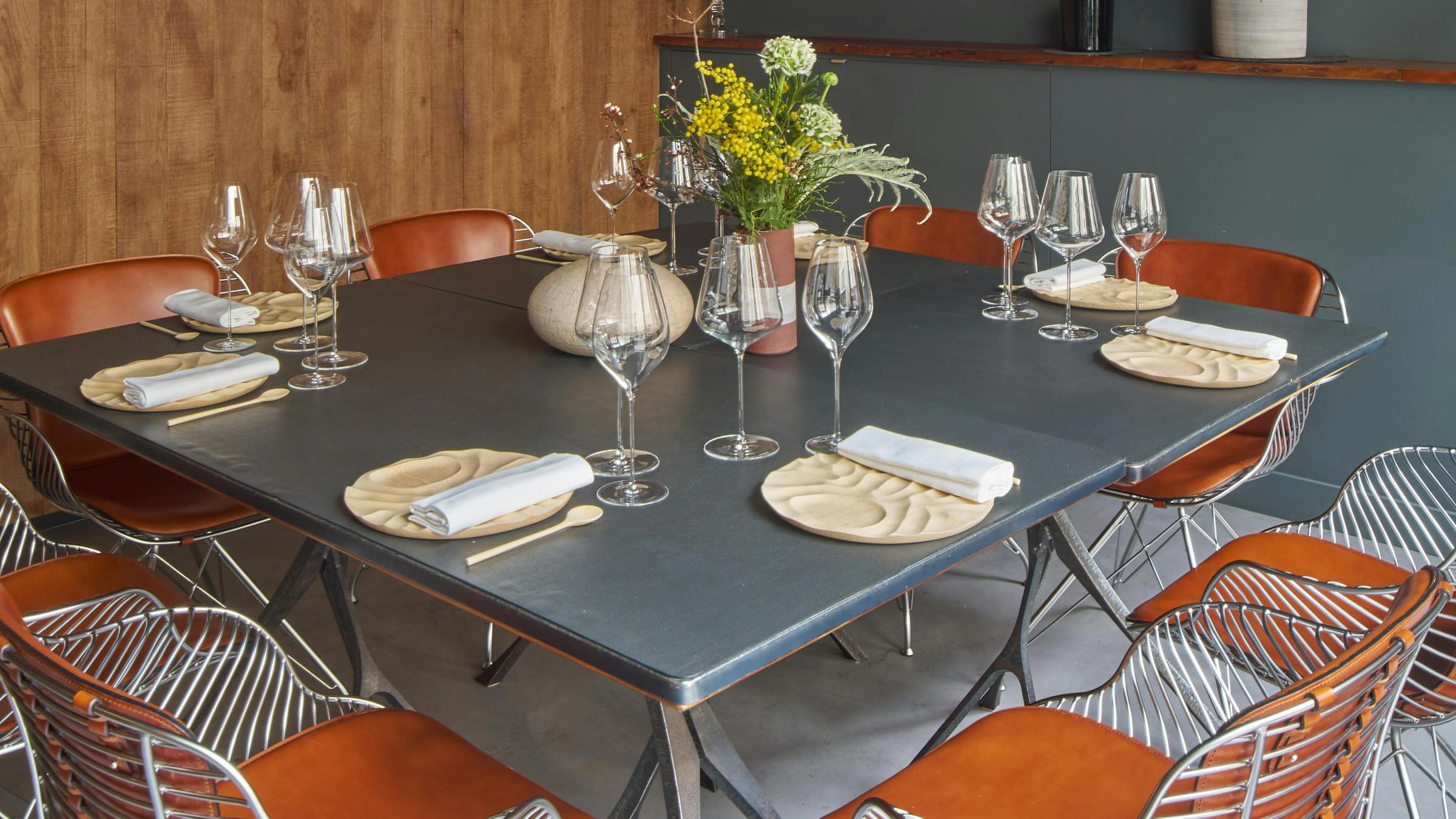
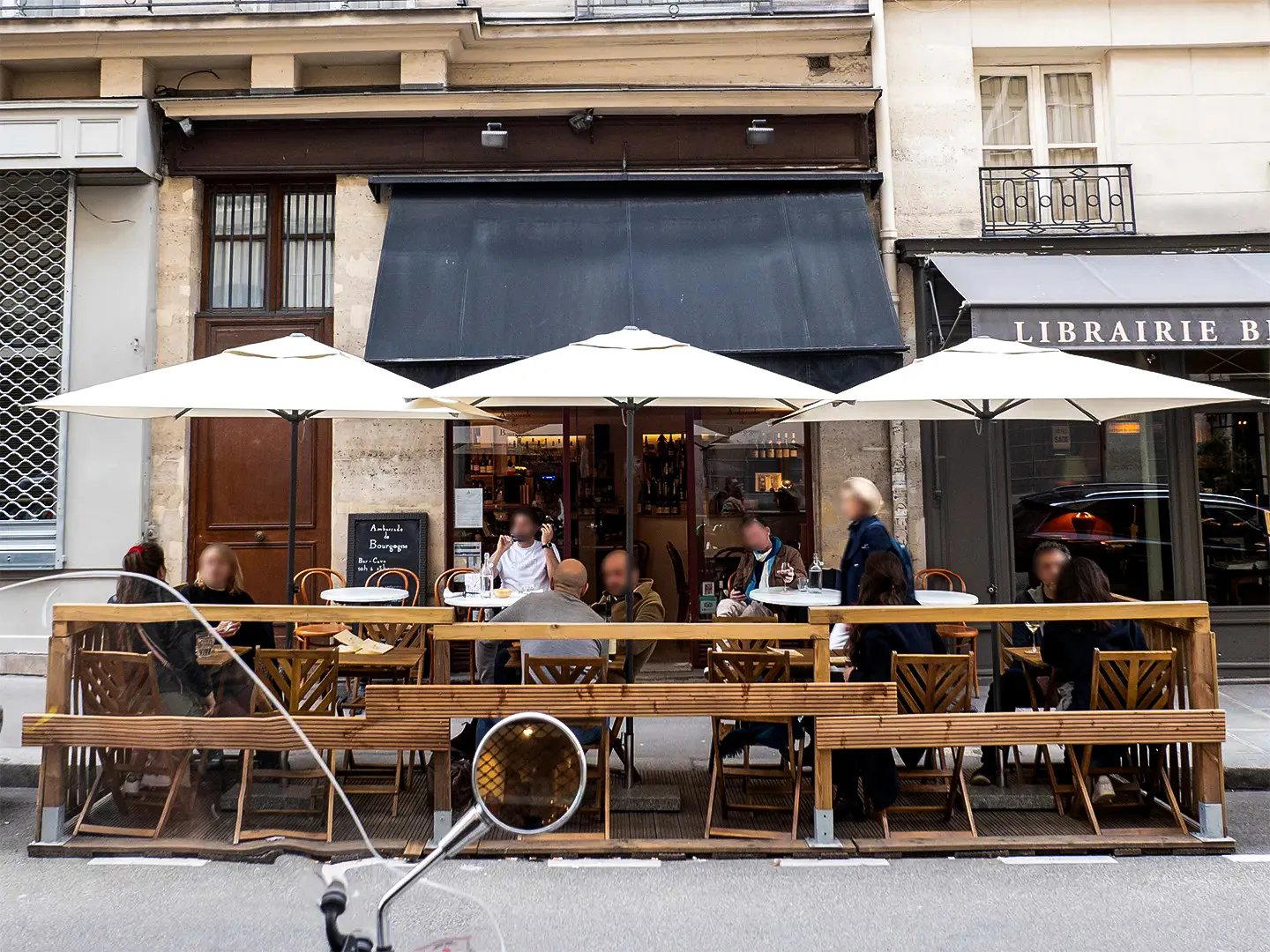
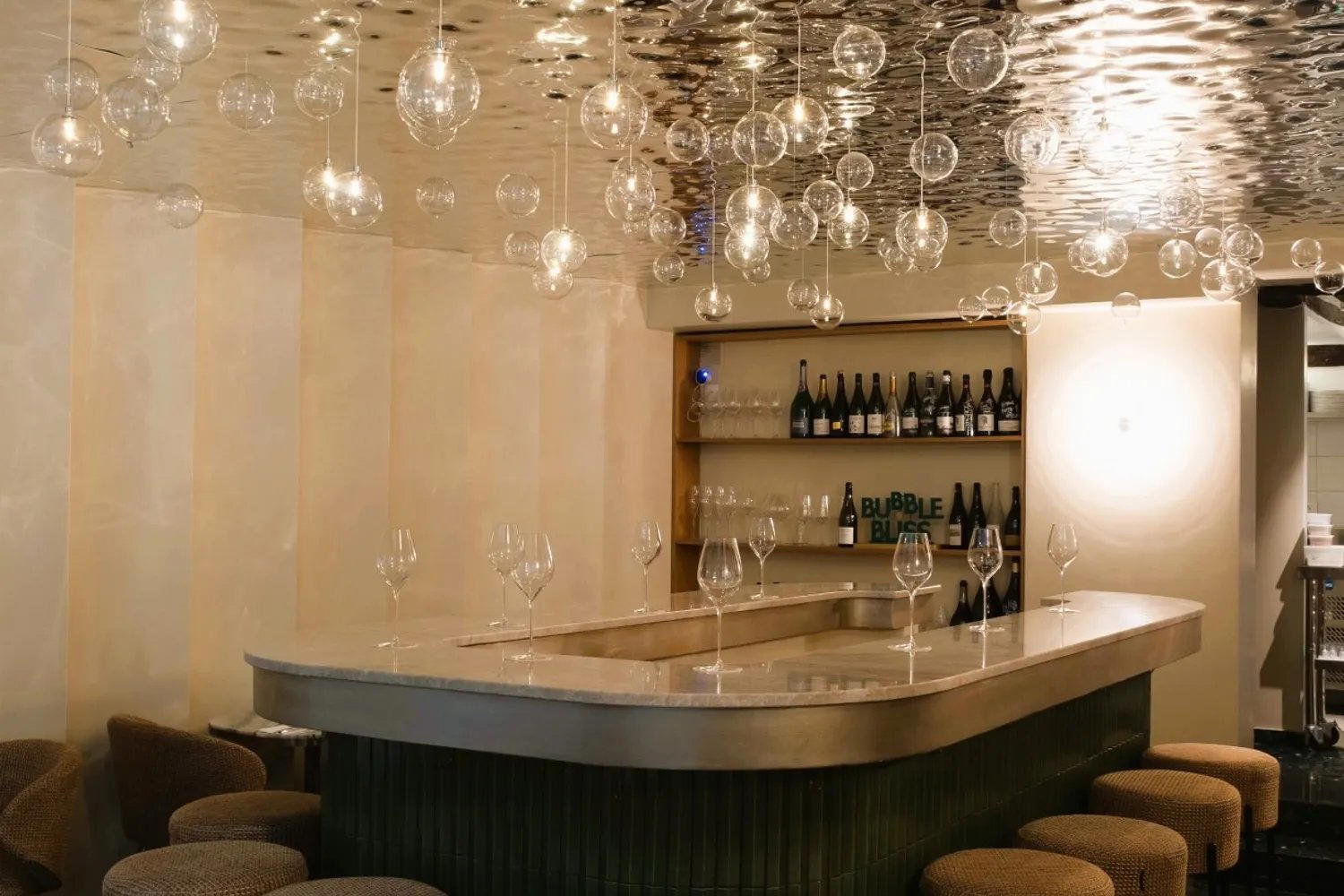
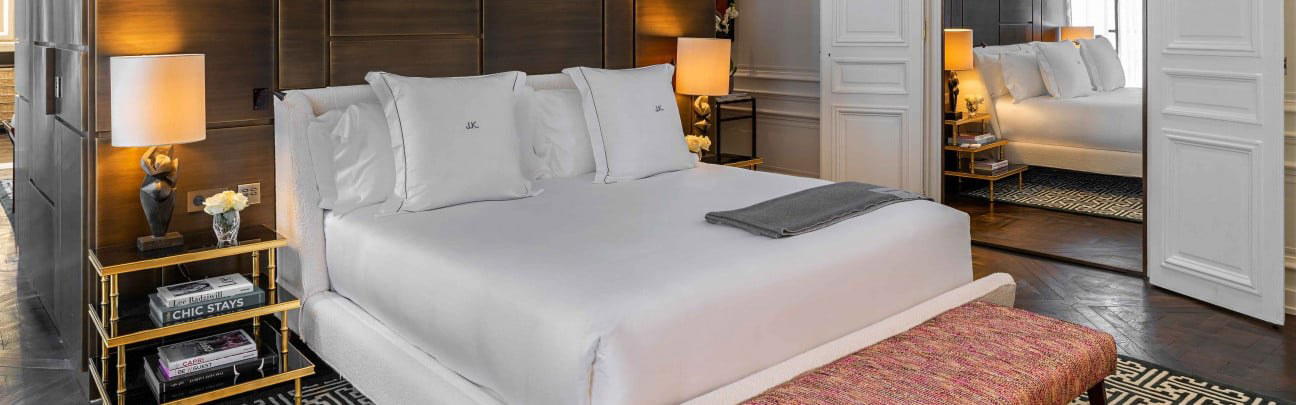
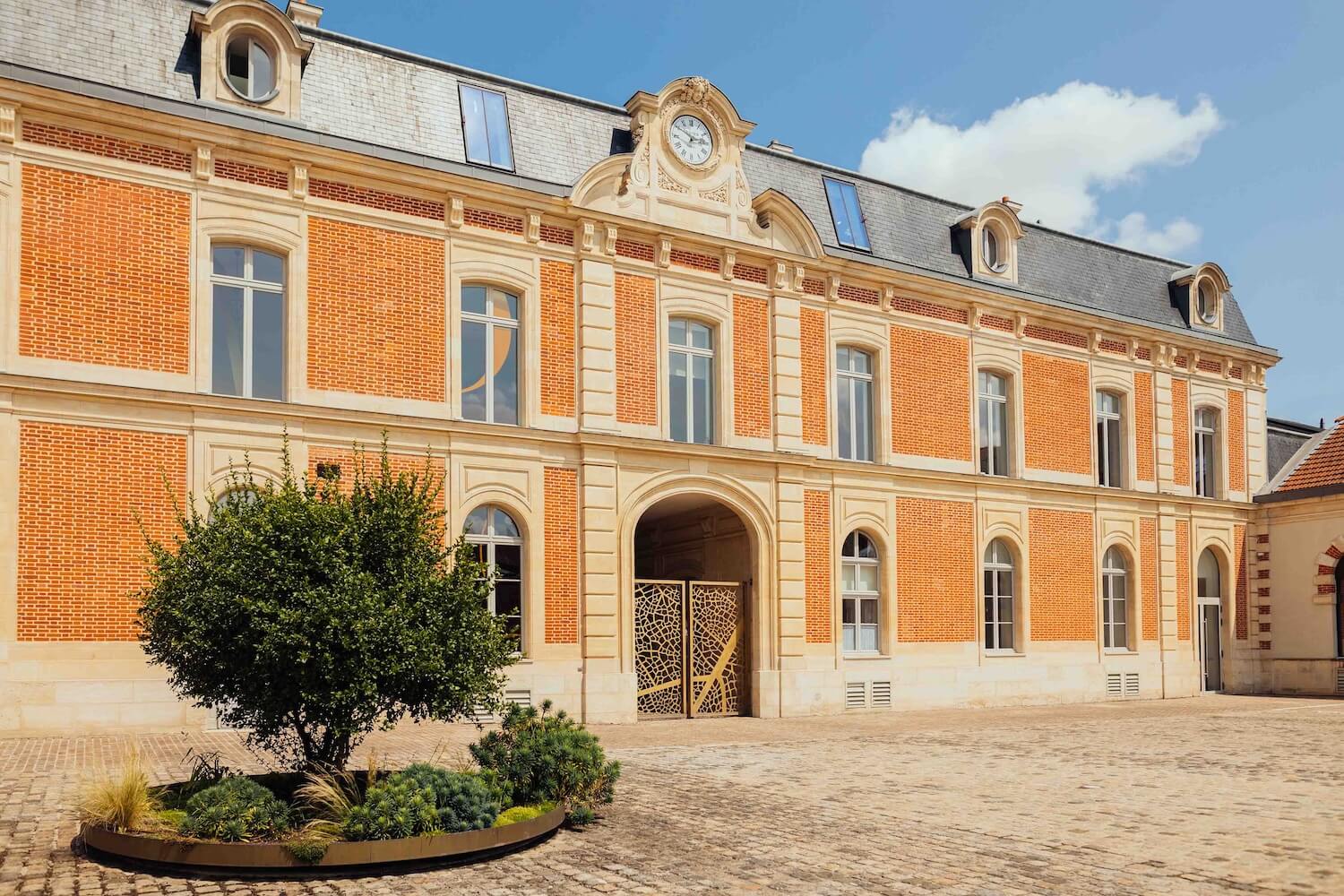
Clean, light-filled space with modern, sophisticated atmosphere and open kitchen view.