Fog Harbor Fish House

Positioned at Pier 39 on San Francisco Bay, Fog Harbor Fish House occupies a vantage point where the city's seafood tradition meets its most photographed waterfront. The kitchen draws on the Pacific Coast's fishing heritage, placing it in a comparable set defined less by fine-dining theatrics and more by the direct relationship between the Bay and the plate. For visitors orienting around the northern waterfront, it serves as a practical anchor for understanding how San Francisco's seafood culture evolved at the water's edge.
Pearl is the En Primeur Club membership app — saves, bookings, and concierge access live there. Same editors, same standards.
- Address
- 39 Pier, San Francisco, CA 94133
- Phone
- +14154212442
- Website
- fogharbor.com
- Directions
- Get directions
 Saves & bookings on Pearl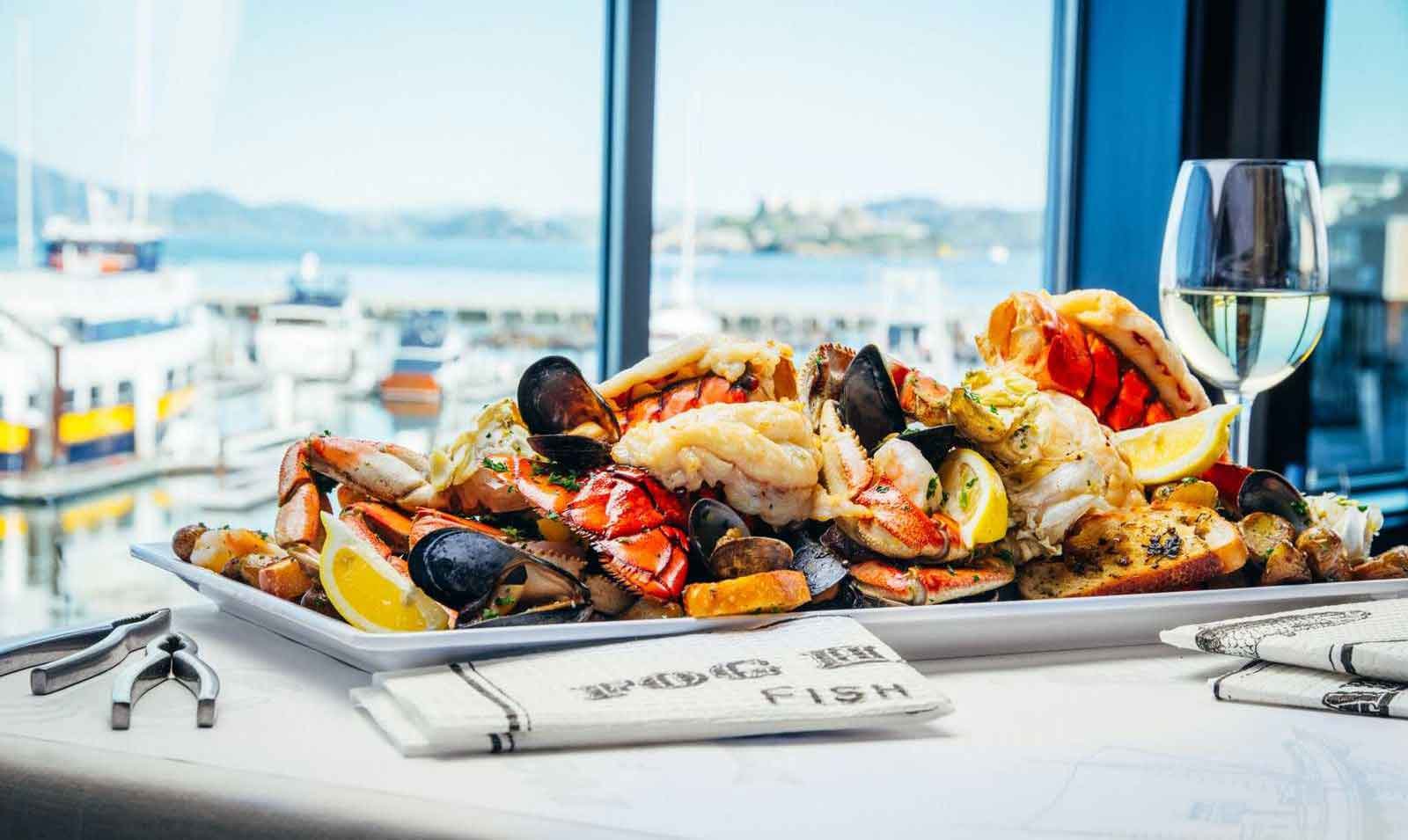
Where the Bay Defines the Plate
San Francisco's relationship with Pacific seafood predates the Gold Rush. By the mid-nineteenth century, Italian and Chinese fishing communities had established a working waterfront culture around what is now Fisherman's Wharf, landing Dungeness crab, Pacific halibut, sand dabs, and Chinook salmon through routines shaped by tidal schedules rather than restaurant demand. That culture is still visible, if increasingly diluted, along the northern waterfront today. Fog Harbor Fish House at Pier 39 sits at the intersection of that heritage and the city's contemporary tourist economy, occupying a physical position on the bay that few other dining rooms can claim.
The setting matters here in a way it does not at, say, Benu or Atelier Crenn, where the room functions as a backdrop to the plate. At Pier 39, the bay is the argument. Views across to Alcatraz and the Marin Headlands, the movement of sea lions on the docks below, the particular quality of afternoon fog rolling through the Golden Gate, these are not incidental. They frame what the kitchen is doing and explain why the clientele arrives here in the first place. This is destination dining in the original, pre-Instagram sense: people come because of where the building stands.
The Pacific Seafood Tradition in Context
California's seafood dining culture has fragmented over the past two decades into distinct tiers. At the high end, places like Saison treat live-fire cookery of premium fish as a serious tasting-menu proposition, while Lazy Bear and Quince incorporate seasonal California seafood within broader progressive frameworks. Nationally, the high-end seafood format is most rigorously represented at Le Bernardin in New York City, where the kitchen's entire architecture is built around fish cookery at the highest technical level.
Fog Harbor occupies a different register. It belongs to the long-standing American tradition of the waterfront seafood house, the format that made San Francisco's Fisherman's Wharf internationally recognizable and that parallels institutions like Emeril's in New Orleans in its commitment to regional seafood identity over fine-dining formalism. These rooms are not competing with the tasting-menu tier. They are serving a different reader: the visitor who wants proximity to the ingredient's source, a readable menu, and a sense of place that the controlled environments of haute cuisine deliberately suppress.
That tradition has real cultural weight. Dungeness crab, the Pacific Coast's most prized crustacean, has been central to the Bay Area table since the nineteenth century, and the waterfront restaurants of Fisherman's Wharf remain especially direct conduit between that crabbing tradition and the dining public. Whether you are eating at a white-tablecloth room or a casual seafood house at the pier, the crab on the plate came from the same Pacific waters. The difference is in how much ceremony surrounds the encounter.
Pier 39 and the Northern Waterfront
Pier 39 is often dismissed by San Franciscans as a tourist zone, but that framing undersells its function. The pier concentrates the bay-facing experience that makes the northern waterfront distinct from any other part of the city. The Ferry Building, two miles south along the Embarcadero, has become the city's food-market reference point; the Wharf district retains its identity as the place where the fishing industry's visible presence, the boats, the sea lions, the direct-to-consumer crab stalls, remains intact.
For visitors building a broader San Francisco food itinerary, the northern waterfront and the higher-end dining districts represent genuinely different experiences. The city's most technically ambitious kitchens cluster in areas like the Mission, SoMa, and the Financial District. The Pier 39 corridor addresses a different appetite: the desire to eat well in a setting that the city's geography makes irreplaceable.
Who Eats Here and Why
The waterfront seafood house format attracts a specific visitor: someone whose priority is connection to the city's fishing geography rather than the tasting-menu experience available at the city's Michelin-tier rooms. Compared to the $$$ pricing tier of Atelier Crenn or the advance-booking requirements of San Diego's Addison, the Pier 39 waterfront offers a more accessible entry point to California seafood without the formality of a tasting menu.
That accessibility also defines the comparable set nationally. Providence in Los Angeles operates at the opposite end of the spectrum, treating Pacific seafood with the precision and investment of a two-Michelin-star kitchen. Smyth in Chicago, The Inn at Little Washington, and Frasca Food and Wine in Boulder each represent a formal dining commitment that Fog Harbor does not position itself against. The comparison that matters more is within the waterfront seafood category itself, a format where the view, the immediacy of the ingredient, and the directness of service define the offer.
Planning Your Visit
Pier 39 is accessible on foot along the Embarcadero from downtown San Francisco, and by BART to Embarcadero Station followed by a northward walk. The waterfront is busiest on weekend afternoons and during the summer months when fog typically clears by midday. Visiting on a weekday morning or early afternoon typically means shorter waits for bay-view seating. For visitors interested in exploring the wider range of San Francisco's dining options, from the progressive menus at Lazy Bear to international reference points like Atelier Moessmer Norbert Niederkofler in Brunico and Atomix in New York City, our San Francisco guide and The French Laundry in Napa represent the region's highest-stakes dining options for those building a multi-day itinerary around the Bay Area.
Quick Comparison
Comparable venues nearby, for context on price, style, and recognition.
| Venue | Cuisine | Price | Notes |
|---|---|---|---|
| Fog Harbor Fish HouseThis venue — the venue you are viewing | Sustainable San Francisco Seafood | $$$ | Not listed |
| Mission Rock Resort | Fresh Seafood with Bay Views | $$$ | Potrero Hill |
| Nick's Lighthouse | Classic American Seafood | $$ | North Beach |
| Chouquet's | Classic French Bistro | $$$ | Pacific Heights |
| ROOFTOP 25 | Contemporary American Rooftop | $$$ | South of Market |
| Caprizza Ristorante | Authentic Italian Trattoria | $$$ | Mission |
Recognition history
Dated appearances from independent guides and award organizations, with the underlying list record or original source where available.
San Francisco Travel San Francisco Martini Trail Selection
San Francisco Travel
Continue exploring
More in San Francisco
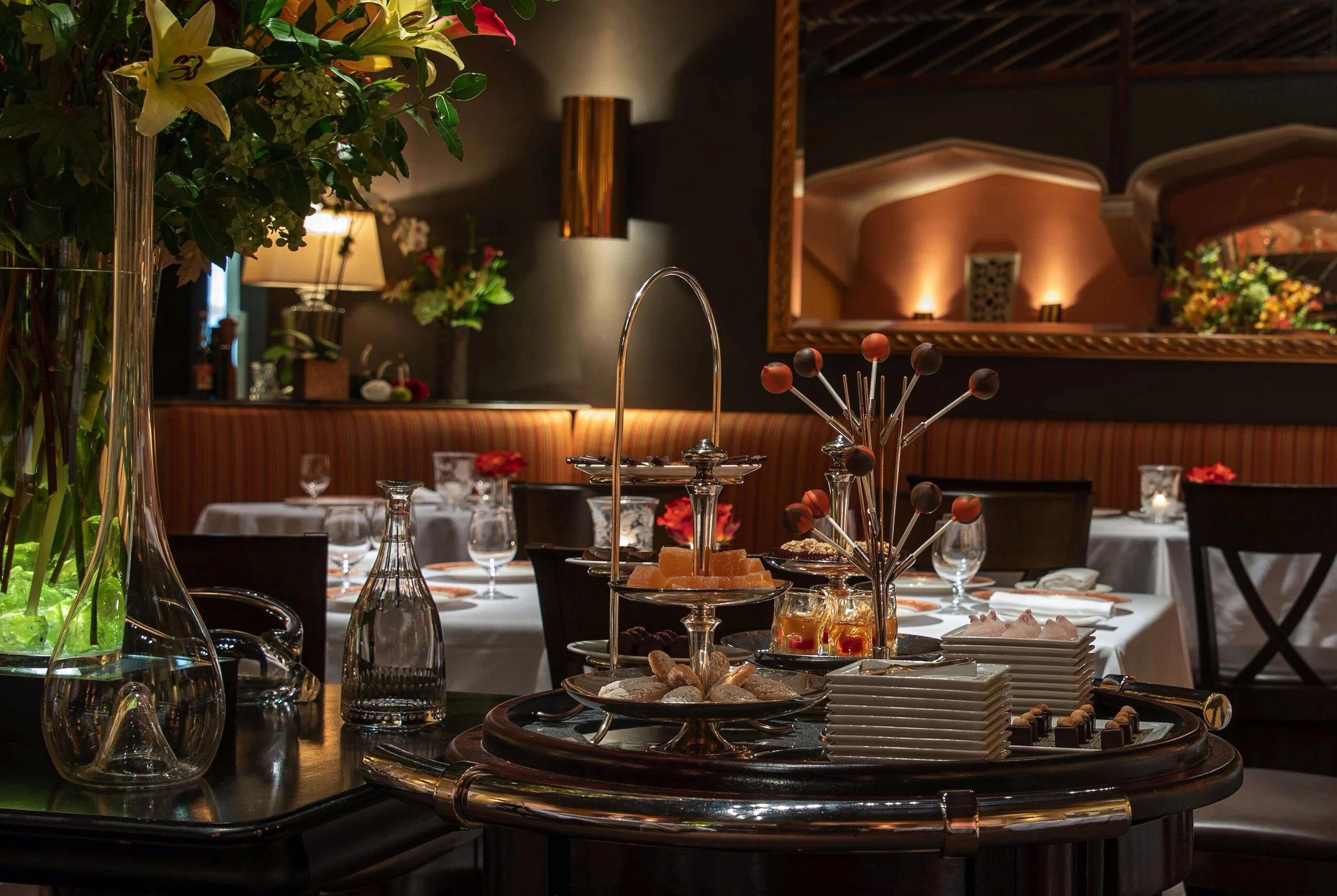
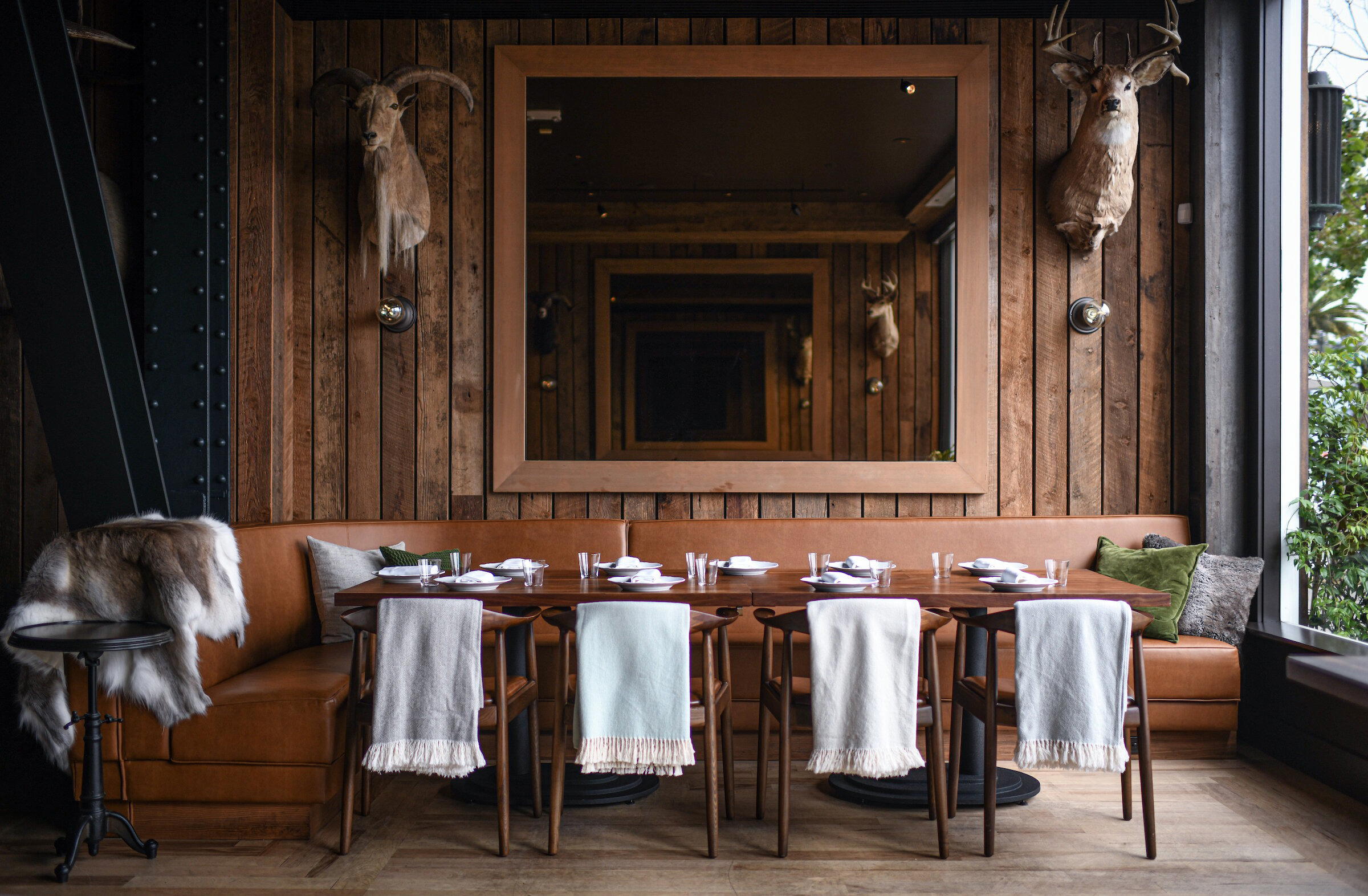
Restaurants in San Francisco
Browse all →
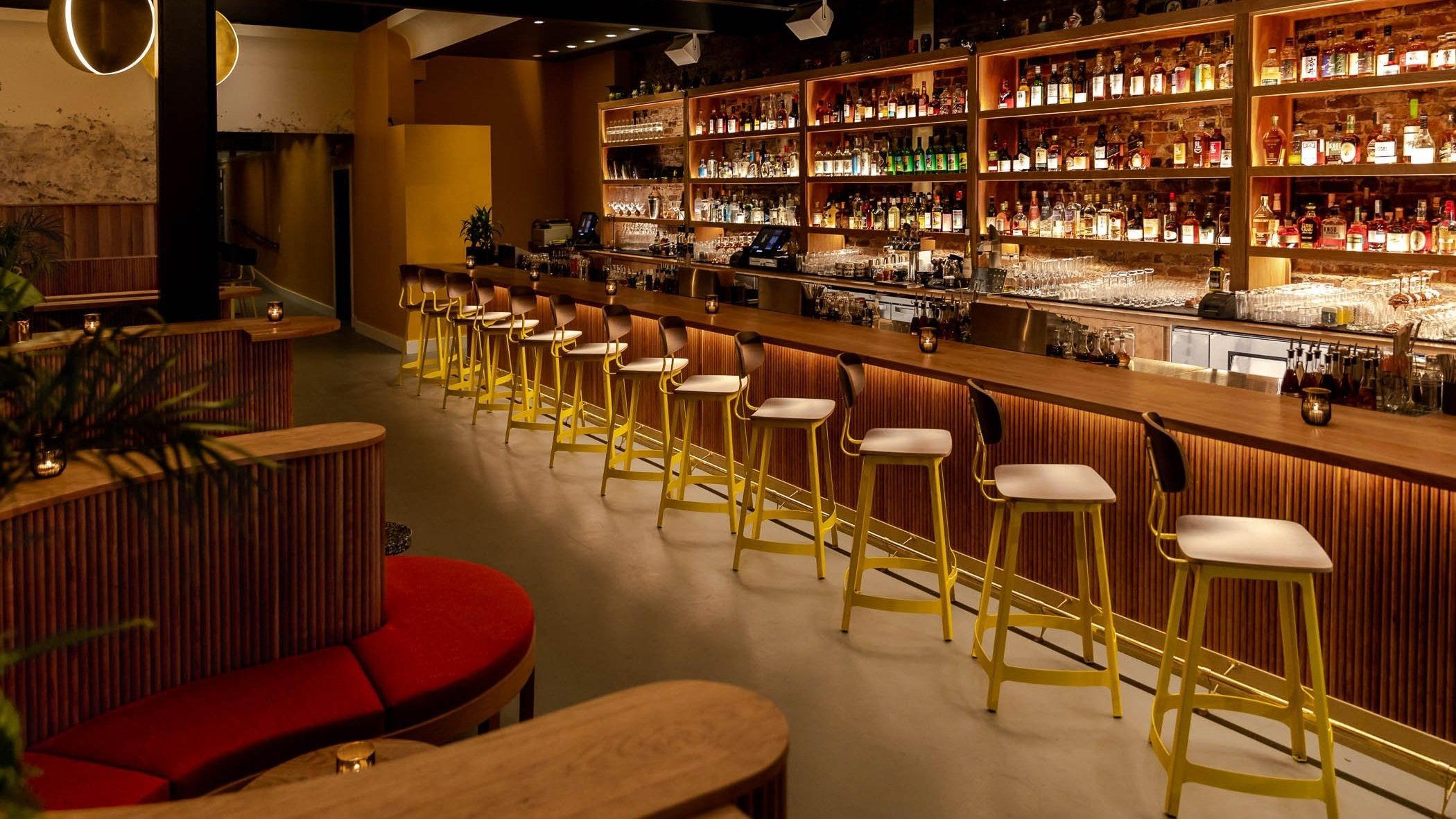
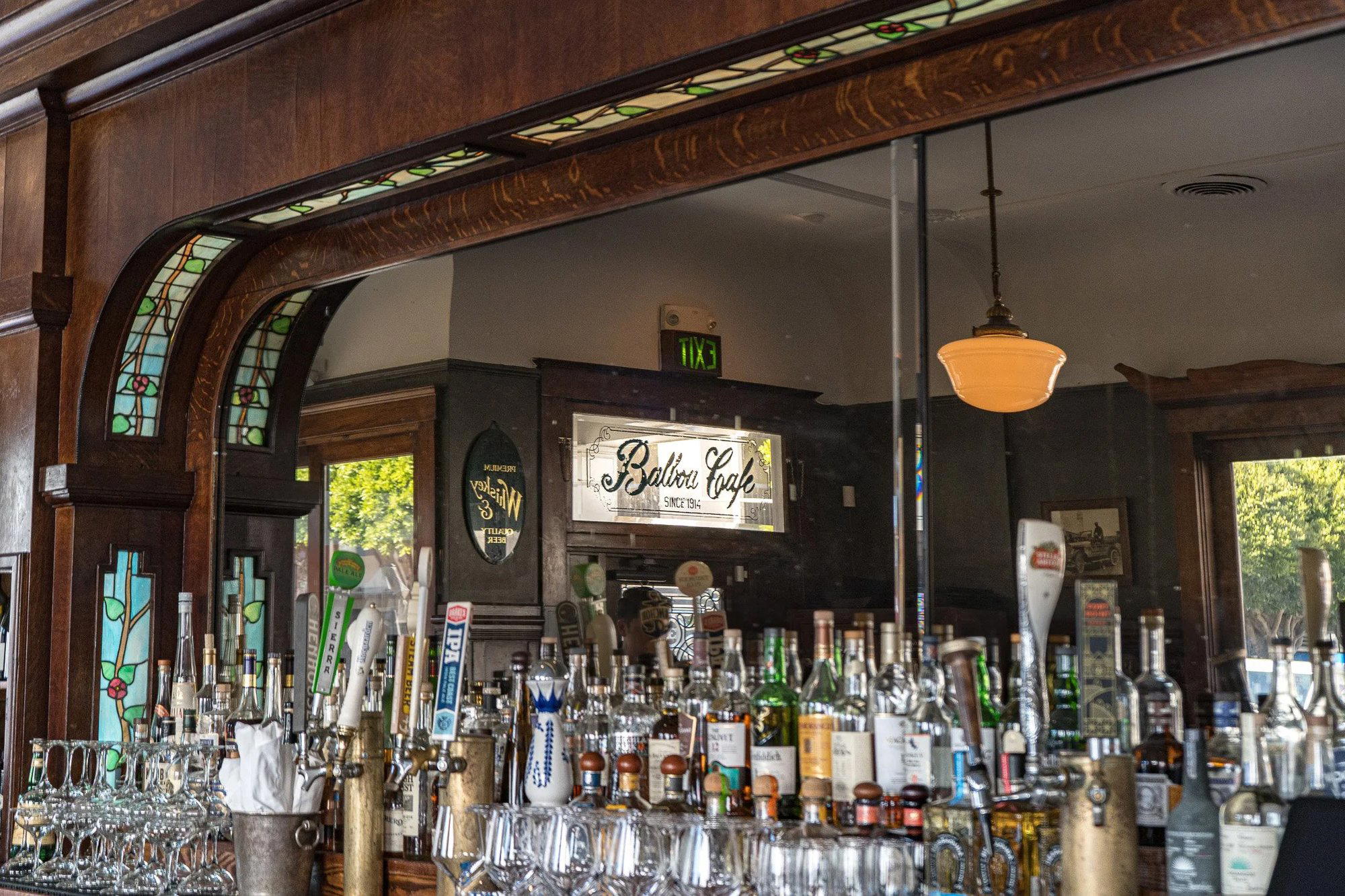
Bars in San Francisco
Browse all →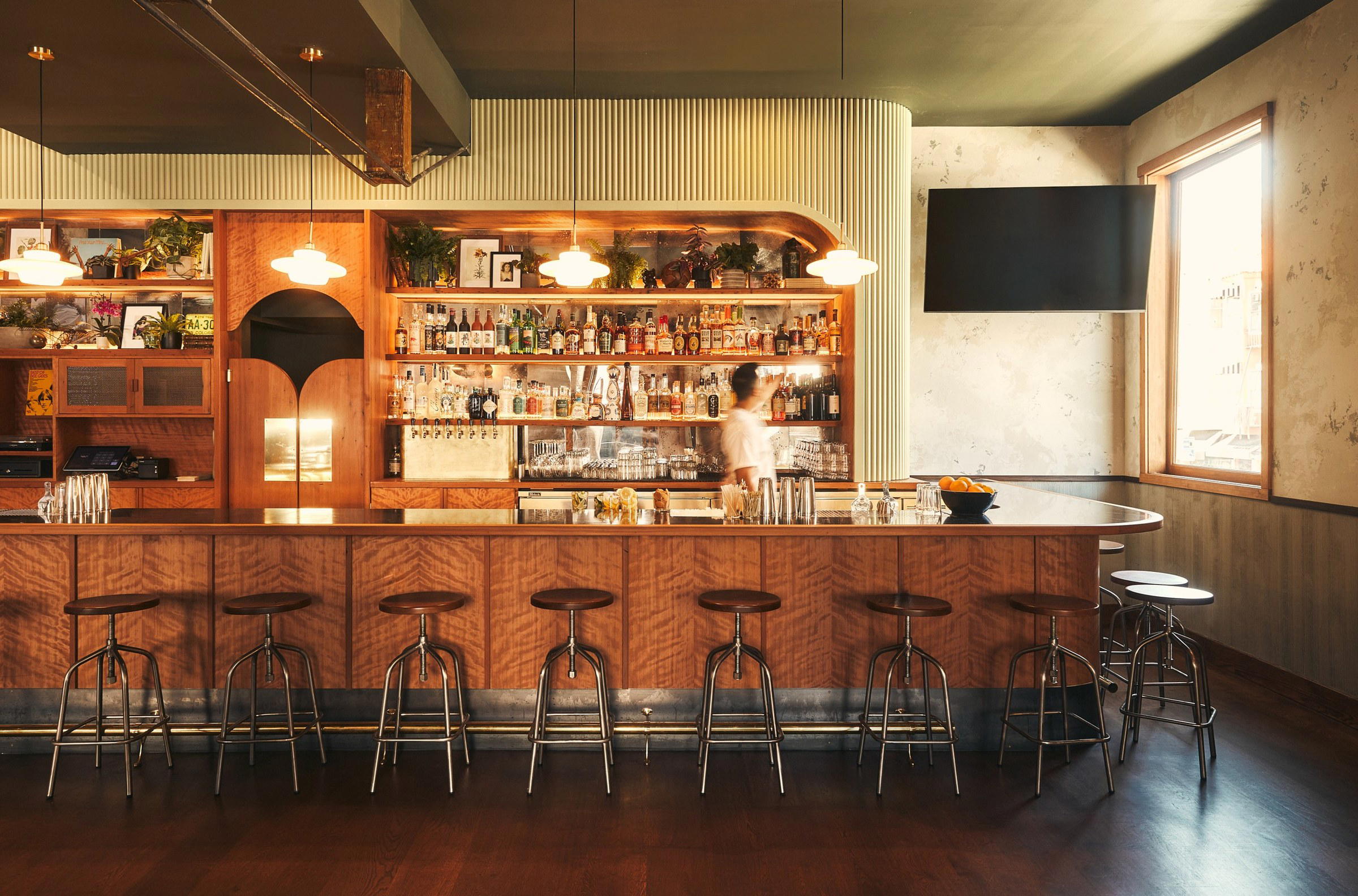
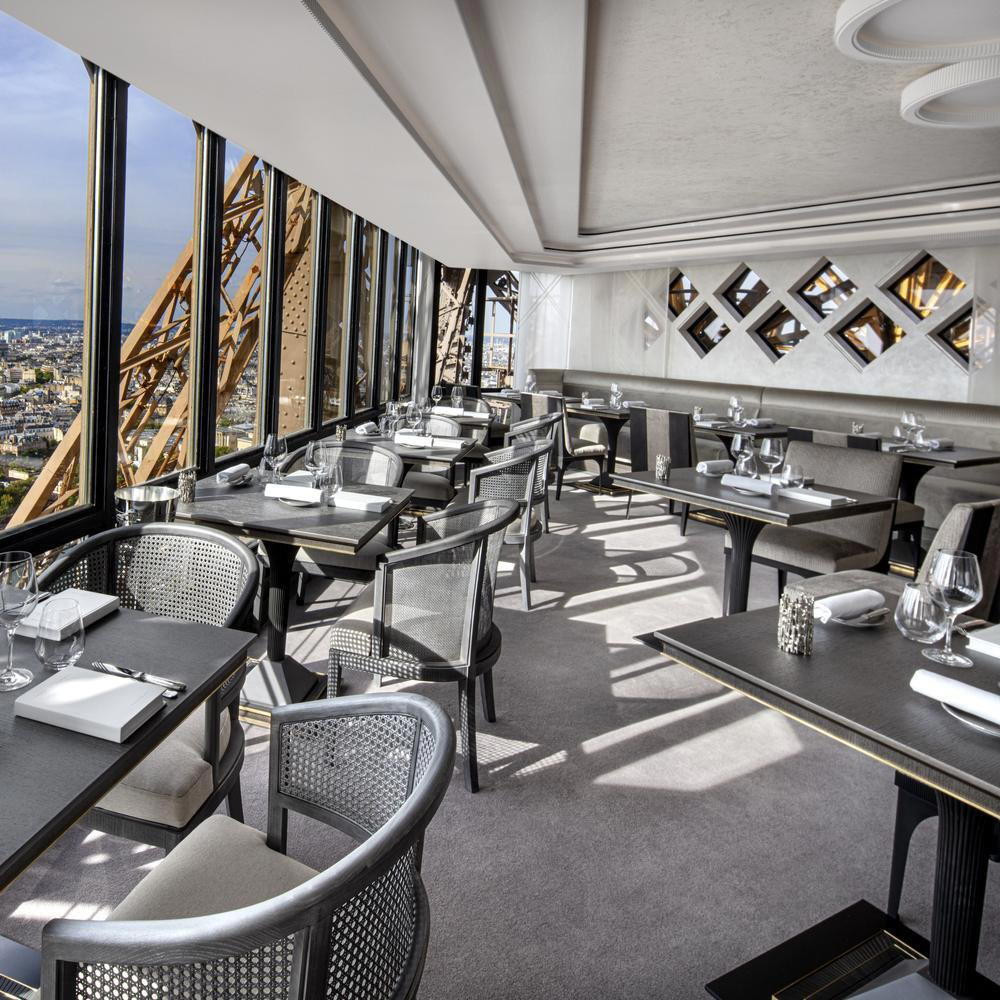
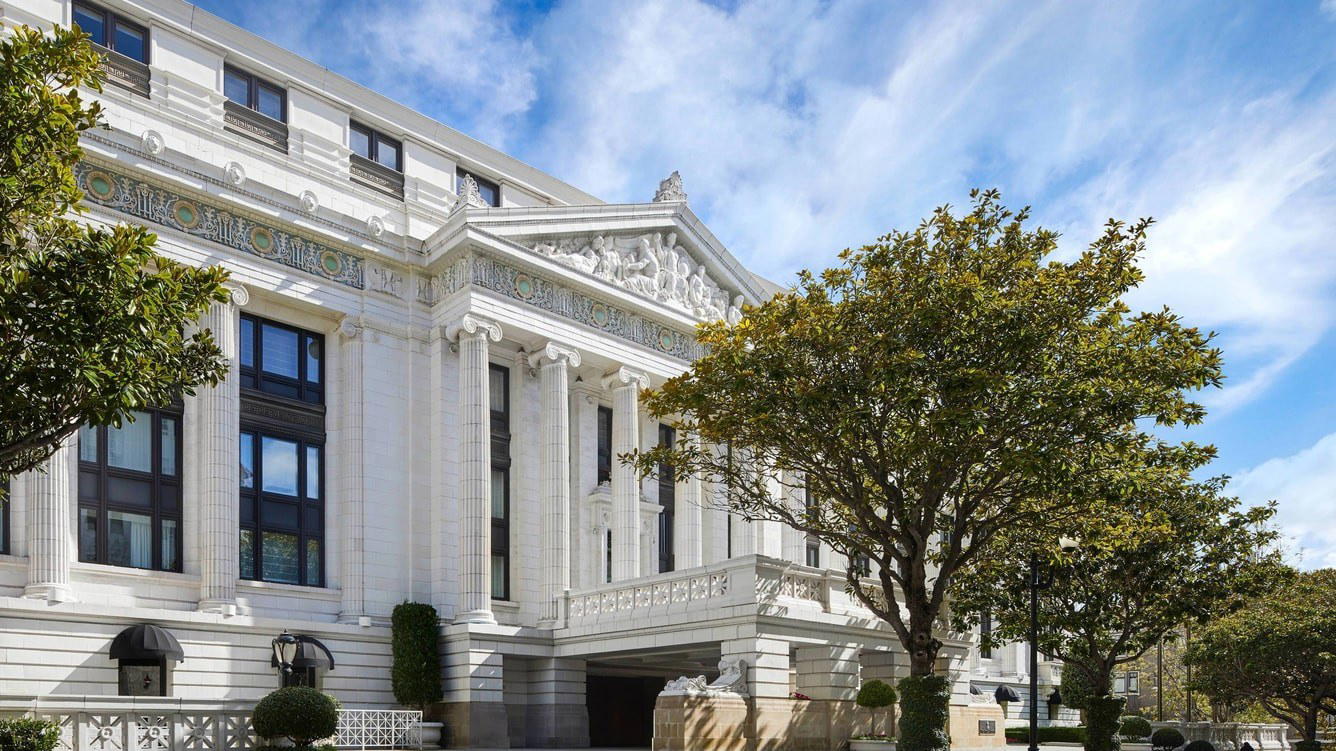
Hotels in San Francisco
Browse all →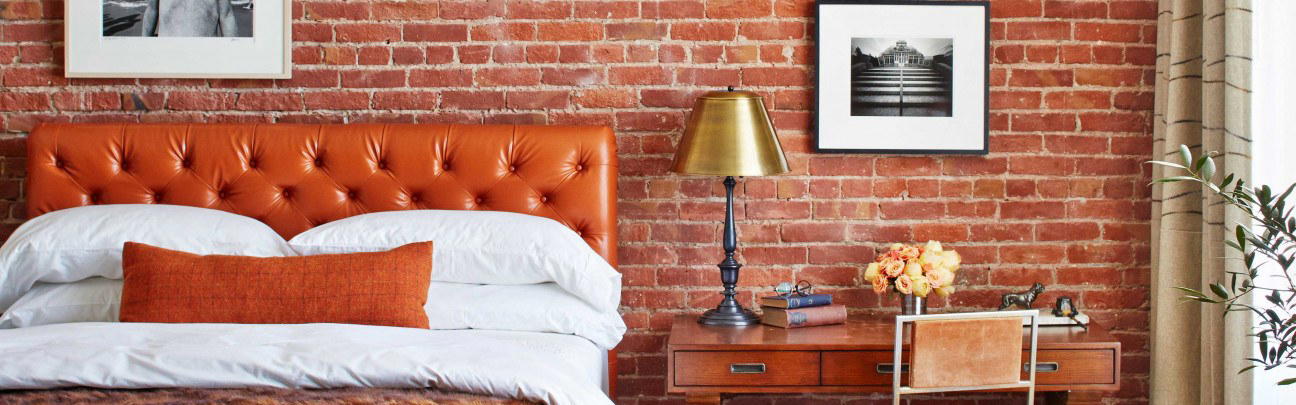


At a Glance
- Scenic
- Lively
- Well Known
- Celebration
- Family
- Group Dining
- Waterfront
- Panoramic View
- Craft Cocktails
- Beer Program
- Sustainable Seafood
- Waterfront
- Skyline
Current opening hours
- Monday
- 11 AM–9 PM
- Tuesday
- 11 AM–9 PM
- Wednesday
- 11 AM–9 PM
- Thursday
- 11 AM–9 PM
- Friday
- 11 AM–9 PM
- Saturday
- 11 AM–9 PM
- Sunday
- 11 AM–9 PM
Hours can change for holidays and private events. Last verified .
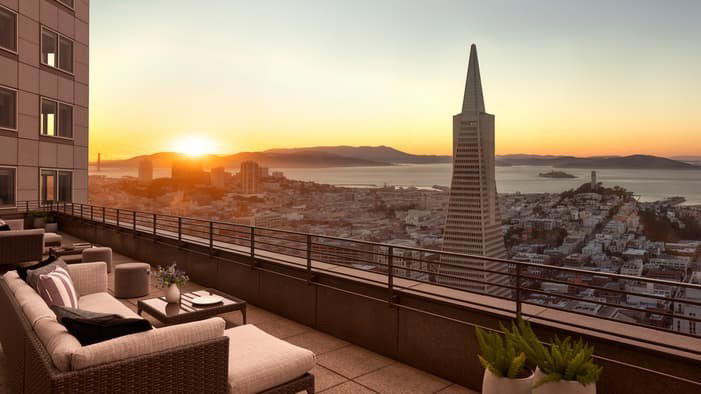
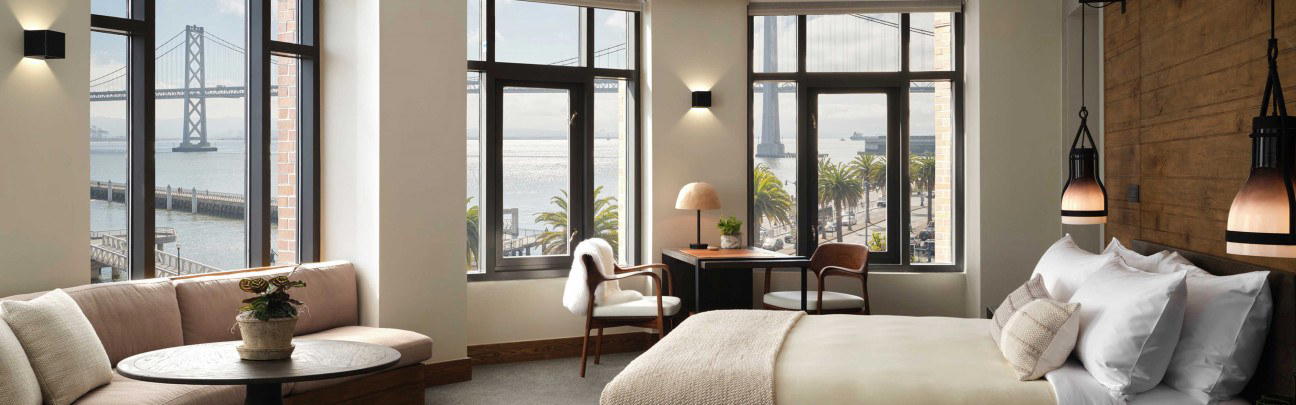
Lively waterfront atmosphere with large windows offering spectacular views of the marina, bay, Alcatraz, and Golden Gate Bridge.