Pidgin Cooperative
Pidgin Cooperative sits inside Seattle's expanding tier of collaborative, culturally rooted dining projects, where the subject on the plate carries the weight of culinary tradition rather than a single chef's ego. The name signals something deliberate: pidgin as a contact language, cooperative as a shared enterprise. For Seattle's serious dining circuit, that framing alone places it in a distinct peer conversation.
Pearl is the En Primeur Club membership app — saves, bookings, and concierge access live there. Same editors, same standards.
- Address
- Seattle, United States
- Directions
- Get directions
 Saves & bookings on Pearl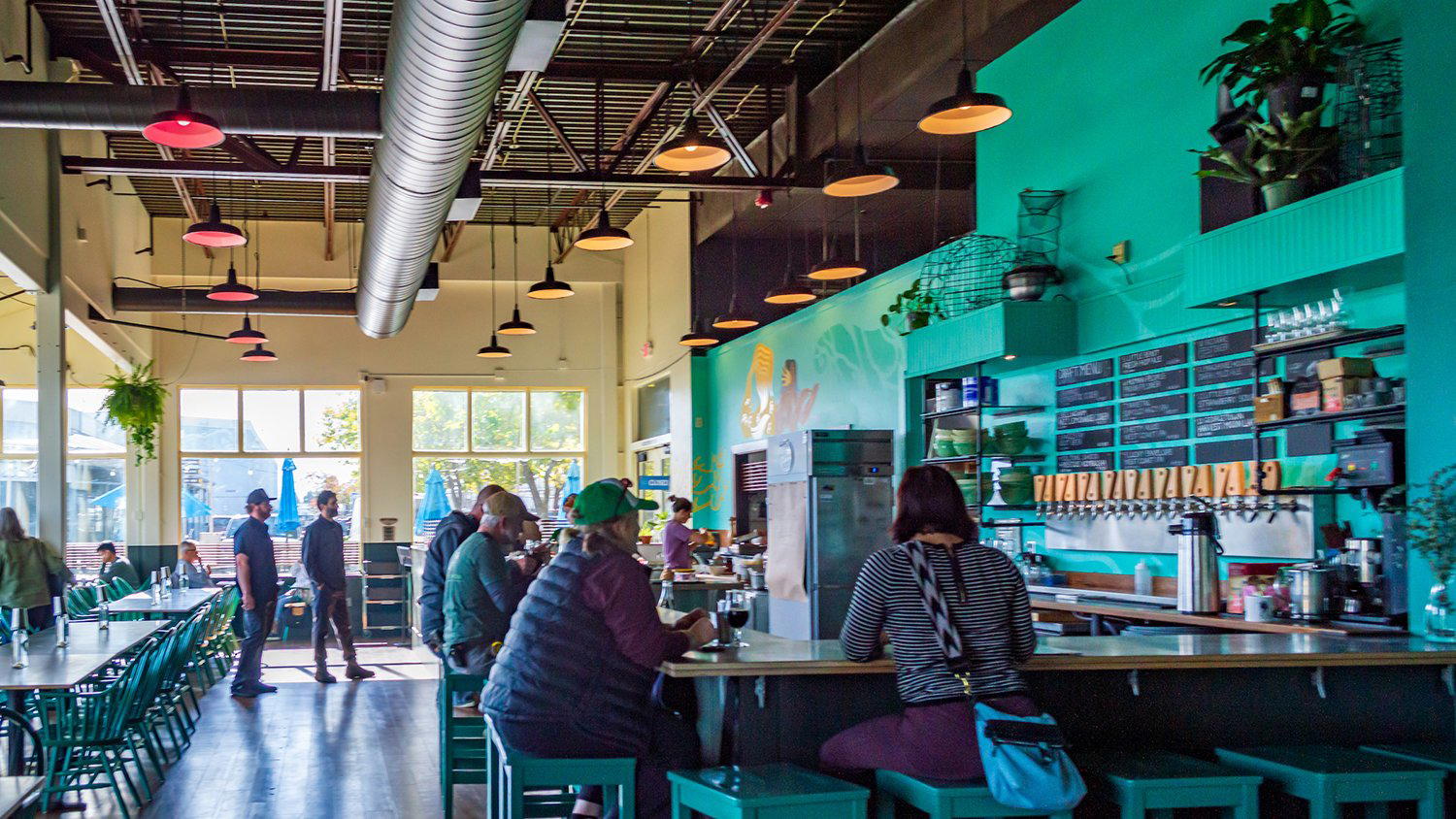
Where Language Meets the Table
Pidgin Cooperative is a Seattle restaurant serving Filipino-Hawaiian Asian Fusion, with a casual dress code and reservations recommended at about $35 per person. When a Seattle restaurant adopts that word as its name, the editorial implication is plain. The cuisine is not anchored to a single national tradition or a chef's tasting-menu ego project. Instead, it operates at the intersection of culinary vocabularies, which puts it in interesting company on the Pacific Northwest dining circuit. Seattle has always occupied a geographically relevant position for exactly this kind of project: a port city on the Pacific Rim with deep ties to Japanese, Chinese, Filipino, and Vietnamese communities, and a locavore infrastructure that makes Northwest ingredients the natural medium for any cuisine that chooses to work here.
Joule pioneered the Korean-meets-Pacific-Northwest register a decade ago. Archipelago has worked through a Filipino lens with careful sourcing discipline. Pidgin Cooperative enters that conversation from its own angle, one that the cooperative structure and name suggest is deliberately less hierarchical than a single-chef flagship.
The Cooperative Model in Seattle Dining
Seattle's premium dining tier has historically organized itself around the chef-as-auteur format: one name, one vision, one menu that articulates a career. Canlis built a multigenerational version of that model over seventy years. Altura did it through a rigorous Italian fine-dining framework. The cooperative format subverts that architecture. Ownership and creative contribution spread across a team, which changes the dynamics of both the menu and the room. In cities where this model has taken hold, including the community-supported approach that Lazy Bear used in San Francisco, the result tends toward cooking that reflects collective sensibility rather than singular vision, with menus that shift more fluidly and service that carries less formal pressure.
What the cooperative structure does not change is the underlying demand on execution. Whether the kitchen traces back to one chef or many, the credential conversation in Seattle's fine dining tier is the same: sourcing discipline, technical depth, and a clear point of view about what the plate is trying to say. Single Thread Farm in Healdsburg and The French Laundry in Napa define the upper bound of formalized Northern California ingredient obsession. Pidgin Cooperative's approach, as the name implies, is less about codified refinement and more about productive collision.
Cultural Roots and the Pacific Rim Frame
The Pacific Rim culinary conversation that Seattle is naturally positioned to host is not a trend. It is a demographic and geographic reality. Washington State's food culture has been shaped by Japanese American farmers, Vietnamese restaurant communities in the International District, Filipino fishing and canning histories, and a Chinese immigrant presence going back to the mid-nineteenth century. Restaurants that engage these traditions honestly are doing something different from the "Asian-inspired" branding that spread through American fine dining in the 1990s and 2000s. That older wave often borrowed visual or spice-cabinet elements without deeper engagement. The more serious iteration, which includes projects like Atomix in New York, treats the source cuisine as the primary intellectual framework rather than a decorative layer.
A name like Pidgin Cooperative signals awareness of this distinction. Pidgin languages are not diminished languages: linguists treat them as functional, creative systems that emerge from genuine contact between communities. A restaurant holding that frame is implicitly committing to something more than surface borrowing. It is locating itself inside a tradition of adaptive, respectful cross-cultural cooking, the kind that Le Bernardin in New York and Alain Ducasse at Louis XV in Monte Carlo achieved from their respective classical starting points: rigorous technique in service of a specific culinary argument.
Placing Pidgin Cooperative in the Seattle Scene
Seattle's restaurant scene has matured considerably since the mid-2000s, when fine dining options were relatively concentrated and the gap between special-occasion restaurants and casual eating was wide. The city now supports a more granular market: fast-casual Vietnamese alongside the sit-down version at Ba Bar, serious pizza with provenance sourcing at A.K. Pizza, and destination-level tasting menus that draw visitors from outside the state. Into that more differentiated market, a cooperative format with Pacific Rim cultural framing carves a specific niche. It is not the same as Alinea's Chicago-style conceptual rigor or Emeril's New Orleans personality-led dining. It is something the Pacific Northwest is positioned to do that neither of those cities can replicate: bring the actual cultural communities of the Pacific Rim into the room and onto the plate.
For readers planning a Seattle itinerary, the city's dining ecosystem rewards sequencing. The restaurant occupies a register that complements rather than duplicates what the established flagships offer. See our full Seattle restaurants guide for the complete picture, and consult our Seattle hotels guide, Seattle bars guide, Seattle wineries guide, and Seattle experiences guide to build out a full visit.
Planning Your Visit
The restaurant is recommended for reservations, and its casual setting suits a relaxed meal. The cooperative model in Seattle dining has tended toward intimate capacity, which means reservations at comparable venues in this tier book between two weeks and six weeks in advance. Confirming the current format, whether the kitchen is running a tasting-menu structure, an a la carte approach, or a hybrid, will also clarify whether walk-in options exist on slower service days.
Pricing, Compared
Comparable venues nearby, for context on price, style, and recognition.
| Venue | Cuisine | Price | Notes |
|---|---|---|---|
| Pidgin CooperativeThis venue — the venue you are viewing | Interbay, Filipino-Hawaiian Asian Fusion | $$$ | Not listed |
| canon | Minor, American Small Plates & Cocktails | $$$ | Not listed |
| Conversation | Not listed | $$$ | Belltown, New American with Pacific Northwest Focus |
| Dimitriou's Jazz Alley | Denny Triangle, Northwest American | $$$ | Not listed |
| Salt Harvest | Not listed | $$$ | Pioneer Square, Pacific Northwest Hearth-Inspired Grill |
| The Triple Door | Not listed | $$$ | Central Business District, Southeast Asian Fusion |
Continue exploring
More in Seattle
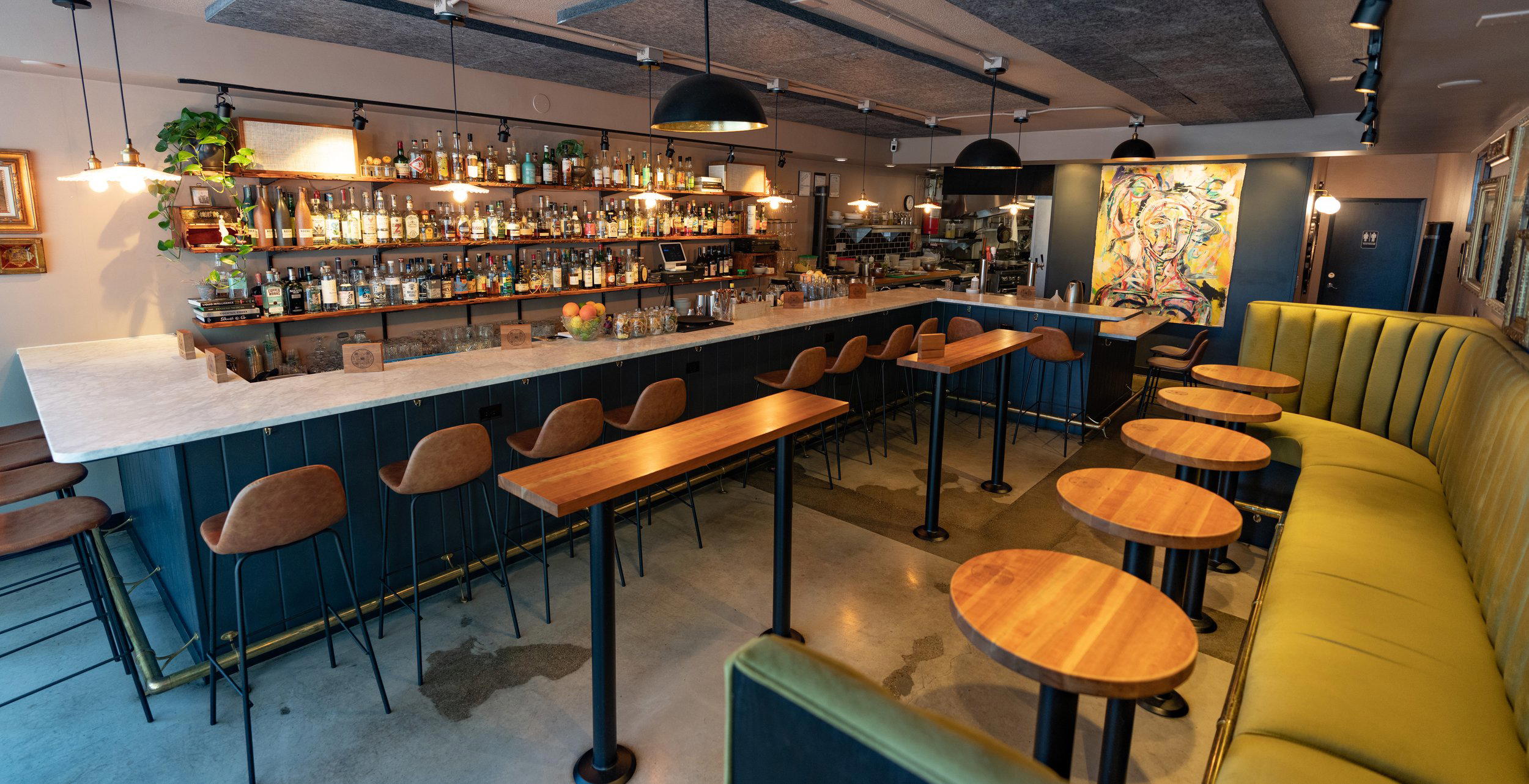
Restaurants in Seattle
Browse all →
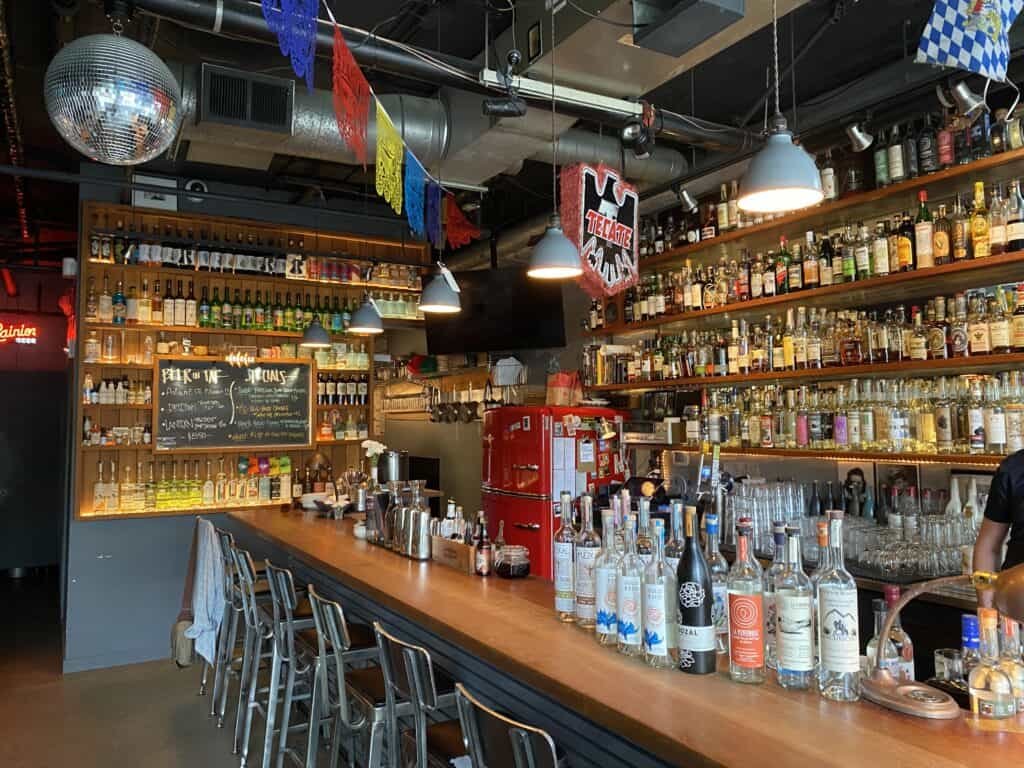
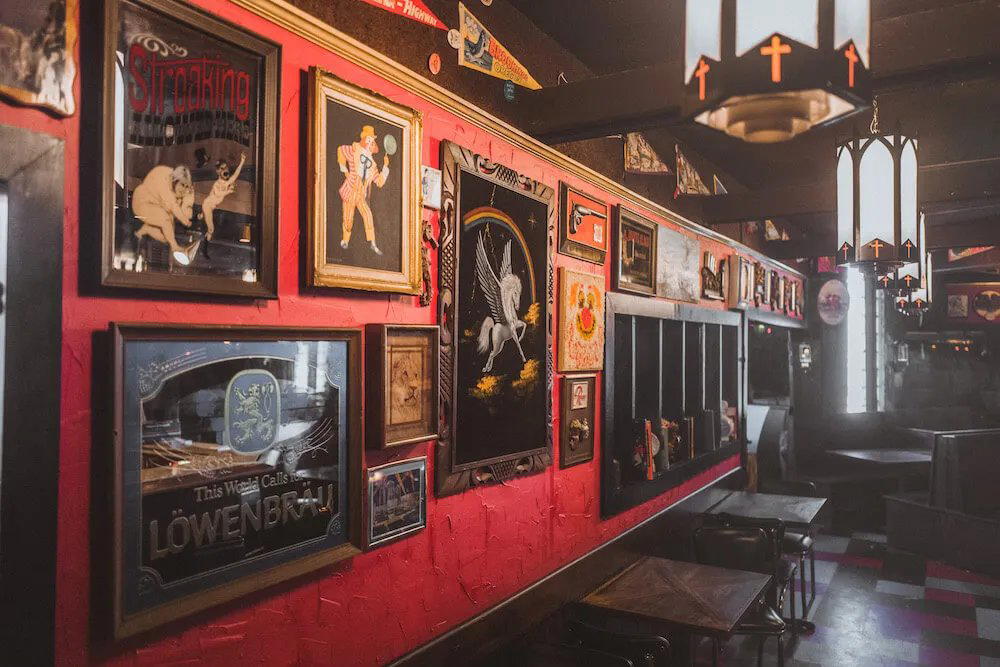
Bars in Seattle
Browse all →
Hotels in Seattle
Browse all →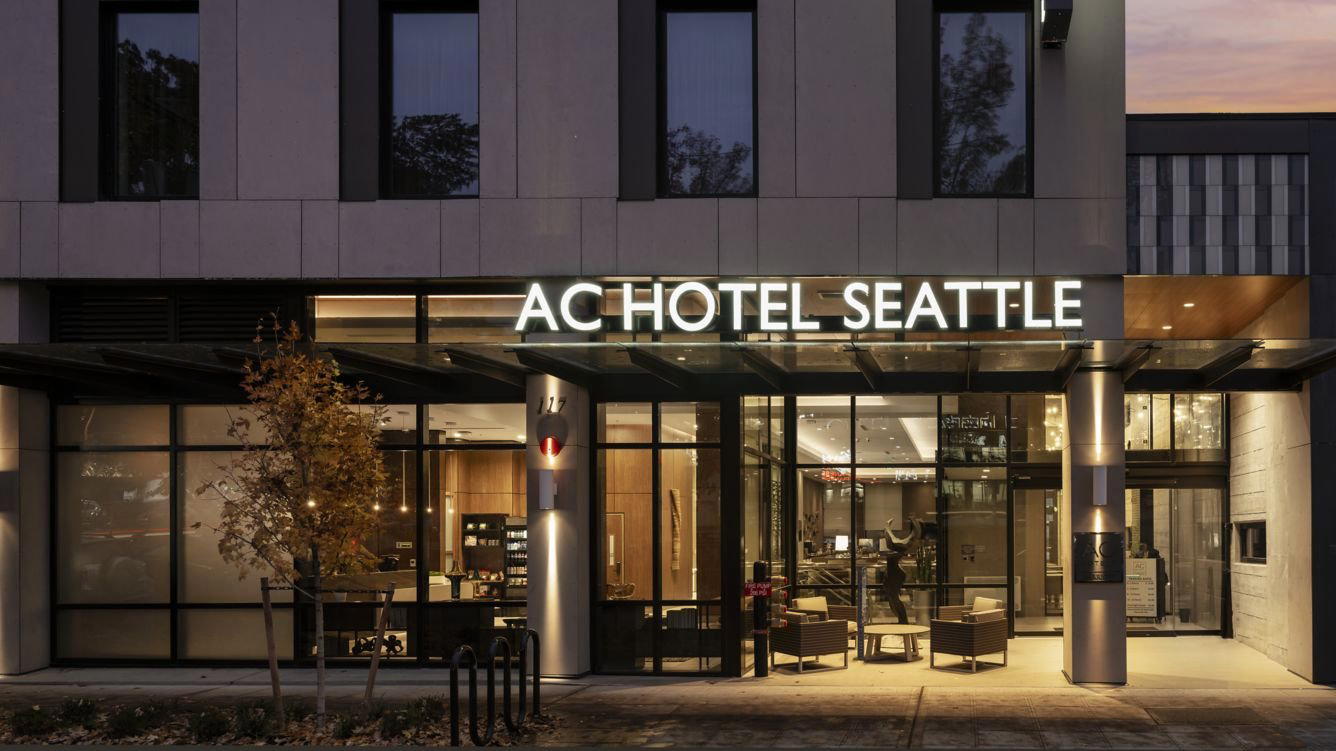


At a Glance
- Lively
- Trendy
- Cozy
- Casual Hangout
- Date Night
- Waterfront
- Open Kitchen
- Beer Program
- Natural Wine
- Local Sourcing
- Waterfront
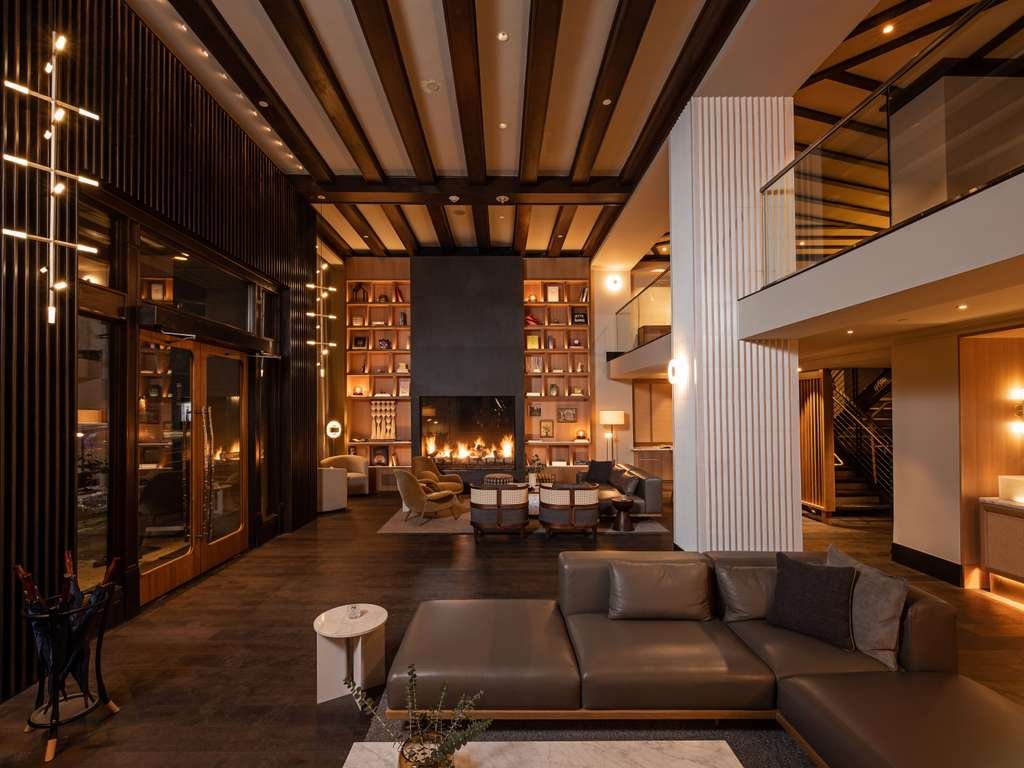
Lively interior with murals and high ceilings, paired with friendly service and scenic waterfront location.