PICOT

PICOT places Hakone’s hotel-bakery tradition in a compact, practical format: bread and cake from the Fujiya Hotel setting, with takeout at the center and a small counter for eating in. Its Tabelog Bread EAST “Tabelog 100” selections in 2020 and 2022 make it a useful stop for travelers reading Hakone through food rather than scenery alone.
Pearl is the En Primeur Club membership app — saves, bookings, and concierge access live there. Same editors, same standards.
- Address
- 神奈川県足柄下郡箱根町宮ノ下359 富士屋ホテル
- Phone
- +81460825541
- Website
- fujiyahotel.jp
 Saves & bookings on Pearl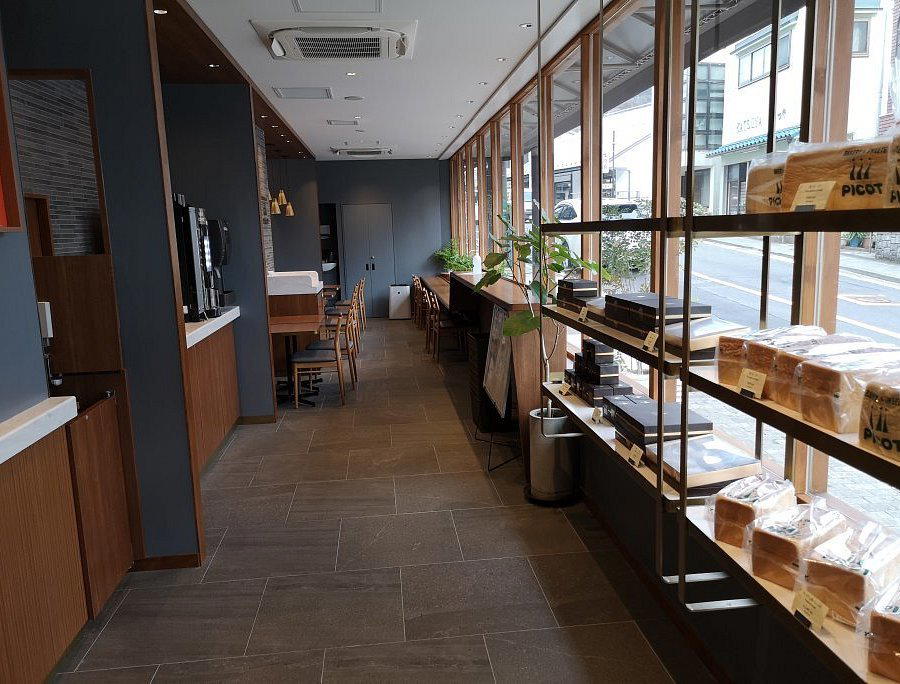
Approaching the Fujiya Hotel in Miyanoshita, the mood shifts from mountain-resort transit to old Hakone ritual: buses on National Route 1, travelers moving between station, ryokan, and hotel, and a bakery counter treating bread as part of the town’s hospitality infrastructure. PICOT is not an urban pastry salon or destination tasting room. It is a hotel boulangerie and sweets shop for carryout, brief counter stops, and edible souvenirs that survive the trip back down the mountain.
That matters because Hakone dining often splits between two poles. One is ryokan dinners, hotel restaurants, and high-spend rooms such as Sumibi Teppan Yaki Toki and Suiyo Ekushibu hakone rikyuu, where the meal is part of an overnight stay or formal occasion. The other is older tea houses, bakeries, wagashi counters, and casual shops that make the area legible between trains and baths. Our full Ashigarashimo-Gun restaurants guide gives the wider dining frame, while Our full Ashigarashimo-Gun hotels guide explains why hotel-linked food remains central here.
Hotel bread, Hakone rhythm, and the souvenir economy
Japanese hotel bakeries occupy a different lane from neighborhood bakeries. They translate Western-style bread and pastry through Japanese travel habits: boxed gifts, train snacks, breakfast provisions, and sweets chosen as omiyage, not dessert alone. PICOT fits that pattern with bread and cake categories, takeout service, and a small eight-seat counter. The format is compact, but the Fujiya Hotel setting ties it to Miyanoshita’s long history as a resort stop for domestic and international travelers.
The Tabelog Bread EAST “Tabelog 100” selections in 2020 and 2022 give the bakery a measurable place within eastern Japan’s bread scene. A Tabelog score of 3.68 puts it in the reviewed, specialist end of casual bakery dining, not the anonymous station-bread tier. That does not make a bakery counter a formal restaurant; it clarifies expectations. The draw is hotel-made bread and sweets at modest spend, with bread-specific recognition rather than broad restaurant prestige as the credibility signal.
The named staples show how the shop reads the market. Curry bread, raisin bread, apple pie, and seasonal Hakone products sit inside Japanese bakery culture, where yoshoku, fruit pastry, and giftable sweets share the case. The curry bread is culturally telling: not an imported French reference but a Japanese bakery standard, part snack, comfort food, and travel provision. Seasonal items give the counter a local cadence without requiring a long meal.
Where PICOT sits among Miyanoshita's casual food stops
Miyanoshita rewards short, tactical eating. A traveler may take tea, buy wagashi, pick up bread, or add a snack between rail connections; the area’s food memory is often built from fragments rather than one grand lunch. Watanabe Bakery sits in the same broad casual-bread bracket, while PICOT’s hotel connection gives it another identity: less neighborhood bakery, more resort pantry. The difference is not formality alone; it is whether the purchase is for immediate eating, breakfast planning, or a packaged gift.
Tea and sweets remain the other half of the local grammar. Amazake Chaya points to Hakone’s road-house and refreshment tradition, while Cha no Chimoto and Chimoto Ekimae doori ten keep wagashi and tea culture in the conversation. Bread does not replace those traditions; it sits beside them as modern resort eating. That coexistence makes Hakone more interesting than a simple hot-spring town label suggests.
For a wider Kanagawa or Japan itinerary, the contrast helps. Bread & Circus gives another regional bread reference, while Arai Shoten broadens the local casual map. Beyond Ashigarashimo-Gun, comparison is less direct equivalence than format reading: -Grilled beef Sukiyaki- KAMAKURA TANUKIAN 鎌倉 たぬき庵 in Kamakura as a composed meat meal, 鮪と炭火焼き うお炭 秋葉原店 in Tokyo as a city izakaya-style register.cafe in Osaka as a café frame, and.know in Kumamoto as another regional urban reference.
A compact counter better read as a smart Hakone stop
The practical read is simple: a low-commitment food stop with recognized bread pedigree. The listed spend is JPY 1,000 to JPY 1,999, and the shop is set for takeout with counter seating rather than lingering restaurant service. Reservations are listed for bread and cakes, useful in a resort town where visitors want specific items for a return trip, hotel room, or gift. Parking within the hotel grounds and the National Route 1 location make it easier for car travelers than many small Hakone counters.
Timing deserves attention in 2026 because business hours are shortened until 16:00 from January 13 to March 6. The standard rhythm is daytime bakery service, so plan it early, not after dinner. The nearest station is Miyanoshita, and the Hotel Mae bus stop puts it in the normal Hakone transport loop. Payment breadth helps international travelers: cards, transport IC, and QR payments are accepted, including PayPay and several major Japanese electronic money systems.
Families and solo travelers are not afterthoughts. Children are welcome, the price band is modest for Hakone, and takeout lowers the pressure of formal ryokan dining or high-spend hotel restaurants. PICOT is strongest as part of the day’s route: bread before a train ride, cake after hotel check-in, or a small purchase connecting Fujiya Hotel’s culinary identity to eastern Japan’s broader bakery culture.
Readers extending the trip beyond restaurants can map the area through Our full Ashigarashimo-Gun bars guide, Our full Ashigarashimo-Gun wineries guide, and Our full Ashigarashimo-Gun experiences guide. For cross-city casual-food context, (Shoku) Vietnam in Kawasaki, [Curry Senmon Ten] Maruyama Kyoju. in Sapporo, Jōdo Saké Bar in Los Angeles, and Onigiri Time in Pasadena show how focused formats travel across different dining cultures.
Cost Snapshot
Nearby venues at a similar price tier for orientation.
| Venue | Cuisine | Price | Notes |
|---|---|---|---|
| PICOTThis venue — the venue you are viewing | Miyanoshita, Hotel bakery & sweets shop | $$ | Not listed |
| Cha no Chimoto | Not listed | $$ | Hakone Yumoto, Traditional Japanese Wagashi Café |
| Bread & Circus | Yugawara-machi, Japanese Bakery Café | $$ | Not listed |
| Amazake Chaya | Not listed | $ | Hakone, Traditional Hakone teahouse – amazake and mochi |
| Salon de the ROSAGE | Not listed | $$ | Lake Ashi / Motohakone, Lakeside dessert & tea café |
| Sumibi Teppan Yaki Toki | Not listed | $$$ | / Ashigarashimo-gun, Teppanyaki & Charcoal-Grilled Japanese |
Recognition history
Dated appearances from independent guides and award organizations, with the underlying list record or original source where available.
Tabelog 100 #77 · No. 77
Tabelog · Tabelog 100 - Bread - EAST - 2022
Continue exploring
More in Ashigarashimo-Gun
Restaurants in Ashigarashimo-Gun
Browse all →
At a Glance
- Classic
- Cozy
- Quiet
- Well Known
- Solo
- Casual Hangout
- Brunch
- After Work
- Family
- Hotel Restaurant
- Historic Building
- Standalone
- Street Scene
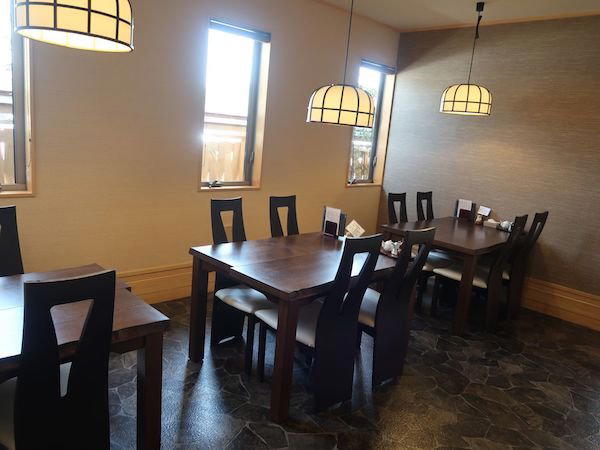
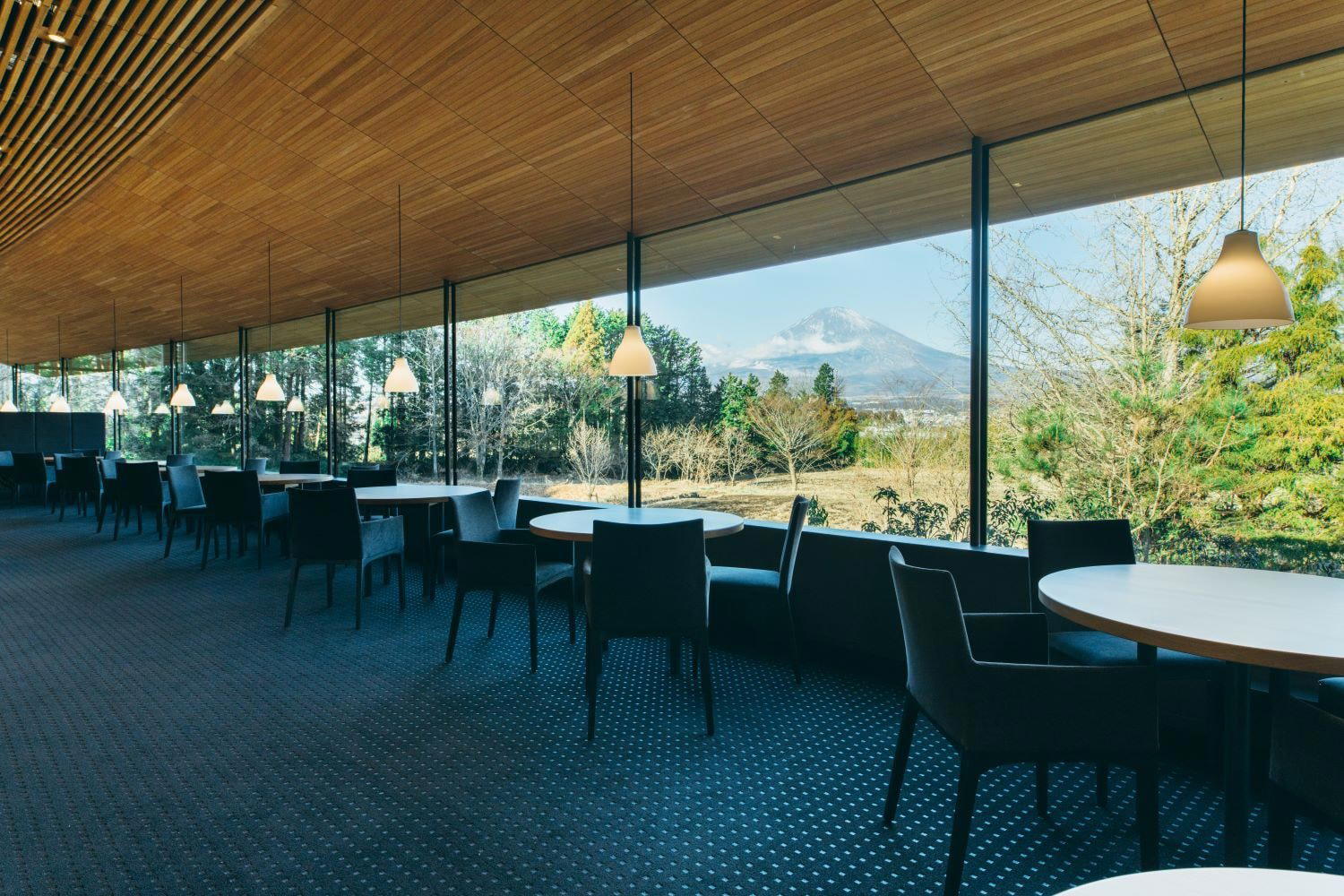
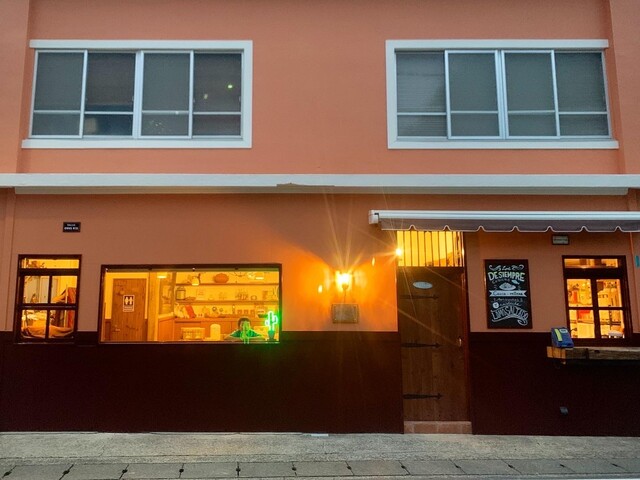
A small, quiet hotel bakery space along Route 1 with a classic Fujiya Hotel feel, offering a relaxed, casual atmosphere for picking up breads, sweets, and light bites rather than a full sit-down restaurant experience.